
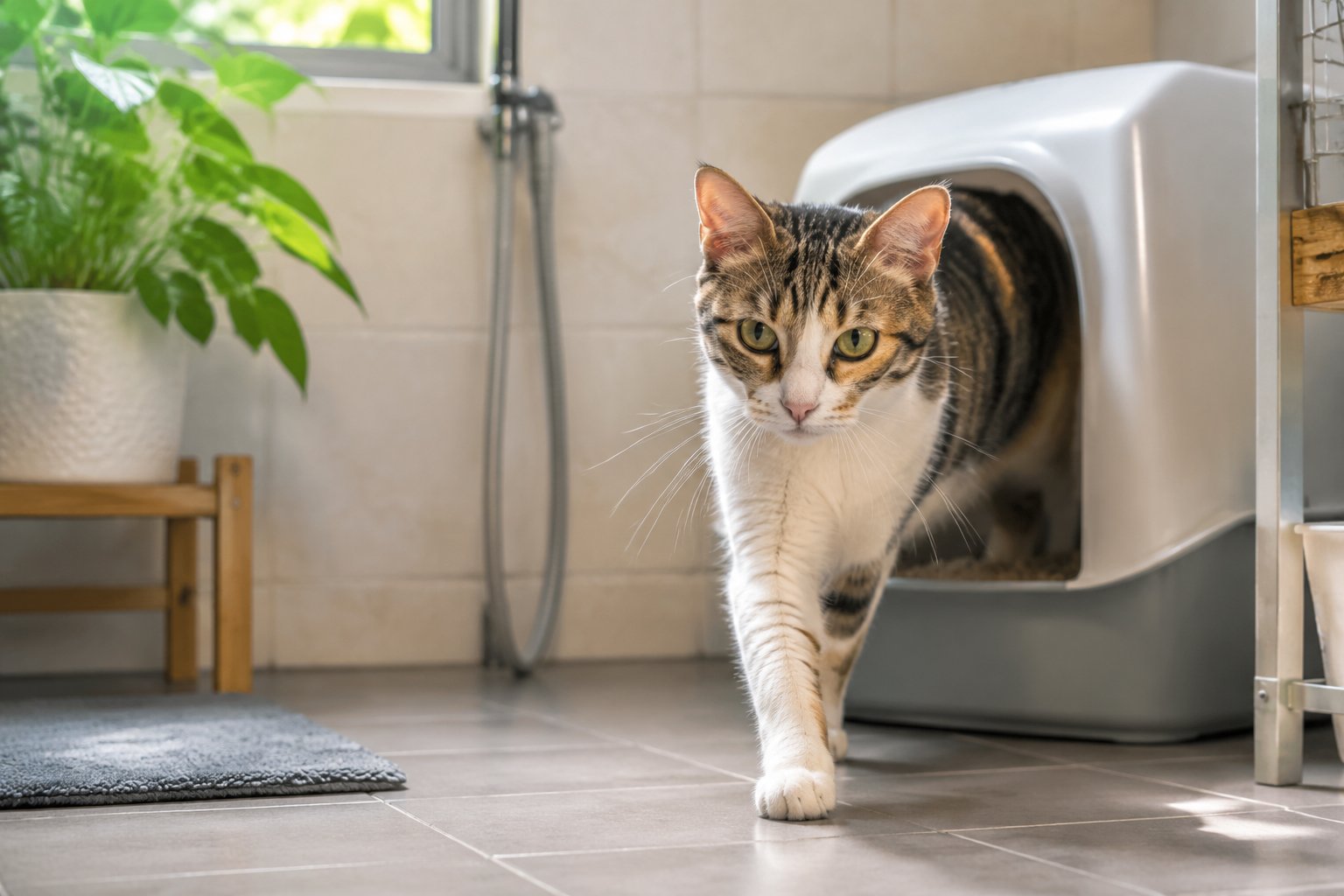
What is crystal cat litter?
Crystal cat litter is made from silica gel, a porous form of silicon dioxide that absorbs moisture and traps odour. Unlike clumping clay, which forms solid clumps when wet, silica gel beads soak up urine and allow it to evaporate over time. Solid waste sits on top and is removed with a scoop. This design means you usually do not need to top up the box daily, and full changes are less frequent than with clay litter.
For Malaysian cat owners, crystal litter can be appealing because it is lightweight, low-tracking, and often low-dust compared with fine clays. But it is not right for every cat or every household. This buying guide walks you through how crystal litter works, what to look for on the label, how to introduce it, and when to check with your vet.
How crystal (silica gel) litter works
Silica gel beads are full of tiny pores. When your cat urinates, the liquid is drawn into the beads and held there. Water gradually evaporates from the surface, leaving the odour-causing compounds trapped inside. Solid waste does not break down, so you scoop it out daily. Over time, the beads become saturated and must be replaced.
The process is different from clumping clay, where urine forms a solid clump that you remove. With crystal litter, you remove solids and stir the beads to expose fresh surfaces. Some products change colour when saturated, which can help you decide when to change the litter.
Because urine is not removed as a clump, you need to monitor the litter more closely. If the box smells before the recommended change interval, change it sooner. Multiple cats, high urine output, or a humid climate can shorten the litter's life.
Pros and cons of crystal cat litter
| Feature | Crystal (silica gel) litter | Clumping clay litter |
|---|---|---|
| Odour control | Good; absorbs urine and dries solids | Good when scooped daily; clumps trap urine |
| Dust | Usually low dust | Can be dusty, especially fine clays |
| Weight | Lightweight | Heavy |
| Tracking | Low tracking | Can track |
| Maintenance | Scoop solids daily; stir; full change every 2–4 weeks | Scoop clumps daily; top up; full change weekly or as needed |
| Cost per month | Variable; fewer full changes but higher upfront cost | Variable; frequent top-ups |
| Cat acceptance | Some cats dislike the texture | Widely accepted |
| Safety notes | Not for kittens that eat litter; avoid ingestion | Generally safe; avoid dusty brands |
Pros:
- Lightweight and easy to carry home from the pet shop.
- Low dust compared with many clay litters, which may suit cats with sensitive airways.
- Less frequent full changes, which can be convenient for busy owners.
- Good odour control when used correctly.
Cons:
- Some cats refuse the large bead texture.
- Not suitable for kittens or cats that eat litter.
- You cannot see urine clumps, so you may miss early signs of urinary problems.
- Beads can scatter if your cat digs vigorously.
- Disposal is not flushable; it goes in the rubbish.
What to look for when buying crystal cat litter
1. Low dust and unscented formulas
Dust is a common concern with any litter. Choose a product labelled low-dust, and avoid heavily scented varieties if your cat has respiratory sensitivities. Unscented does not mean odour control is poor; silica gel itself absorbs odour. If you want a scent, choose a mild one and monitor your cat for sneezing or avoidance.
2. Bead size and texture
Crystal litter comes in different bead sizes. Smaller beads may feel more like sand to some cats, while larger beads are less likely to track but may be uncomfortable for sensitive paws. If your cat has previously used clay, a finer crystal may ease the transition. There is no single best size; observe your cat's preference.
3. Colour-changing indicators
Some crystal litters change colour as they absorb urine, helping you judge when to replace the litter. This is a convenience feature, not a necessity. If you choose a colour-changing product, follow the label's guidance and still scoop solids daily.
4. Packaging and quantity
Crystal litter is often sold in larger bags because it is lightweight. Check the bag size and the recommended depth for your litter box. A box that is too shallow will not allow enough absorption. For a standard box, follow the product's depth instructions; many recommend 3–5 cm of beads.
5. Price and value
Prices vary by brand, bag size, and retailer in Malaysia. Do not assume a higher price means better performance. Compare the cost per change and how long a bag lasts for your cat. Ask local pet shops or online retailers about current pricing, and read reviews from other Malaysian cat owners where available.
6. Disposal instructions
Check the label for disposal guidance. Crystal litter should not be flushed. It is usually double-bagged and placed in the rubbish. In some Malaysian apartments, waste disposal rules may require sealed bags; check with your building management.
Crystal litter vs other litter types
| Litter type | How it works | Best for | Watch-outs |
|---|---|---|---|
| Crystal (silica gel) | Absorbs urine, dries solids | Low-dust households, busy owners | Not for kittens; texture refusal |
| Clumping clay | Forms clumps when wet | Most cats; easy urine monitoring | Dust; heavy; environmental concerns |
| Non-clumping clay | Absorbs urine; solids removed | Budget-conscious owners | Odour control can be weaker |
| Plant-based (e.g., tofu, pine) | Clumps or absorbs; biodegradable | Eco-conscious owners | Some cats eat it; variable odour control |
| Paper pellets | Absorbs; low tracking | Post-surgery or sensitive paws | Poor odour control; frequent changes |
Crystal litter is not automatically better than clay. It suits owners who want low dust and less frequent full changes, and cats who accept the texture. If your cat is a enthusiastic digger or has sensitive paws, clay or fine plant-based litter may be more comfortable.
How to introduce crystal litter to your cat
Cats are creatures of habit. A sudden switch can cause stress and house-soiling. Follow these steps:
- Set up a second box. Place a new litter box with crystal litter next to the old one. Keep the old box available.
- Mix gradually. Start with a small amount of crystal litter mixed into the old litter, increasing the proportion over 1–2 weeks.
- Keep the location familiar. Do not move the box to a new room during the transition.
- Maintain cleanliness. Scoop solids daily from both boxes. A dirty box can put cats off.
- Observe. If your cat avoids the new litter, slows down, or urinates outside the box, go back to the old litter and try again more slowly, or choose a different product.
Some cats take to crystal litter immediately; others never accept it. Never force a cat to use a litter it avoids. Stress can lead to urinary problems, especially in male cats.
Using crystal litter in a Malaysian home
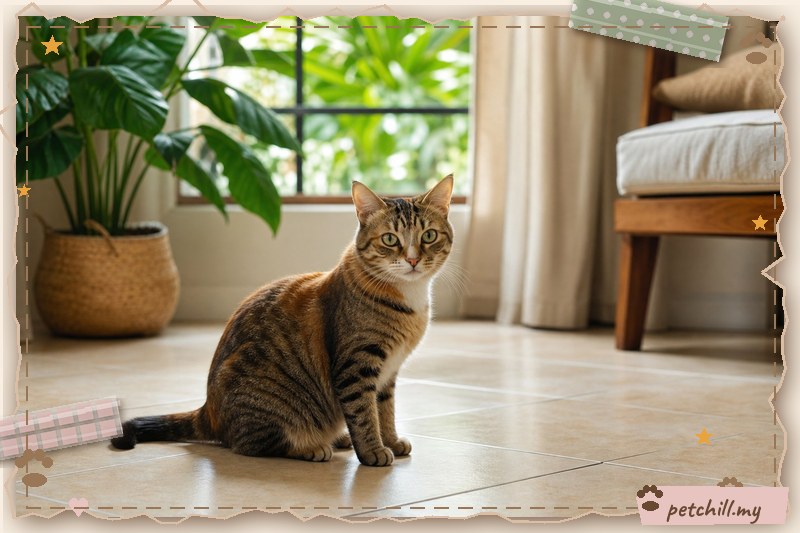
Malaysia's warm, humid climate affects litter performance. High humidity can slow evaporation from silica beads, so you may need to change the litter more often than the label suggests. In a Kuala Lumpur apartment with air-conditioning, the air may be drier, but closed windows can trap odours. In a Johor terrace house, open windows and fans may help ventilation, but rain and humidity can still affect the litter.
Here are practical tips:
- Place the box in a well-ventilated area away from food and water.
- Avoid bathrooms with poor airflow; humidity can make litter clump and smell.
- Use a litter mat to catch stray beads.
- Store unused litter in a sealed container to keep it dry.
- During the rainy season, check the box more often for dampness and odour.
- In small apartments, choose a covered box with a filter if odour is a concern, but ensure your cat can enter and exit comfortably.
Health and safety considerations
Crystal litter is generally safe for healthy adult cats when used as directed. However, there are important cautions:
- Kittens and cats that eat litter: Silica gel beads can cause gastrointestinal blockage if swallowed. Do not use crystal litter for kittens under about 12 weeks or for cats with pica (eating non-food items).
- Respiratory sensitivity: Dust can irritate airways. Choose low-dust products and pour gently. If your cat has asthma or chronic sneezing, consult your vet before switching.
- Urinary monitoring: Because crystal litter absorbs urine, you may not see clumps. If your cat has a history of urinary blockages or crystals, clay clumping litter may make it easier to monitor urine volume. Discuss with your vet.
- Paw sensitivity: Some cats dislike the texture. Watch for reluctance to enter the box or elimination outside it.
- Ingestion: If you suspect your cat has eaten crystal litter, contact your vet immediately.
When to see a vet
See a veterinarian if you notice any of the following:
- Your cat strains to urinate, cries while urinating, or produces little or no urine. This can be a life-threatening emergency, especially in male cats.
- Blood in the urine or frequent attempts to urinate outside the box.
- Persistent sneezing, coughing, or nasal discharge that may be linked to litter dust.
- Your cat stops using the litter box suddenly, or shows signs of pain when posturing to urinate.
- You suspect your cat has swallowed litter or is eating litter.
- Any change in litter habits that lasts more than a day or two.
Do not wait to see if a urinary problem resolves on its own. Early veterinary care is important.
Frequently asked questions
Is crystal cat litter safe for cats? Silica gel litter is generally safe for adult cats when used as directed. Avoid it for kittens that may eat litter, and choose low-dust, unscented products. Monitor for ingestion or respiratory irritation and consult your vet if concerned.
How often should I change crystal cat litter? Remove solid waste daily and stir the beads. Replace all litter every 2–4 weeks for one cat, or sooner if odour persists. Follow the product label and increase frequency for multiple cats or high urine output.
Can I flush crystal cat litter down the toilet? No. Silica gel litter does not break down like some plant-based litters and can clog pipes. Dispose of it in a sealed bag with your regular rubbish according to local waste guidelines.
Is crystal litter good for kittens? It is not recommended for kittens under about 12 weeks or any cat that eats litter, because silica beads can cause blockage if swallowed. Use a safer litter for kittens and consult your vet.
Why is my cat sneezing around crystal litter? Dust from litter can irritate airways. Switch to a low-dust brand, pour gently, and keep the box ventilated. If sneezing, coughing, or nasal discharge continues, see your vet to rule out other causes.
Does crystal litter control odour well? Yes, silica gel absorbs urine and dries solids, which reduces ammonia smell. However, solid waste must be removed daily, and the litter must be replaced regularly. Odour control varies by brand and cat urine volume.
Bottom line
Crystal cat litter can be a good choice for Malaysian cat owners who want low dust, lightweight litter, and less frequent full changes. But it is not for every cat. Consider your cat's age, litter habits, and health history. Introduce any new litter gradually, keep the box clean, and monitor for signs of discomfort. When in doubt, ask your veterinarian for advice tailored to your cat.
This article is for general information only and is not a substitute for veterinary advice. Always consult a licensed veterinarian for health concerns about your cat.

