
The short answer
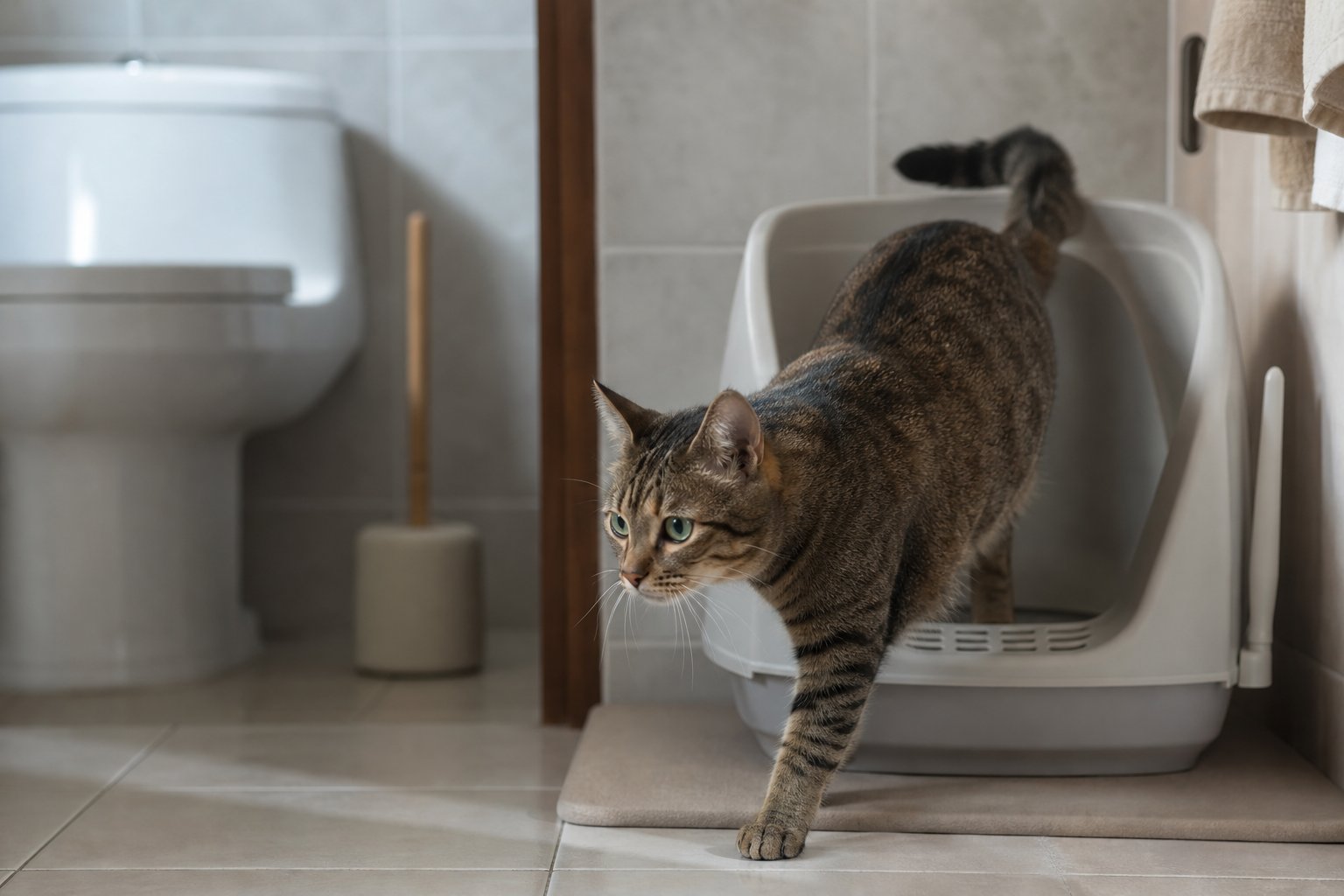
Pine cat litter is a plant-based litter made from compressed pine sawdust, wood shavings or pellets. It absorbs liquid well, has a natural woody smell and produces less dust than many clay litters. The trade-off is texture: most pine pellets do not clump, so urine breaks down into sawdust instead of forming a scoopable ball. Some cats accept pine immediately; others refuse it because the pellets feel hard under their paws.
For Malaysian homes, pine litter can be a sensible choice in apartments where dust and tracking matter, or in humid areas where you want a litter that does not turn into sticky mud. But it is not automatically better than clay or tofu litter. The right choice depends on your cat's preferences, your budget, your routine and any health issues in the household.
What pine cat litter actually is
Pine litter is usually a by-product of timber processing. Sawdust and wood waste are dried, compressed and formed into pellets or granules. Good-quality products use kiln-dried wood, which reduces moisture and some of the volatile compounds that give fresh pine its strong smell.
There are three common forms:
- Pellets: Firm cylindrical pieces that break down when wet. Most do not clump.
- Granules or crumbles: Smaller pieces that look more like coarse sand. Some are marketed as clumping.
- Pine-based mixed litter: Pine blended with other plant fibres or a clumping agent.
Labels matter. A bag described as "pine litter" may be pure wood pellets, or it may contain added fragrance, baking soda or clumping agents. Read the ingredient list rather than assuming all pine litters behave the same way.
The pros of pine cat litter
1. Good absorbency
Pine is porous and takes up liquid quickly. In a pellet litter, urine soaks into the pellet, which then softens and breaks apart. The liquid stays in the sawdust at the bottom of the tray rather than pooling on the surface. This keeps the top layer drier for your cat's paws.
2. Natural odour control
Pine has a distinct woody scent that many owners find fresher than the smell of wet clay. The wood also absorbs ammonia to some degree. That does not replace scooping, but it can make a well-maintained tray smell less sharp between changes.
3. Lower dust than many clay litters
Clay litters, especially fine clumping types, can produce visible dust when poured or scooped. Pine pellets are heavier and generate less airborne dust in normal use. This matters in small apartments, for owners with allergies, and for cats that sneeze or cough around dusty litter.
4. Less tracking in some homes
Large pellets are less likely to stick to paws and spread through the house than fine sand or clay. They can still be kicked out of the tray, so a high-sided box or a litter mat helps. In a Kuala Lumpur apartment with limited floor space, less tracking is a real practical benefit.
5. Biodegradable and plant-based
Pine litter comes from wood, so it breaks down more readily than clay. It is not a solution to waste problems on its own, but owners who prefer plant-based products often choose it for this reason.
6. Often economical per kilogram
Pine pellet litter is frequently sold in larger bags at a lower cost per kilogram than premium clumping clay. Prices in Malaysia vary by brand, bag size and retailer, so compare the cost per kilogram rather than the shelf price alone. Ask local pet shops or your vet for current options.
The cons of pine cat litter
1. Most pine pellets do not clump
This is the biggest adjustment for owners used to clumping clay. When a cat urinates on pine pellets, the pellets turn to sawdust and sink. You cannot scoop a neat urine ball. Instead, you scoop solid waste daily and stir the litter, then replace the whole tray when the sawdust builds up.
Some owners use a two-layer tray or a sifting tray so the sawdust falls through and the dry pellets stay on top. That extends the life of the litter, but it is extra equipment and extra handling.
2. Texture can put cats off
Cats have strong preferences about what they walk on. Hard pellets feel very different from soft sand. A cat that has used fine clay for years may protest by eliminating outside the box. This is not stubbornness; it is a genuine comfort issue.
3. The pine smell can be too strong
Humans may enjoy a fresh pine scent, but cats have a much sharper sense of smell. Strongly scented litter can deter a cat from using the tray. Choose unscented or lightly scented products, and avoid litter with added perfumes.
4. Pellets can be uncomfortable for sensitive paws
Older cats, kittens and cats with arthritis may find large hard pellets uncomfortable. If your cat has mobility problems, a softer, finer litter may encourage regular use.
5. Urine monitoring is harder
Clumping litter makes it easy to see how much a cat urinates and how often. With non-clumping pine, urine disappears into the sawdust. If your vet has asked you to monitor urine output, a clumping or non-absorbent litter may be more practical.
6. Dust and small particles still exist
Pine is low-dust, not dust-free. Bags often contain fine sawdust at the bottom, and crumbling pellets create particles over time. Pour gently and avoid shaking the bag near your cat's face.
7. Some cats may eat the litter
Kittens and some adult cats taste litter. Pine litter is not food, and eating large amounts can cause digestive upset. Products containing essential oils or strong aromatic additives are a particular concern. If your cat repeatedly eats litter, speak to your vet.
Safety questions about pine and cats
The main safety debate around pine litter concerns wood oils, especially from fresh, untreated pine. Kiln-dried pine used in quality litter has much of the moisture and volatile oil reduced, which is why it is generally considered safe for normal use.
A few practical rules reduce risk:
- Choose kiln-dried, unscented pine litter from a reputable brand.
- Avoid products with added fragrance, essential oils or strong chemical deodorisers.
- Keep the bag sealed and stored dry; damp litter can grow mould.
- Do not let kittens or cats chew on pellets.
- If your cat has asthma, allergies or a history of eating non-food items, ask your vet before switching.
There is no need to panic if your cat walks on pine litter or grooms a few particles off its paws. The concern is repeated ingestion or exposure to concentrated oils, not normal contact.
Pine vs clay vs tofu: a practical comparison
| Feature | Pine pellets | Clumping clay | Tofu litter |
|---|---|---|---|
| Clumping | Usually no | Yes | Yes |
| Absorbency | Good | Good | Good |
| Odour control | Natural woody scent | Variable; some have additives | Moderate |
| Dust | Low | Moderate to high | Low |
| Tracking | Low to moderate | Moderate | Moderate |
| Texture for cats | Hard pellets | Fine, sand-like | Soft, pellet-like |
| Ease of scooping urine | Harder | Easy | Easy |
| Biodegradable | Yes | No | Yes |
| Cost per kg | Often lower | Varies | Varies |
This table is a general guide. Individual products differ, and a premium pine litter may cost more than a budget clay litter. Check the label and compare like for like.
How to switch your cat to pine litter
A sudden change is the most common reason cats reject a new litter. Use a gradual transition over one to two weeks.
- Start with two trays. Put the old litter in one tray and pine in a second tray nearby. Let your cat choose.
- Mix gradually. Once your cat uses the pine tray, begin mixing a small amount of pine into the old litter, increasing the ratio every few days.
- Keep the location the same. Do not move the tray to a new room during the switch.
- Keep the tray clean. Scoop solids daily and remove wet sawdust regularly.
- Watch for stress signs. Hiding, crying at the tray, or eliminating outside the box means slow down or go back a step.
- Give it time. Some cats accept pine in days; others need weeks. Never punish a cat for avoiding the tray.
If your cat has used the same litter for years and is elderly or anxious, consider whether the switch is necessary. A happy cat using a litter you dislike is better than a stressed cat avoiding the box.
Litter tray setup for Malaysian homes
Malaysia's warm, humid climate affects litter. Damp litter smells faster and can grow mould, so keep the bag sealed and store it in a dry place. In a Penang rainy season, humidity can be high for weeks; check the tray more often and replace wet sawdust before it sits.
In a Johor terrace house, you may have space for a covered tray or a dedicated utility area. In a Kuala Lumpur apartment, a high-sided tray with a mat helps contain pellets and reduce tracking. Good ventilation matters more than a covered lid, because covers trap odour and ammonia.
A simple routine:
- Scoop solids at least once a day.
- Stir pine pellets daily to help wet pieces fall through.
- Top up dry pellets as needed.
- Do a full change when the sawdust layer builds up or the tray smells despite scooping.
- Wash the tray with mild soap and water, then dry it fully before refilling.
Avoid strong household cleaners, bleach fumes and scented sprays near the tray. Cats are sensitive to smells, and strong chemicals can put them off using the box.
When pine litter is a good fit
Pine litter suits owners who want a low-dust, plant-based litter and do not mind a non-clumping routine. It can work well for:
- Apartments where dust and tracking are a concern.
- Households with several cats, where large bags are economical.
- Owners who prefer biodegradable litter.
- Cats that already accept pellet textures.
It may be less suitable for:
- Cats with sensitive paws or arthritis.
- Cats that strongly prefer fine sand.
- Households that need to monitor urine output closely.
- Cats that eat or chew litter.
When to see a vet
Contact a veterinarian if your cat shows any of these signs:
- Straining to urinate, crying while urinating, or passing only small amounts of urine.
- Blood in the urine.
- Urinating outside the litter box suddenly, especially in a previously reliable cat.
- Repeatedly eating litter or other non-food items.
- Sneezing, coughing or wheezing that starts or worsens after a litter change.
- Skin irritation or redness on the paws or belly.
- Diarrhoea, vomiting or loss of appetite after switching litter.
Urinary blockages are emergencies, particularly in male cats. Do not wait to see if it settles. If your cat cannot pass urine, seek veterinary care immediately.
Frequently asked questions
Is pine cat litter safe for cats? Yes for most cats when used normally. Avoid litter containing strong pine oils or aromatic additives, and stop use if your cat tries to eat the litter. Cats with asthma or sensitive skin may do better with low-dust options.
Does pine cat litter clump? Most pine pellet litters do not clump. Urine turns the pellets into sawdust that falls to the bottom of the tray, so you scoop solids daily and change the whole tray more often. Some pine-based litters are sold as clumping, so check the label.
Is pine litter good for odour control? Yes. Pine has a natural woody scent and absorbs moisture well, which helps control urine odour. Odour control still depends on daily scooping, enough litter depth and regular full changes.
Can kittens use pine cat litter? Kittens can use pine litter, but choose a low-dust, unscented product and supervise them. Very young kittens may taste litter, so avoid strongly scented or oil-treated pine products and ask your vet if unsure.
Why does my cat refuse pine litter? Cats are sensitive to texture and smell. Pellets feel different from clay or sand, and the pine scent can be strong. Mix pine with the old litter gradually over one to two weeks instead of switching suddenly.
Is pine litter flushable or compostable? Pine litter is biodegradable, but do not flush it. Flushing cat waste can spread parasites and overwhelm plumbing. Bag used litter and dispose of it with household waste, or compost only if local rules allow and you keep it away from food crops.
Bottom line
Pine cat litter is a solid option for owners who want a low-dust, biodegradable litter with natural odour control. Its biggest drawback is the non-clumping texture, which some cats dislike and which makes urine monitoring harder. Introduce it gradually, choose an unscented kiln-dried product, and keep the tray clean. If your cat refuses it or shows signs of illness, do not force the change; speak to your vet.
This article is general information only and is not a substitute for veterinary advice. Always consult a licensed veterinarian about your cat's health, litter choices and any changes in behaviour.
Related reading
- Cat Litter Guide Malaysia 2026: Types, Costs and How to Choose
- Best Paper Cat Litter for Cats in Malaysia: A Practical Buying Guide
- Crystal Cat Litter for Cats: Pros and Cons Every Malaysian Owner Should Know
- How to Use Clumping Cat Litter for Cats: A Complete Malaysian Guide
- Litter Box for Cats: Pros and Cons Every Malaysian Owner Should Know

