
The short answer
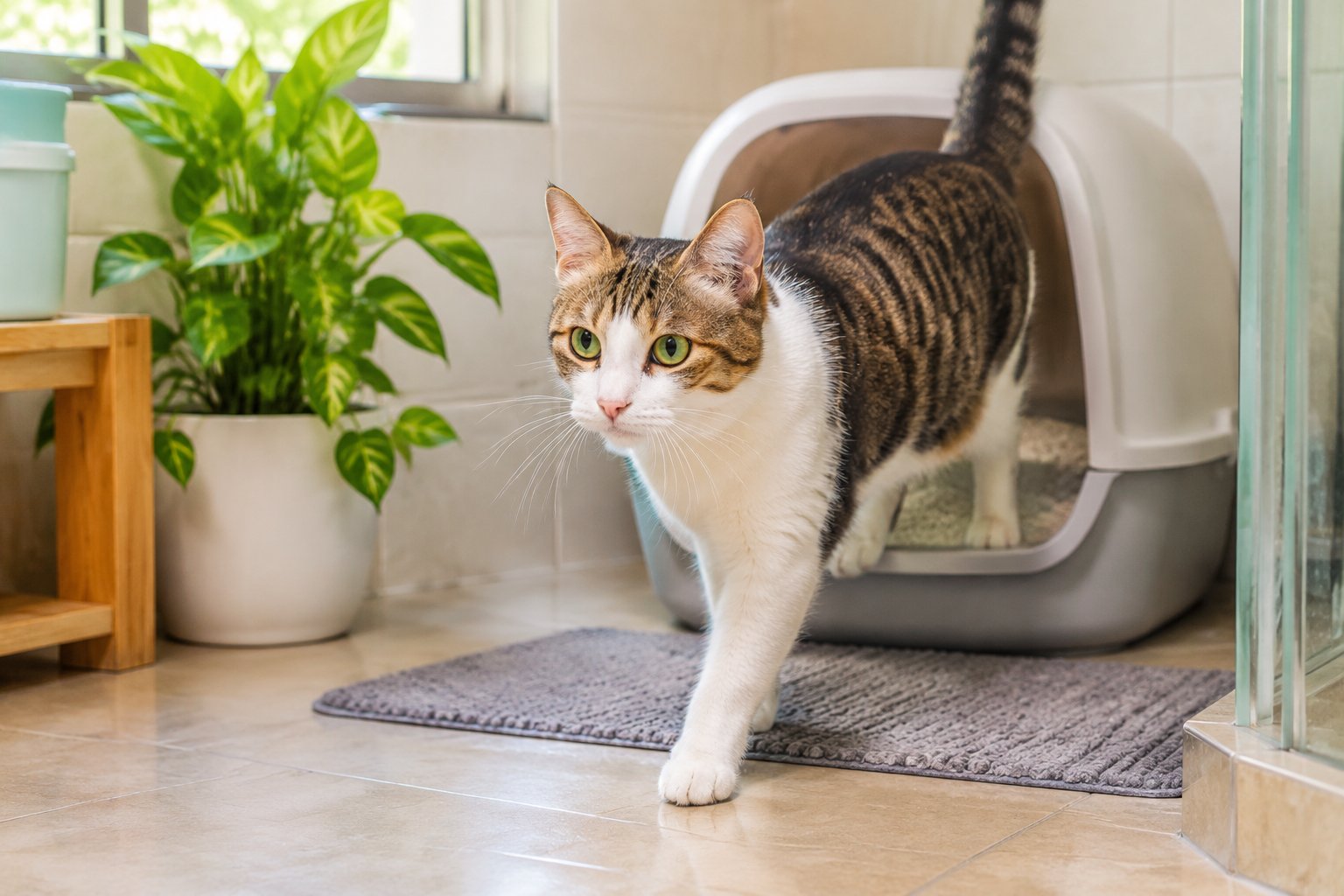
Scented cat litter is a trade-off, not a magic fix. It can genuinely reduce how noticeable the litter box smells in a small home, and some owners find it easier to keep up with cleaning when the box smells fresher. But cats have a much sharper sense of smell than we do, and a strong perfume in the toilet area can make some cats avoid the box entirely. For most cats, unscented litter plus daily scooping is the safer default. Scented litter can work well for a confident cat in a well-ventilated home, as long as you watch for signs of dislike.
This guide breaks down the real pros and cons, explains what cats actually care about, and gives you a practical plan for choosing and switching litter in a Malaysian home.
What "scented" litter actually means
Scented litter is not one product. It usually falls into a few categories:
- Added fragrance. Perfume or essential-oil-style scent is added to the litter, often described as lavender, baby powder, citrus or "fresh linen".
- Odour-neutralising ingredients. Baking soda, activated carbon or zeolite are added to bind odour molecules rather than cover them with perfume.
- Naturally aromatic materials. Pine and cedar litters have a natural woody smell, even when no fragrance is added.
- Masking additives in clumping clay. Some clumping litters include deodorising beads or crystals.
This distinction matters. A litter with baking soda is very different from a litter with a strong perfume. Many cats tolerate mild odour neutralisers but react badly to heavy fragrance. When you shop, read the label for words like "fragrance", "perfume", "scented" or "deodorising" and compare that with "unscented" or "fragrance-free".
The pros of scented cat litter
1. It reduces noticeable odour between scoops
The main reason people buy scented litter is simple: it helps a small space smell better. In a Kuala Lumpur apartment or a condo with the litter box in a bathroom or utility area, odour can build up quickly, especially in humid weather. A litter with odour-neutralising ingredients can take the edge off before your next scoop.
2. It can make the box feel more manageable
When the box smells fresher, owners often scoop more often and clean more thoroughly. That habit change, more than the fragrance itself, is what really controls odour. If scented litter helps you stay on top of daily scooping, that is a genuine benefit.
3. It can help in shared or guest-facing spaces
If the litter box sits near a living area, or you have guests over often, a mild odour-neutralising litter can reduce awkward smells. This is a comfort benefit for people, not a health benefit for the cat, and it should never come at the cost of the cat avoiding the box.
4. Some cats are simply not bothered
Plenty of cats use scented litter without any issue. If your cat is confident, uses the box normally, and shows no signs of stress, the scent is probably not a problem. The key is to observe your individual cat rather than assume.
The cons of scented cat litter
1. Cats can refuse the box
This is the biggest con. Cats are territorial and scent-sensitive. A strong perfume can make a familiar box feel strange or unsafe, and a cat that dislikes the smell may hold urine, eliminate on the floor, or find a quieter corner. Litter box avoidance is one of the most common behavioural complaints in cats, and litter changes are a frequent trigger.
2. Fragrance can mask early signs of illness
Urine and stool smell can change with urinary tract problems, kidney disease, diabetes and digestive issues. A strong perfume can hide those changes. If you use scented litter, check the box daily and look at the clumps, colour and stool rather than relying on smell.
3. Dust and fragrance can irritate sensitive cats
Some cats sneeze or cough near dusty, heavily scented litter. Cats with feline asthma or sensitive airways may do better with low-dust, unscented options. There is no reliable evidence that scented litter causes asthma, but irritation is a reasonable concern and worth discussing with your vet if your cat has respiratory signs.
4. It does not replace cleaning
Scented litter is not a substitute for scooping. If the box is not scooped daily, fragrance just layers perfume over waste, and the result can be worse than unscented litter. Odour control starts with removal, not masking.
5. Scent preferences are personal and unpredictable
A scent that smells pleasant to you may be unpleasant to your cat. Lavender, citrus and strong floral notes are common dislikes. You cannot predict from the label how your cat will react, so any scented litter is a trial.
Scented vs unscented: a side-by-side comparison
| Factor | Scented litter | Unscented litter |
|---|---|---|
| Odour control between scoops | Often better at masking smell | Relies on scooping and absorbency |
| Cat acceptance | Can be rejected by sensitive cats | Usually well accepted |
| Hiding illness clues | Can mask changes in urine/stool smell | Changes easier to notice |
| Dust and irritation risk | Higher if heavily perfumed or dusty | Lower, especially low-dust formulas |
| Best for | Confident cats, well-ventilated boxes, guest-facing spaces | Most cats, multi-cat homes, kittens, senior or unwell cats |
| Maintenance demand | Still needs daily scooping | Still needs daily scooping |
What cats actually care about
Cats care about the box far more than the packaging suggests. The main factors are:
- Texture. Most cats prefer fine, sandy, soft litter they can dig in. Sharp or large pellets can put them off.
- Depth. Around 5 to 8 cm of litter gives most cats enough to dig and cover.
- Cleanliness. Cats are fastidious. Scoop at least once a day, and wash the box regularly with mild, unscented soap.
- Location. A quiet, low-traffic spot away from food and water. In a Malaysian home, avoid hot balconies and noisy utility areas.
- Box size and number. The box should be about one and a half times the length of your cat. A common rule is one box per cat plus one extra.
- Scent. A neutral or familiar smell helps cats feel safe. Strong perfume works against that.
If you get texture, depth, cleanliness and location right, odour is usually manageable without heavy fragrance.
How to choose a litter in Malaysia
Malaysia's humid climate matters. Litter that stays damp can smell faster and grow mould, so absorbency and airflow are important. Here is a practical checklist:
- Start unscented. Choose a clumping, low-dust litter and see how your cat responds before adding fragrance.
- Read the label. Look for baking soda, activated carbon or zeolite if you want odour control without perfume.
- Test small. Buy the smallest bag first. Cats can be picky, and a large bag of rejected litter is wasted money.
- Consider your home. In a small apartment, daily scooping and a covered box usually beat fragrance. In a landed house, you have more placement options.
- Watch the dust. Shake a little litter in the bag. If dust clouds up, it may irritate you and your cat.
- Ask locally. Prices and availability vary widely in Malaysia, so check with your regular pet shop or vet clinic rather than assuming online prices apply.
A safe switching plan
If you want to move from scented to unscented litter, or try a new scented product, do it gradually:
- Keep the same box and position. Do not change the box, location and litter at the same time.
- Mix over seven to ten days. Start with about a quarter new litter and three-quarters old, then increase every few days.
- Scoop daily. Keep the box clean during the transition.
- Watch for avoidance. Sniffing and walking away, urinating outside the box, or holding urine are signs to slow down or stop.
- Do not change food at the same time. Keep other routines stable.
- Give it a week. If your cat is still unhappy after a week, go back to the old litter and try again later.
When to see a vet
See a vet if your cat:
- Stops using the litter box suddenly, especially after a litter change
- Strains to urinate, cries while urinating, or produces only small amounts of urine
- Has blood in the urine or frequently licks the genital area
- Sneezes, coughs or has difficulty breathing near the litter box
- Shows signs of pain, lethargy, vomiting or loss of appetite
- Has diarrhoea or constipation that lasts more than a day or two
Urinary blockages, especially in male cats, are emergencies. If your cat is straining and producing little or no urine, seek veterinary care immediately.
Practical examples from Malaysian homes
Kuala Lumpur apartment. A litter box in a small bathroom can make odour noticeable fast. Daily scooping, a covered box with a carbon filter, and an unscented clumping litter usually work better than a strong perfume. If you want extra help, choose a litter with baking soda rather than fragrance.
Johor terrace house. With more space, you can place boxes in a quiet utility area or shaded corridor. Avoid hot, humid corners where litter stays damp. A low-dust unscented litter plus a second box for a multi-cat home keeps odour down without relying on scent.
Bottom line
Scented cat litter has real pros: it can reduce noticeable odour and support better cleaning habits. But the cons matter more for many cats, especially box avoidance and masked illness clues. Start unscented, scoop daily, and only try scented litter if your cat is confident and your home needs extra odour help. Let your cat's behaviour, not the label, make the final decision.
This article is general information, not veterinary advice. If your cat has health or behaviour problems, consult a licensed veterinarian in Malaysia.

