
Quick answer
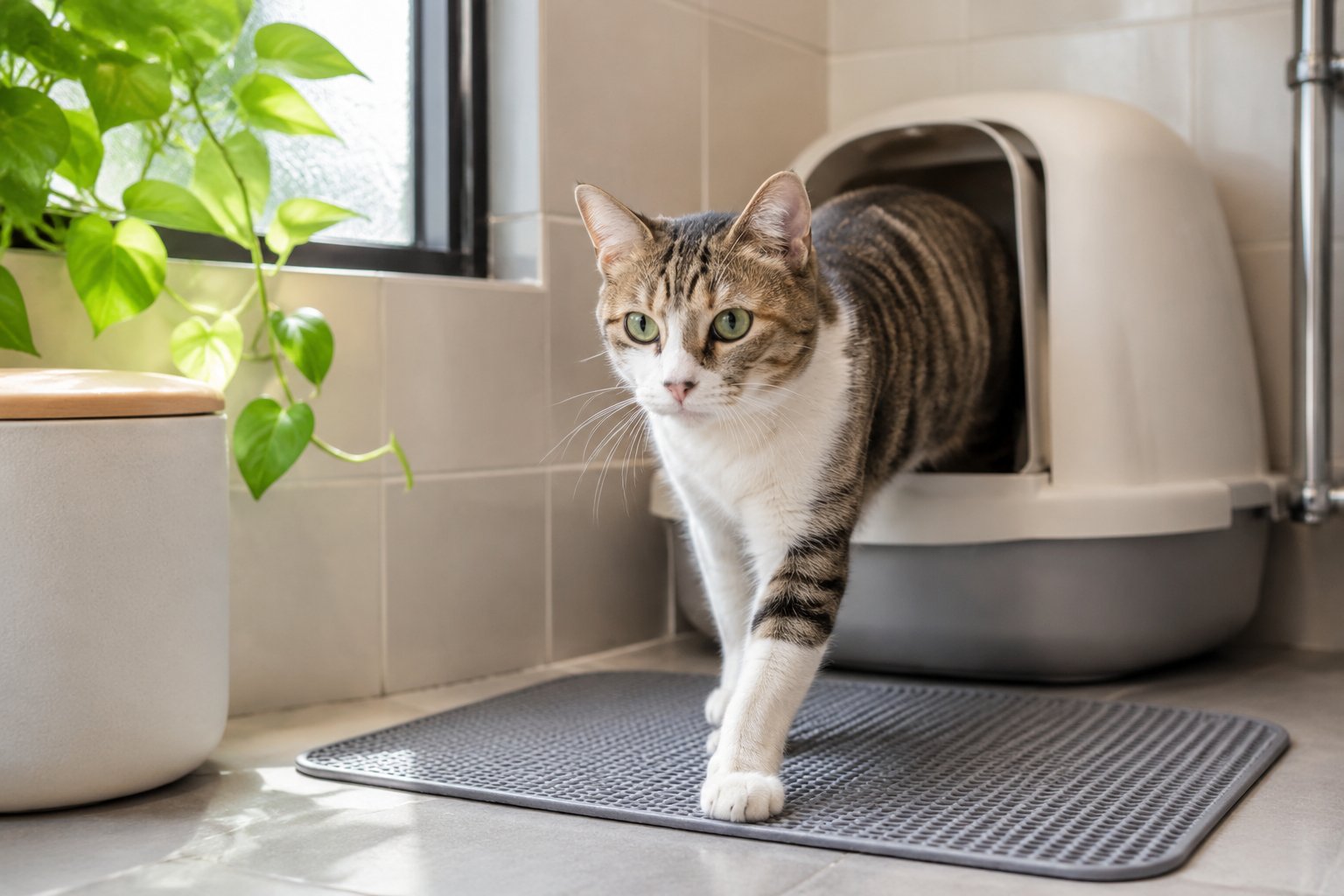
To use a covered litter box, pick a box large enough for your cat to stand and turn around, remove the door flap at first, fill with clumping litter, scoop daily, and place it in a quiet, well-ventilated spot away from food. Introduce it gradually and never force your cat inside. If your cat refuses it, offer an open box as an alternative.
Why use a covered litter box?
A covered litter box has a hood or roof that encloses the litter tray. It is popular in Malaysian apartments because it hides mess and contains odour. But it is not automatically better for your cat. The cover can trap smells and make some cats feel trapped. The key is to use it correctly and to respect your cat's preference.
Benefits include:
- Odour containment: The cover slows the spread of smell, which helps in small living spaces.
- Mess control: It reduces litter tracking and keeps urine spray inside.
- Privacy for your cat: Some cats prefer a quiet, enclosed space.
- Aesthetics: It looks neater in a living room or bathroom.
Drawbacks include:
- Trapped odour: Without good ventilation, the inside can become smelly, which may deter your cat.
- Stress for some cats: Cats are both predator and prey animals; a single exit can feel risky.
- Harder to monitor: You may not notice changes in urine or stool as quickly.
- Size limits: Many covered boxes are too small for larger cats.
Choosing the right covered litter box
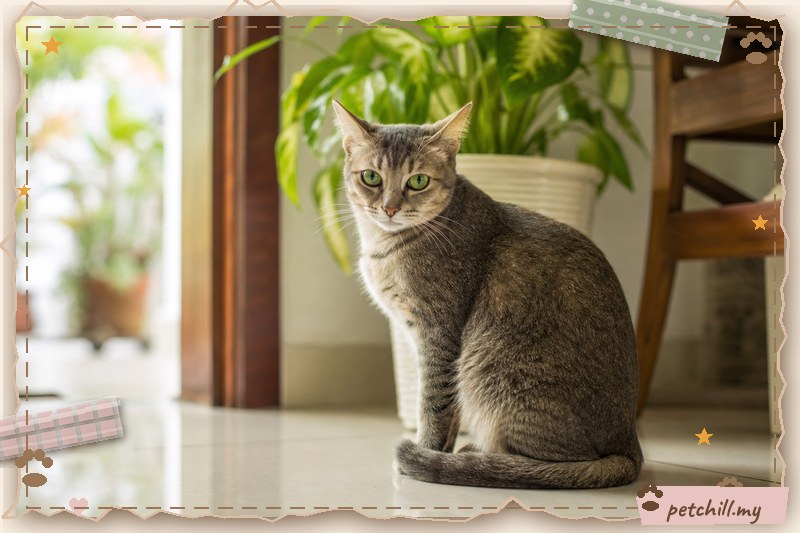
Size matters most. Your cat should be able to stand, turn around, and dig comfortably. A good rule is that the box should be about one and a half times the length of your cat, excluding the tail. Many covered boxes sold in Malaysia are on the small side, so measure before you buy.
Look for:
- A large base: At least 50–60 cm long for an average adult cat; larger for big breeds.
- A removable hood: This makes cleaning easier and lets you convert to an open box if needed.
- A removable door flap: You can take it off during the adjustment period.
- A charcoal filter slot: Filters help with odour but must be changed regularly.
- A low entry: Helpful for kittens and senior cats.
- Sturdy clips: The hood should stay secure but be easy to remove.
Avoid boxes with narrow entrances or deep steps that make entry awkward. If your cat is elderly or has arthritis, a low-entry open box may be kinder.
Comparison table: covered vs open litter box
| Feature | Covered litter box | Open litter box |
|---|---|---|
| Odour containment | Better | Less effective |
| Mess control | Better | More tracking |
| Ventilation | Poorer unless cleaned often | Good |
| Cat acceptance | Variable; some cats refuse | Usually high |
| Monitoring health | Harder | Easier |
| Suitability for kittens/seniors | Needs low entry | Often easier |
| Cleaning effort | More parts to wash | Simple |
| Space in small apartments | Neater | Takes more visual space |
Step-by-step setup
- Choose the location. Pick a quiet, well-ventilated spot away from food and water. Avoid damp corners and noisy appliances. In a Kuala Lumpur apartment, a bathroom or utility area often works well if the cat can reach it easily.
- Remove the door flap at first. The flap can scare cats and trap odour. Leave it off for the first few weeks.
- Fill with litter. Add 5–7 cm of clumping litter. Do not overfill; too much litter can spill out and make digging harder.
- Place a mat outside. A litter mat catches tracking and keeps the floor cleaner.
- Show your cat the box. Place your cat gently inside after a meal or when they sniff around. Praise calmly. Never force or trap them inside.
- Keep the old box nearby. If your cat is used to an open box, place the new covered box next to it. Let your cat choose. Once they use the covered box regularly, you can remove the old one.
- Add the flap later. After a few weeks of successful use, you can try attaching the door flap. If your cat avoids the box, remove it again.
Litter choice for covered boxes
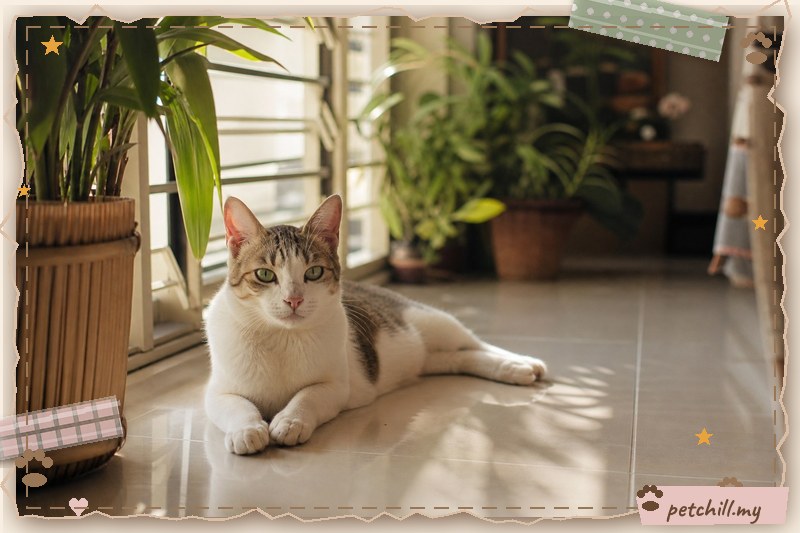
Litter choice affects odour and your cat's willingness to use the box. Clumping litter is the most popular because it is easy to scoop and controls odour. Fine clumping litter is common, but some cats prefer pellets or crystal litter. Avoid strongly scented litter, which can irritate cats and mask smells you need to notice.
In Malaysia's humid climate, litter can absorb moisture and smell faster. Keep the litter dry by cleaning regularly and storing spare litter in a sealed container. If you use a covered box, good litter and frequent scooping matter even more because air circulation is limited.
Daily and weekly cleaning routine
A covered box needs a consistent routine. Here is a simple schedule:
- Daily: Scoop solids at least once, ideally twice. Stir the litter lightly to distribute it.
- Weekly: Remove the hood, empty the litter, wash the base and hood with mild soap and warm water, rinse well, and dry completely before refilling.
- Monthly: Replace charcoal filters if your box has them. Check for cracks or worn clips.
- As needed: If odour builds up, do a full change sooner. In rainy season, humidity can make litter clump poorly and smell faster.
Never use strong household cleaners or bleach inside the box; residual fumes can harm cats. Mild soap and water are enough. Dry the box fully before adding litter to prevent mould and clumping.
Odour control in Malaysian homes
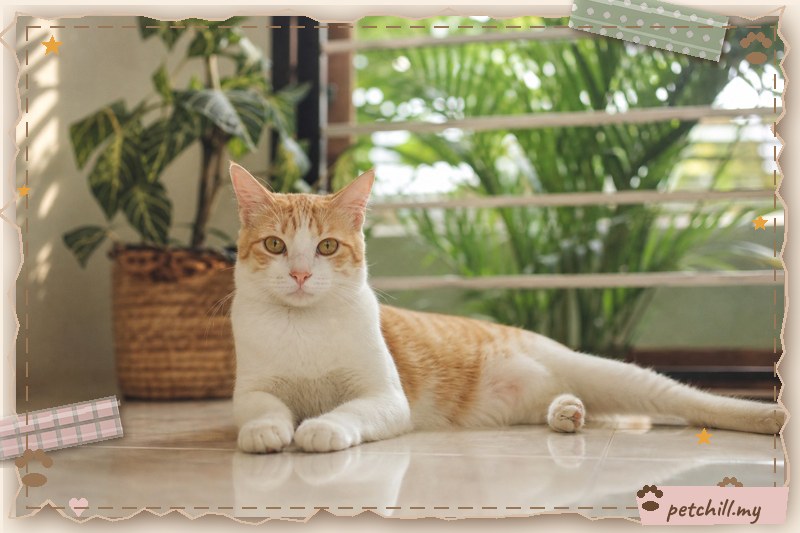
Malaysia's warm, humid weather makes odour control harder. A covered box can trap smells, so you need to be proactive:
- Scoop twice daily in hot weather.
- Use a charcoal filter and change it monthly.
- Keep the box in a ventilated area but away from direct sun.
- Avoid airtight cabinets that trap moisture.
- Wash the box weekly with mild soap.
- Consider a second box if you have more than one cat.
A common mistake is to seal the box in a closed cupboard to hide it. This traps humidity and odour and can make your cat avoid the box. Instead, choose a spot with airflow, such as a bathroom with a window or a utility area.
Helping your cat accept the covered box
Some cats take to a covered box immediately; others need time. Signs of stress include:
- Avoiding the box or hovering near it
- Crying before entering
- Eliminating outside the box
- Rushing out after use
- Standing with the door flap open
If you see these signs, try:
- Removing the door flap
- Cleaning more often
- Offering an open box alongside
- Moving the box to a quieter spot
- Trying a different litter
Never punish your cat for accidents. Punishment increases stress and can make the problem worse. Instead, identify the cause and adjust.
Common mistakes to avoid
- Box too small: Your cat cannot turn around comfortably.
- Door flap left on too soon: It can scare cats and trap odour.
- Infrequent cleaning: Covered boxes need more frequent scooping, not less.
- Strong cleaners: Fumes can harm cats.
- Placing food and water nearby: Cats prefer separate areas.
- One box for multiple cats: A good rule is one box per cat plus one extra.
- Ignoring accidents: They can signal stress or illness.
When to see a vet
If your cat stops using the litter box, strains to urinate, cries while urinating, or has blood in the urine, see a vet promptly. These can be signs of urinary blockage or infection, which are serious. Also seek advice if your cat shows signs of stress, over-grooms, or has diarrhoea or constipation. A vet can rule out medical causes before you assume it is a behavioural issue.
Local considerations for Malaysian cat owners
In Malaysian apartments, space is limited, so a covered box can be practical. But humidity and heat mean you must clean more often. In a Penang rainy season, litter can absorb moisture and smell faster, so keep spare litter sealed and dry the box fully after washing. In a Johor terrace house, you may have more space, but avoid placing the box in a hot, unventilated outdoor area. Always ensure your cat can access the box easily.
Frequently asked questions
Do cats like covered litter boxes? Many cats accept them, but some feel trapped or dislike the smell inside. Watch for signs of stress and offer an open box as an alternative. Never force your cat to use a covered box.
How often should I clean a covered litter box? Scoop at least once daily, ideally twice. Do a full litter change and wash the box weekly with mild soap and water. In humid Malaysian weather, clean more often if odour builds up.
What litter is best for a covered litter box? Clumping litter is easiest to scoop and controls odour well. Avoid strongly scented litter. Fine clumping litter is popular, but some cats prefer pellets or crystal litter. Choose what your cat accepts.
Where should I put a covered litter box? Place it in a quiet, well-ventilated area away from food and water. Avoid damp, dark corners. In apartments, a bathroom or utility area works well if your cat can access it easily.
Why is my cat not using the covered litter box? Common reasons include a dirty box, strong odour inside, a door flap that traps smells, or feeling trapped. Try removing the flap, cleaning more often, or offering an open box alongside it.
Can I use a covered litter box for a kitten? Yes, but choose a low-entry box and remove the door flap. Kittens need easy access. Supervise initially and keep the box clean. Some kittens may prefer an open box until they grow.
Vet disclaimer
This article provides general information only and is not a substitute for veterinary advice. If your cat has health or behavioural problems, consult a licensed veterinarian in Malaysia.

