
Quick answer
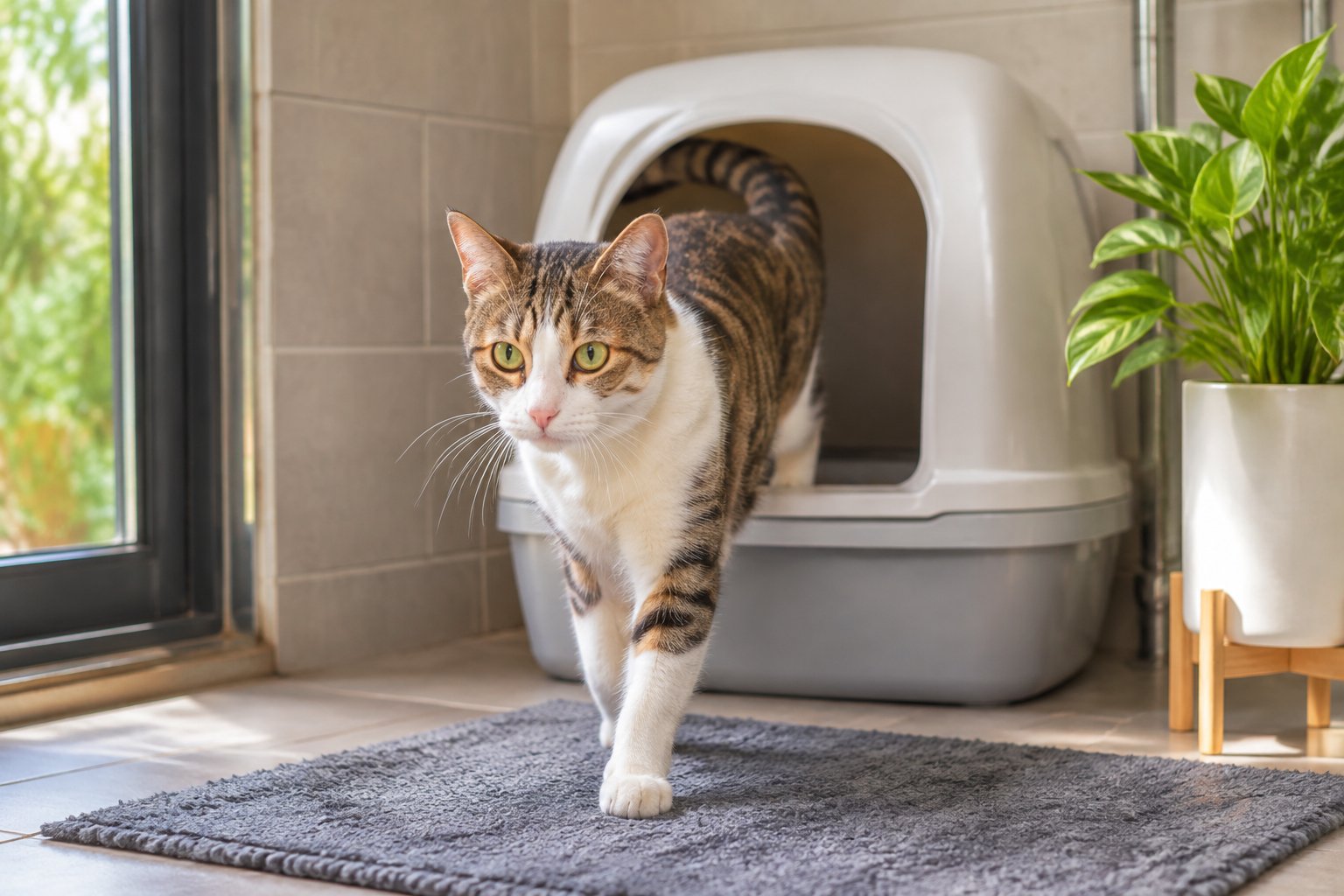
Clumping cat litter is designed to form solid clumps when wet, so you can scoop urine and faeces out daily and leave the rest of the litter in the box. The best clumping litter for your cat is the one that clumps firmly, controls odour, produces little dust, and that your cat is willing to use. In Malaysia's humid climate, moisture control and daily scooping matter as much as the litter brand.
What makes a litter "clumping"?
Clumping litters contain materials that absorb liquid and bind together. The most common is sodium bentonite clay, which swells when wet and forms hard clumps. Other clumping litters use plant fibres such as tofu, corn, wheat, or pine, often with a binder to help clumps hold together.
A good clump should stay intact when you scoop it. If it crumbles or sticks to the box, the litter is either low quality, too shallow, or overdue for a change.
Types of clumping litter compared
| Litter type | Clumping strength | Dust | Odour control | Tracking | Notes for Malaysian homes |
|---|---|---|---|---|---|
| Clay (bentonite) | Strong | Moderate to high | Good | Moderate | Widely available; choose low-dust versions; heavy to carry |
| Tofu (soy fibre) | Moderate | Low | Moderate | Low to moderate | Lightweight; some cats like texture; can be pricier |
| Pine (pellet or crumble) | Moderate (if clumping) | Low | Good | Low | Smells natural; some cats dislike pellets; check label for clumping |
| Corn | Moderate | Low to moderate | Moderate | Moderate | Plant-based; watch for mould in humid storage |
| Wheat | Moderate | Low | Moderate | Moderate | Biodegradable; may attract pests if stored poorly |
| Paper (non-clumping) | None | Low | Fair | Low | Not clumping; useful for kittens or post-surgery |
| Crystal (silica) | None (or weak) | Low | Good | Low | Not clumping; different maintenance routine |
This table is a general guide. Product performance varies by brand and batch, so read labels and reviews, and buy small bags first.
How to choose clumping litter: a practical checklist
Use this checklist when comparing products in a Malaysian pet shop or online:
- Clumping strength: Look for litters described as forming hard clumps. Reviews that mention "mushy" or "crumbly" clumps are a warning.
- Dust levels: Dust is a common complaint. Low-dust litters are better for indoor apartments and for cats with sensitive airways. Pour litter slowly and close to the box to reduce dust.
- Odour control: Odour control comes from the litter material, added ingredients, and your scooping routine. No litter replaces daily scooping.
- Tracking: Fine litter sticks to paws and spreads around the house. Mats and a high-sided box help. Tofu and pine pellets tend to track less than fine clay.
- Weight and handling: Clay is heavy. If you live in a walk-up apartment or have mobility issues, a lighter litter may be easier to manage.
- Scent: Choose unscented litter if your cat is sensitive or if you have allergies. Strong perfumes can deter cats.
- Price per month: Compare cost per kilogram and how often you change the litter. Cheap litter that needs frequent full changes may cost more overall.
- Availability: Pick a litter you can buy consistently. Sudden changes in litter can upset cats.
- Storage: In humid Malaysian weather, store litter in a sealed container in a dry place. Moisture ruins clumping performance.
Clumping litter and Malaysian humidity
Malaysia's warm, humid climate affects litter performance. Litter can absorb moisture from the air, clumps can soften, and odour can develop faster. To manage this:
- Keep litter in an airtight container, not in the bag it came in.
- Scoop at least once a day, twice if you have multiple cats.
- Use a litter box with good ventilation but not in a damp, poorly ventilated corner.
- Avoid placing the box near a shower or open window where rain can blow in.
- Do a full litter change and wash the box more often during rainy seasons.
- Consider a dehumidifier in the room if humidity is very high, but never place it where the cat can knock it over.
In a Kuala Lumpur apartment, humidity and limited space mean odour control is critical. A covered box with a low-dust clumping litter and daily scooping works well for many owners, but some cats prefer open boxes. In a Johor terrace house, litter may be kept in a utility area or car porch; ensure it stays dry and away from direct sun and rain.
Litter box setup for clumping litter
Clumping litter works best with the right box and depth:
- Box size: The box should be about 1.5 times the length of your cat, excluding the tail. Many commercial boxes are too small.
- Depth: Fill with 7–10 cm of litter. Too little litter leads to sticky clumps; too much can be wasteful.
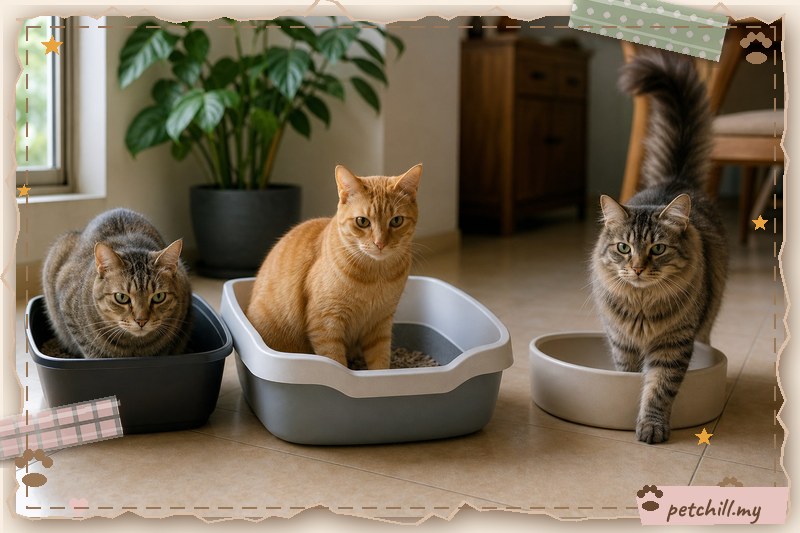
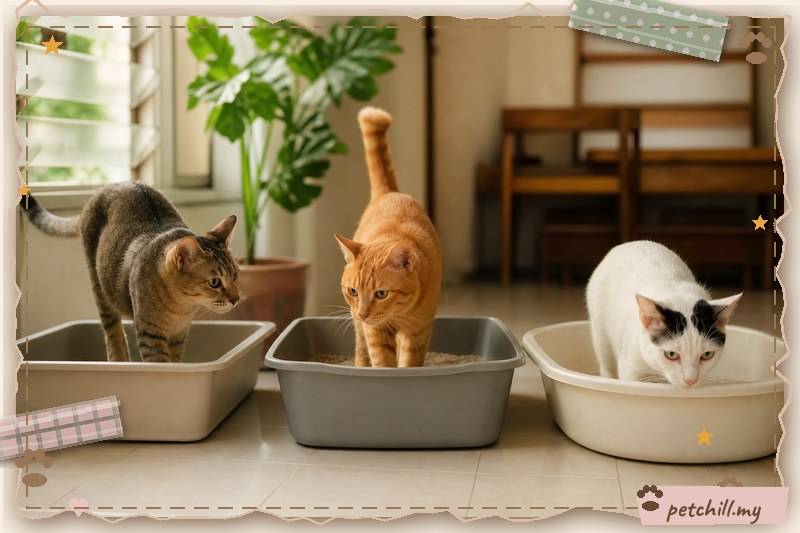
- Number of boxes: One box per cat plus one extra is a common guideline. In multi-cat homes, this reduces stress and spraying.
- Location: Quiet, accessible, away from food and water. Avoid noisy appliances.
- Liner: Liners can make cleaning easier but some cats dislike them. If you use one, ensure it is secure.
- Scoop: Use a sturdy metal or plastic scoop with slots. Scoop daily and dispose of waste in a sealed bag.
Safety and health considerations
Clumping litter is generally safe for healthy adult cats, but there are important exceptions:
- Kittens: Kittens under about 8 weeks old, or any kitten that eats litter, should not use clumping litter. Swallowed clumps can cause intestinal blockage. Use non-clumping litter until your vet says otherwise.
- Cats that eat litter: Some cats, especially those with anaemia or other health issues, eat litter. Avoid clumping litter for these cats.
- Respiratory sensitivity: Dusty litter can irritate airways. Choose low-dust litter and keep the box area ventilated.
- Post-surgery or cone: Your vet may recommend non-clumping or paper litter to avoid clumps sticking to wounds or being ingested.
- Pregnancy: Pregnant women should avoid handling used cat litter due to toxoplasmosis risk. If unavoidable, wear gloves and wash hands, or ask someone else to scoop.
Always consult your veterinarian for advice specific to your cat.
How to switch to a new clumping litter
Cats are creatures of habit. A sudden change can cause stress, avoidance, or accidents outside the box. Switch gradually:
- Start by mixing about 25% new litter with 75% old litter.
- Over 7–10 days, increase the new litter proportion.
- Keep the box in the same place and maintain your scooping routine.
- If your cat avoids the box, slow down or go back a step.
- Once fully switched, monitor for changes in urination or defecation.
If you must switch suddenly (for example, due to a recall or allergy), mix as much as possible and offer an extra box with the old litter during the transition.
Common mistakes to avoid
- Not scooping daily: Clumping litter only works if you remove clumps. Twice a day is better.
- Using too little litter: Shallow litter leads to sticky messes and odour.
- Choosing scented litter for a sensitive cat: Unscented is often safer.
- Storing litter in a humid place: Moisture ruins clumping.
- Flushing litter: Clumping litter can clog pipes. Bin it.
- Ignoring changes in litter box habits: A cat that stops using the box may have a medical problem. See a vet.
When to see a vet
Contact a veterinarian if you notice any of the following:
- Your cat strains to urinate, cries while urinating, or produces little or no urine. This can be a life-threatening emergency, especially in male cats.
- Blood in the urine or faeces.
- Your cat avoids the litter box suddenly or eliminates in unusual places.
- Diarrhoea or constipation lasting more than a day or two.
- Your cat eats litter.
- Sneezing, coughing, or eye irritation that may be linked to dust.
- Any change in appetite, thirst, or behaviour.
These signs can indicate medical conditions that need prompt attention. Do not wait to see if they resolve on their own.
Frequently asked questions
What is the best clumping cat litter for Malaysian homes? There is no single best litter. In Malaysia's humid climate, choose a clumping litter that controls moisture and odour well, such as a quality clay or tofu litter, and scoop daily. Consider dust, tracking and your cat's preference.
Is clumping litter safe for kittens? Clumping litter is generally not recommended for kittens under about 8 weeks or any cat that eats litter, because swallowed clumps can cause blockage. Use a non-clumping litter until your kitten reliably uses the tray without eating litter, and ask your vet.
How often should I scoop clumping litter? Scoop solid waste at least once a day, ideally twice. Remove clumps daily and top up litter. Do a full change and wash the box regularly, more often in humid weather or multi-cat homes.
Why does my clumping litter turn to mush? Litter turns to mush when it absorbs too much urine, is low quality, or is not scooped often enough. Humidity and shallow litter depth also contribute. Use 7–10 cm of litter, scoop daily, and store litter sealed and dry.
Can I flush clumping cat litter down the toilet? No. Clumping litter can clog pipes and is not designed for toilets. Even litters labelled flushable may not be safe for Malaysian plumbing. Bag and bin used litter instead.
How do I switch my cat to a new clumping litter? Mix the new litter with the old one, starting with about 25% new. Increase the proportion over 7–10 days. If your cat avoids the box or eliminates elsewhere, slow down or revert to the old litter.
Disclaimer
This article provides general information only and is not a substitute for veterinary advice. Always consult a licensed veterinarian for health concerns about your cat. Product availability and prices vary; check with local retailers and your vet for recommendations suited to your cat.

