
The short answer
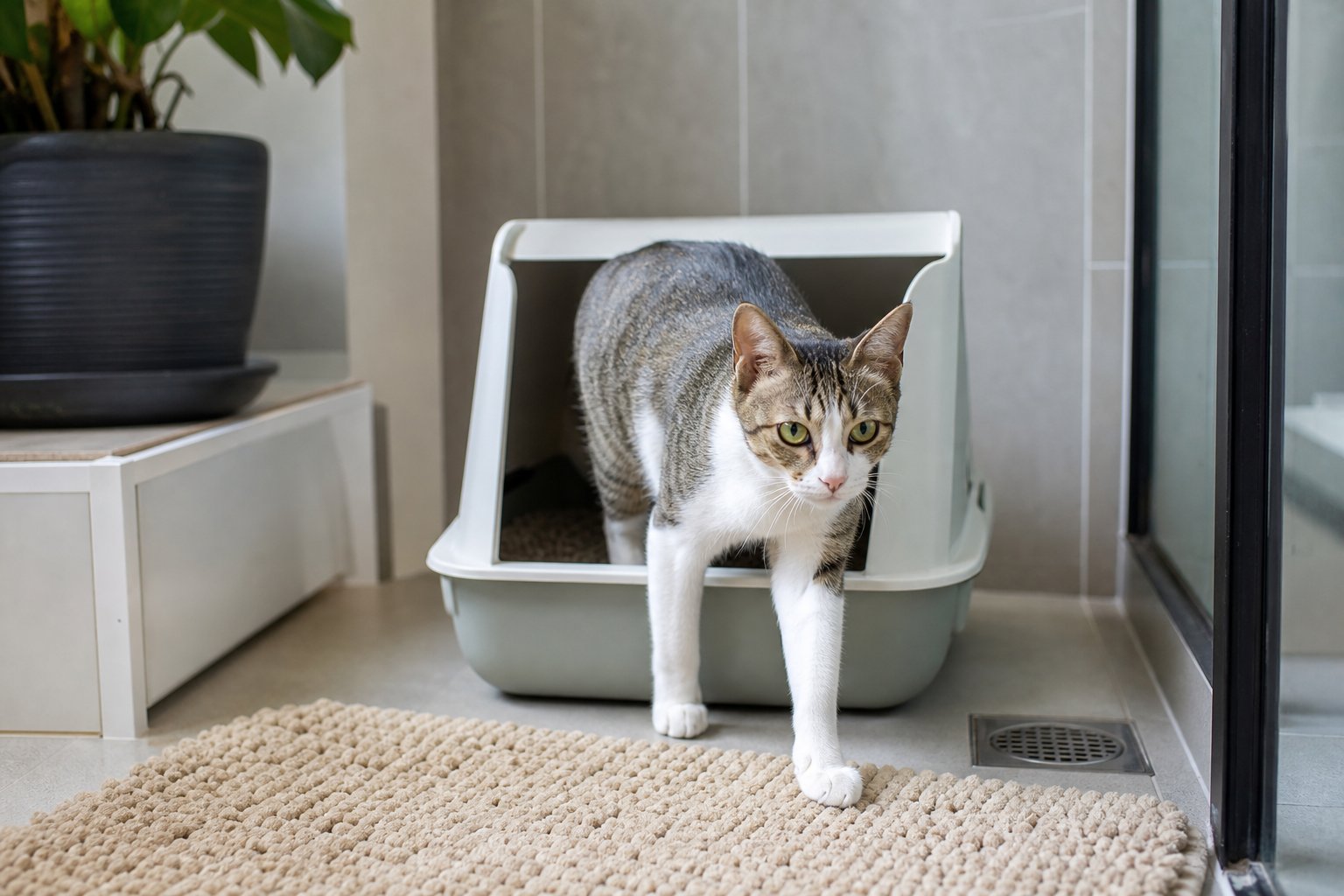
Paper cat litter is a sensible pick if you want low dust, a light bag to carry and easy tray clean-up. It is not the strongest odour blocker, and most paper litters do not clump, so it rewards owners who scoop daily and change the tray often. In Malaysia's warm, humid homes, that routine matters more than the brand on the bag.
What paper cat litter actually is
Paper litter is made from recycled paper, usually pressed into pellets or shredded into soft crumbles. Pellets are firm and hold their shape until wet, then break down into pulp. Crumble or granular paper litter looks more like conventional litter and feels softer under paw.
Neither type works like bentonite clay. Clay swells and traps urine in a scoopable ball. Paper absorbs and spreads moisture through the bed, which is why the whole tray eventually needs replacing rather than spot-scooping wet patches.
That single difference drives most of the buying decision. If you love scooping neat urine clumps, paper will feel like extra work. If you want a low-dust tray and do not mind regular full changes, paper is comfortable and clean.
Paper vs other common litter types
| Litter type | Clumping | Dust | Odour control | Weight | Notes for Malaysian homes |
|---|---|---|---|---|---|
| Paper pellet | No | Very low | Moderate | Light | Breaks down to pulp; good for dust-sensitive cats |
| Paper crumble | No | Low | Moderate | Light | Softer on paws; can track more than pellets |
| Bentonite clay | Yes | Moderate to high | Strong | Heavy | Clumps well but dusty and heavy to carry |
| Tofu | Yes | Low | Good | Medium | Clumps; some cats eat it, so monitor |
| Pine pellet | No | Low | Moderate to strong | Light | Strong natural scent; not all cats accept it |
| Silica gel | No | Low | Strong | Light | Hard beads; some cats dislike the texture |
Use the table as a starting point, not a verdict. The best litter is the one your cat will actually use. A premium litter in an ignored tray is worse than a simple litter in a clean tray.
Why paper litter suits many Malaysian homes
Low dust. Dust matters in apartments and small rooms where the tray sits near living space. Paper litter produces very little airborne dust compared with fine clay, which helps households with sensitive noses or asthma.
Light to carry. A big bag of clay is heavy. Paper litter is much lighter, which is practical if you live in a walk-up flat, carry shopping up stairs or order litter online and haul it inside yourself.
Easy to see and clean. Pale paper litter makes it easy to spot solids. You can see what needs scooping at a glance, which encourages daily cleaning.
Gentle on paws. Soft crumble paper is kind to senior cats, kittens and cats with sensitive paw pads, though pellets can feel odd to a cat used to fine sand.
Simple disposal. Used paper litter can go in the rubbish bin in a sealed bag. Check your local waste collection rules and never flush litter down the toilet, as it can block pipes.
Where paper litter falls short
Odour control is moderate. Paper absorbs liquid but does not neutralise smell the way some clay and tofu litters do. In a warm Malaysian flat, a tray left too long will smell. Daily scooping, stirring and frequent full changes are not optional.
No clumping. You cannot lift out a neat urine ball. The litter bed gets damp and must be replaced more often. Budget for more frequent full changes than you would with a clumping litter.
Tracking. Light paper crumbles can stick to paws and scatter outside the tray. A textured mat at the tray entrance helps.
Cat preference. Some cats love soft litter; others dislike the texture of pellets, especially cats used to fine clay. Transition slowly.
How to choose a paper litter: a checklist
- Pick a form your cat will accept. Pellets suit cats that dig lightly and owners who want less tracking. Crumble suits cats that like a softer bed.
- Check for added fragrance. Cats have sensitive noses. Unscented or lightly scented options are usually safer.
- Read the bag for absorbency claims, not just weight. Compare cost per litre, not cost per bag, because bag sizes vary.
- Look at dust when you pour. A quick pour at home shows how much dust rises. Very dusty paper litter defeats the purpose.
- Check pellet size. Very large pellets can be uncomfortable for small paws; very fine crumble tracks more.
- Buy a small bag first. Test acceptance before committing to a bulk pack.
- Confirm local availability. Ask Malaysian pet shops and online sellers what they stock regularly so you are not stuck mid-month.
- Store it dry. Keep spare litter sealed in a dry cupboard; humidity can soften pellets before use.
Setting up the tray properly
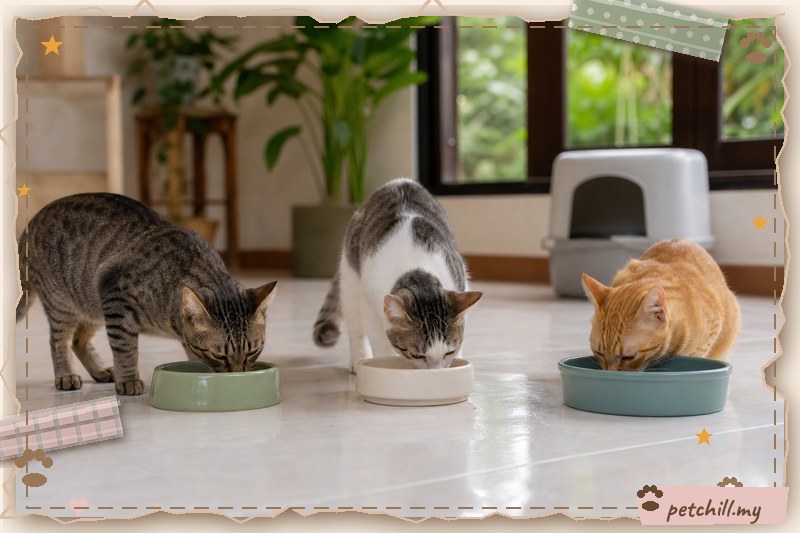
Litter choice is only half the job. The tray, its position and your cleaning routine decide whether your cat uses it happily.
- Size: the tray should be about one and a half times your cat's body length, with low sides for kittens and seniors.
- Depth: fill with about three to five centimetres of paper litter. Too little feels unstable; too much wastes litter.
- Number: one tray per cat plus one spare is the usual rule. In a Kuala Lumpur apartment, two trays in different corners beat one tray in a busy hallway.
- Position: quiet, away from food and water, not next to a noisy washing machine or a door that bangs.
- Cleaning: scoop solids at least once daily, stir the bed to spread moisture, and do a full change when the litter stays damp or smells.
- Washing: empty the tray fully, wash with mild unscented soap, rinse well and dry before refilling. Residual perfume can put cats off.
Paper litter in Malaysia's humidity
Warm, damp air is hard on any litter. Paper absorbs moisture from the air as well as from the cat, so it can soften, clump into mush or develop a sour smell faster than in a dry climate.
Practical habits that help:
- Keep the tray in a ventilated spot, not a sealed cupboard.
- Store spare bags sealed and off the floor, away from bathroom steam.
- Change the full tray more often during the rainy season, when indoor humidity climbs.
- Wipe condensation from the tray base before refilling.
- If the tray smells within a day or two of a full change, increase change frequency or add a second tray.
A Johor terrace house with good cross-ventilation may dry trays faster than a closed Penang apartment during the rainy season. Adjust your routine to your home, not to a fixed calendar.
Helping your cat switch to paper litter
Cats are conservative about their toilet. A sudden swap can lead to accidents outside the tray.
- Start with a mix: about one quarter paper litter to three quarters of the old litter.
- Add more paper every few days if your cat keeps using the tray.
- Keep the tray in the same place and keep the routine the same.
- If your cat avoids the tray, pauses at the edge, or toilets nearby, slow down and go back a step.
- Never punish accidents. Clean them with an enzymatic cleaner and review the setup.
Some cats accept paper litter within days. Others take weeks, and a few never take to pellets. If your cat refuses, try paper crumble before giving up on paper entirely.
Cost and value: how to compare fairly
Paper litter prices vary by brand, bag size and retailer, so there is no single figure to quote. Compare properly:
- Cost per litre, not per bag. A large bag may be cheaper per litre or not.
- Changes per month. Non-clumping litter usually needs more full changes, so a cheaper bag can cost more over a month.
- Delivery and weight. Light paper litter is easier to carry, but delivery charges still apply.
- Tray size. A large tray uses more litter per change; a smaller tray needs more frequent changes.
Ask Malaysian pet shops, online sellers and your vet clinic which brands they stock consistently, and check current pricing locally rather than relying on overseas comparisons.
Common mistakes to avoid
- Letting the tray get damp and sour. Paper litter hides urine less well than clumping litter; change it before it smells.
- Using a deep layer to mask smell. More litter does not fix a dirty tray; it just wastes product.
- Choosing heavily scented paper litter. Fragrance can deter cats and irritate sensitive noses.
- Skipping the transition. Sudden changes cause accidents.
- Ignoring a cat that avoids the tray. Avoidance can be preference, stress or pain; do not assume it is behavioural only.
- Flushing litter. Bin it instead.
When to see a vet
Litter problems are sometimes health problems. Book a vet visit if your cat:
- urinates outside the tray, especially on cool surfaces such as tiles or in the bath
- strains, cries or produces only small amounts of urine
- urinates more often or drinks much more than usual
- has blood in the urine or licks the genital area constantly
- passes hard, dry stools or strains to defecate
- suddenly refuses the tray after a litter change and also seems unwell
- eats litter repeatedly
Urinary blockage, especially in male cats, is an emergency. If your cat is straining and producing little or no urine, seek veterinary care immediately rather than waiting.
A simple weekly routine
| Task | Frequency |
|---|---|
| Scoop solids | At least once daily |
| Stir the litter bed | Daily |
| Top up litter level | As needed |
| Full change and tray wash | Every three to seven days for one cat, more often for multiple cats or humid spells |
| Check spare litter storage | Weekly |
| Review tray position and number | Monthly |
Bottom line
Paper cat litter is a good fit for Malaysian homes that value low dust, light bags and easy cleaning, and that are willing to scoop daily and change the tray often. Choose pellet or crumble based on your cat's paw preference, buy a small bag first, transition slowly, and store spare litter dry. If your cat avoids the tray or shows urinary signs, treat it as a health question and see a vet.
This article is general information, not veterinary advice. Litter choice, diet and urinary health should be discussed with a licensed veterinarian who has examined your cat.
Related reading
- Cat Litter Guide Malaysia 2026: Types, Costs and How to Choose
- Best Pine Cat Litter for Cats in Malaysia: A Practical Buying Guide
- Best Scented Cat Litter for Cats in Malaysia: A Practical Buying Guide
- Crystal Cat Litter for Cats: Pros and Cons Every Malaysian Owner Should Know
- How to Use a Covered Litter Box for Cats: A Complete Guide for Malaysian Homes
- Litter Box for Cats: Pros and Cons Every Malaysian Owner Should Know
- Pine Cat Litter for Cats: Pros and Cons Every Malaysian Owner Should Know
- Scented Cat Litter Buying Guide for Cat Owners in Malaysia

