
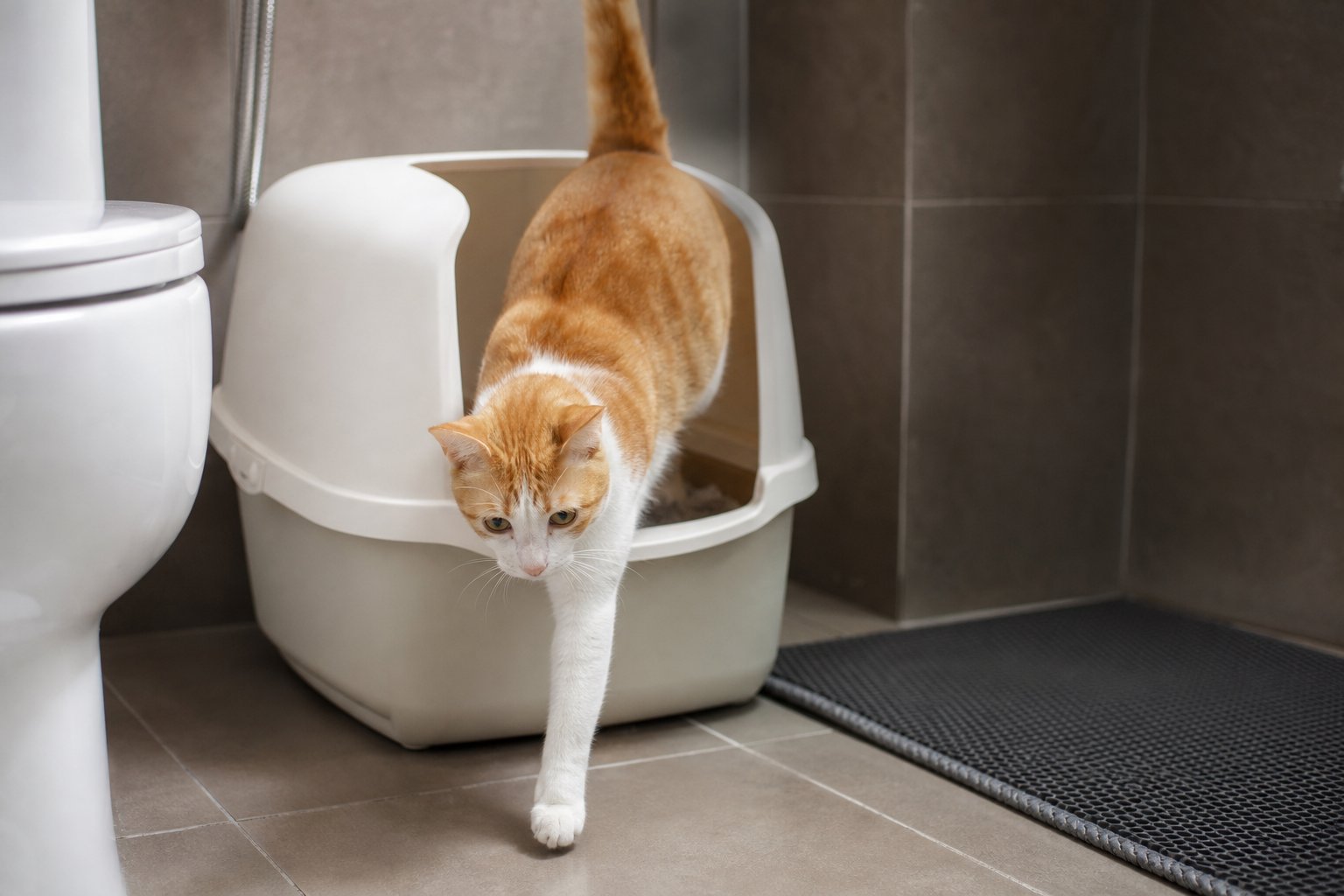
Pine cat litter has become a popular choice for Malaysian cat owners who want a natural, low-tracking option with good odour control. But walk into any pet shop or scroll through an online marketplace and you'll find pine litter in many forms: pellets, clumping, non-clumping, scented, unscented, and bags that claim to be "dust-free." This guide cuts through the marketing so you can choose the right pine litter for your cat and your home.
Why choose pine litter?
Pine litter is made from pine wood, usually as a by-product of the timber industry. It is biodegradable and renewable, which appeals to eco-conscious owners. Pine naturally absorbs moisture and has a fresh, woody scent that helps mask odours without artificial perfumes. Many cats take to pine litter quickly, especially if it is introduced gradually.
For Malaysian homes, pine litter has another advantage: it tends to track less than fine clay or sand litters. In apartments and terrace houses where the litter box may be near living areas, less tracking means less sweeping. Pine pellets are also less likely to stick to paws and spread through the house.
However, not all pine litters are the same. The quality of the wood, the drying process, and any additives can affect safety, dust, and performance. Understanding these differences is key to buying wisely.
Types of pine cat litter
Pine litter generally comes in two main forms: pellets and clumping. Within each, you'll find variations in dust level, scent, and pellet size.
Pine pellets
Pine pellets are small, cylindrical pieces of compressed pine sawdust. They are usually non-clumping. When a cat urinates, the pellet absorbs liquid and breaks down into sawdust, which then falls to the bottom of the box. Solid waste sits on top and is easy to scoop. Pellets are often more economical because you can stir the box to mix wet sawdust and top up with fresh pellets. They are also low-tracking.
Some cats dislike the texture of pellets under their paws, especially if they are used to fine clumping litter. A gradual transition helps. Pellet size matters: smaller pellets may be more comfortable for sensitive paws, while larger pellets last longer but can feel chunky.
Clumping pine litter
Clumping pine litter is made from finely ground pine that clumps when wet, similar to clumping clay. It offers the convenience of scooping urine clumps, which many owners prefer. Clumping pine is often more expensive than pellets, but it can last longer because you remove only the soiled parts. Dust levels vary; some brands are quite dusty, so look for low-dust formulas.
Clumping pine may be a better fit for cats that are picky about texture, as it is closer to traditional clumping litter. However, clumping pine can track more than pellets because the particles are finer.
Scented vs unscented
Pine litter naturally has a mild pine scent. Some brands add extra fragrance to appeal to humans, but cats have sensitive noses. Strong perfumes can deter cats from using the box or cause respiratory irritation. Unscented or naturally scented pine is usually the safer choice, especially for cats with asthma or allergies.
What to look for when buying pine litter
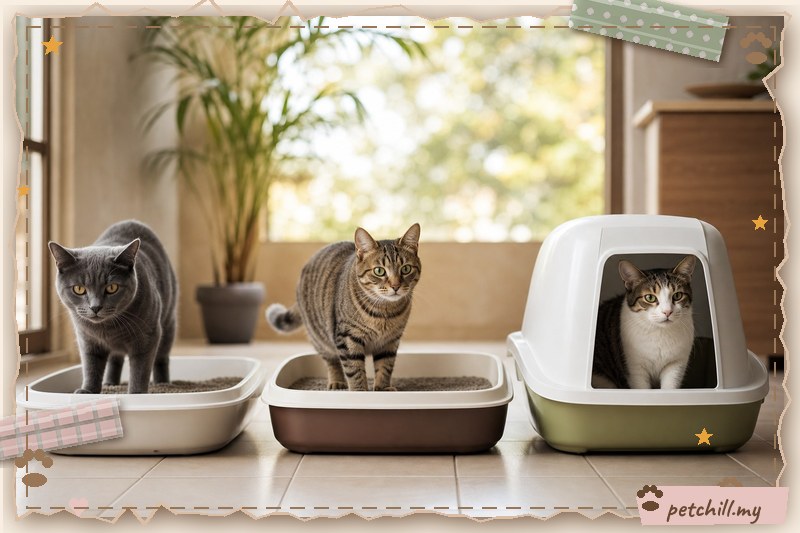
When you shop for pine litter in Malaysia, keep these factors in mind:
- Kiln-dried: Kiln-dried pine has been heated to remove moisture and volatile oils. This makes it safer and more absorbent. Avoid litter that smells strongly of fresh pine or feels damp.
- Low dust: Dust is a common complaint with pine litter. Shake the bag gently; if a lot of dust puffs out, it may be problematic. Low-dust options are better for cats with respiratory issues and for indoor air quality.
- Particle size: Smaller particles clump better and are softer on paws; larger pellets last longer and track less. Consider your cat's preference.
- Additives: Check the ingredient list. Some litters include baking soda for odour control, which is generally safe. Avoid litters with artificial perfumes or unknown chemicals.
- Packaging: Resealable bags or bags with handles are convenient. In Malaysia's humid climate, moisture can ruin litter, so proper storage is important.
- Price per kilogram: Compare cost per kg, not just bag price. Clumping litter may seem pricier but can last longer.
Comparison table: pine litter types
| Feature | Pine Pellets (non-clumping) | Clumping Pine Litter |
|---|---|---|
| Clumping ability | No | Yes |
| Scooping | Scoop solids; stir wet sawdust | Scoop solids and urine clumps |
| Dust level | Usually low | Varies; can be dusty |
| Tracking | Low | Moderate |
| Cost | Generally lower per kg | Generally higher per kg |
| Maintenance | Stir and top up; full change less often | Scoop daily; top up as needed |
| Cat acceptance | Some cats dislike pellet texture | Often readily accepted |
| Best for | Budget-conscious, low-tracking households | Owners who want easy scooping |
Safety considerations for pine litter
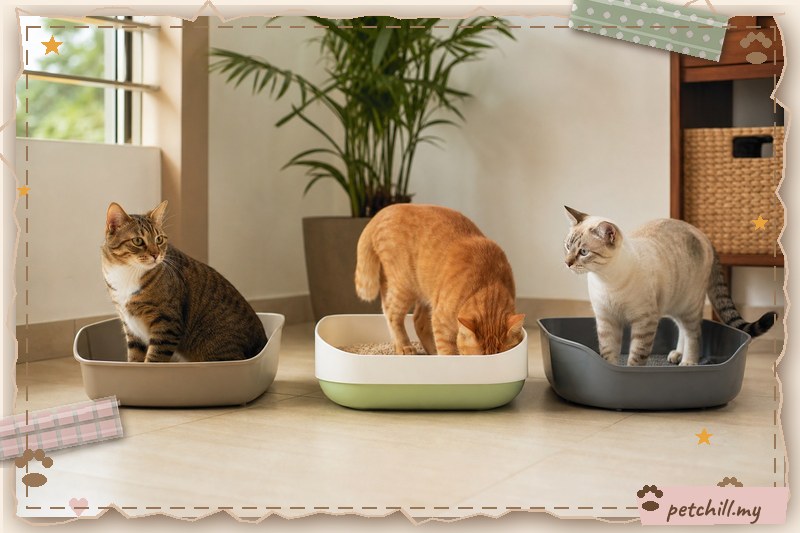
Pine litter is generally safe for cats, but there are a few points to consider.
First, avoid litter made from fresh or green pine, which contains high levels of volatile oils that can be irritating. Kiln-dried pine is processed to reduce these oils. If the litter has a very strong pine smell, it may not be properly dried.
Second, dust can be an issue. Cats with asthma or other respiratory conditions may be sensitive to dusty litter. Choose low-dust pine and keep the litter box area well ventilated. If your cat coughs or sneezes after using the box, talk to your vet.
Third, kittens and pregnant cats may be more sensitive. Kittens sometimes taste litter, so avoid any litter with added chemicals. Pregnant women should avoid handling cat litter due to toxoplasmosis risk, but this applies to all litter types; use gloves and wash hands.
Finally, some cats may be allergic to pine. Watch for signs of skin irritation or respiratory distress and switch to another litter if needed.
How to introduce pine litter to your cat
Cats are creatures of habit. Switching litter suddenly can cause stress and even litter box avoidance. To transition:
- Start by mixing a small amount of pine litter into your cat's current litter.
- Gradually increase the proportion of pine over 1–2 weeks.
- Place the litter box in a quiet, accessible location.
- Keep the box clean; scoop daily.
- If your cat resists, try a different form (e.g., clumping instead of pellets) or mix with a little of the old litter for longer.
Never punish your cat for avoiding the box; instead, investigate whether the litter is uncomfortable or the box is not clean enough.
Managing pine litter in Malaysia's humid climate
Humidity is a real challenge for any litter. Pine litter can absorb moisture from the air, which may reduce its effectiveness and lead to mould if stored improperly. Here's how to manage:
- Store litter in a sealed container or the original resealable bag.
- Keep it in a dry, cool place away from direct sunlight.
- Don't buy more than you can use in a few weeks, unless you have proper storage.
- If litter becomes damp, discard it; damp litter can harbour bacteria and mould.
- In the litter box, humidity can make clumps softer. Scoop daily and change litter more frequently during rainy seasons.
For example, in a Kuala Lumpur apartment, the bathroom or utility area may be humid; consider using a dehumidifier or placing litter in a well-ventilated spot. In a Johor terrace house, the litter box might be near an open window; ensure rain doesn't blow in.
Cost and value
Pine litter prices vary widely in Malaysia depending on brand, form, and package size. Clumping pine tends to cost more per bag, but because you scoop clumps, a bag may last longer. Pellets are often cheaper but may require more frequent full changes. Calculate cost per month based on your cat's usage and your maintenance routine. Ask your local pet shop or online seller for recommendations, and read reviews about dust and clumping performance.
Common mistakes to avoid
- Buying scented litter: Cats may avoid it; unscented is safer.
- Overfilling the box: 5–7 cm of litter is enough; too much wastes litter and can make tracking worse.
- Not cleaning the box: Even the best litter fails if the box is dirty. Scoop at least once daily.
- Sudden switches: Transition gradually.
- Ignoring dust: If you see dust clouds when pouring, consider a different brand.
When to see a vet
If your cat shows any of the following signs, consult a veterinarian:
- Avoiding the litter box or straining to urinate
- Blood in urine
- Frequent sneezing, coughing, or wheezing when using the box
- Skin irritation around paws or belly
- Persistent diarrhoea or constipation
These could indicate underlying health issues, not just litter problems. A vet can rule out medical causes and advise on suitable litter.
Conclusion
Pine cat litter can be an excellent choice for Malaysian cat owners seeking a natural, low-tracking, and odour-controlling option. By choosing kiln-dried, low-dust pine litter and matching the form to your cat's preference, you can create a comfortable toilet area. Always introduce new litter gradually, store it properly in the humidity, and monitor your cat's response. With a little care, pine litter can be a practical and eco-friendly addition to your cat care routine.
Disclaimer: This article is for general information only and is not a substitute for veterinary advice. Always consult a licensed veterinarian for health concerns about your cat.

