
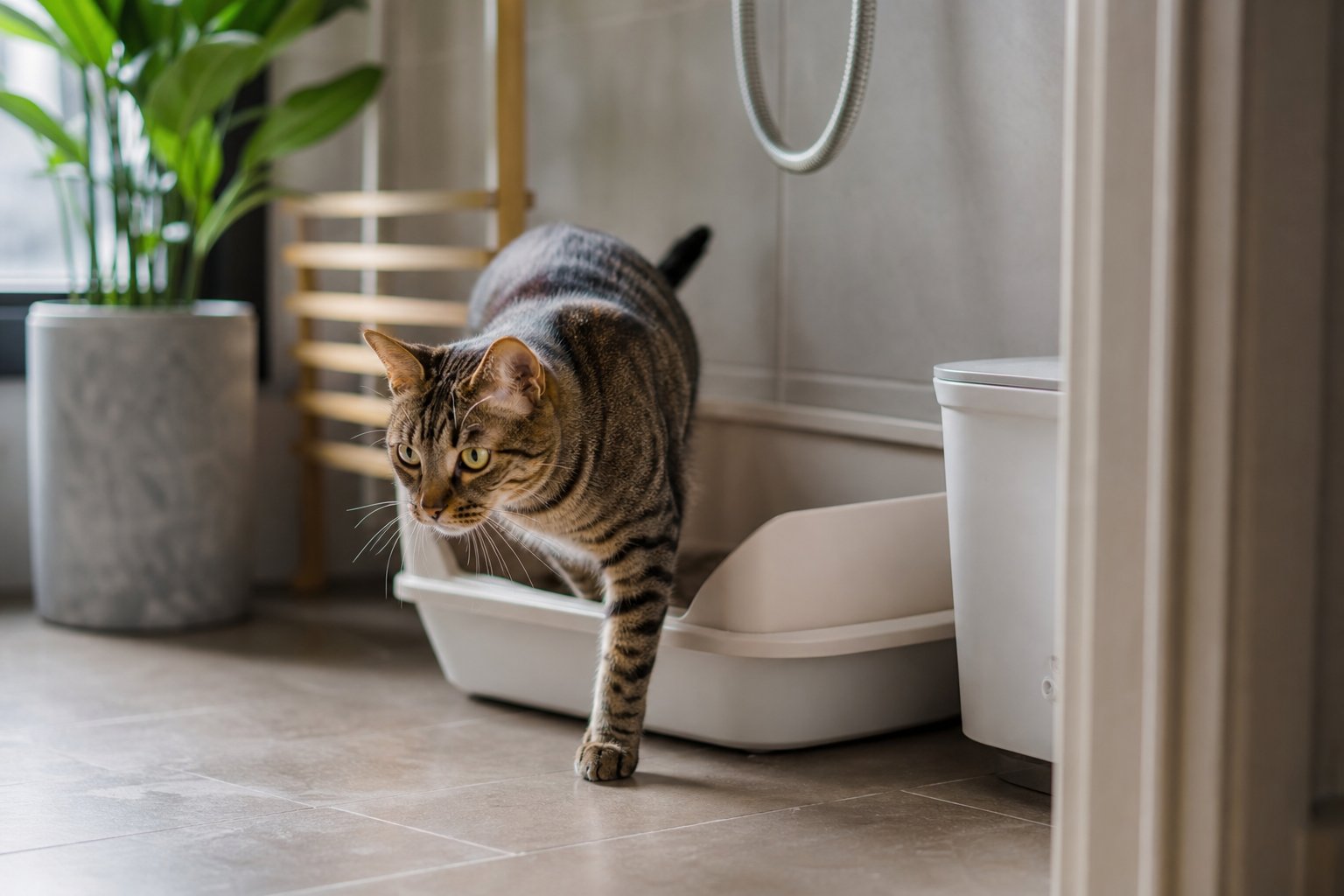
What is paper cat litter and who is it for?
Paper cat litter is made from recycled paper, paper pulp, or compressed paper pellets. It is marketed as a low-dust, lightweight alternative to clay and crystal litters. For Malaysian cat owners, the main appeal is usually dust control in apartments, easier handling, and a softer texture under paw.
It is not automatically the best litter for every cat. Some cats prefer fine clumping clay, and paper litter can be less effective at odour control in humid conditions. This guide walks through the practical buying decisions: pellet vs recycled-paper, clumping vs non-clumping, absorbency, tracking, odour, cost, and switching.
Types of paper cat litter
Paper litter comes in two broad forms.
Paper pellets. These are compressed cylinders, often made from recycled paper. They are low-tracking and low-dust. When wet, pellets break down into a sawdust-like texture. They are usually non-clumping, so you scoop solids and stir the litter.
Recycled-paper granules or flakes. These are softer and more absorbent. Some brands offer clumping versions. They can track more than pellets but may be more comfortable for cats that dislike hard pellets.
Some products blend paper with other materials such as wood or plant fibres. Read the label to confirm the main material if your cat has allergies or you want a specific texture.
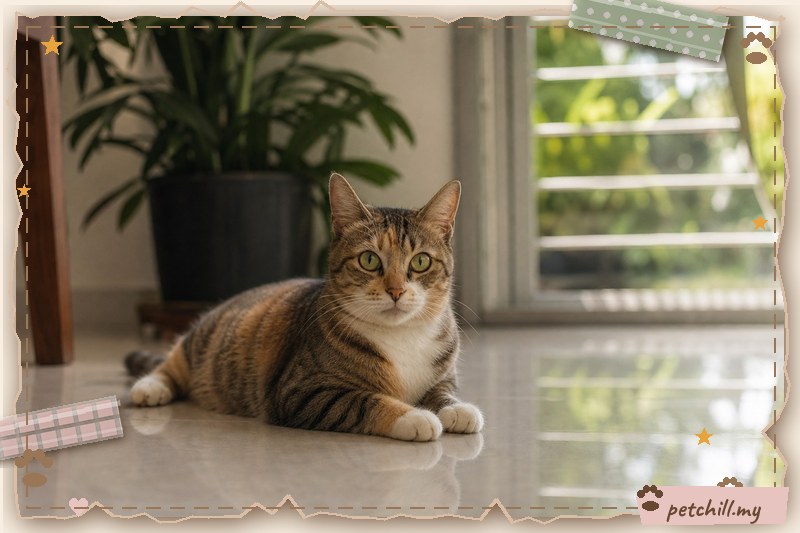
Key buying factors for Malaysian homes
Dust and respiratory comfort
Dust is a common reason people switch to paper litter. Paper pellets generally produce less dust than fine clay. This matters in apartments with limited ventilation and for cats with sensitive airways. No litter is completely dust-free; look for products labelled low-dust and avoid overly fragranced options.
Absorbency and humidity
Malaysia's humidity affects litter performance. Paper litter absorbs liquid, but non-clumping paper can stay damp longer than clumping clay. In a humid apartment, you may need to change the litter more often. Pellet litters tend to dry faster on the surface but break down when wet.
Odour control
Paper litter is not the strongest odour controller. It works best with daily scooping and regular full changes. Some brands add baking soda or odour-control agents. Avoid strong fragrances if your cat has respiratory sensitivities. In a small apartment, pair paper litter with a covered box and good ventilation, but never place the box in a sealed cupboard.
Tracking
Pellets track less than fine litter, but they can be kicked out of the box. A high-sided box and a litter mat reduce mess. Recycled-paper flakes track more, similar to fine clay.
Clumping vs non-clumping
Most paper litters are non-clumping. Non-clumping litter requires you to remove solids daily and change the whole tray more often. Clumping paper litter is available but less common. If you prefer clumping, check the label carefully and test with your cat.
Weight and handling
Paper litter is lighter than clay, which makes carrying bags easier. However, lightweight litter can be kicked around more. Consider a heavier ceramic or high-sided box to keep it contained.
Cost
Paper litter prices vary by brand, bag size, and whether it is clumping. It is often priced in the mid-range compared with clay and crystal litters. Local prices vary, so ask a Malaysian pet retailer or vet for current options. Do not assume paper is cheaper; compare cost per litre or per kilogram and how often you need to change it.
Comparison table
| Feature | Paper pellets | Recycled-paper flakes | Clumping clay (reference) |
|---|---|---|---|
| Dust | Low | Low to moderate | Moderate to high |
| Tracking | Low | Moderate | Moderate |
| Clumping | Usually no | Some yes | Yes |
| Odour control | Moderate | Moderate | Moderate to high |
| Absorbency | Good | Good | High |
| Weight | Light | Light | Heavy |
| Change frequency | Every 3–7 days | Every 3–7 days | Scoop daily; full change less often |
| Best for | Low-dust homes, apartments | Cats preferring softer texture | Strong odour control |
How to choose the right paper litter
Start with your cat's preferences. Cats are individuals; some like pellets, others refuse them. If your cat is used to fine clay, a sudden switch to pellets may cause avoidance.
Consider your home. In a Kuala Lumpur apartment with limited ventilation, low-dust paper litter can reduce airborne particles. In a Johor terrace house with more airflow, odour may be less of an issue, but humidity still matters.
Check the label for:
- Main material (recycled paper, paper pulp, blends)
- Clumping or non-clumping
- Added fragrances or odour control
- Dust claims
- Bag size and cost per litre
Avoid litter with strong perfumes if your cat sneezes or has a history of respiratory issues. If your cat has asthma, discuss litter choices with your vet.
Setting up the litter box
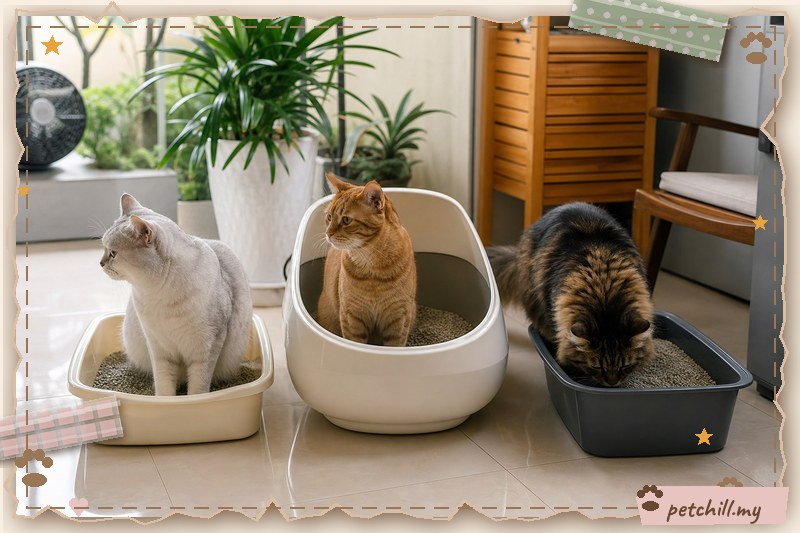
Use a box large enough for your cat to turn around. A high-sided box reduces tracking. Place it away from food and water. In multi-cat homes, provide one box per cat plus one extra.
For paper litter, fill the box 3–5 cm deep. Pellets need enough depth to absorb liquid without sticking to the bottom. Non-clumping paper litter should be stirred daily to distribute moisture.
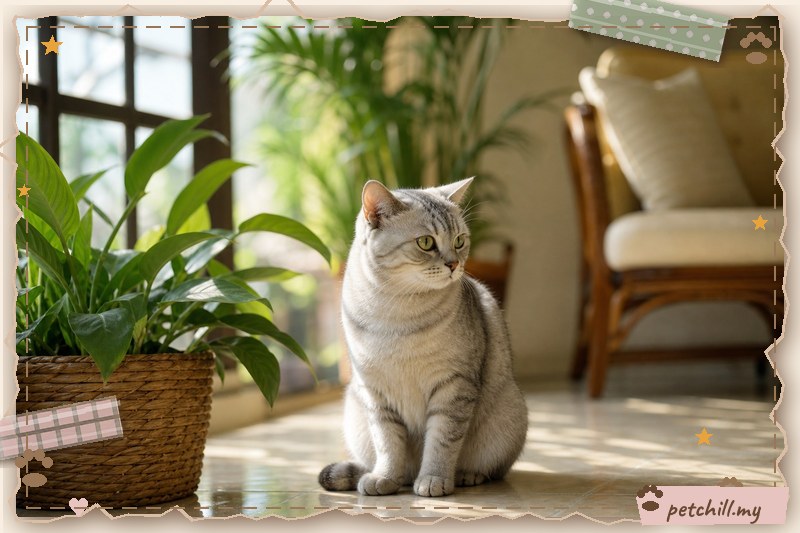
Switching from another litter
Cats are sensitive to change. Switch gradually over 7–10 days:
- Day 1–2: Mix 25% paper litter with 75% old litter.
- Day 3–4: Increase to 50/50.
- Day 5–7: Use 75% paper litter.
- Day 8–10: Use 100% paper litter.
Keep the same box and location. If your cat avoids the box or eliminates outside it, slow down or revert to the old litter for a few days. Never punish your cat for accidents.
Maintenance routine
- Scoop solids at least once daily.
- Stir non-clumping paper litter to distribute moisture.
- Remove wet clumps or broken-down pellets daily.
- Do a full change every 3–7 days for non-clumping paper litter, more often in humid weather or with multiple cats.
- Wash the box with mild soap and water, rinse well, and dry before refilling.
- Avoid harsh disinfectants that can irritate paws and airways.
Common mistakes to avoid
- Switching litter abruptly.
- Using a box that is too small.
- Overfilling the box; paper litter works best at moderate depth.
- Ignoring odour; if the litter smells despite cleaning, change it more often or reassess the litter type.
- Using scented litter to mask poor ventilation.
- Flushing litter unless the label says it is flushable and local rules allow it.
When to see a vet
See a vet if your cat:
- Stops using the litter box suddenly
- Strains to urinate or urinates outside the box
- Has diarrhoea or constipation
- Sneezes or coughs when using the litter
- Eats litter frequently
- Has blood in urine or faeces
Litter box avoidance can signal a medical issue, especially urinary problems in male cats. Do not delay veterinary advice.
Frequently asked questions
Is paper cat litter good for cats? Yes, it is safe and low-dust. It suits cats with dust sensitivities and homes with limited ventilation. However, it may need more frequent changing than clay, and some cats dislike the texture. Introduce it gradually and monitor acceptance.
Does paper cat litter clump? Most paper litters do not clump like clay. Some recycled-paper products form soft clumps, but many are non-clumping and require daily scooping and frequent full changes. Check the label for clumping claims.
How often should I change paper cat litter? Scoop solids daily and stir the litter. For non-clumping paper litter, do a full change every 3–7 days depending on the number of cats and humidity. In Malaysia's humid climate, change more often if odour develops.
Is paper litter safe if my cat eats it? Small amounts of paper litter are generally not toxic, but eating litter can indicate an underlying issue. If your cat frequently eats litter, consult a vet. Avoid litter with added fragrances or inks if your cat is prone to ingestion.
Can paper litter go in the toilet? Do not flush cat litter unless the product label explicitly says it is flushable and local regulations allow it. Cat faeces can carry Toxoplasma, and flushing may harm plumbing. Bag and bin used litter instead.
How do I switch my cat to paper litter? Mix paper litter with the current litter in increasing proportions over 7–10 days. Keep the same box and location. If your cat refuses, slow down or try a different paper litter texture. Never remove the old litter abruptly.
Bottom line
Paper cat litter is a practical low-dust option for Malaysian cat owners, especially in apartments. Choose pellets for low tracking, check absorbency and odour control, and switch gradually. Monitor your cat's acceptance and consult a vet if litter box habits change.
This article provides general information and is not a substitute for veterinary advice. Consult a licensed veterinarian for your cat's specific needs.

