
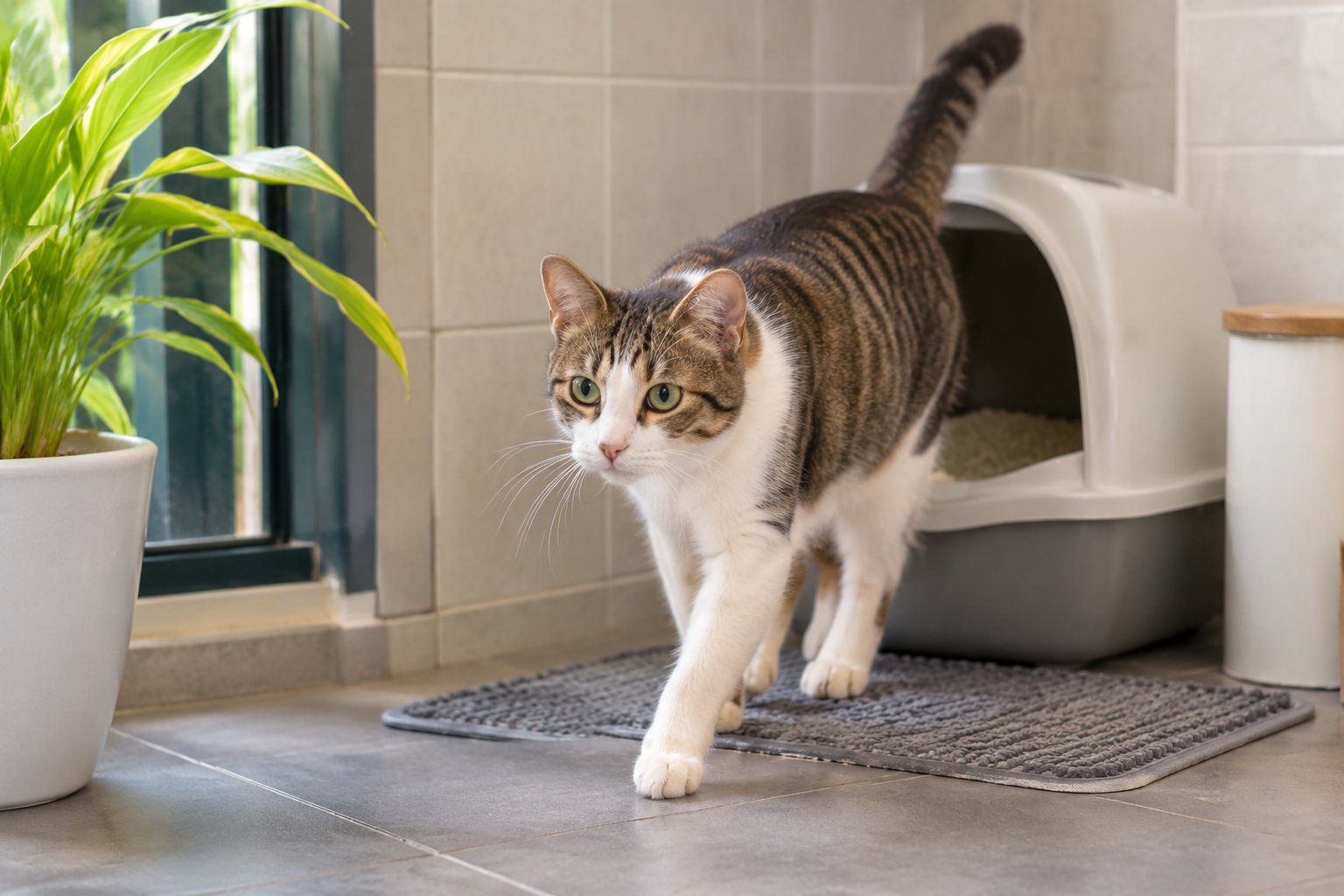
What is pine cat litter and why consider it?
Pine cat litter is made from pine wood, usually as compressed pellets or as a clumping product. Pellets break down into sawdust when wet, while clumping pine behaves more like traditional clay clumping litter. Both are plant-based and biodegradable, which appeals to many Malaysian cat owners who want a lighter, less dusty option.
Pine litter is not a cure for litter box problems, and it is not automatically better for every cat. Some cats dislike the texture of pellets, and some pine products contain added fragrances or essential oils that can irritate sensitive cats. The key is to introduce it properly and watch your cat's response.
How to introduce pine litter to your cat
Cats are creatures of habit. A sudden switch to a new litter can cause refusal, accidents outside the box, or stress. Use a gradual transition over 7–10 days.
Step-by-step transition plan
- Start with a clean box. Wash the litter box with unscented soap and water, then dry it completely. Avoid strong disinfectants that can leave irritating residues.
- Mix a small amount of pine litter with the old litter. Begin with about 25% pine and 75% old litter. Mix it evenly so your cat feels the old texture.
- Increase the ratio every 2–3 days. Move to 50/50, then 75% pine, then 100% pine. If your cat refuses at any stage, stay at the previous ratio for a few more days.
- Keep the box in the same place. Do not move the box during the transition. Cats rely on routine.
- Offer two boxes if possible. One with the old litter and one with pine gives your cat a choice and reduces accidents.
- Praise calm use. Do not punish accidents. Clean them with an enzymatic cleaner to remove odour.
What if my cat refuses pine litter?
Refusal is common with pellets because the texture is unfamiliar. Try a finer pine litter or a clumping pine product. You can also place a thin layer of old litter on top of the pine for a few days. If your cat still refuses after two weeks, consider a different litter type rather than forcing the change.
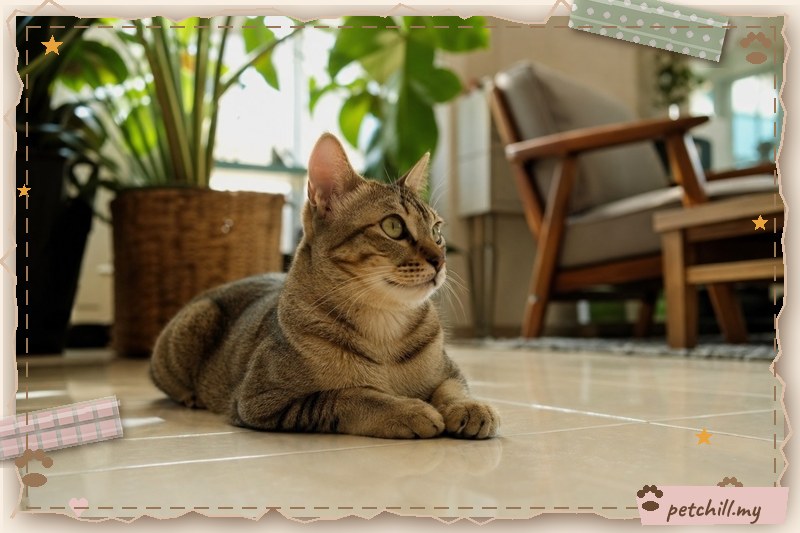
Setting up the litter box correctly
Box size and number
The general rule is one box per cat plus one extra. For a two-cat household, provide three boxes. The box should be about 1.5 times the length of your cat, so your cat can turn around comfortably. Many Malaysian apartments have limited space, so choose a box that fits without blocking walkways.
Litter depth
Fill the box to about 5–7 cm. Pellets can be slightly shallower because they are larger and can be uncomfortable for sensitive paws. Clumping pine can be a little deeper. If your cat digs to the bottom of the box, add a little more litter.
Location
Place the box in a quiet, well-ventilated area away from food and water. Cats prefer privacy but also need an escape route. Avoid placing the box next to noisy appliances or in a damp corner. In a Kuala Lumpur apartment, a bathroom or utility area often works better than a crowded balcony.
Cleaning routine
- Scoop solids daily. Remove faeces and clumps at least once a day, preferably twice.
- Remove wet pellets. Pellets that have broken down into sawdust should be removed promptly, especially in humid weather.
- Stir the litter. For pellets, stir the dry litter to distribute moisture and help it dry.
- Full change. Replace all litter when it looks damp, smells sour, or becomes dusty. In Malaysia's humidity, this may be every 1–2 weeks for pellets.
- Wash the box. Wash with unscented soap and water, then dry fully before refilling.
Managing pine litter in Malaysian humidity
Malaysia's warm, humid climate affects all litter types. Pine pellets can absorb moisture from the air and break down faster than expected. Clumping pine can become sticky or develop mould if stored poorly.
Storage tips
- Keep litter in its original sealed bag or an airtight container.
- Store in a dry area, away from bathroom steam and direct sunlight.
- Do not stockpile large amounts if your home is humid; buy smaller bags that you will use within a few weeks.
- If the litter feels damp or smells musty, discard it.
Odour control
Pine litter has a natural woody scent, but it is not a substitute for cleaning. Odour control depends on:
- Daily scooping.
- Good ventilation.
- Prompt removal of wet litter.
- Washing the box regularly.
- Avoiding added fragrances, which can irritate cats.
In a Penang rainy season, when indoor humidity is high, you may need to change the litter more often and check for damp patches.
Pine litter vs other litter types
| Feature | Pine pellets | Clumping pine | Clay clumping |
|---|---|---|---|
| Texture | Large pellets, may feel rough | Fine, similar to clay | Fine, sandy |
| Clumping | No clumping; breaks into sawdust | Clumps | Clumps |
| Dust | Low dust | Low to moderate dust | Moderate to high dust |
| Odour control | Good if wet litter removed | Good | Good |
| Biodegradable | Yes | Yes | No |
| Cost | Varies; ask local retailers | Varies; ask local retailers | Varies; ask local retailers |
| Best for | Cats that accept pellets; low-dust needs | Cats that prefer fine litter | Cats that prefer fine litter |
Prices vary by brand and retailer in Malaysia. Ask a local pet shop or your vet for current options rather than relying on online conversions.
Common problems and how to solve them
Cat avoids the box
- Check box cleanliness.
- Try a different pine texture.
- Move the box to a quieter spot.
- Ensure the box is large enough.
- Rule out pain or illness with a vet.
Litter tracks around the house
Pellets can be tracked, especially on smooth floors. Use a litter mat with a textured surface, and place it at the box entrance. In a Johor terrace house, a mat at the bathroom door can reduce mess.
Dust
Pine litter is generally low dust, but some products produce sawdust. Pour litter gently and avoid shaking the box vigorously. If dust bothers you or your cat, try a different brand or a pellet with less breakage.
Cat eats litter
A small taste is usually harmless, but repeated litter eating can indicate anaemia, mineral deficiency, or gastrointestinal disease. Pine litter can swell if swallowed in quantity. See a vet if your cat eats litter often.
When to see a vet
Contact a veterinarian if you notice any of the following:
- Your cat stops using the litter box suddenly.
- Straining to urinate, crying in the box, or passing small amounts of urine.
- Blood in urine or faeces.
- Repeated litter eating.
- Sneezing, eye discharge, or itchy skin after switching litter.
- Diarrhoea or vomiting that lasts more than a day.
- Weight loss or increased thirst.
Litter box changes can be a sign of pain or stress. Do not wait if your cat seems uncomfortable.
Practical checklist for Malaysian cat owners
- Choose a pine litter that suits your cat's texture preference.
- Mix with old litter over 7–10 days.
- Provide one box per cat plus one.
- Fill to 5–7 cm.
- Scoop solids daily.
- Remove wet pellets promptly.
- Store litter sealed and dry.
- Wash the box with unscented soap.
- Watch for refusal, sneezing, or litter eating.
- Ask a Malaysian vet or retailer for local product advice.
Frequently asked questions
Can I use pine litter for kittens? Yes, but supervise. Kittens may taste litter. Choose a low-dust product and avoid clumping litter for very young kittens until they are reliably eating solid food.
Is pine litter flushable? Do not flush litter. It can block pipes and harm the environment. Dispose of it in the bin according to local waste rules.
Can pine litter cause respiratory problems? Some cats may be sensitive to dust or essential oils. If your cat sneezes or has eye discharge, stop using the product and consult a vet.
How do I stop my cat from kicking litter out? Use a high-sided box or a box with a hood, and place a mat underneath. Avoid overfilling the box.
Does pine litter work with automatic litter boxes? Check the manufacturer's instructions. Pellets may not work well in some automatic boxes designed for clumping litter.
What if my cat is allergic to pine? Stop using pine litter and try a different unscented litter. Consult your vet if symptoms persist.
Final thoughts
Pine cat litter can be a practical choice for Malaysian cat owners who want a low-dust, biodegradable option. Success depends on a gradual transition, a clean box, and good humidity management. Watch your cat's behaviour and health, and ask a local vet if anything seems off.
This article is for general information only and is not a substitute for veterinary advice. Always consult a licensed veterinarian for health concerns about your cat.

