
The short answer
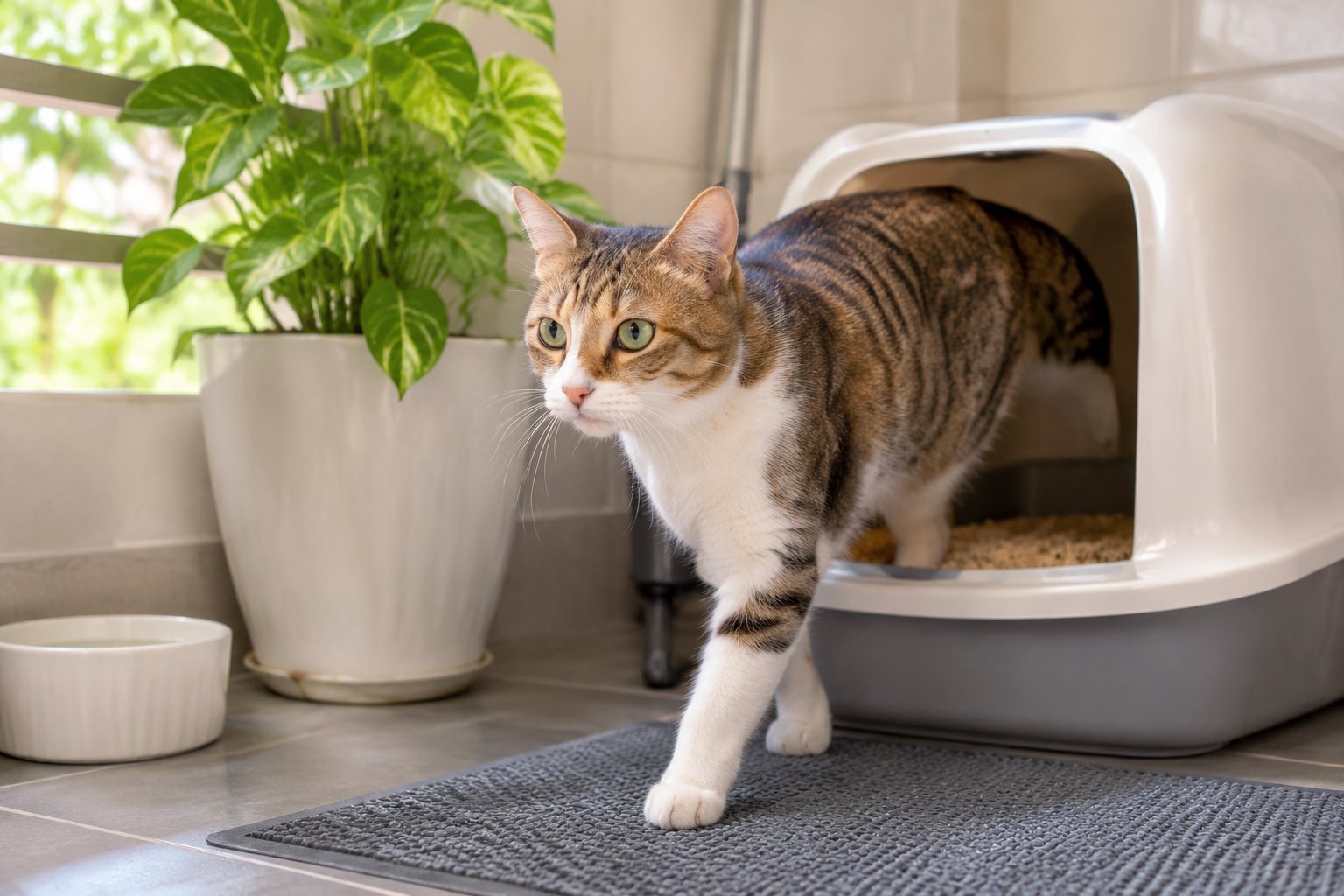
Clumping cat litter is popular because it makes daily cleaning fast and keeps odour down. It is a good choice for many adult cats in Malaysian homes, provided you pick a low-dust product, scoop at least twice a day, and avoid it for very young kittens or cats that eat litter. The main trade-offs are cost, dust, tracking and a small safety risk if clumps are swallowed.
What clumping cat litter actually is
Clumping litter is designed so that when urine hits it, the granules bind together into a firm ball instead of soaking through the whole tray. Most clumping litters are made from bentonite clay, a natural absorbent mineral. Some are made from plant fibres, tofu, corn, wheat or pine, and these can also clump.
The practical effect is simple: you remove the clump with a scoop, and the rest of the litter stays dry and usable. That is why clumping litter tends to last longer between full changes than non-clumping litter, where urine spreads through the tray and the whole box needs replacing more often.
The pros of clumping cat litter
Easier, faster cleaning
With clumping litter, daily cleaning is a scooping job rather than a full tray change. You lift out the clumps and stool, top up the litter, and the tray is ready. For busy households, this is the biggest advantage. It also makes it easier to keep the tray clean consistently, which matters because cats are sensitive to dirty trays.
Better odour control
Because urine is locked into a clump and removed, the remaining litter stays drier and smells less. Ammonia build-up is reduced when urine is taken out daily rather than left to soak into the whole tray. In a small apartment, this difference is noticeable.
Longer-lasting litter
A bag of clumping litter often goes further than the same weight of non-clumping litter, because you only remove the soiled portions. That partly offsets the higher price per bag. The exact saving depends on your cat, the product and how often you do a full change.
Easy monitoring of urine volume
Scooping clumps gives you a daily view of how much your cat is urinating. That is genuinely useful for health monitoring. Small, frequent clumps, very large clumps, or a sudden change in clump size can be an early clue to a urinary problem, and you can mention it to your vet.
The cons of clumping cat litter
Dust
Many clay-based clumping litters are dusty. Pouring a fresh bag or watching a cat dig can send fine particles into the air. This can irritate cats with sensitive airways and bother people in the same room. Low-dust formulations exist, but dust levels vary a lot between products, so it is worth reading labels and trying small bags first.
Tracking around the home
Fine clumping litter sticks to paws and travels out of the tray. In Malaysian homes with tiled floors, you may find grains scattered near the litter box. A textured litter mat at the tray entrance, a high-sided tray, and a covered box can reduce tracking, though nothing eliminates it completely.
Cost per bag
Clumping litter generally costs more per bag than basic non-clumping litter. Because it lasts longer, the cost per week may be closer than it first appears, but it is still a real budget consideration for multi-cat households. Local prices vary, so compare brands and bag sizes at your usual pet retailer rather than assuming one option is cheaper.
The swallowing risk
This is the most important safety point. If a cat swallows clumping litter, the clump can harden in the gut and cause a blockage. Kittens are the highest risk because they explore with their mouths and are small. Cats with pica, or those that eat litter for other reasons, are also at risk. Adult cats rarely swallow enough to cause a problem, but the risk is real and worth taking seriously.
Not ideal for very young kittens
For kittens under about eight weeks, and for any kitten that nibbles litter, non-clumping litter is the safer choice. Clumping litter is usually introduced only once the kitten is reliably using the tray and not eating litter.
Heavier bags and disposal
Clay clumping litter is heavy, which matters if you carry bags upstairs or live in a walk-up. Used clumps also add weight to household waste. Some plant-based litters are lighter, but they may clump differently or track more.
Clumping vs non-clumping: a quick comparison
| Feature | Clumping litter | Non-clumping litter |
|---|---|---|
| Daily cleaning | Scoop clumps and stool | Scoop stool, stir litter |
| Full change frequency | Usually every 2–4 weeks | Often weekly or more |
| Odour control | Good, urine removed daily | Moderate, urine soaks through |
| Dust | Can be dusty, varies by product | Often less dusty, varies |
| Cost per bag | Generally higher | Generally lower |
| Kitten safety | Avoid for very young kittens | Safer default for kittens |
| Tracking | Fine grains track easily | Varies, often less tracking |
| Health monitoring | Clumps show urine volume | Harder to judge volume |
Clumping litter and cat health
Urinary and kidney clues
Because clumps show how much your cat is urinating, clumping litter can help you notice changes early. Watch for many small clumps, straining in the tray, crying while urinating, blood in urine, or urinating outside the tray. These signs warrant a vet visit, especially in male cats, which are at higher risk of urinary blockage.
Respiratory sensitivity
Dusty litter can trigger sneezing, coughing or eye irritation in sensitive cats. If your cat sneezes only around the tray, dust is a reasonable suspect. Try a low-dust litter, keep the room ventilated, and see a vet if signs persist or worsen.
Ingestion and blockages
If you suspect your cat has eaten clumping litter, watch for vomiting, loss of appetite, lethargy, abdominal pain or inability to pass stool. These are emergency signs. Contact your vet immediately rather than waiting.
Choosing a clumping litter in Malaysia
Malaysian pet shops stock a wide range of clumping litters, from budget clay bags to premium low-dust and plant-based options. Rather than chasing a single "best" brand, match the litter to your cat and home.
Checklist when choosing:
- Dust level: shake the bag gently and read reviews; low-dust matters in small apartments.
- Clump strength: firm clumps that hold together when scooped are easier to clean.
- Scent: unscented litter is often better for cats with sensitive noses.
- Granule size: fine litter clumps fast but tracks more; larger granules track less.
- Material: clay, tofu, corn, wheat or pine; each has different dust, weight and clumping behaviour.
- Bag size and storage: buy a size you can store dry and carry comfortably.
- Price per week, not per bag: factor in how long the litter actually lasts.
Local prices vary by brand, bag size and retailer, so ask your regular pet shop or vet clinic for current options rather than relying on online figures.
Setting up the litter tray properly
Litter choice is only part of the picture. The tray itself matters just as much.
- Size: the tray should be about one and a half times the length of your cat, nose to tail base.
- Number: one tray per cat plus one extra is a common guideline.
- Depth: fill with about 5–8 cm of litter so cats can dig and bury.
- Location: quiet, away from food and water, and not next to noisy appliances.
- Cleaning: scoop at least twice daily, wash the tray with mild soap and water during full changes, and avoid strong chemical cleaners.
- Mat: place a textured mat at the entrance to catch tracked grains.
Switching to clumping litter without stress
Cats are creatures of habit, and a sudden litter change can cause avoidance or accidents outside the tray. Transition gradually.
- Mix a small amount of clumping litter into the old litter.
- Over one to two weeks, increase the proportion of new litter.
- Keep the tray in the same place and scoop daily.
- Watch for signs of dislike: sniffing and leaving, urinating elsewhere, or holding urine.
- If your cat refuses the tray, slow down or return to the old litter for a while.
Common mistakes to avoid
- Letting clumps build up: scoop twice daily, not once a week.
- Overfilling the tray: too much litter makes digging hard and wastes product.
- Using scented litter with a sensitive cat: unscented is often safer.
- Ignoring dust: if the room is cloudy when you pour, try a low-dust product.
- Using clumping litter for a tiny kitten: choose non-clumping until the kitten is older.
- Placing the tray next to food: cats prefer separation between eating and toileting.
When to see a vet
Contact a veterinarian if your cat shows any of the following:
- Straining to urinate, crying while urinating, or passing only small amounts
- Blood in the urine
- Urinating outside the tray suddenly
- Vomiting, lethargy, loss of appetite or abdominal pain, especially if you suspect litter was eaten
- Persistent sneezing, coughing or eye discharge around the litter tray
- Diarrhoea or constipation lasting more than a day or two
Male cats that strain without producing urine need urgent veterinary care, as urinary blockage can become life-threatening quickly.
Bottom line
Clumping cat litter is a practical, popular choice for adult cats. It makes cleaning easier, controls odour well and helps you monitor urine output. The trade-offs are dust, tracking, cost and the swallowing risk for kittens. Choose a low-dust product, scoop twice daily, transition gradually, and keep non-clumping litter as a safer option for very young kittens. If anything about your cat's toilet habits changes, ask your vet rather than guessing.
This article is general information for Malaysian cat owners and is not a substitute for veterinary advice. Always consult a licensed veterinarian about your cat's health, diet and litter choices.
Related reading
- Cat Litter Guide Malaysia 2026: Types, Costs and How to Choose
- Auto Litter Box in Malaysia: What to Check Before You Buy (2026 Guide)
- Best Covered Litter Box for Cats in Malaysia: A Practical Buying Guide
- Best Crystal Cat Litter for Cats in Malaysia: A Practical Buying Guide
- Best Pine Cat Litter for Cats in Malaysia: A Practical Buying Guide
- Covered Litter Box Buying Guide for Cat Owners in Malaysia
- How to Use Paper Cat Litter for Cats: A Complete Malaysian Guide
- How to Use Pine Cat Litter for Cats: A Complete Malaysian Guide

