
Quick answer
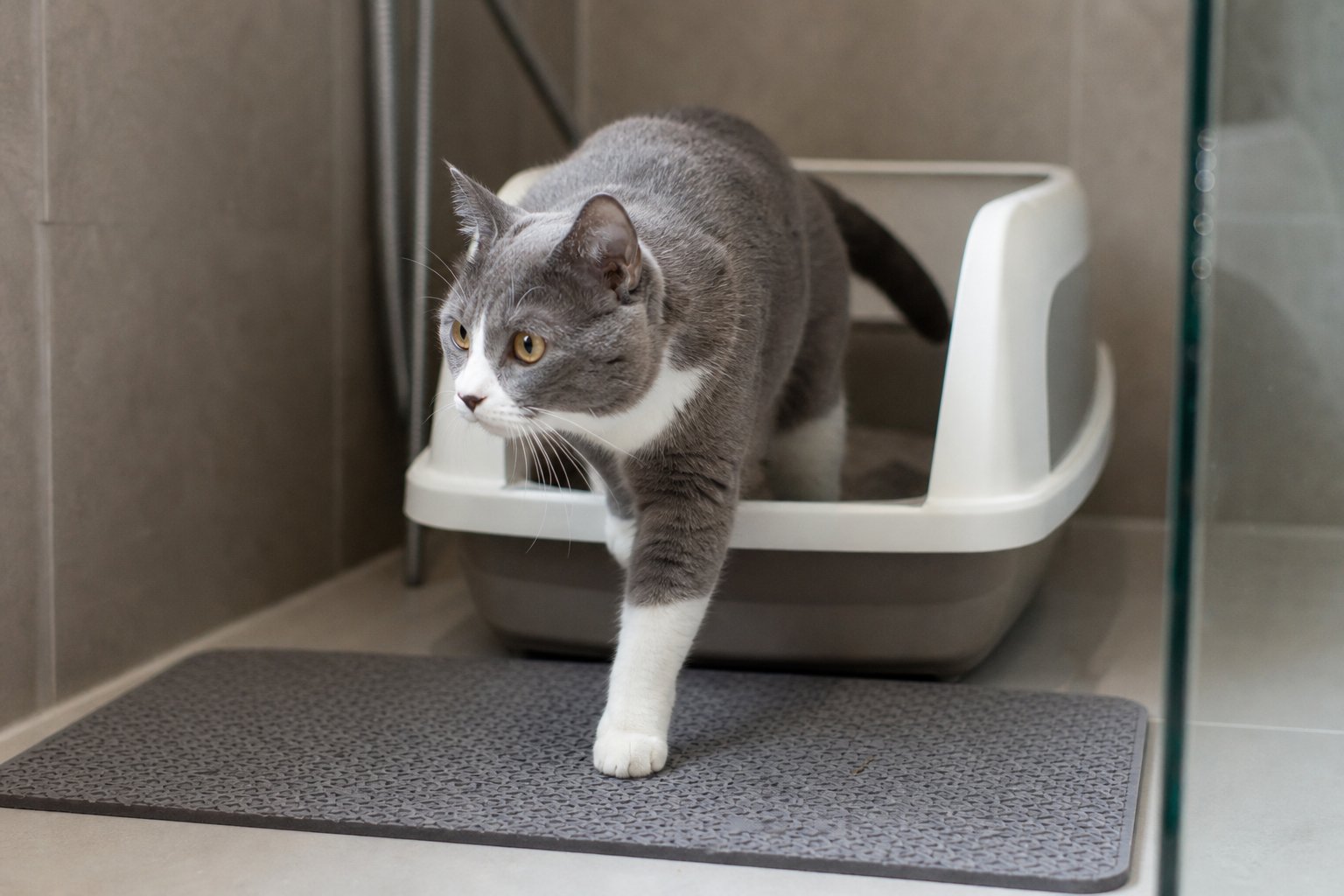
Place a large, uncovered box in a quiet, accessible spot away from food and water. Use unscented clumping litter, scoop daily, and wash weekly. Most cats prefer fine, unscented litter and a box that is 1.5 times their body length. Introduce slowly and never punish accidents.
Why the litter box matters
A litter box is not just a toilet; it is a daily necessity that affects your cat's physical and mental health. Cats are fastidious animals, and when a box is dirty, poorly placed, or the wrong type, they may hold their urine or stool, which can lead to serious medical problems. In multi-cat households, a poor litter setup is a common cause of stress and conflict. Getting the basics right is one of the simplest ways to keep your cat healthy and your home clean.
Malaysian homes come in many shapes: high-rise apartments in Kuala Lumpur, terrace houses in Johor, and older shophouses in Penang. Each has its own challenges, from humid weather to limited space. This guide adapts general veterinary advice to these local contexts without inventing local prices or regulations.
Choosing the right litter box
Size
Bigger is better. A box should be about 1.5 times the length of your cat from nose to base of tail. Many commercial boxes are too small. If your cat is large, consider a plastic storage tub with a doorway cut into one side. The extra space lets your cat turn around and dig comfortably.
Type
- Uncovered boxes are preferred by most cats because they offer good visibility and ventilation. They are also easier to clean.
- Covered boxes provide privacy but can trap odours and make some cats feel trapped, especially in a multi-cat home. If you use one, clean it more often and ensure it is large enough.
- Top-entry boxes can be useful for cats that dig vigorously, but they may be difficult for kittens, senior cats, or cats with arthritis.
- Self-cleaning boxes are convenient but can be noisy and may scare some cats. They also require regular maintenance.
Depth and height
A box with low sides is easier for kittens and senior cats to enter. For adult cats, a deeper box helps contain litter scatter. You can also use a high-sided box with a low entry point.
Material
Plastic is the most common and easiest to clean. Avoid boxes with rough surfaces that can harbour bacteria. Some cats prefer cardboard or disposable boxes, but these are not durable for long-term use.
Choosing the right litter
Cats have preferences, and the wrong litter can lead to avoidance. Here is a comparison of common litter types:
| Litter type | [Pros | Cons](/articles/crystal-cat-litter-for-cats-pros-and-cons "mylink") | Best for |
|---|---|---|---|
| Clumping clay | Easy to scoop, controls odour, widely available | Can be dusty, not biodegradable, may be tracked | Most cats, especially beginners |
| Non-clumping clay | Cheaper, less tracking | Odour control is poorer, must change whole box often | Budget-conscious owners |
| Silica gel | Excellent odour control, low dust | Some cats dislike texture, not biodegradable, expensive | Cats that accept the texture |
| Pine or wood pellets | Biodegradable, natural odour control | May not clump, some cats dislike smell | Environmentally conscious owners |
| Paper pellets | Soft, low dust, biodegradable | Poor clumping, odour control is moderate | Kittens, post-surgery cats |
| Corn or wheat | Clumps well, biodegradable | Can attract pests, some cats may eat it | Cats that like fine texture |
| Walnut shells | Clumps, low dust | Less common, may be hard to find | Cats with sensitive paws |
Key points:
- Unscented is best. Cats have sensitive noses; perfumed litters can be off-putting.
- Fine texture is usually preferred over large pellets.
- Low dust is better for cats with respiratory issues and for your home.
- Introduce gradually. If you change litter, mix the new with the old over a week.
In Malaysia's humid climate, clumping clay can absorb moisture from the air and become less effective. Store litter in a sealed container and keep the box in a dry area. Silica gel may last longer in humidity, but some cats dislike the texture.
Where to place the litter box
Placement can make or break litter box use. Follow these guidelines:
- Quiet and low-traffic: Avoid busy hallways, next to washing machines, or near loud speakers.
- Accessible: The box should be easy to reach, especially for kittens and senior cats. Avoid stairs if your cat has mobility issues.
- Away from food and water: Cats do not like to eat near their toilet. Keep at least a few feet away.
- Good visibility: Cats like to see who is approaching. An uncovered box in a corner with a clear view is ideal.
- Not in a closed cabinet: Confined spaces can trap odours and make cats feel trapped.
- Multiple locations: In a multi-storey home, provide a box on each floor.
Malaysian examples:
- In a Kuala Lumpur apartment, space is limited. Choose a quiet corner of the bathroom or a utility area, away from the main living space. Avoid placing the box on a balcony that gets direct sun and rain.
- In a Johor terrace house, you might have a dedicated utility room or bathroom. Ensure the box is not next to the washing machine or in a damp area. If you have a garden, do not leave the box outside; cats need it indoors.
How many litter boxes?
The general rule is one box per cat plus one extra. So for one cat, two boxes; for two cats, three boxes. This reduces competition and gives each cat a choice. In multi-cat homes, lack of boxes is a common cause of spraying and avoidance.
If space is tight, place boxes in different locations rather than side by side. Cats may guard a single area.
Setting up the box
- Fill with 5–8 cm of litter. Too little makes digging difficult; too much can cause scatter.
- Place a mat underneath to catch tracked litter. Textured mats work well.
- Keep the area clean. Vacuum or sweep around the box regularly.
- Provide a scoop and a dedicated bin for waste. Scoop into a small bag and dispose of it in the rubbish.
- Avoid liners unless necessary. Many cats dislike plastic liners. If you use one, ensure it is tight and not torn.
Introducing a kitten or new cat to the litter box
Kittens learn by imitation and exploration. Here is how to introduce them:
- Start with a small, low-sided box. Kittens can climb into a low box easily.
- Place the kitten in the box after meals, naps, and play. These are common times for elimination.
- Praise gently when they use it. Never punish accidents.
- Keep the box clean. Kittens may avoid a dirty box.
- Confine to a small area initially. A bathroom or a small room with the box, food, and water helps them learn.
- If the kitten has an accident, clean it with an enzymatic cleaner to remove odour. Do not rub their nose in it.
For an adult cat, especially a rescue, provide a box in the room where they are confined. Show them the box by placing them in it gently. Give them privacy.
Daily and weekly cleaning routine
Daily:
- Scoop solid waste and clumps at least once a day, ideally twice.
- Stir the litter to distribute moisture.
- Top up litter as needed.
Weekly:
- Empty the entire box, wash with mild soap and warm water, and dry thoroughly.
- Refill with fresh litter.
- Wash the scoop and mat.
Monthly:
- Replace the box if it is scratched or odorous. Plastic can harbour bacteria in scratches.
- Deep clean the area around the box.
Note on cleaning products: Avoid strong chemicals like bleach or ammonia. Cats are sensitive to fumes, and ammonia smells like urine, which can encourage spraying. Use mild, pet-safe cleaners.
Solving common litter box problems
The cat is not using the box
- Medical check first. Rule out urinary tract infections, crystals, arthritis, or other issues with a vet.
- Review the setup. Is the box clean? Is the litter unscented? Is the box large enough? Is it in a quiet spot?
- Try a different litter. Cats can develop preferences.
- Add more boxes. Especially in multi-cat homes.
- Reduce stress. Changes in the home, new pets, or moving can cause avoidance.
The cat is urinating outside the box
- Check for medical issues. Urinary problems are common and serious.
- Clean accidents with enzymatic cleaner. Regular cleaners may not remove odour.
- Make the box more appealing. Try a different location or litter.
- Use pheromone products if stress is suspected, but consult your vet first.
The cat is spraying
Spraying is often territorial. Neuter or spay if not already done. Provide more boxes, more vertical space, and reduce conflict. Consult a vet or behaviourist.
The cat is digging excessively or throwing litter
- Use a high-sided box or a storage tub.
- Place a mat to catch litter.
- Try a different litter that is heavier.
The cat is eating litter
Some cats, especially kittens, may eat litter. This can be dangerous. Use a litter that is not clumping (like paper pellets) until the behaviour stops, and consult your vet. Eating litter can be a sign of anaemia or other medical issues.
Litter box maintenance in Malaysian weather
Malaysia's humidity and heat can affect litter. Here are some tips:
- Keep the box in a dry, ventilated area. Avoid bathrooms with poor ventilation or areas near open windows where rain can enter.
- Store litter in a sealed container. Moisture can cause clumping litter to harden.
- Clean more often in humid weather. Odour and bacteria grow faster.
- Watch for mould. If you see mould in the box, discard the litter and clean thoroughly.
- Use a dehumidifier if the room is damp, but keep it away from the box.
Litter box training for kittens
Kittens usually learn quickly. Here is a step-by-step plan:
- Choose a small, low-sided box.
- Fill with unscented, non-clumping litter until the kitten is reliable (to avoid ingestion).
- Place the kitten in the box after meals, naps, and play.
- Praise and reward when they use it.
- Keep the box clean.
- Supervise free time and guide them back to the box if they start sniffing or circling.
- Never punish accidents. Clean with enzymatic cleaner.
- Gradually give more space as they become reliable.
Most kittens are reliable by 8–12 weeks, but expect occasional accidents.
Special considerations
Senior cats
Older cats may have arthritis and find it hard to climb into a high-sided box. Provide a low-entry box and place it on each floor. Keep the path clear.
Cats with medical conditions
Cats with kidney disease, diabetes, or urinary issues may urinate more frequently. Provide more boxes and keep them clean. Consult your vet for a management plan.
Multi-cat households
Provide multiple boxes in different locations. Ensure each cat has a safe escape route. Watch for bullying around the box.
Travel and boarding
If you travel with your cat, bring a portable litter box and familiar litter. When boarding, ask what litter they use and bring your own if possible.
When to see a vet
Consult a veterinarian if you notice any of the following:
- Your cat is straining to urinate, crying while urinating, or passing small amounts of urine frequently.
- There is blood in the urine.
- Your cat is not using the litter box despite a clean, well-placed box.
- Your cat is eating litter.
- Your cat is vomiting, lethargic, or has diarrhoea.
- Your cat is spraying or showing signs of stress.
- Your cat has not urinated in 24 hours (especially male cats, which can block).
These can be signs of serious medical conditions. Do not delay.
Frequently asked questions
How often should I scoop the litter box? Scoop at least once a day, ideally twice. Remove solid waste and clumps promptly. A clean box encourages regular use and helps prevent avoidance.
What type of litter is best for cats? Most cats prefer fine, unscented clumping litter with a sand-like texture. Avoid strongly scented litters. Try a few types to see what your cat accepts.
Where should I put the litter box? Choose a quiet, low-traffic area away from food and water. The box should be easily accessible and not blocked by furniture. Avoid placing it next to noisy appliances.
How many litter boxes do I need? The general rule is one box per cat plus one extra. So for two cats, provide three boxes. This reduces competition and gives each cat a choice.
Why is my cat not using the litter box? Common reasons include a dirty box, wrong litter type, poor placement, stress, or a medical issue. Rule out health problems with a vet first, then review the setup.
Can I use a covered litter box? Covered boxes offer privacy but can trap odours and make some cats feel trapped. Many cats prefer uncovered boxes. If you use a cover, clean it frequently.
Final checklist
- Box is 1.5 times cat's length
- Uncovered or large covered box
- Unscented clumping litter
- Placed in quiet, accessible spot
- Away from food and water
- One box per cat plus one
- Scoop daily
- Wash weekly
- Enzymatic cleaner for accidents
- Vet check for sudden changes
Disclaimer
This article provides general information and is not a substitute for professional veterinary advice. Always consult a licensed veterinarian for diagnosis and treatment of your cat's health issues. The information is based on general veterinary knowledge and may not apply to every individual cat.

