
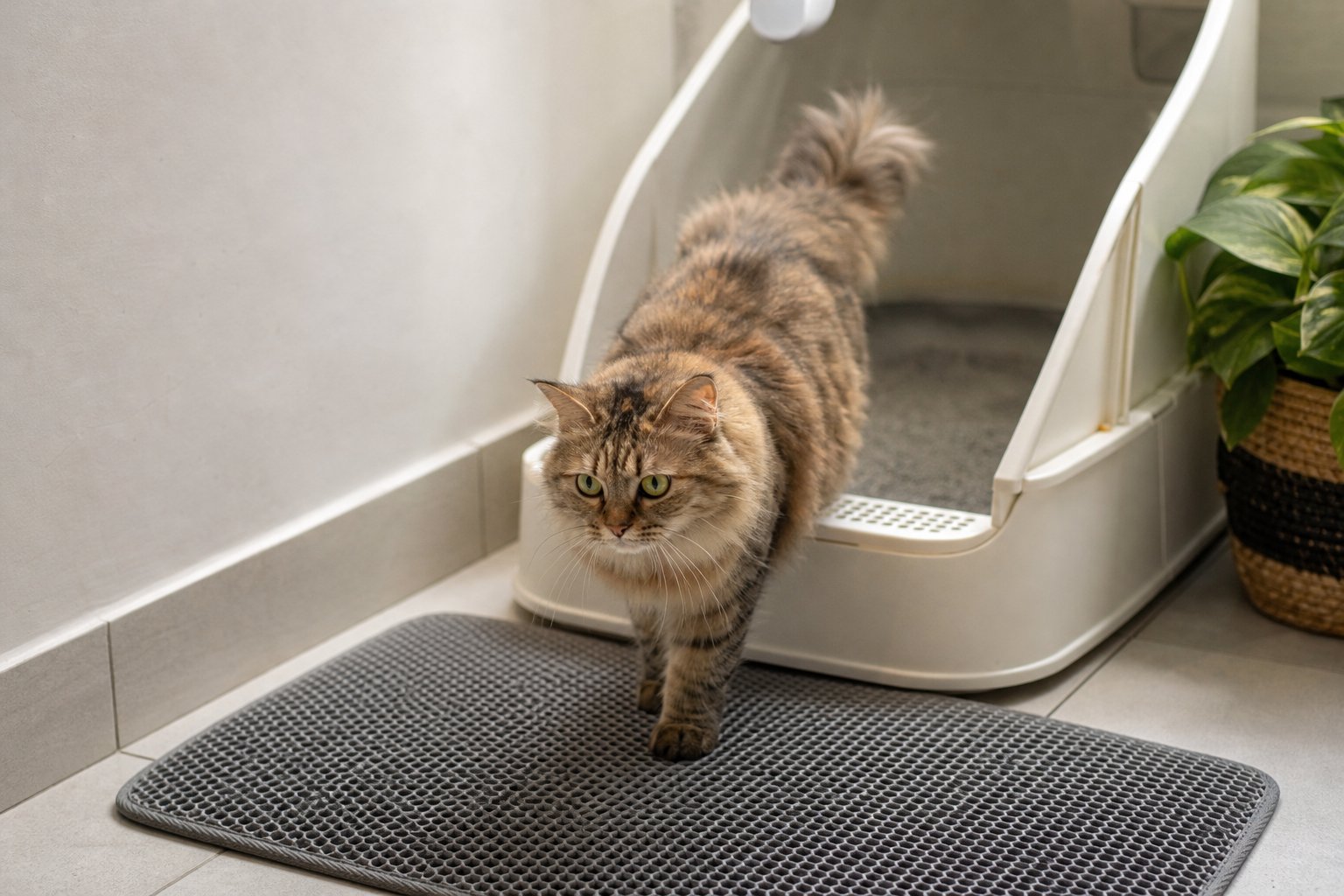
What tofu cat litter actually is
Tofu cat litter is a clumping litter made mainly from soybean curd residue, the fibre left after soy milk and tofu production. Manufacturers dry and pelletise this plant material, sometimes blending it with corn starch, guar gum or other plant binders to improve clumping. The result is a light, pale pellet that absorbs liquid, forms clumps and breaks down more readily than clay.
Because it is plant-based, tofu litter is often marketed as biodegradable and flushable. Treat those claims as product-specific, not universal. The material itself is compostable in principle, but a bag only belongs in the toilet if the label says so and your plumbing can handle it.
For Malaysian cat owners, the appeal is practical: bags are lighter than clay, dust is usually lower, and the litter does not carry the heavy grit that gets stuck in paws and spreads across floors. The trade-offs are cost per bag, tracking of light pellets and variable clumping quality between brands.
How tofu litter performs in a Malaysian home
Tofu litter behaves differently from bentonite clay and from pine or paper litter. Understanding those differences helps you choose a bag that suits your cat and your routine.
Clumping and absorption
Good tofu litter clumps firmly within a minute or two of contact with urine. Firm clumps scoop cleanly and keep the tray fresher between full changes. Cheaper or coarser pellets may form soft clumps that break apart on the scoop, leaving residue that smells.
Absorption speed matters in humid weather. In a Kuala Lumpur apartment with little cross-ventilation, a tray that stays damp will smell faster. Fine, fast-absorbing pellets reduce standing liquid and help keep odour down.
Dust
Tofu litter is generally low-dust compared with clay, but not dust-free. Some bags produce fine powder at the bottom, especially after transport. If dust bothers you or your cat sneezes near the tray, pour the litter slowly from a low height and keep the bag sealed between refills.
Tracking
Light pellets travel. Long-haired cats and cats that dig vigorously can kick pellets several feet from the tray. A high-sided tray, a litter mat and a short lip at the entrance reduce tracking. In a Johor terrace house with tiled floors, tracking is easy to sweep but noticeable; in carpeted rooms, a mat is essential.
Odour control
Tofu litter controls odour through absorption and clumping, not through chemical perfumes. Unscented versions are usually the better choice because strong fragrance can put cats off the tray. Odour control depends heavily on scooping frequency, tray depth and airflow. Two cats sharing one tray will always smell more than two cats with two trays.
Flushing and disposal
Flushable claims are common but should be read carefully. Older plumbing, narrow pipes and shared stacks in apartment buildings may not cope with litter, even when the bag says flushable. The safe default in Malaysia is to scoop clumps into a bag and put them in the bin. If you want to flush, check your building's rules and start with small amounts to see how your plumbing behaves.
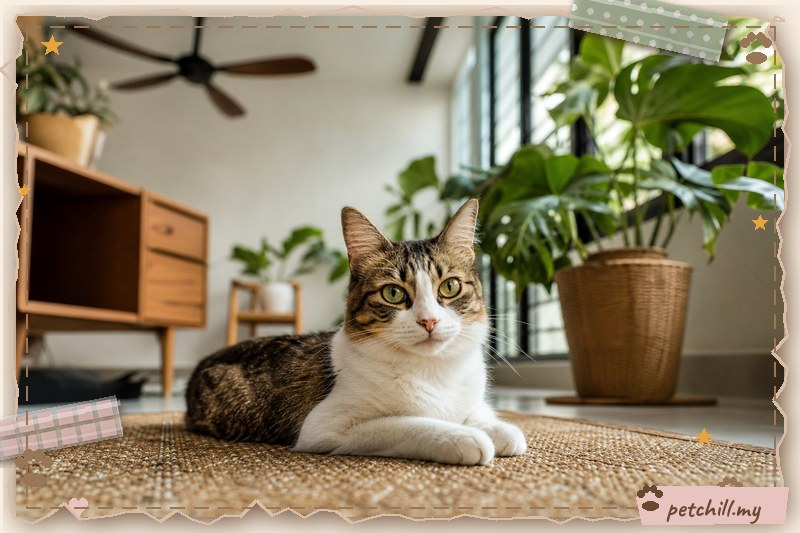
Tofu litter compared with other litter types
The table below compares tofu litter with common alternatives on the factors that matter most day to day. It is a general guide, not a ranking; individual products vary.
| Factor | Tofu litter | Bentonite clay | Pine pellets | Paper pellets |
|---|---|---|---|---|
| Main material | Soybean curd residue, plant binders | Natural clay | Compressed pine | Recycled paper |
| Clumping | Yes, usually firm | Yes, very firm | Usually no clumping | No clumping |
| Weight per bag | Light | Heavy | Medium | Light |
| Dust | Low to moderate | Moderate to high | Low | Low |
| Tracking | Moderate; light pellets travel | Moderate; gritty | Low to moderate | Low |
| Odour control | Good with daily scooping | Good | Moderate | Moderate |
| Flushable claim | Sometimes | Rarely | No | No |
| Biodegradable | Usually | No | Yes | Yes |
| Cost per bag | Higher | Lower | Moderate | Moderate |
| Best for | Owners wanting light, low-dust clumping litter | Budget-focused households | Low-tracking setups | Sensitive paws, post-surgery |
Prices vary by brand, bag size and retailer in Malaysia, so compare cost per kilogram rather than cost per bag. A large bag that clumps poorly can cost more in the long run because you replace it sooner.
How to choose a tofu cat litter: a buying checklist
Use this checklist before you commit to a brand or a bulk order.
- Check the ingredient list. Look for soybean curd residue or tofu fibre as the main ingredient, with plant binders such as corn starch or guar gum. Fewer added fragrances and dyes is usually better.
- Match pellet size to your cat. Fine pellets suit most cats and clump faster. Coarse pellets track less but may feel uncomfortable to cats with sensitive paws.
- Read the clumping claim critically. Look for reviews mentioning firm clumps rather than marketing language. Soft clumps are the most common complaint about budget tofu litter.
- Check bag size against your tray. A 6-litre bag may fill a small tray once; a large tray may need two bags for a proper depth of 5 to 7 centimetres.
- Confirm the flushable claim. If flushing matters to you, check the label and your building's rules. If not, ignore the claim.
- Look for resealable packaging. Tofu litter absorbs moisture from the air. A resealable bag or a airtight container keeps unused litter dry in humid weather.
- Compare cost per kilogram. Divide the price by the weight. This makes different bag sizes comparable.
- Start with one bag. Buy a single bag before committing to a bulk pack. Cats can be fussy about texture, and a litter your cat refuses is a wasted purchase.
- Check availability. Choose a brand you can restock locally or online without long waits. Running out of litter is a common reason cats start avoiding the tray.
- Ask about returns. Some retailers allow returns on unopened bags. Confirm the policy before buying multiple bags.
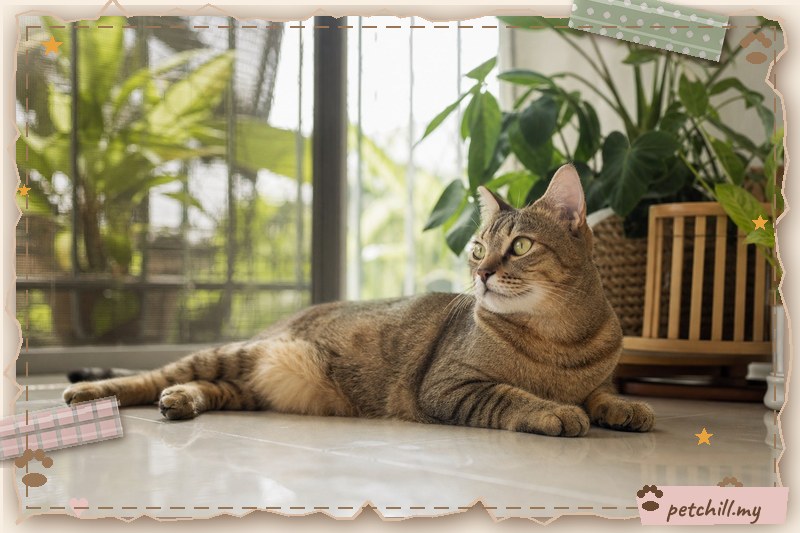
How to switch your cat to tofu litter
Cats are sensitive to changes in texture and smell. A sudden switch can cause a cat to avoid the tray, which may lead to accidents around the home. Transition gradually over seven to ten days.
- Start with a mix. Fill the tray with about three-quarters of the old litter and one-quarter tofu litter.
- Increase every few days. Add more tofu litter and less old litter every two to three days.
- Keep the tray in the same place. Do not move the tray during the transition.
- Scoop daily. Remove clumps from both litters so the tray stays clean.
- Watch for refusal. If your cat stops using the tray, go back a step and slow down.
- Clean thoroughly at the end. Once the switch is complete, wash the tray with mild soap and water and dry it before refilling.
Some cats accept tofu litter immediately; others take longer. Patience is cheaper than cleaning accidents.
Tray setup and daily routine
Tofu litter works best with the right tray and routine. A few small changes make a noticeable difference.
- Tray size: Choose a tray about one and a half times the length of your cat. Many commercial trays are too small.
- Litter depth: Fill to about 5 to 7 centimetres. Too little litter leads to sticking and odour; too much leads to tracking.
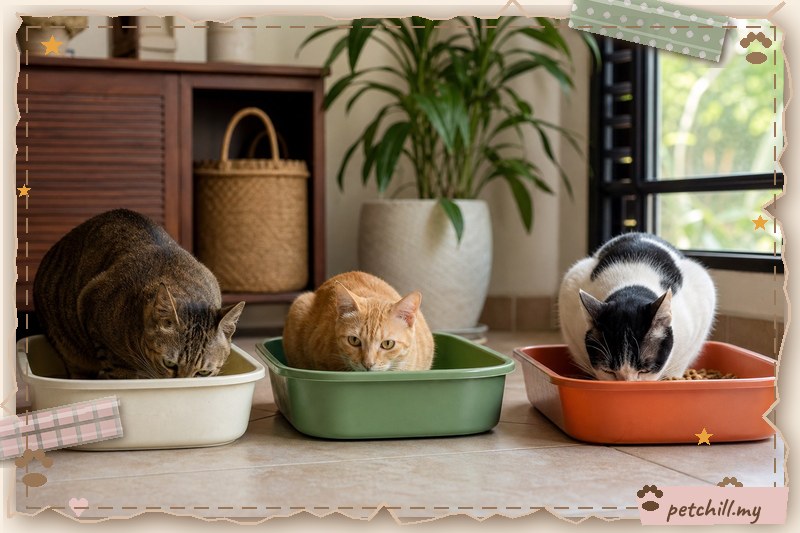
- Number of trays: One tray per cat plus one extra is the standard rule. Two cats need at least three trays.
- Placement: Put trays in quiet, well-ventilated spots away from food and water. In a Penang apartment during the rainy season, a humid bathroom can make litter damp faster, so choose the driest practical spot.
- Scooping: Scoop at least once daily, twice if you have multiple cats. Remove clumps and any soiled litter.
- Full change: Replace all litter every two to four weeks and wash the tray. In humid weather or with multiple cats, change more often.
- Storage: Keep unused litter sealed and dry. Damp litter clumps poorly and smells sooner.
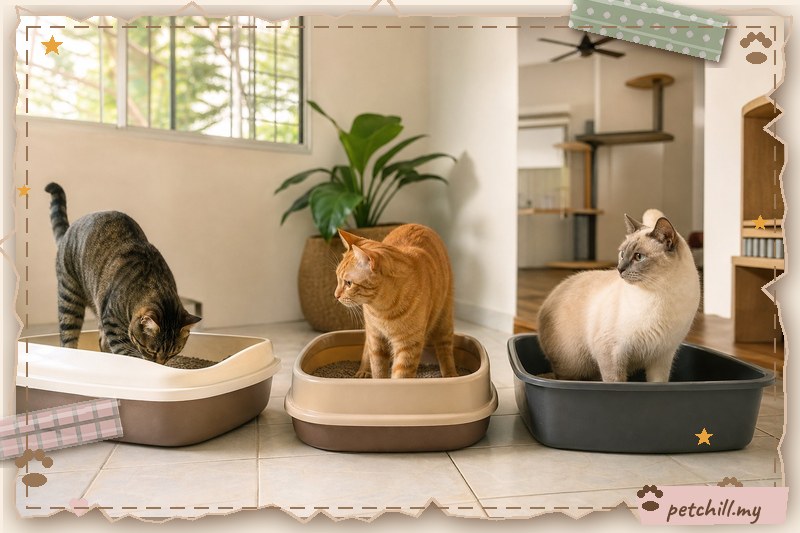
Common mistakes and how to avoid them
- Buying in bulk before testing. Cats can reject a new texture. Test one bag first.
- Overfilling the tray. Deep litter tracks more and wastes product. Keep depth moderate.
- Ignoring dust. Pour slowly and keep the bag sealed. If dust persists, try a different brand.
- Flushing without checking. Shared or older plumbing may not cope. Bag and bin as the default.
- Using scented litter to mask odour. Fix the routine instead: scoop more often and add a tray.
- Mixing brands mid-bag. Different brands clump differently. Finish one bag before switching.
- Storing litter in a humid place. Keep it sealed and dry between refills.
When to see a vet
Litter changes are not usually a medical matter, but litter box behaviour can be. Contact a veterinarian if you notice any of the following:
- Your cat stops using the tray or urinates outside it, especially after a litter change.
- Your cat strains to urinate, cries while urinating, or produces only small amounts of urine. This can be an emergency, particularly in male cats.
- There is blood in the urine or the urine smells unusually strong.
- Your cat repeatedly eats litter. This can signal anaemia, a diet problem or another health issue.
- Your cat sneezes or coughs near the tray, which may indicate dust sensitivity.
- Your cat has diarrhoea, constipation or changes in toileting habits that last more than a day or two.
Do not wait to see whether a urinary problem resolves on its own. Early veterinary care is safer and usually simpler.
Frequently asked questions
See the FAQ section for direct answers on kitten safety, flushing, odour control, replacement frequency, litter eating and comparisons with clay litter.
Disclaimer
This article is general information for cat owners and is not veterinary advice. It does not replace an examination by a licensed veterinarian. If your cat has health problems or changes in toileting behaviour, consult a veterinarian in Malaysia.

