
Quick answer
Excessive thirst in cats is usually a sign of an underlying condition such as kidney disease, diabetes, hyperthyroidism, or urinary issues. Treatment depends on the cause and may include diet changes, medication, fluids, or management of the primary disease. See a vet promptly for blood and urine tests.
What counts as excessive thirst in cats?
Cats are descended from desert-dwelling ancestors and are naturally good at conserving water. Many cats drink relatively little, especially if they eat wet food. So when a cat suddenly starts emptying the water bowl, it is worth paying attention.
There is no single perfect number, but a rough guide is about 40–60 ml of water per kilogram of body weight per day. A 4 kg cat might drink around 160–240 ml daily. However, this varies widely with diet, weather, activity, and individual habit. Cats on dry food often drink more than cats on wet food. What matters most is a change from your cat's normal pattern.
Signs that thirst is excessive include:
- Drinking more often than usual or for longer periods.
- Emptying the water bowl faster than before.
- Seeking water from unusual places (sinks, taps, puddles, fish tanks).
- Drinking large amounts at one time.
- Increased urine output or larger, wetter litter clumps.
- Waking you at night to drink.
If you notice these changes, start noting how much your cat drinks and how often the litter box is used. This information helps your vet.
Common causes of excessive thirst in cats
Excessive thirst (polydipsia) is often linked to increased urination (polyuria). The two usually go together because the body tries to compensate for fluid loss. Common causes include:
Chronic kidney disease (CKD)
CKD is one of the most common causes of increased thirst and urination in older cats. Damaged kidneys cannot concentrate urine well, so the cat loses more water and drinks more to compensate. Other signs may include weight loss, reduced appetite, and poor coat condition.
Diabetes mellitus
When blood glucose is too high, glucose spills into the urine and pulls water with it, causing increased urination and thirst. Diabetic cats may also eat more but lose weight. Early diagnosis and treatment are important.
Hyperthyroidism
An overactive thyroid gland speeds up metabolism. Affected cats may drink more, eat more, lose weight, and become restless or vocal. It is most common in older cats.
Urinary tract disease
Infections, crystals, or bladder stones can cause discomfort and changes in urination. Some cats drink more, especially if there is inflammation or infection. Straining to urinate, blood in urine, or urinating outside the litter box are warning signs.
Liver disease
Liver problems can affect thirst and urination, though they are less common than kidney or thyroid disease. Other signs may include jaundice, vomiting, and loss of appetite.
Dehydration from vomiting or diarrhoea
Any illness that causes fluid loss can make a cat drink more. If your cat is vomiting, has diarrhoea, or is not eating, see a vet.
Medications and diet
Some medications, such as corticosteroids or diuretics, can increase thirst. High-salt diets or sudden diet changes may also affect water intake. Always tell your vet about any medications or supplements your cat is taking.
Other causes
Less common causes include hormonal disorders, electrolyte imbalances, and certain cancers. A thorough veterinary work-up is needed to rule these out.
How Malaysian vets investigate excessive thirst
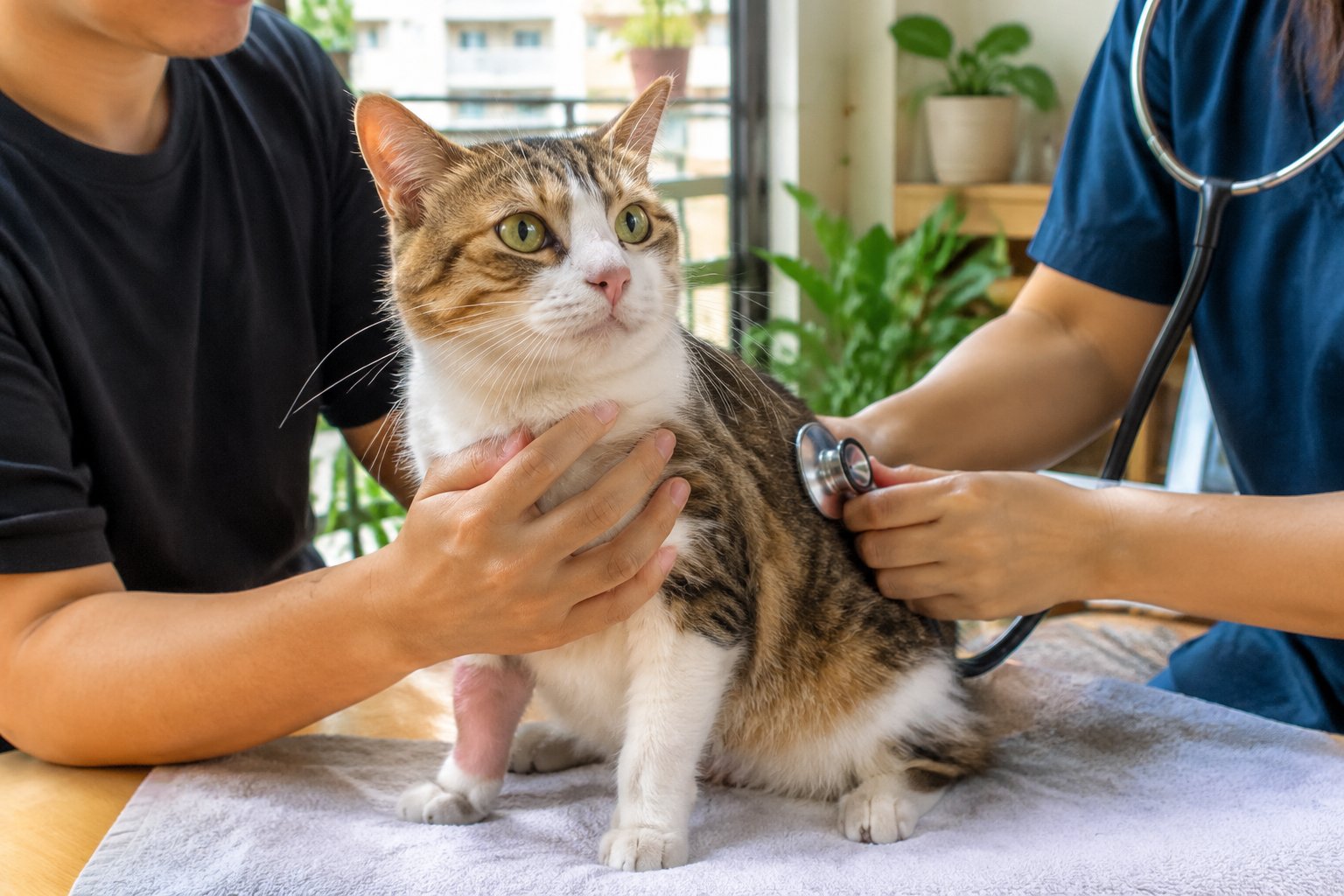
When you bring your cat to a vet in Malaysia, the approach is similar to international standards. The vet will start with a detailed history: when the thirst started, how much your cat drinks, diet, litter box habits, appetite, weight changes, and any medications. They will also perform a physical exam, checking hydration, weight, gum colour, and abdominal palpation.
Common tests include:
- Blood tests: kidney values (BUN, creatinine), liver enzymes, blood glucose, thyroid hormone (T4), electrolytes, and complete blood count.
- Urine tests: urine concentration (specific gravity), glucose, protein, blood, and signs of infection. A urine culture may be sent if infection is suspected.
- Blood pressure: high blood pressure can accompany kidney disease and hyperthyroidism.
- Imaging: ultrasound or X-rays may be recommended to look at the kidneys, bladder, liver, and other organs.
Your vet may also recommend a water deprivation test in rare cases, but this is done only under close supervision and is not routine.
In Malaysia, many clinics offer in-house blood machines and urine analysis, so results are often available the same day. More specialised tests may be sent to an external laboratory.
Treatment options for excessive thirst in cats
Treatment depends entirely on the underlying cause. There is no single medicine for excessive thirst itself. The goal is to manage the disease and restore normal fluid balance.
Chronic kidney disease
- Diet: Renal-support diets are often recommended. These are lower in protein, phosphorus, and sodium, and may help slow progression. Transition slowly and monitor appetite.
- Fluid therapy: Some cats benefit from subcutaneous fluids given at home after training from your vet. This helps maintain hydration.
- Medication: Your vet may prescribe medications to control blood pressure, reduce protein loss in urine, or manage nausea and appetite.
- Monitoring: Regular blood tests and weight checks are important.
Diabetes mellitus
- Insulin: Most diabetic cats need insulin injections, usually twice daily. Your vet will teach you how to give injections and monitor blood glucose.
- Diet: A high-protein, low-carbohydrate diet is often recommended. Some cats may go into remission with good control.
- Monitoring: Home glucose monitoring or regular vet checks are needed to adjust insulin dose.
Hyperthyroidism
- Medication: Daily tablets (such as methimazole) can control thyroid hormone levels.
- Diet: A prescription iodine-restricted diet can be effective for some cats.
- Radioactive iodine therapy: This is a specialised treatment that may be available at referral centres. It can cure the condition but is not available everywhere.
- Surgery: Removal of the thyroid gland is an option in some cases.
Urinary tract disease
- Antibiotics: If a bacterial infection is present.
- Diet: Prescription diets to dissolve certain crystals or prevent recurrence.
- Pain relief: To keep your cat comfortable.
- Increased water intake: Encouraging drinking can help flush the bladder.
Liver disease
Treatment depends on the specific liver problem. It may include diet changes, medications, and supportive care.
Dehydration
If your cat is dehydrated, your vet may give fluids under the skin or intravenously. Always address the underlying cause.
Home care and monitoring
While treatment is underway, you can help your cat at home:
- Provide fresh water: Change water daily and place multiple bowls around the house. Some cats prefer running water from a pet fountain.
- Monitor intake: Measure how much water you put down and how much is left after 24 hours. Note any changes.
- Track litter box use: Count urine clumps and note their size. Report changes to your vet.
- Encourage wet food: If your vet agrees, wet food can increase water intake and support hydration.
- Keep a diary: Record appetite, weight, vomiting, and behaviour. This helps your vet adjust treatment.
- Never restrict water: Unless your vet specifically instructs you to, do not limit your cat's water. Restricting water can be dangerous.
Comparison table: common causes and treatment approaches
| Cause | Typical signs | Main treatment | Monitoring |
|---|---|---|---|
| Chronic kidney disease | Increased thirst and urination, weight loss, poor appetite | Renal diet, fluids, medication | Blood tests, weight, blood pressure |
| Diabetes mellitus | Increased thirst, urination, appetite, weight loss | Insulin, diet | Blood glucose, urine glucose |
| Hyperthyroidism | Increased thirst, appetite, weight loss, restlessness | Medication, diet, radioiodine, surgery | Thyroid hormone levels |
| Urinary tract disease | Straining, blood in urine, frequent urination | Antibiotics, diet, pain relief | Urine tests, imaging |
| Liver disease | Jaundice, vomiting, poor appetite | Diet, medication, supportive care | Liver enzymes, ultrasound |
| Dehydration | Sunken eyes, tacky gums, lethargy | Fluids, treat underlying cause | Hydration status |
When to see a vet
See a vet promptly if your cat shows any of these signs:
- Sudden increase in thirst or urination.
- Vomiting or diarrhoea that lasts more than a day.
- Loss of appetite or weight loss.
- Straining to urinate or crying in the litter box.
- Blood in urine.
- Lethargy or weakness.
- Bad breath or unusual smell.
- Jaundice (yellow gums or eyes).
- Breathing fast or open-mouth breathing.
Seek emergency care if your cat is unable to urinate, has a swollen abdomen, is collapsing, or is having seizures. These can be life-threatening.
Local considerations for Malaysian cat owners
Malaysia's hot and humid climate means cats can lose more water through panting and evaporation. Ensure your cat always has access to shade and fresh water. In apartments, place water bowls in several rooms. In terrace houses, watch for cats drinking from drains or puddles, which can be a sign of thirst and also a source of infection.
During rainy seasons, some cats may drink less if they are stressed by thunderstorms. Monitor their habits. If you use air-conditioning, the air can be dry, so your cat may drink more.
Many Malaysian vets are experienced in managing common feline diseases. If you are in a smaller town, your vet may refer you to a larger clinic for specialised tests or treatments such as radioiodine therapy.
Prevention and early detection
You cannot prevent all causes of excessive thirst, but you can improve early detection:
- Regular vet check-ups: At least once a year for adult cats, twice a year for seniors.
- Know your cat's normal: Note how much your cat typically drinks and urinates.
- Watch for subtle changes: Increased thirst is often the first sign of illness.
- Maintain a healthy weight: Obesity increases the risk of diabetes.
- Feed a balanced diet: Avoid high-salt foods and sudden diet changes.
- Dental care: Dental disease can affect overall health.
Conclusion
Excessive thirst in cats is a symptom, not a disease. It should never be ignored. With prompt veterinary attention, many underlying conditions can be managed effectively, allowing your cat to live a comfortable life. If you notice your cat drinking more than usual, book a vet visit and bring a diary of water intake and litter box habits. Your vet can then investigate and tailor a treatment plan for your cat.
Disclaimer: This article is for general information only and does not replace veterinary advice. Always consult a licensed veterinarian for diagnosis and treatment of your cat's condition.

