
Quick answer
Sudden aggression in cats is usually fear, pain, overstimulation or redirected hunting drive, not spite. Stop the interaction, give the cat space and a safe exit, and note what happened just before. If outbursts repeat, worsen, or come with appetite or litter-box changes, book a vet visit to rule out medical causes.
Why does a calm cat suddenly turn aggressive?
Cats are subtle communicators. When a cat that normally tolerates handling suddenly hisses, swats or bites, it is often because a low-level signal was missed or a threshold was crossed. Aggression is a symptom, not a personality flaw. In Malaysian homes, where many cats live indoors in apartments or share space with children and other pets, understanding the trigger is the first step to fixing it.
Common triggers include:
- Pain or illness. Dental disease, arthritis, abdominal pain, ear infections and urinary problems can make a cat defensive when touched or picked up.
- Fear and anxiety. Loud thunderstorms, fireworks, visitors, renovation noise, new furniture or a new baby can all spark fear-based aggression.
- Overstimulation. Many cats have a petting tolerance limit. The tail starts flicking, the skin ripples, and then the teeth come out.
- Redirected aggression. A cat sees an outdoor cat through the window, cannot reach it, and attacks the nearest target—often a housemate cat or a human leg.
- Territorial or status-related aggression. New pets, moving house, or a change in routine can trigger disputes over space and resources.
- Maternal aggression. A mother cat with kittens will defend them fiercely.
- Play aggression. Young cats with high hunting drive may stalk and pounce on ankles, especially if bored.
How to read the warning signs before a bite
Most cats give warnings. The problem is that humans often miss them or accidentally punish them, which teaches the cat to skip the warning and go straight to biting.
| Signal | What it can mean | What to do |
|---|---|---|
| Tail flicking or thumping | Irritation or overstimulation | Pause petting, give space |
| Skin rippling along the back | Low tolerance threshold | Stop touching, move away calmly |
| Ears flattened or turned sideways | Fear or defensiveness | Do not pick up; allow escape |
| Dilated pupils | Fear, arousal or pain | Reduce stimulation, dim lights |
| Hissing, growling, swatting | Warning | Back off; do not punish |
| Sudden freeze | Decision point before action | Give an exit route |
| Whiskers forward, body low | Stalking or play aggression | Redirect to a toy |
If you see these signs, stop what you are doing. Do not stare, corner or grab the cat. Instead, turn sideways, avoid direct eye contact, and slowly move away. Give the cat a clear path to a hiding spot or high perch.
What should you do in the moment?
When a cat is mid-outburst, your safety and the cat's safety come first.
- Freeze and disengage. Do not scream or hit. Sudden movements can escalate things.
- Create distance. Slowly back away. If the cat is on your lap, gently slide a cushion or blanket between you and stand up.
- Do not pick up an aroused cat. A cat in fight-or-flight mode may bite deeply. If you must move the cat, use a thick blanket or a carrier.
- Separate cats safely. Never use hands or feet to break up a fight. Make a loud noise, throw a soft object, or use a barrier. Then keep them apart.
- Allow cool-down time. Cats do not resolve conflict immediately. Give at least several hours, sometimes a day, before reintroducing.
- Check for injuries. Even small bites can become infected. Wash any scratch or bite with soap and water and seek medical advice for deep wounds.
After the incident, write down what happened: time of day, who was present, what you were doing, the cat's body language, and how long it lasted. This log is invaluable for a vet or behaviourist.
What medical causes should be ruled out?
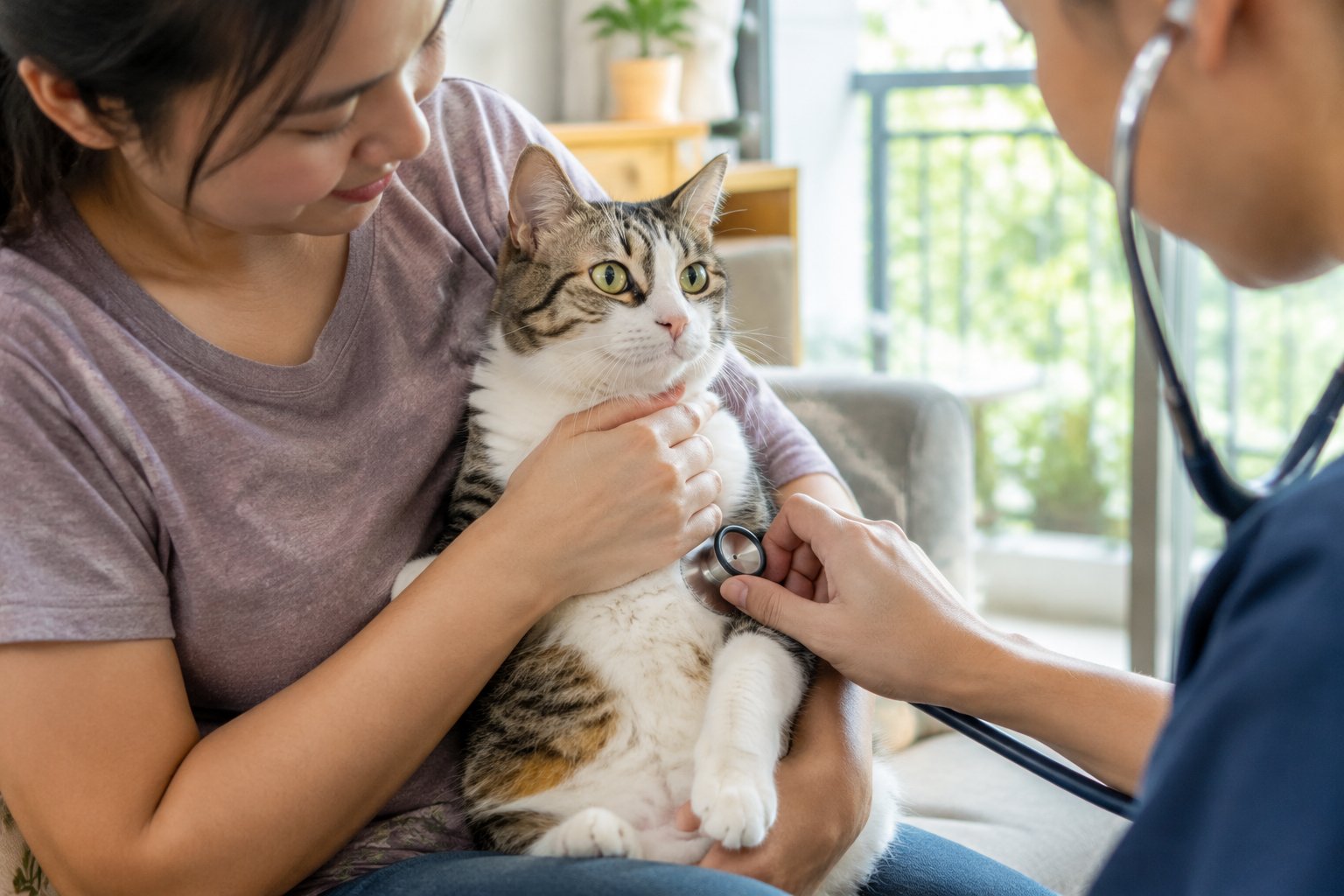
Before treating aggression as purely behavioural, a vet visit is wise—especially if the cat is older, has a history of medical issues, or the aggression is new and intense.
Possible medical contributors include:
- Dental pain. Broken teeth, gum disease and resorptive lesions are common and can make a cat snap when its mouth is touched.
- Arthritis. Older cats may become irritable when handled or when other pets bump them.
- Hyperthyroidism. This can cause irritability, restlessness and increased vocalisation.
- Neurological problems. Seizures, brain lesions or cognitive dysfunction can alter behaviour.
- Vision or hearing loss. A startled cat may react defensively.
- Skin conditions or parasites. Fleas and mites can cause discomfort and irritability.
- Urinary or gastrointestinal pain. Cats in pain often hide it, but may show aggression when approached.
Your vet may recommend blood tests, dental checks and a physical examination. In Malaysia, ask your vet about local parasite risks and vaccination status, as these can affect overall health.
How can you reduce aggression at home?
Behaviour modification takes time and consistency. The goal is to reduce stress, provide outlets for natural behaviour, and rebuild trust.
1. Create a cat-friendly environment
- Provide multiple resources: food bowls, water bowls, litter boxes, scratching posts and resting spots. The general rule is one per cat plus one, placed in different locations.
- Add vertical space: cat trees, shelves or window perches. Cats feel safer when they can observe from above.
- Offer hiding spots: boxes, covered beds or quiet rooms.
- Use pheromone diffusers or sprays; these are available in Malaysian pet shops and can help some cats feel calmer.
2. Manage introductions
If you have multiple cats, introductions should be slow. Use scent swapping (rub a cloth on one cat and let the other sniff it), then feeding on opposite sides of a door, then short supervised sessions. Never rush.
3. Redirect hunting drive
Play with your cat using wand toys that mimic prey. Two or three short sessions a day can reduce play aggression. End each session with a small treat or meal so the cat feels it has "caught" something.
4. Respect petting limits
Keep petting sessions short—10 to 15 seconds—and pause. If the cat leans in for more, continue; if it flicks its tail, stop. Teach children to be gentle and to leave the cat alone when it is eating or sleeping.
5. Reduce stress from noise and changes
During thunderstorms or renovation work, set up a quiet room with white noise, familiar bedding and a litter box. In Malaysian rainy seasons, loud thunder can be a trigger, so plan ahead.
6. Avoid punishment
Punishment—shouting, spraying water, hitting—increases fear and can make aggression worse. Instead, reward calm behaviour with treats and praise.
When to see a vet
Seek veterinary advice promptly if:
- The aggression is sudden and intense, especially in an older cat.
- It is accompanied by appetite loss, weight change, vomiting, diarrhoea, urinary accidents or straining.
- The cat is limping, hiding more, or showing confusion.
- A person or another pet has been injured.
- The cat is a danger to itself or others.
- You feel unable to manage the situation safely.
Your vet can rule out medical causes and, if needed, refer you to a qualified behaviourist. In Malaysia, the Department of Veterinary Services (DVS) and local veterinary clinics can provide guidance on animal health and welfare.
What about aggression between cats in a Malaysian home?
Multi-cat households in apartments or terrace houses can face tension when space is limited. Redirected aggression is common when an indoor cat sees an outdoor cat through a window or grille. Use opaque window film or curtains to block the view, and provide a distraction such as a toy or treat puzzle.
If two cats fight, separate them and reintroduce slowly. Do not let them "sort it out"—fights can cause serious injuries and lasting fear.
How to keep everyone safe
- Supervise interactions between cats and children.
- Teach children not to corner or pick up a cat that is hiding.
- Keep a thick blanket or carrier handy for emergencies.
- Wash bites and scratches immediately; seek medical attention for deep wounds.
- Consider pet insurance or a savings fund for veterinary care.
Local context for Malaysian cat owners
In Kuala Lumpur apartments, limited space and shared corridors can increase stress for indoor cats. In Johor terrace houses, cats may have more room but can still feel threatened by neighbourhood cats. During Penang's rainy season, thunderstorms can trigger fear-based aggression. Always provide a safe room and vertical space.
Conclusion
Sudden aggression in cats is a message, not a malfunction. By observing body language, ruling out pain, reducing stress and avoiding punishment, you can help your cat feel safer and rebuild a calm household. If in doubt, consult your vet—early intervention makes a difference.
This article is for general information only and is not a substitute for professional veterinary advice. Always consult a licensed veterinarian for diagnosis and treatment.
Related reading
- Cat Health Guide Malaysia: Symptom Check, Red-Flag Triage & When to See a Vet
- Licking Wounds in Cats Malaysia: When It's Normal and When to Stop It
- Signs of Sudden Aggression in Cats in Malaysia: Why Your Cat Turned Aggressive and What to Do
- Sudden Aggression in Cats: Causes and Care (Malaysia Guide)
- Sudden Aggression Prevention for Cats: A Practical Guide for Malaysian Owners
- Trembling Prevention for Cats: Why It Happens and How to Reduce the Risk
- Arthritis in Cats: Causes and Care (Malaysia Guide)
- Bad Breath in Cats: Causes and Care (Malaysian Owner's Guide)
- Blood Test for Cats Step by Step: What Happens at the Clinic

