
The short answer
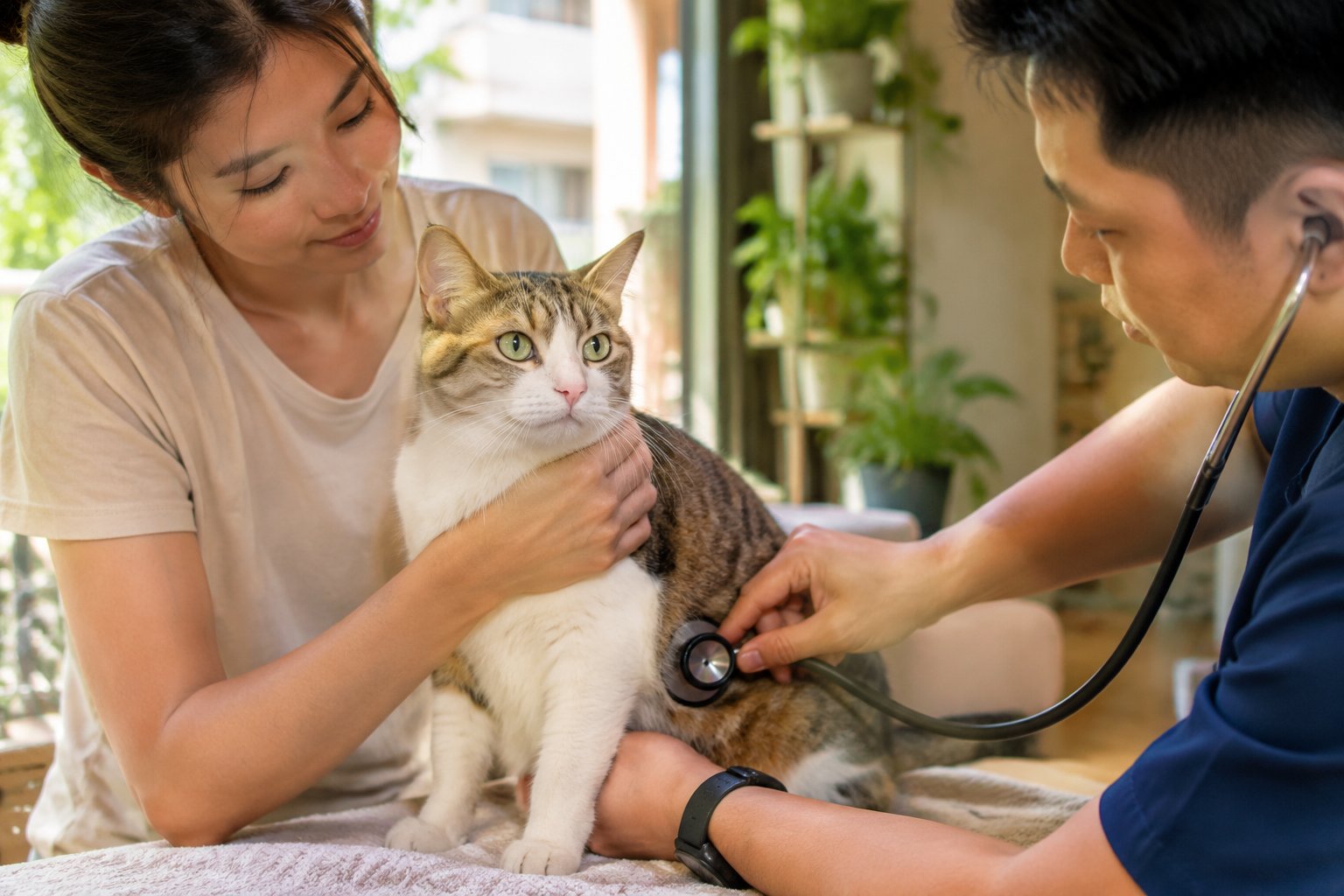
Trembling prevention for cats is mostly about removing the things that make a cat shiver before they happen: cold, fear, toxins, parasites, poor diet, pain and untreated illness. You cannot prevent every cause, but a warm, calm, hazard-free home and regular veterinary checks cut the risk substantially. Any sudden, repeated or unexplained trembling deserves a vet visit, because the cause may be medical rather than behavioural.
What trembling actually is
Trembling is a rhythmic, involuntary shaking of the muscles. It is different from a one-off shiver when a cat is startled, and different again from a seizure, which usually involves loss of awareness, paddling, drooling or collapse. Owners often describe several things as trembling: shivering from cold, quivering from excitement, muscle twitching during sleep, weakness in the back legs, or a fine tremor of the head.
Knowing which one you are seeing helps. A cat that trembles only when the air-conditioning is on and stops when curled on a warm blanket is probably cold. A cat that trembles while hiding after a thunderstorm is probably frightened. A cat that trembles, drools and wobbles after chewing a plant is a possible poisoning emergency.
Common causes of trembling in cats
Cold and heat loss
Small, thin, elderly and short-coated cats lose body heat quickly. Air-conditioned rooms, tiled floors and wet fur after a bath all increase heat loss. Shivering is the body's attempt to generate warmth.
Fear, stress and overstimulation
Loud noises, unfamiliar visitors, carrier travel, a new baby, a new pet, or a move to a new home can all trigger trembling. Some cats tremble during intense petting or when they are cornered.
Pain
Dental pain, arthritis, abdominal pain and injuries can cause trembling, especially in older cats. A cat that trembles when picked up or when jumping down should be examined.
Toxins and poisoning
This is one of the most important preventable causes. Human medicines, dog flea and tick products, insecticides, rodenticides, snail bait, antifreeze, certain plants and some human foods can cause tremors, seizures or both.
Infections and parasites
Fever from infection, and heavy parasite burdens, can make a cat unwell and shaky. Kittens and unvaccinated cats are at higher risk.
Metabolic and neurological disease
Kidney disease, liver disease, low blood sugar, thyroid problems, electrolyte imbalances, epilepsy, nerve or spinal disease and some viral infections can all produce trembling. These need veterinary diagnosis.
Diet-related problems
A diet that is incomplete, or a sudden change in food, can cause digestive upset and weakness. Never give human supplements or medicines without veterinary advice.
A room-by-room prevention checklist
Prevention works best when it is practical. Walk through your home with this list.
| Area | What to check | Why it matters |
|---|---|---|
| Kitchen | Medicines, cleaning products, onions, garlic, chocolate, xylitol, caffeine | Many are toxic to cats and can cause tremors |
| Bathroom | Toilet cleaner, bleach, medicines, damp floors | Chemical exposure and slips |
| Store room | Snail bait, rodent bait, insect spray, antifreeze | Common poisoning sources |
| Living room | Cables, unstable shelves, loud speakers, open windows | Injury and stress triggers |
| Bedroom | Air-conditioning vents, cold floors, small gaps | Cold and hiding hazards |
| Balcony | Open railings, plants, standing water | Falls and plant poisoning |
| Garden or corridor | Lilies, fertiliser, pest control, stray cats | Toxins and stress from territorial conflict |
Add a locked cupboard for all medicines and chemicals, and keep the number of your vet saved in your phone.
Warmth and comfort
Malaysian homes often run air-conditioning at night, and tiled floors stay cool. Thin, elderly or recovering cats may shiver in rooms that feel comfortable to people.
Practical steps:
- Provide at least one warm, draft-free bed, such as a covered basket with a blanket.
- Place bedding away from air-conditioning vents and direct drafts.
- Offer a raised or padded spot for older cats that struggle with cold floors.
- Dry cats thoroughly after a bath and avoid bathing in cool rooms.
- Watch for shivering that continues in a warm room; that is a reason to see a vet.
Stress reduction that actually works
A calm cat trembles less. Build a predictable routine and give the cat control over its environment.
- Keep feeding, play and litter-cleaning times consistent.
- Provide hiding places, high perches and scratching posts.
- Introduce new pets slowly, with scent swapping and separate spaces at first.
- Use a carrier that stays out at home so travel is less frightening.
- Keep noise down during thunderstorms and festive fireworks, and create a quiet inner room.
- Avoid punishing a frightened cat; it increases fear.
If your cat trembles during car trips, ask your vet about safe travel advice. Never give human sedatives.
Toxin prevention in detail
Toxin exposure is the most preventable cause of serious trembling. Cats groom themselves, so anything on their fur or paws can be swallowed.
Key rules:
- Never use dog flea or tick products on cats. Some contain ingredients that are highly toxic to cats.
- Store all medicines, including paracetamol and ibuprofen, in closed cupboards.
- Keep insecticides, snail bait and rodent bait out of reach, and follow label instructions.
- Do not let cats chew houseplants; lilies are particularly dangerous.
- Avoid feeding onions, garlic, chocolate, alcohol, caffeine or xylitol-containing foods.
- Wipe up antifreeze spills immediately and store containers sealed.
- If you suspect poisoning, call your vet immediately and do not wait for symptoms.
Diet, water and parasite control
Feed a complete and balanced commercial cat food suitable for your cat's life stage. Fresh water should be available at all times. Avoid sudden diet changes; transition gradually over about a week if you must switch.
Parasite control matters because heavy infestations can make cats unwell. Ask your vet which products suit your cat's age, weight and lifestyle, and use only cat-specific products at the correct dose.
Keep vaccinations and health checks up to date. Regular check-ups help catch kidney, thyroid, dental and metabolic problems before trembling appears.
Household safety for Malaysian homes
Different living situations create different risks.
- High-rise apartments: secure windows and balconies, because falls are a major hazard. Keep air-conditioning vents directed away from sleeping cats.
- Terrace houses: check gates and drains, and keep cats indoors during pest control or fogging in the neighbourhood.
- Homes with young children: store medicines and small toys out of reach, and teach children not to chase or corner the cat.
- Multi-cat homes: provide enough litter boxes, food stations and resting places to reduce conflict and stress.
Exercise, enrichment and weight
An active, healthy cat is generally more resilient. Short daily play sessions with wand toys, food puzzles and climbing opportunities support physical and mental health. Keep cats at a healthy weight; obesity worsens many diseases and makes older cats more prone to problems.
What to record before a vet visit
Good notes help your vet find the cause faster.
- When the trembling started and how long it lasts.
- Whether it happens at rest, during sleep, after eating or during handling.
- Any possible exposure to medicines, plants, chemicals or new foods.
- Changes in appetite, drinking, urination, stool, weight or behaviour.
- Whether the cat is vaccinated and on parasite control.
- A short video of the trembling, which is often more useful than a description.
When to see a vet
Contact a veterinarian promptly if your cat trembles repeatedly, trembles for no clear reason, or shows any of the following:
- Seizures, collapse, loss of consciousness or paddling movements
- Weakness, wobbliness, inability to stand or walk normally
- Vomiting, drooling, diarrhoea or refusal to eat
- Breathing difficulty or pale gums
- Trembling after possible poisoning, a fall or a fight
- Trembling in a kitten, an elderly cat or a pregnant cat
- Trembling that continues in a warm, calm room
If poisoning is suspected, treat it as an emergency and contact your vet straight away. Do not induce vomiting unless a vet tells you to.
Prevention at a glance
| Risk | Prevention step |
|---|---|
| Cold | Warm beds, avoid drafts, dry wet fur |
| Fear | Routine, hiding places, slow introductions |
| Poisoning | Locked cupboards, cat-safe products only |
| Parasites | Vet-recommended parasite control |
| Poor diet | Complete balanced food, gradual changes |
| Pain or illness | Regular vet checks, dental care, weight control |
| Injury | Secure windows and balconies |
A realistic prevention plan
Start with the highest-risk items: lock away medicines and chemicals, switch to cat-safe parasite products, and secure windows and balconies. Then improve warmth and stress management, and book a routine vet check if your cat has not had one recently. Keep a simple log of any trembling episodes so patterns become clear.
Prevention will not eliminate every cause, but it reduces the most common and most dangerous ones. When trembling appears suddenly or repeatedly, let a vet examine your cat rather than waiting.
This article is general information only and is not a substitute for veterinary examination, diagnosis or treatment. Always consult a licensed veterinarian about your cat's health.
Related reading
- Cat Sudden Aggression Treatment in Malaysia: Why It Happens and What to Do
- Electrical Cables and Cats in Malaysia: A Practical Safety Guide
- How to Prevent Electrical Cables Around Cats: A Practical Safety Guide for Malaysian Homes
- How to Treat Sudden Aggression in Cats at Home: A Safe, Step-by-Step Guide for Malaysian Owners
- Licking Wounds in Cats Malaysia: When It's Normal and When to Stop It
- Signs of Sudden Aggression in Cats in Malaysia: Why Your Cat Turned Aggressive and What to Do
- Signs of Trembling in Cats in Malaysia: What Shaking Really Means
- Sudden Aggression in Cats: Causes and Care (Malaysia Guide)
- Sudden Aggression in Cats in Malaysia: Why Your Cat Turned on You and What to Do

