
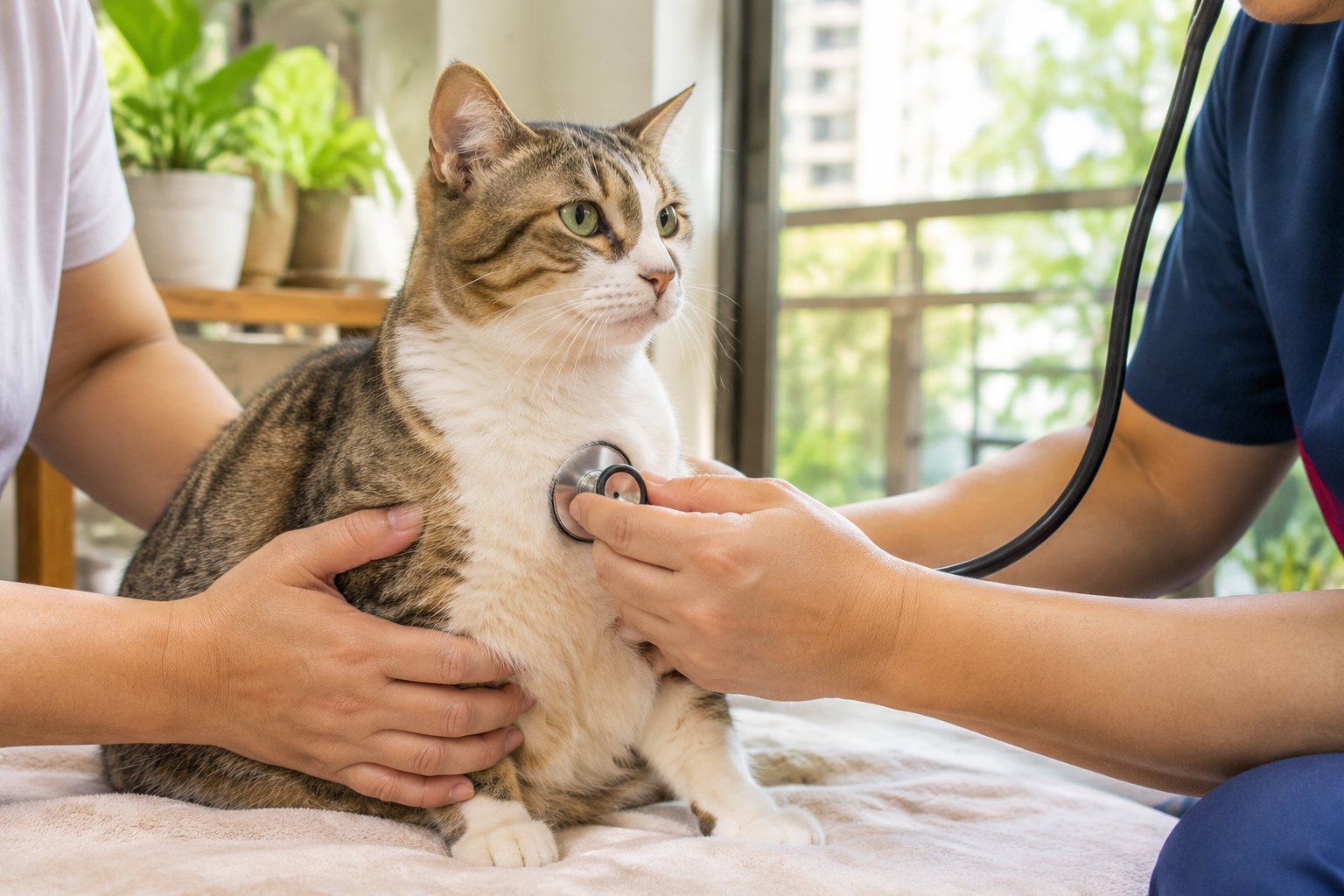
Arthritis in cats is common, painful, and often missed. Cats are experts at hiding discomfort, so many owners assume their senior cat is simply "slowing down" when in fact the cat is coping with joint pain. This guide explains how arthritis is diagnosed and treated in Malaysia, what you can do at home, and when to seek veterinary help.
What is arthritis in cats?
Arthritis (osteoarthritis) is a progressive disease of the joints. The cartilage that cushions the joint wears down, and the joint becomes inflamed and painful. In cats, it most often affects the elbows, hips, knees, and spine. Any cat can develop arthritis, but it is most common in older cats, overweight cats, and cats with a history of joint injury or developmental problems.
Unlike dogs, cats rarely show obvious limping. Instead, they change how they move and where they go. A cat that once leapt onto the kitchen counter may now hesitate, jump to a lower chair first, or stop jumping altogether. These subtle changes are easy to miss in a multi-cat household.
Recognising the signs: what owners often miss
Arthritis pain in cats shows up as changes in behaviour and routine. Watch for:
- Hesitating before jumping, or jumping to lower surfaces
- Stiffness after resting, especially first thing in the morning
- Reluctance to use stairs or climb
- Reduced grooming, especially around the lower back and hind legs
- Matted fur or overgrown claws because grooming hurts
- Changes in litter box habits (missing the box, or crying when urinating)
- Irritability when touched on the back, hips, or legs
- Sleeping more, playing less, or withdrawing from family activity
- Weight gain from reduced activity
Because these signs are gradual, owners often adapt without realising. A useful exercise is to compare your cat's current behaviour with how it moved two or three years ago. If you notice a pattern, book a vet visit.
How vets diagnose arthritis in Malaysia
Diagnosis starts with a thorough history and physical examination. Your vet will watch your cat walk, feel the joints for swelling and pain, and check muscle mass. Cats with chronic arthritis often lose muscle along the spine and hindquarters.
X-rays can show joint changes, but arthritis can be present even when X-rays look mild. Many vets use a pain scoring system and response to treatment as part of diagnosis. Blood tests are often recommended before starting medication, especially in older cats, to check kidney and liver function.
In Malaysia, access to advanced imaging varies by clinic. Your vet may refer you to a larger hospital if specialist imaging or orthopaedic assessment is needed. Ask about the diagnostic plan and costs upfront.
Treatment options available in Malaysia
Arthritis cannot be cured, but it can be managed. Treatment usually combines several approaches.
1. Vet-prescribed pain relief
Pain medication is the cornerstone of treatment for cats with clinical arthritis. Never give human painkillers to cats: paracetamol and ibuprofen are toxic and can be fatal. Only use medication prescribed by your vet for your cat.
Common options include:
- NSAIDs (non-steroidal anti-inflammatory drugs): These reduce pain and inflammation. In cats, NSAIDs must be used carefully and only under veterinary supervision because cats metabolise drugs differently from dogs and humans. Your vet may recommend blood tests to monitor kidney and liver values.
- Gabapentin: Often used for chronic pain, especially when there is a nerve component or when NSAIDs are not suitable. It can cause sedation, so dosing is individualised.
- Other analgesics: Your vet may prescribe other medications depending on your cat's health status. Some drugs used in dogs are not safe for cats.
Medication is usually long-term. Regular check-ups are important to monitor side effects and adjust doses.
2. Joint supplements
Supplements containing glucosamine, chondroitin, green-lipped mussel, or omega-3 fatty acids are popular. Evidence in cats is limited, but some owners report improvement. Supplements are not a substitute for pain relief. If your cat is in pain, medication should come first. Ask your vet before starting any supplement, especially if your cat has other health conditions.
3. Weight management
Extra weight puts strain on joints and worsens inflammation. Weight loss is one of the most effective treatments for arthritis in overweight cats. Your vet can help you plan a safe weight-loss programme. Never starve a cat; rapid weight loss can cause serious liver disease.
4. Exercise and physical therapy
Gentle, regular exercise helps maintain muscle and joint function. Short play sessions with a wand toy, food puzzles, and controlled walking around the house can help. Some clinics offer physiotherapy or rehabilitation, but availability in Malaysia varies. Ask your vet for safe exercises.
5. Home environment changes
Small changes at home make a big difference:
- Provide ramps or steps to favourite resting spots
- Use low-sided litter boxes
- Place food and water bowls within easy reach
- Add soft, warm bedding in draft-free areas
- Use non-slip mats on slippery floors
- Keep resources on each floor in multi-storey homes
6. Complementary therapies
Acupuncture and laser therapy are offered by some veterinary practices. Evidence is limited, but some cats benefit. These should complement, not replace, conventional treatment. Ask your vet whether these are appropriate for your cat.
Comparison of treatment approaches
| Approach | What it does | Considerations |
|---|---|---|
| NSAIDs | Reduces pain and inflammation | Requires vet supervision and blood monitoring; not suitable for all cats |
| Gabapentin | Reduces chronic pain, especially nerve-related | Can cause sedation; dose individualised |
| Joint supplements | May support joint health | Limited evidence; not a substitute for pain relief |
| Weight loss | Reduces joint load and inflammation | Must be done safely with vet guidance |
| Home changes | Reduces daily strain | Low cost, high impact |
| Physiotherapy | Maintains mobility and muscle | Availability varies; vet referral needed |
Home care checklist for Malaysian cat owners
Use this checklist to track your cat's progress and discuss with your vet:
- Record how often your cat jumps and to what height
- Note any hesitation or stiffness after rest
- Check for matted fur or overgrown claws
- Monitor litter box use and urine output
- Weigh your cat monthly and track body condition
- Keep a medication diary with dates and doses
- Note any side effects such as vomiting, lethargy, or appetite loss
- Schedule regular vet check-ups (often every 3–6 months)
Living with arthritis in a Malaysian home
Malaysian homes vary widely, from high-rise apartments in Kuala Lumpur to terrace houses in Johor and older shophouses in Penang. Each presents different challenges.
In a Kuala Lumpur apartment, space may be limited. Cats often rely on vertical space, so provide ramps or steps to cat trees and window perches. Slippery tiled floors are common; use non-slip mats along walking routes. Air-conditioning can make rooms cold, so offer warm, draft-free bedding.
In a Johor terrace house, stairs may be a daily challenge. Place litter boxes and food on each floor so your cat does not need to climb. During the rainy season, humidity can make floors damp and slippery; dry floors promptly and provide stable footing.
In Penang, many homes have tiled floors and open windows. Ensure ramps are secure and that your cat can access favourite spots without jumping. If your cat spends time outdoors, provide easy access back inside.
When to see a vet
See a vet promptly if your cat:
- Stops eating or drinking
- Cries out when moving or being touched
- Cannot use a leg or drags a limb
- Has sudden worsening of stiffness or pain
- Shows signs of urinary problems (straining, crying in the litter box, blood in urine)
- Develops vomiting, diarrhoea, or lethargy after starting medication
- Has a fall or injury
Arthritis is progressive, so early intervention gives the best chance of maintaining quality of life. Do not wait for obvious limping.
Questions to ask your vet
- What is the diagnosis and severity?
- Which medication is safest for my cat's kidney and liver function?
- What monitoring is needed and how often?
- What are the expected costs, including follow-up visits?
- Are there side effects I should watch for?
- What home changes do you recommend?
- Should my cat lose weight, and how should we do it safely?
Prognosis and quality of life
With good management, many cats with arthritis live comfortably for years. The goal is not a cure but a good quality of life: eating well, moving without obvious pain, grooming, and interacting with family. Regular reassessment allows adjustments as needs change.
Final thoughts
Cat arthritis is under-recognised but treatable. If you suspect your cat is in pain, book a vet visit. Treatment in Malaysia is available and effective when tailored to your cat. Combine medication, weight control, home changes, and regular monitoring for the best results.
This article is for general information only and is not a substitute for veterinary advice. Always consult a licensed veterinarian for diagnosis and treatment of your cat.
Related reading
- Arthritis in Cats: Causes and Care (Malaysia Guide)
- Arthritis in Cats in Malaysia: Signs, Diagnosis and Home Care
- Arthritis Prevention for Cats: A Practical Malaysian Guide
- Blood Test for Cats in Malaysia: What It Checks, Costs and When You Need One
- Cat Limping Treatment in Malaysia: What to Do, What to Expect
- Cat Trembling Treatment in Malaysia: Causes, Home Care and When to See a Vet
- How to Treat Arthritis in Cats at Home: A Practical Guide for Malaysian Owners
- How to Treat Diabetes in Cats at Home: A Practical Guide for Malaysian Owners
- How to Treat Kidney Disease in Cats at Home: A Practical Malaysian Guide