
Quick answer
Diabetes in cats happens when the body can't produce enough insulin or respond to it, usually driven by obesity, age and genetics. It's manageable with insulin, a high-protein low-carb diet, weight control and regular vet checks. Early signs include heavy drinking, frequent urination, weight loss despite a good appetite, and lethargy.
What is feline diabetes?
Feline diabetes mellitus is a disorder of glucose regulation. In a healthy cat, the pancreas releases insulin to move glucose from the blood into cells for energy. In diabetes, either the pancreas produces too little insulin (similar to type 1 diabetes in people) or the body's cells stop responding properly to insulin (similar to type 2). Many cats have a combination of both.
Most diabetic cats have type 2-like disease, which is why weight and diet matter so much. The condition is common in middle-aged to older cats, and certain breeds may be predisposed. It is not contagious and cannot be passed to other pets or people.
Causes and risk factors
There is no single cause. Vets consider diabetes a multifactorial disease, meaning several factors combine. The most important risk factors are:
- Obesity and overweight body condition. Excess fat tissue makes cells less responsive to insulin. This is the biggest modifiable risk factor.
- Age. Most cases are diagnosed in cats over seven years old.
- Sex and neutering. Neutered male cats appear at higher risk in many studies.
- Genetics and breed. Some breeds, such as Burmese, may have a higher predisposition.
- Physical inactivity. Indoor, sedentary cats are more likely to gain weight.
- Diet. High-carbohydrate, highly processed diets can contribute to weight gain and glucose instability.
- Certain medications. Long-term steroid use can raise blood glucose and trigger diabetes in susceptible cats.
- Other conditions. Pancreatitis, dental disease and hormonal disorders can complicate glucose control.
A useful way to think about it: genetics loads the gun, but body condition and lifestyle often pull the trigger. That is good news, because weight management is something owners can influence.
Signs and symptoms to watch for
The classic four signs are:
- Increased thirst (polydipsia). The water bowl empties faster than usual.
- Increased urination (polyuria). Larger or more frequent urine clumps in the litter box.
- Weight loss despite a good or increased appetite. The cat eats well but looks thinner.
- Lethargy and reduced activity. The cat sleeps more and plays less.
Other signs include a dull, greasy coat, poor wound healing, recurrent infections (especially urinary tract infections), vomiting, and in advanced cases, a plantigrade stance (walking on the hocks of the hind legs) caused by diabetic neuropathy. Some cats develop ketoacidosis, a medical emergency with vomiting, weakness, rapid breathing and collapse.
How vets diagnose diabetes in cats
Diagnosis is not based on a single test. Your vet will typically:
- Take a full history, including water intake, appetite, weight changes and litter box habits.
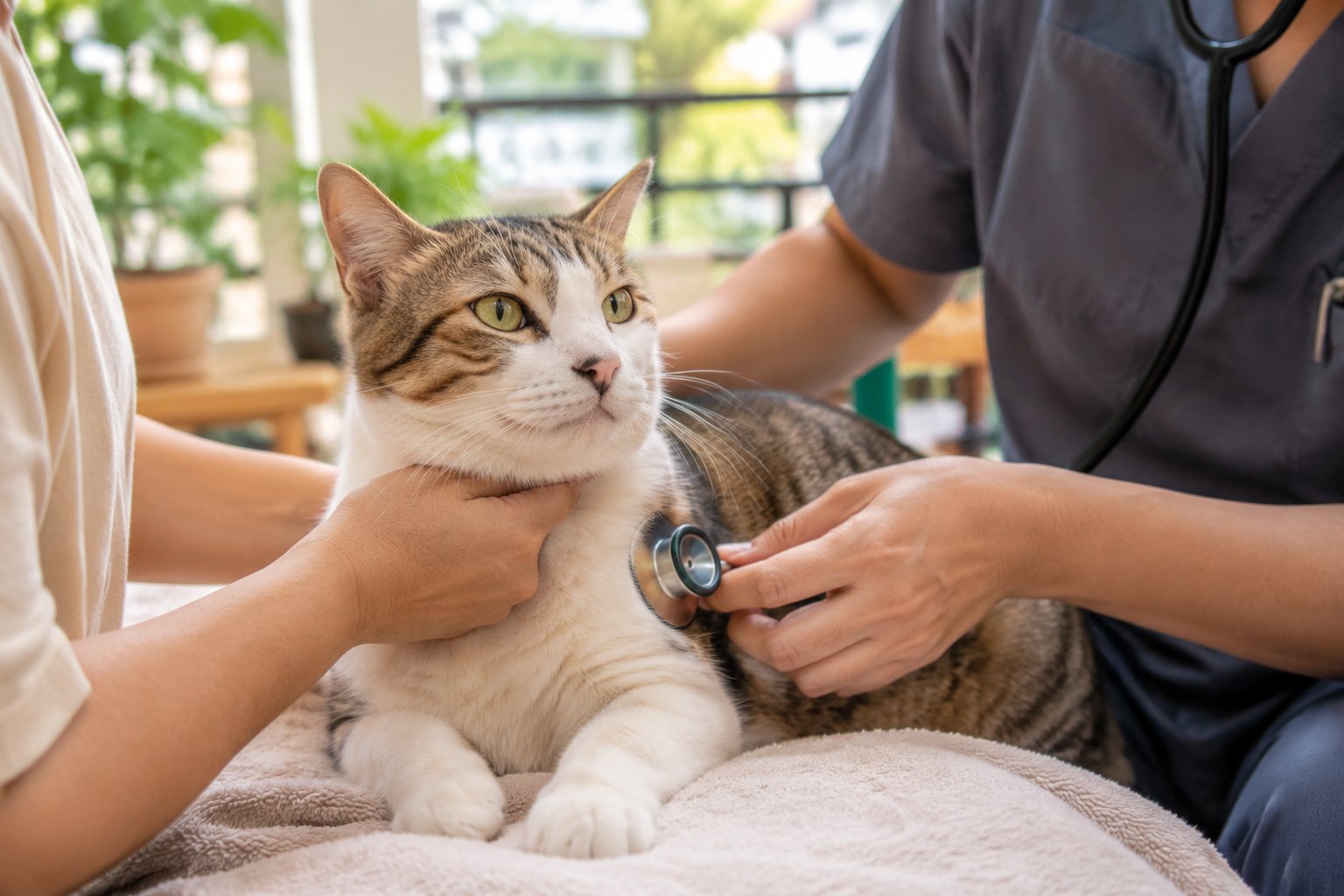
- Perform a physical examination, including body condition score and hydration.
- Run blood tests to measure glucose and check organ function.
- Test urine for glucose and ketones.
- Measure fructosamine, a marker of average blood glucose over the previous one to two weeks.
Stress can raise a cat's blood glucose temporarily, so a single high reading is not enough. Vets look for persistent high glucose alongside consistent clinical signs. They also rule out other causes of increased thirst and urination, such as kidney disease, hyperthyroidism and urinary tract disease.
Treatment: insulin and routine
Most diabetic cats need insulin injections. Your vet will choose the type, concentration and dose. Insulin is given with a small, fine needle, usually under the skin of the scruff or flank, and most cats tolerate it well, especially when given a small treat afterwards.
Key rules for insulin:
- Never change the dose without veterinary advice.
- Use the exact syringe your vet specifies. Insulin concentrations differ, and using the wrong syringe can cause a dangerous overdose.
- Roll, don't shake. Follow the manufacturer's instructions for mixing.
- Store insulin correctly. Most types need refrigeration; never freeze it.
- Keep a log. Record the time, dose, food intake and any unusual behaviour.
- Feed before injecting. Unless your vet advises otherwise, give food first so you know the cat has eaten.
Some cats are managed with oral medication, but this is less common and not suitable for all. Your vet will decide.
Diet and weight management
Diet is a cornerstone of care. Many vets recommend a high-protein, low-carbohydrate diet. Canned or pouch foods often make it easier to reduce carbohydrate content, but some dry therapeutic diets are also designed for diabetic cats. The right choice depends on your cat's other health issues, such as kidney disease.
Practical feeding tips:
- Feed consistent meals at consistent times. This helps match insulin action.
- Measure portions. Use a kitchen scale or measuring cup rather than estimating.
- Avoid free-feeding dry food. It makes glucose control harder.
- Limit treats. Use small pieces of cooked chicken or a vet-approved treat.
- Keep water available. Diabetic cats can become dehydrated.
Weight loss should be gradual. Rapid weight loss in an overweight cat can trigger hepatic lipidosis, a serious liver condition. Ask your vet for a target weight and a safe rate of loss.
Monitoring at home
Owners play a big role in monitoring. You don't need to be a nurse, but you do need to observe.
- Water intake. Note how often you refill the bowl.
- Litter box output. Check clump size and frequency.
- Appetite and attitude. A cat that suddenly stops eating or becomes quiet may be hypoglycaemic or ill.
- Weight. Weigh monthly on a baby scale if possible.
- Urine or blood glucose testing. Some owners learn to test at home; ask your vet whether this is suitable for your cat.
Comparison: monitoring methods
| Method | What it shows | Practical notes |
|---|---|---|
| Observation (water, litter, appetite) | Day-to-day trends | Free, easy, but not precise |
| Urine glucose strips | Whether glucose has spilled into urine | Useful for screening; not a substitute for vet curves |
| Home blood glucose meter | Current blood glucose | Requires training and a suitable meter; calibrate with your vet |
| Fructosamine (at clinic) | Average glucose over 1–2 weeks | Good for stable cats and for checking control |
| Glucose curve (at clinic) | Response to insulin over a day | Used when starting or adjusting insulin |
Hypoglycaemia: the emergency to know
Low blood sugar is the most serious risk of insulin treatment. Signs include weakness, wobbliness, confusion, drooling, trembling, seizures and collapse. If you suspect hypoglycaemia:
- Rub a small amount of honey or glucose syrup on the gums.
- Do not force food into a collapsed cat's mouth.
- Contact your vet immediately.
- If the cat recovers, offer a small meal and call the vet for advice.
Keep a note of the insulin dose and time so your vet can assess what happened.
Living with a diabetic cat in Malaysia
Malaysia's climate and housing patterns shape diabetic care in practical ways.
- Kuala Lumpur apartment: Space is limited, so indoor play and vertical climbing structures help keep an indoor cat active. Consistent meal times fit well with a busy city routine, and a small fridge shelf for insulin is essential.
- Johor terrace house: A cat that roams or sits by the door may be harder to monitor. Keep a litter box indoors so you can track urine output, and secure windows and doors to prevent wandering.
- Penang rainy season: Humid, wet weather can make some cats less active and more prone to weight gain. Use indoor play and puzzle feeders to keep activity up.
Heat can also affect insulin storage and appetite. Keep insulin out of direct sunlight and never leave it in a hot car. If your cat's appetite drops during hot spells, contact your vet rather than skipping insulin without advice.
When to see a vet
Contact a veterinarian promptly if your cat:
- Drinks and urinates much more than usual.
- Loses weight despite eating well.
- Becomes lethargic, weak or stops eating.
- Vomits repeatedly or seems dehydrated.
- Develops hind-leg weakness or an unusual stance.
- Shows signs of low blood sugar: wobbliness, drooling, trembling or collapse.
- Has a wound or infection that isn't healing.
If your cat is already on insulin and becomes unwell, do not adjust the dose yourself. Call your vet for guidance.
Prevention and early detection
Not all cases can be prevented, but you can reduce risk:
- Keep your cat at a healthy weight.
- Feed measured meals and limit high-carbohydrate foods.
- Encourage daily play and activity.
- Schedule annual vet checks, and twice-yearly checks for senior cats.
- Ask for glucose and urine testing if your cat is overweight or over seven years old.
Vet disclaimer
This article is general information for Malaysian cat owners and is not a substitute for veterinary advice. Diagnosis and treatment of diabetes must be carried out by a licensed veterinarian who has examined your cat. Always follow your vet's instructions on insulin, diet and monitoring.
Related reading
- Cat Health Guide Malaysia: Symptom Check, Red-Flag Triage & When to See a Vet
- Blood Test for Cats Step by Step: What Happens at the Clinic
- Cat Diabetes Treatment in Malaysia: A Practical Owner's Guide
- Diabetes in Cats Malaysia: Signs, Diagnosis and Daily Care
- Diabetes Prevention for Cats: A Practical Guide for Malaysian Owners
- How to Treat Constipation in Cats at Home: A Practical Malaysian Guide
- How to Treat Diabetes in Cats at Home: A Practical Guide for Malaysian Owners
- How to Treat Obesity in Cats at Home: A Practical Malaysian Guide
- Arthritis in Cats: Causes and Care (Malaysia Guide)

