
PetChill Pet Encyclopedia
Cat Health

Dehydration in Cats in Malaysia: Signs, Causes and How to Help

Malaysian heat and humidity make fluid loss easy to miss. This guide explains the signs of dehydration in cats, how dehydration is assessed, common causes, and simple home steps to keep your cat hydrated.

Published: 2026-11-08·7 min read·Author: PetChill Editorial
Dehydration in Cats in Malaysia: Signs, Causes and How to Help

Quick answer

Dehydration in cats means the body has lost more fluid than it takes in. In Malaysia's heat, cats can dehydrate faster, especially if they eat mostly dry food or have kidney disease, diabetes or vomiting. Watch for tacky gums, skin that stays tented, sunken eyes and lethargy, and see a vet promptly.

Why dehydration matters more in Malaysia's climate

Malaysia is hot and humid year-round, and many cats live in apartments or terrace houses where the air can feel still and warm. Cats are descended from desert-dwelling ancestors, so they are good at conserving water, but that also means they can hide early dehydration well. A cat that seems "fine" may already be several percent down on fluids.

Heat increases fluid loss through evaporation and panting. Humidity can make a cat feel uncomfortable and less active, and some cats respond by sleeping more and drinking less. Add a bowl of dry kibble and a cat that dislikes drinking, and you have a recipe for low-grade dehydration that builds over days.

Indoor cats in Kuala Lumpur apartments may spend afternoons near glass windows that act like a greenhouse. Cats in Penang or Johor may face sudden heavy rain and humid spells that change their routine. Whatever the setting, the principle is the same: fresh, cool water in several places, shade, and a diet with enough moisture.

Recognising the signs of dehydration

Dehydration signs range from subtle to severe. Mild cases may show only a slightly tacky mouth and a cat that seems a bit quiet. Moderate to severe cases show clearer changes.

Common signs include:

  • Tacky or dry gums instead of slick, wet gums.
  • Skin at the scruff or between the shoulder blades that stays tented when gently lifted.
  • Sunken eyes or eyes that look dull.
  • Lethargy, weakness or reluctance to move.
  • Reduced appetite.
  • Less urine, or very concentrated, strong-smelling urine.
  • Panting, fast breathing or a racing heart in severe cases.
  • Collapse, confusion or seizures in extreme cases.

A useful home check is the skin tent test. Gently pinch the skin over the shoulders and release it. In a well-hydrated cat it springs back quickly. In a dehydrated cat it returns slowly or stays up. This test is a guide, not a diagnosis; older cats and very thin cats may have less elastic skin for other reasons.

Also look at the gums. Lift the lip and touch the gum above the teeth. It should feel wet and slippery. Sticky or dry gums are a warning sign. Gum colour matters too: pale, white, blue or very dark gums need urgent veterinary attention.

How vets assess hydration

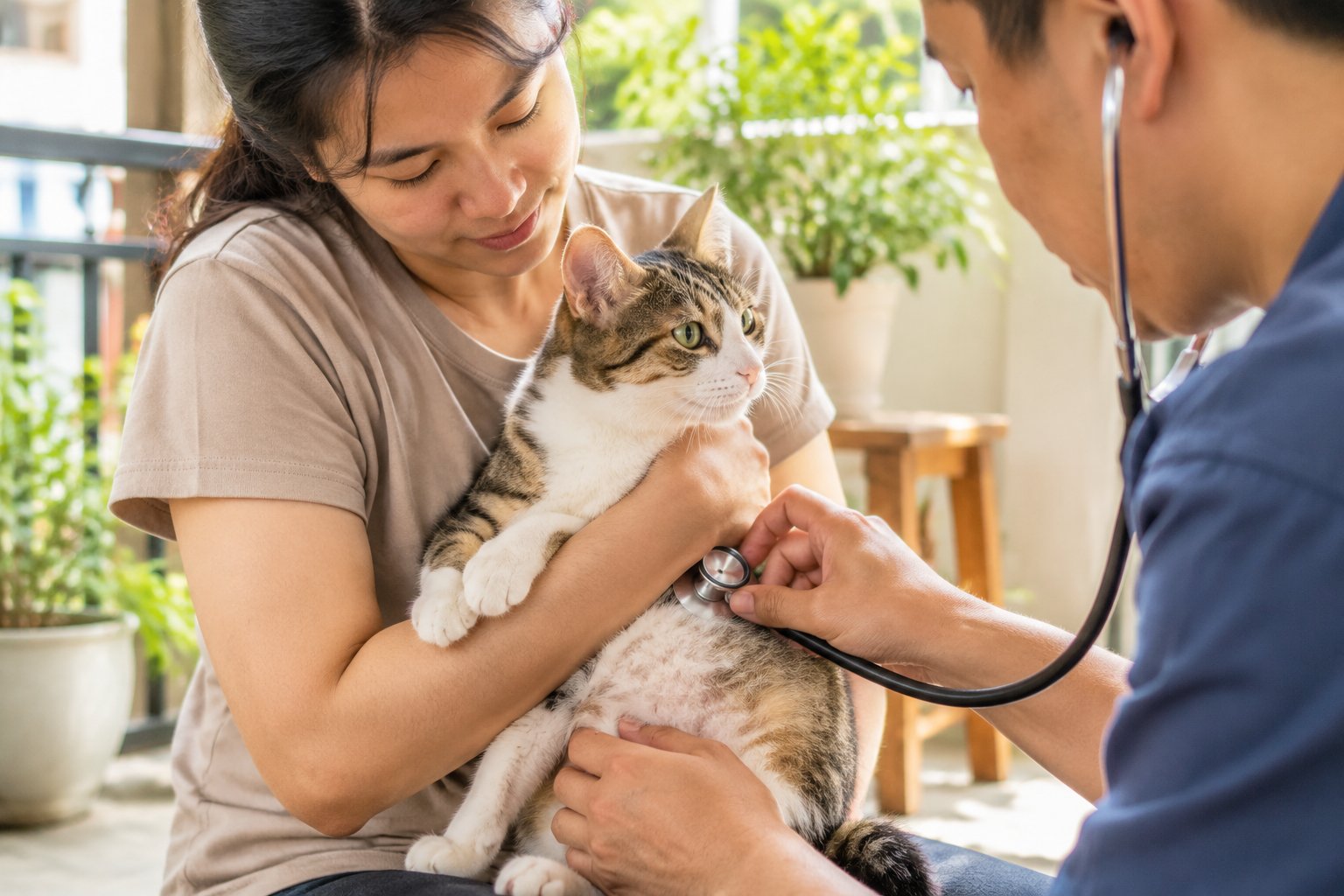
Veterinarians use several checks together rather than relying on one sign. They may assess skin turgor, gum moisture, eye position, capillary refill time (how quickly colour returns when the gum is pressed), heart rate, breathing and body temperature. They may also weigh your cat, because sudden weight loss can reflect fluid loss.

Blood tests can reveal dehydration indirectly through changes in red cell concentration, kidney values and electrolytes. Urine tests can show concentration. These tests also help identify underlying causes such as kidney disease, diabetes or thyroid problems.

If dehydration is significant, your vet may recommend intravenous fluids in the clinic or, for some stable patients, subcutaneous fluids at home with a clear plan. Never give fluids at home without veterinary instruction, because the type, volume and frequency must match your cat's condition.

Common causes of dehydration in cats

Dehydration happens when fluid intake falls or fluid loss rises. Often both happen together.

Cause What happens Practical note
Dry-food-only diet Low water content in food Wet food or added water helps
Not drinking enough Cats are naturally low drinkers Multiple water stations, fountains
Hot, humid weather More fluid lost through evaporation Shade, cool water, ventilation
Vomiting or diarrhoea Rapid fluid and electrolyte loss Vet visit if it persists
Fever or infection Increased fluid loss Treat the underlying cause
Kidney disease More urine produced, poor concentration Regular vet monitoring
Diabetes mellitus Excessive urination and thirst Blood and urine tests needed
Hyperthyroidism Increased metabolism and fluid loss Blood tests needed
Dental pain or mouth ulcers Reluctance to eat or drink Oral exam by a vet
Stress or change Reduced eating and drinking Calm routine, gradual changes
Medications Some drugs increase urination Ask your vet about side effects

In Malaysia, dry food is popular because it is convenient and keeps well in the humidity. That convenience has a trade-off: dry food contains roughly 6–10% water, while canned food is often around 75–80% water. A cat on dry food must drink more to stay balanced, and many cats simply do not.

Health conditions that raise the risk

Chronic kidney disease is one of the most common reasons older cats dehydrate. Damaged kidneys cannot concentrate urine well, so the cat loses more water and may drink more to compensate. Over time, the balance tips. Cats with kidney disease often benefit from wet food and careful monitoring, and some need fluids at home under veterinary supervision.

Diabetes mellitus causes high blood sugar, which pulls water into the urine. Affected cats drink and urinate more, and can become dehydrated quickly if the condition is untreated. Hyperthyroidism increases metabolism and can lead to weight loss and fluid imbalance. Dental disease and mouth ulcers can make eating and drinking painful.

Any illness that causes vomiting, diarrhoea or fever can dehydrate a cat within hours, especially kittens and senior cats. If your cat is unwell, assume hydration needs attention and speak to your vet.

How to encourage your cat to drink more

Small changes add up. Try these practical steps:

  1. Offer multiple water bowls in different rooms, away from food and litter trays.
  2. Use wide, shallow bowls so whiskers do not touch the sides.
  3. Refresh water at least twice a day; some cats prefer cool, fresh water.
  4. Try a pet water fountain; moving water appeals to many cats.
  5. Add a little warm water to wet food to make a soupy consistency.
  6. Offer unsalted, onion- and garlic-free broth as a treat.
  7. Feed more wet food if your cat accepts it, transitioning slowly.
  8. Keep water away from direct sun and hot windows.
  9. In hot weather, place bowls in shaded, well-ventilated spots.
  10. Reduce stress: calm, predictable routines help cats eat and drink normally.

Avoid adding salt to food or water to "make the cat drink". That can worsen dehydration and harm the heart and kidneys. Avoid human soups, gravies and stock cubes, which are often high in salt and may contain onion or garlic, both toxic to cats.

If your cat ignores water bowls, watch where they already drink: some cats prefer a dripping tap, a glass on the table or a bowl in the bathroom. Work with those preferences rather than against them.

Feeding for hydration

Wet food is the simplest way to increase water intake. A cat eating mostly canned food may drink very little from a bowl and still be well hydrated. If your cat is used to dry food, transition gradually over one to two weeks, mixing a little wet food into the dry and increasing the proportion.

Some cats do well on a mixed diet: wet food twice daily plus a measured portion of dry food. Others need prescription diets for kidney or urinary conditions. Ask your vet before changing diets, especially if your cat has a health condition.

Always provide fresh water alongside any diet. Even cats on wet food should have water available. In warm Malaysian homes, change water frequently so it does not become warm or stale.

When to see a vet

See a vet promptly if your cat shows any of these signs:

  • Skin that stays tented after the scruff test.
  • Tacky or dry gums, or pale, blue or dark gums.
  • Sunken eyes or a dull, staring look.
  • Repeated vomiting or diarrhoea.
  • Not eating or drinking for more than 24 hours.
  • No urine for more than 24 hours, or straining to urinate.
  • Weakness, wobbliness, collapse or seizures.
  • Fast breathing or panting at rest.
  • Known kidney disease, diabetes or thyroid disease with worsening thirst or urination.

Kittens, senior cats and cats with chronic illness can deteriorate quickly. When in doubt, call your vet. It is better to have a cat checked early than to wait for severe signs.

Preventing dehydration day to day

Prevention is mostly about routine. Keep water bowls clean and full, offer wet food, and watch how much your cat drinks and urinates. Weigh your cat regularly; sudden changes can be an early clue. In apartments, create a cool retreat away from hot windows. In terrace houses, check that outdoor cats have shade and water at all times.

During hot spells, freeze a water bottle and wrap it in a towel for a cool spot, or place a few ice cubes in a wide bowl for cats that enjoy them. Never leave a cat in a car, even briefly. Provide ventilation and shade, and avoid strenuous play during the hottest part of the day.

If your cat is on medication, ask your vet whether it affects urination or thirst. If your cat has a chronic condition, keep regular check-ups and follow the hydration plan your vet sets.

A simple hydration checklist

  • Fresh, cool water in at least two places.
  • Wide, shallow bowls or a fountain.
  • Wet food or added water in food.
  • Shade and ventilation in hot weather.
  • Daily check of gums and skin tent if your cat is at risk.
  • Weekly weight check for senior or unwell cats.
  • Prompt vet visit for vomiting, diarrhoea, lethargy or not drinking.

Dehydration is easier to prevent than to treat. With a few consistent habits, most cats can stay well hydrated even in Malaysia's heat.

This article is general information only and is not a substitute for veterinary advice. If you are worried about your cat's hydration, consult a licensed veterinarian.

Frequently Asked Questions

📌 Key Takeaways

  • This article covers: Quick answer, Why dehydration matters more in Malaysia's climate, Recognising the signs of dehydration, How vets assess hydration, Common causes of dehydration in cats, and more
  • Jump to any section via the table of contents for the key details
  • If in doubt, consult a registered veterinarian

Explore this topic cluster

This guide belongs to a Malaysia-focused topic cluster. Read the pillar guide and related articles.

View cluster →

📚 Cat Health article index

This article is part of the Cat Health topic cluster. Explore related articles:

⭐ Pillar guide: Cat Health complete guideAnemia in Cats: Causes, Signs and Care (Malaysia Guide)→ ReadAnemia in Cats in Malaysia: Signs, Causes, and What to Do→ ReadAnemia Prevention for Cats: A Practical Guide for Malaysian Owners→ ReadArthritis in Cats: Causes and Care (Malaysia Guide)→ ReadArthritis in Cats in Malaysia: Signs, Diagnosis and Home Care→ ReadArthritis Prevention for Cats: A Practical Malaysian Guide→ ReadBad Breath in Cats: Causes and Care (Malaysian Owner's Guide)→ ReadBad Breath in Cats in Malaysia: Causes, Home Checks and When to Worry→ ReadBad Breath Prevention for Cats: A Practical Guide for Malaysian Owners→ ReadBreathing Difficulty in Cats: Causes and Care (Malaysia Guide)→ ReadBreathing Difficulty in Cats in Malaysia: Signs, Causes and What to Do→ ReadBreathing Difficulty Prevention for Cats: A Practical Malaysian Guide→ ReadCat Anemia Treatment in Malaysia: A Practical Owner's Guide→ ReadCat Arthritis Treatment in Malaysia: A Practical Owner's Guide→ ReadCat Bad Breath Treatment in Malaysia: Causes, Home Care and When to See a Vet→ ReadCat Breathing Difficulty Treatment in Malaysia: What to Do and What to Expect→ ReadCat Constricted Pupils Treatment in Malaysia: What to Do When Your Cat's Eyes Look Pinpoint→ ReadCat Coughing Treatment in Malaysia: Causes, Home Care & When to See a Vet→ ReadCat Dehydration Treatment in Malaysia: Signs, Home Care and When to See a Vet→ ReadCat Diabetes Treatment in Malaysia: A Practical Owner's Guide→ ReadCat Dry Food in Malaysia: A Practical Guide for Cat Owners→ ReadCat Excessive Thirst Treatment in Malaysia: What to Do When Your Cat Drinks Too Much→ ReadCat Excessive Urination Treatment in Malaysia: A Practical Guide for Owners→ ReadCat Fever Treatment in Malaysia: What to Do When Your Cat Is Hot→ ReadCat Food Online Store in Malaysia: How to Choose, Order and Store Safely→ ReadCat Heatstroke Treatment in Malaysia: First Aid, Vet Care & Prevention→ ReadCat Itching Treatment in Malaysia: A Practical Guide for Itchy Cats→ ReadCat Kidney Disease Treatment in Malaysia: A Practical Owner's Guide→ ReadCat Limping Treatment in Malaysia: What to Do, What to Expect→ ReadCat Obesity Treatment in Malaysia: A Practical, Vet-Led Plan for Overweight Cats→ ReadCat Pale Gums Treatment in Malaysia: What to Do When Your Cat's Gums Turn White→ ReadCat Seizures Treatment in Malaysia: What to Do, Causes & Vet Care→ ReadCat Sneezing Treatment in Malaysia: What to Do and When to Worry→ ReadCat Sudden Aggression Treatment in Malaysia: Why It Happens and What to Do→ ReadCat Swollen Belly Treatment in Malaysia: Causes, Home Care and When to See a Vet→ ReadCat Ticks Treatment in Malaysia: A Practical Owner's Guide→ ReadCat Trembling Treatment in Malaysia: Causes, Home Care and When to See a Vet→ ReadCat Urinary Blockage Treatment in Malaysia: What to Do, Step by Step→ ReadConstricted Pupils in Cats: Causes and Care (Malaysia Guide)→ ReadConstricted Pupils in Cats Malaysia: Causes, When to Worry & What to Do→ ReadConstricted Pupils in Cats: Prevention and What They Mean→ ReadCoughing in Cats: Causes and Care (Malaysia Guide)→ ReadCoughing in Cats in Malaysia: Causes, When to Worry & What to Do→ ReadCoughing Prevention for Cats: A Practical Guide for Malaysian Owners→ ReadDehydration in Cats: Causes, Warning Signs and How to Care for a Thirsty Cat→ ReadDehydration Prevention for Cats: A Practical Guide for Malaysian Owners→ ReadDiabetes in Cats: Causes and Care (Malaysian Owner's Guide)→ ReadDiabetes in Cats Malaysia: Signs, Diagnosis and Daily Care→ ReadDiabetes Prevention for Cats: A Practical Guide for Malaysian Owners→ ReadDry Cat Food in Malaysia: A Complete Guide for Cat Owners→ ReadExcessive Thirst in Cats: Causes and Care (Malaysian Owner's Guide)→ ReadExcessive Thirst in Cats in Malaysia: Causes, Warning Signs and What to Do→ ReadExcessive Thirst Prevention for Cats: A Practical Malaysian Owner's Guide→ ReadExcessive Urination in Cats: Causes and Care (Malaysia Guide)→ ReadExcessive Urination in Cats in Malaysia: Causes, When to Worry & What to Do→ ReadExcessive Urination in Cats: Prevention Guide for Malaysian Owners→ ReadFever in Cats: Causes, Care and When to See a Vet in Malaysia→ ReadFever in Cats in Malaysia: Signs, Causes and What to Do→ ReadFever Prevention for Cats: A Practical Guide for Malaysian Owners→ ReadHarga Pasir Kucing in Malaysia: What Drives the Price and How to Choose→ ReadHeatstroke in Cats: Causes, Signs and Care (Malaysia Guide)→ ReadHeatstroke in Cats in Malaysia: Signs, First Aid & Prevention→ ReadHeatstroke Prevention for Cats in Malaysia: A Practical Owner's Guide→ ReadHow to Treat Anemia in Cats at Home: What You Can Safely Do (and What You Can't)→ ReadHow to Treat Arthritis in Cats at Home: A Practical Guide for Malaysian Owners→ ReadHow to Treat Bad Breath in Cats at Home: A Practical Malaysian Guide→ ReadHow to Treat Breathing Difficulty in Cats at Home: Safe First Steps and When to Rush to the Vet→ ReadHow to Treat Constricted Pupils in Cats at Home: What You Can (and Cannot) Do Safely→ ReadHow to Treat Coughing in Cats at Home: A Practical Guide for Malaysian Owners→ ReadHow to Treat Dehydration in Cats at Home: A Practical Malaysian Guide→ ReadHow to Treat Diabetes in Cats at Home: A Practical Guide for Malaysian Owners→ ReadHow to Treat Excessive Thirst in Cats at Home: A Practical Guide for Malaysian Owners→ ReadHow to Treat Excessive Urination in Cats at Home: A Practical Malaysian Guide→ ReadHow to Treat Fever in Cats at Home: Safe Steps for Malaysian Owners→ ReadHow to Treat Heatstroke in Cats at Home: First Aid, Cooling Steps and When to Get Help→ ReadHow to Treat Itching in Cats at Home: A Practical Guide for Malaysian Owners→ ReadHow to Treat Kidney Disease in Cats at Home: A Practical Malaysian Guide→ ReadHow to Treat Limping in Cats at Home: Safe Steps for Malaysian Owners→ ReadHow to Treat Obesity in Cats at Home: A Practical Malaysian Guide→ ReadHow to Treat Pale Gums in Cats at Home: What You Can Do Safely→ ReadHow to Treat Seizures in Cats at Home: A Practical Malaysian Owner's Guide→ ReadHow to Treat Sneezing in Cats at Home: A Practical Malaysian Guide→ ReadHow to Treat Sudden Aggression in Cats at Home: A Safe, Step-by-Step Guide for Malaysian Owners→ ReadHow to Treat a Swollen Belly in Cats at Home: What's Safe, What Isn't→ ReadHow to Treat Ticks in Cats at Home: A Safe, Step-by-Step Guide for Malaysian Owners→ ReadHow to Treat Trembling in Cats at Home: A Practical Malaysian Guide→ ReadHow to Treat Urinary Blockage in Cats at Home: What You Can and Cannot Do→ ReadItching in Cats: Causes and Care (Malaysia Guide)→ ReadItching in Cats in Malaysia: Causes, Relief and When to See a Vet→ ReadItching Prevention for Cats: A Practical Guide for Malaysian Owners→ ReadKidney Disease in Cats: Causes, Signs and Care (Malaysia Guide)→ ReadKidney Disease in Cats Malaysia: Signs, Stages, Diet & Care→ ReadKidney Disease Prevention for Cats: A Practical Guide for Malaysian Owners→ ReadLimping in Cats: Causes, Care and When to See a Vet in Malaysia→ ReadLimping in Cats in Malaysia: Causes, Home Checks, and When to See a Vet→ ReadLimping Prevention for Cats: A Malaysian Owner's Guide to Keeping Joints and Paws Healthy→ ReadObesity in Cats: Causes and Care (Malaysian Owner's Guide)→ ReadObesity in Cats Malaysia: A Practical Guide for Owners→ ReadObesity Prevention for Cats: A Practical Guide for Malaysian Owners→ ReadOnline Cat Food in Malaysia: A Practical Guide to Buying Safely→ ReadPale Gums in Cats: Causes and Care (Malaysian Owner's Guide)→ ReadPale Gums in Cats in Malaysia: Causes, What to Check, and When to See a Vet→ ReadPale Gums in Cats: Prevention, Early Warning Signs and What Malaysian Owners Should Do→ ReadPasir Kucing 20kg: A Practical Guide to Buying Bulk Cat Litter in Malaysia→ ReadPasir Kucing" in English: What Cat Litter Is Called and How to Choose It→ ReadSeizures in Cats: Causes and Care (Malaysia Guide)→ ReadSeizures in Cats in Malaysia: Causes, Signs and What to Do→ ReadSeizures Prevention for Cats: A Practical Guide for Malaysian Owners→ ReadHow to Shop for Cat Food in Malaysia: A Practical Guide for Cat Owners→ ReadSigns of Anemia in Cats in Malaysia: What to Watch For→ ReadSigns of Arthritis in Cats in Malaysia: What Owners Should Look For→ ReadSigns of Bad Breath in Cats in Malaysia: What Your Cat's Mouth Is Telling You→ ReadSigns of Breathing Difficulty in Cats in Malaysia: What Every Owner Must Know→ ReadSigns of Constricted Pupils in Cats in Malaysia: What Small Pupils Mean→ ReadSigns of Coughing in Cats Malaysia: What Every Owner Should Know→ ReadSigns of Dehydration in Cats in Malaysia: Early Warning Signs & What to Do→ ReadSigns of Diabetes in Cats Malaysia: Early Symptoms Owners Miss→ ReadSigns of Excessive Thirst in Cats in Malaysia: When Drinking More Is a Warning→ ReadSigns of Excessive Urination in Cats in Malaysia: What's Normal, What's Not, and When to Worry→ ReadSigns of Fever in Cats in Malaysia: How to Tell and What to Do→ ReadSigns of Heatstroke in Cats in Malaysia: What to Watch For→ ReadSigns of Itching in Cats in Malaysia: How to Spot, Soothe and When to See a Vet→ ReadSigns of Kidney Disease in Cats Malaysia: Early Warning Signs to Watch→ ReadSigns of Limping in Cats in Malaysia: What Owners Should Notice→ ReadSigns of Obesity in Cats in Malaysia: How to Tell If Your Cat Is Overweight→ ReadPale Gums in Cats: Signs, Causes, and What to Do (Malaysia Guide)→ ReadSigns of Seizures in Cats in Malaysia: What Owners Need to Know→ ReadSigns of Sneezing in Cats in Malaysia: What It Means and When to Worry→ ReadSigns of Sudden Aggression in Cats in Malaysia: Why Your Cat Turned Aggressive and What to Do→ ReadSigns of a Swollen Belly in Cats: What Malaysian Owners Should Look For→ ReadSigns of Ticks in Cats in Malaysia: What to Look For and What to Do→ ReadSigns of Trembling in Cats in Malaysia: What Shaking Really Means→ ReadSigns of Urinary Blockage in Cats Malaysia: A Life-Threatening Emergency→ ReadSneezing in Cats: Causes and Care (Malaysian Owner's Guide)→ ReadSneezing in Cats in Malaysia: Causes, Home Care and When to See a Vet→ ReadSneezing Prevention for Cats in Malaysia: A Practical Guide→ ReadSudden Aggression in Cats: Causes and Care (Malaysia Guide)→ ReadSudden Aggression in Cats in Malaysia: Why Your Cat Turned on You and What to Do→ ReadSudden Aggression Prevention for Cats: A Practical Guide for Malaysian Owners→ ReadSwollen Belly in Cats: Causes, Care and When to Worry→ ReadSwollen Belly in Cats in Malaysia: Causes, Warning Signs & What to Do→ ReadSwollen Belly Prevention for Cats: A Practical Malaysian Owner's Guide→ ReadTicks in Cats: Causes and Care (Malaysia Guide)→ ReadTicks in Cats in Malaysia: What Every Cat Owner Should Know→ ReadTicks Prevention for Cats in Malaysia: A Complete Guide→ ReadTrembling in Cats: Causes and Care (Malaysian Owner's Guide)→ ReadTrembling in Cats in Malaysia: Why Your Cat Shakes and What to Do→ ReadTrembling Prevention for Cats: Why It Happens and How to Reduce the Risk→ ReadUrinary Blockage in Cats: Causes, Warning Signs and Care→ ReadUrinary Blockage in Cats Malaysia: Signs, Causes & What to Do→ ReadUrinary Blockage Prevention for Cats: A Practical Guide for Malaysian Owners→ ReadWet Cat Food in Malaysia: A Practical Feeding Guide for Owners→ ReadBlood Test for Cats in Malaysia: What It Checks, Costs and When You Need One→ ReadBlood Test for Cats Step by Step: What Happens at the Clinic→ ReadBlood Test for Cats: What to Expect (Malaysian Owner's Guide)→ ReadCat Constipation Treatment in Malaysia: A Practical Owner's Guide→ ReadCat Dental Pain Treatment in Malaysia: A Practical Owner's Guide→ ReadCat Diarrhea Treatment in Malaysia: A Practical Owner's Guide→ ReadCat Ear Mites Treatment in Malaysia: A Complete Owner's Guide→ ReadCat Eye Infection Treatment in Malaysia: A Practical Owner's Guide→ ReadCat Fleas Treatment in Malaysia: A Practical Owner's Guide→ ReadCat Hair Loss Treatment in Malaysia: A Practical Owner's Guide→ ReadCat Licking Wounds: Why It Happens and How to Treat It in Malaysia→ ReadCat Poisoning Treatment in Malaysia: What to Do, What to Expect, and How to Prevent It→ ReadCat Ringworm Treatment in Malaysia: A Practical Owner's Guide→ ReadCat Skin Fungus Treatment in Malaysia: A Practical Owner's Guide→ ReadCat Sneezing Blood: Causes, Treatment and When to See a Vet in Malaysia→ ReadCat Vomiting Treatment in Malaysia: What to Do and When to See a Vet→ ReadCat Weight Loss Treatment in Malaysia: A Practical Guide for Owners→ ReadCat Worms Treatment in Malaysia: A Practical Owner's Guide→ ReadChocolate Poisoning and Cats in Malaysia: What Every Owner Should Know→ ReadConstipation in Cats: Causes, Care and When to See a Vet in Malaysia→ ReadConstipation in Cats in Malaysia: Causes, Signs and What to Do→ ReadConstipation Prevention for Cats: A Practical Guide for Malaysian Owners→ ReadDental Pain in Cats: Causes, Signs and Care (Malaysia Guide)→ ReadDental Pain in Cats in Malaysia: Signs, Causes and What to Do→ ReadDental Pain Prevention for Cats: A Practical Malaysian Guide→ ReadDeworming Schedule for Cats in Malaysia: A Practical, Vet-Led Guide→ ReadDeworming Schedule for Cats: A Step-by-Step Plan for Malaysian Owners→ ReadDeworming Schedule for Cats: What to Expect (Malaysia Guide)→ ReadDiarrhea in Cats: Causes and Care (Malaysian Owner's Guide)→ ReadDiarrhea in Cats in Malaysia: Causes, Home Care and When to See a Vet→ ReadDiarrhea Prevention for Cats: A Practical Guide for Malaysian Owners→ ReadE-Collar Recovery for Cats in Malaysia: A Practical Guide for Owners→ ReadE-Collar Recovery for Cats Step by Step: A Practical Guide for Malaysian Owners→ ReadE-Collar Recovery for Cats: What to Expect (Malaysia Guide)→ ReadEar Mites in Cats: Causes and Care (Malaysia Guide)→ ReadEar Mites in Cats in Malaysia: Signs, Treatment and Prevention→ ReadEar Mites Prevention for Cats: A Practical Malaysian Guide→ ReadElectrical Cables and Cats in Malaysia: A Practical Safety Guide→ ReadEye Infection in Cats: Causes and Care (Malaysia Guide)→ ReadEye Infection in Cats in Malaysia: Causes, Signs, Treatment & Prevention→ ReadEye Infection Prevention for Cats: A Practical Malaysian Guide→ ReadFans and Air Conditioning for Cats in Malaysia: A Practical Comfort Guide→ ReadFlea Treatment for Cats in Malaysia: A Complete Guide→ ReadFlea Treatment for Cats Step by Step: A Practical Malaysian Guide→ ReadFlea Treatment for Cats: What to Expect (Malaysia Guide)→ ReadFleas in Cats: Causes and Care (Malaysia Guide)→ ReadFleas in Cats in Malaysia: Signs, Treatment and Prevention→ ReadFleas Prevention for Cats in Malaysia: A Practical, Year-Round Plan→ ReadGiving Pills for Cats in Malaysia: A Stress-Free Step-by-Step Guide→ ReadGiving Pills for Cats Step by Step: A Calm, Practical Guide for Malaysian Owners→ ReadGiving Pills for Cats: What to Expect (Malaysian Owner's Guide)→ ReadHair Loss in Cats: Causes and Care (Malaysian Owner's Guide)→ ReadHair Loss in Cats in Malaysia: Causes, Home Checks and When to See a Vet→ ReadHair Loss Prevention for Cats: A Practical Grooming and Health Guide→ ReadHousehold Cleaning Products and Cats in Malaysia: A Safety Guide→ ReadHow to Prevent Chocolate Poisoning Around Cats: A Practical Guide for Malaysian Homes→ ReadHow to Prevent Electrical Cables Around Cats: A Practical Safety Guide for Malaysian Homes→ ReadHow to Prevent Fan and Aircond Problems Around Cats: A Malaysian Home Guide→ ReadHow to Prevent Household Cleaning Products Around Cats: A Practical Safety Guide for Malaysian Homes→ ReadHow to Prevent Lily Poisoning Around Cats: A Practical Safety Guide for Malaysian Homes→ ReadHow to Prevent Open Windows Around Cats: A Practical Safety Guide for Malaysian Homes→ ReadHow to Prevent Paracetamol Poisoning Around Cats: A Malaysian Safety Guide→ ReadHow to Prevent Plastic Bags Around Cats: A Practical Safety Guide for Malaysian Homes→ ReadHow to Treat Constipation in Cats at Home: A Practical Malaysian Guide→ ReadHow to Treat Dental Pain in Cats at Home: Safe Relief and When to See a Vet→ ReadHow to Treat Diarrhea in Cats at Home: A Practical Malaysian Guide→ ReadHow to Treat Ear Mites in Cats at Home: A Practical Malaysian Guide→ ReadHow to Treat Eye Infection in Cats at Home: Safe Steps for Malaysian Owners→ ReadHow to Treat Fleas in Cats at Home: A Practical Malaysian Guide→ ReadHow to Treat Hair Loss in Cats at Home: A Practical Malaysian Guide→ ReadHow to Treat Licking Wounds in Cats at Home: A Practical Guide for Malaysian Owners→ ReadHow to Treat Poisoning in Cats at Home: First Aid, Safe Steps and When to Rush to the Vet→ ReadHow to Treat Ringworm in Cats at Home: A Practical Guide for Malaysian Owners→ ReadHow to Treat Skin Fungus in Cats at Home: A Practical Malaysian Guide→ ReadHow to Treat Sneezing Blood in Cats at Home: Safe First Steps for Malaysian Owners→ ReadHow to Treat Vomiting in Cats at Home: A Practical Malaysian Guide→ ReadHow to Treat Weight Loss in Cats at Home: A Practical Guide for Malaysian Owners→ ReadHow to Treat Worms in Cats at Home: A Practical, Safe Guide for Malaysian Owners→ ReadLicking Wounds in Cats: Causes and Care (Malaysian Vet Guide)→ ReadLicking Wounds in Cats Malaysia: When It's Normal and When to Stop It→ ReadLicking Wounds Prevention for Cats: How to Stop the Lick Cycle and Let Skin Heal→ ReadLily Poisoning and Cats in Malaysia: Why Every Petal Is an Emergency→ ReadOpen Windows and Cats in Malaysia: How to Keep Your Cat Safe Without Locking Up the House→ ReadParacetamol Poisoning in Cats in Malaysia: Why Even One Tablet Can Be Deadly→ ReadPlastic Bags and Cats in Malaysia: Why They're Dangerous and How to Keep Your Cat Safe→ ReadPoisoning in Cats: Causes, Symptoms and Care (Malaysia Guide)→ ReadPoisoning in Cats in Malaysia: Common Toxins, Signs and What to Do→ ReadPoisoning Prevention for Cats in Malaysia: A Room-by-Room Safety Guide→ ReadRingworm in Cats: Causes, Symptoms and Care (Malaysia Guide)→ ReadRingworm in Cats in Malaysia: Signs, Treatment and Prevention→ ReadRingworm Prevention for Cats in Malaysia: A Practical, Vet-Informed Guide→ ReadSigns of Constipation in Cats in Malaysia: What to Watch For and When to Act→ ReadSigns of Dental Pain in Cats in Malaysia: What Owners Miss→ ReadSigns of Diarrhea in Cats in Malaysia: What's Normal, What's Not→ ReadSigns of Ear Mites in Cats in Malaysia: How to Spot, Treat and Prevent Them→ ReadSigns of Eye Infection in Cats in Malaysia: What Owners Should Look For→ ReadSigns of Fleas in Cats in Malaysia: How to Spot, Check and Act→ ReadSigns of Hair Loss in Cats in Malaysia: What to Look For and When to Worry→ ReadSigns of Licking Wounds in Cats Malaysia: How to Spot Problem Licking→ ReadSigns of Poisoning in Cats in Malaysia: What to Watch For and What to Do→ ReadSigns of Ringworm in Cats in Malaysia: What Owners Should Look For→ ReadSigns of Skin Fungus in Cats in Malaysia: How to Spot Ringworm Early→ ReadBlood in a Cat's Sneeze: Signs, Causes and What to Do in Malaysia→ ReadSigns of Vomiting in Cats in Malaysia: What's Normal, What's Not, and When to See a Vet→ ReadSigns of Weight Loss in Cats in Malaysia: What to Watch For and When to Worry→ ReadSigns of Worms in Cats in Malaysia: What Owners Should Look For→ ReadSkin Fungus in Cats: Causes, Signs and Care (Malaysia Guide)→ ReadSkin Fungus in Cats in Malaysia: Ringworm Signs, Treatment and Prevention→ ReadSkin Fungus Prevention for Cats: A Practical Guide for Malaysian Homes→ ReadSneezing Blood in Cats: Causes and Care (Malaysia Guide)→ ReadSneezing Blood in Cats in Malaysia: Causes, What to Do, and When to See a Vet→ ReadSneezing Blood Prevention for Cats: Causes, Care and When to Worry→ ReadSterilization for Cats in Malaysia: A Complete Guide for Owners→ ReadSterilization for Cats Step by Step: A Malaysian Owner's Guide→ ReadSterilisation for Cats: What to Expect (Malaysian Owner's Guide)→ ReadUltrasound for Cats in Malaysia: What It Is, When It's Needed, and What to Expect→ ReadUltrasound for Cats Step by Step: What Happens, What It Costs, and How to Prepare→ ReadUltrasound for Cats: What to Expect (Malaysian Owner's Guide)→ ReadVaccination Side Effects for Cats in Malaysia: What's Normal, What's Not→ ReadVaccination Side Effects for Cats: A Step-by-Step Guide for Malaysian Owners→ ReadCat Vaccination Side Effects: What Malaysian Owners Should Expect→ ReadVomiting in Cats: Causes and Care (Malaysia Guide)→ ReadVomiting in Cats in Malaysia: When It's Normal and When to Worry→ ReadVomiting Prevention for Cats: A Practical Guide for Malaysian Owners→ ReadWeight Loss in Cats: Causes and Care (Malaysian Vet Guide)→ ReadWeight Loss in Cats in Malaysia: Causes, Warning Signs and What to Do→ ReadWeight Loss Prevention for Cats: A Practical Malaysian Guide→ ReadWorms in Cats: Causes and Care (Malaysia Vet Guide)→ ReadWorms in Cats in Malaysia: A Practical Owner's Guide→ ReadWorms Prevention for Cats in Malaysia: A Complete Guide→ ReadWound Care for Cats in Malaysia: A Practical Owner's Guide→ ReadWound Care for Cats Step by Step: A Practical Malaysian Guide→ ReadWound Care for Cats: What to Expect, Step by Step→ ReadX-Ray for Cats in Malaysia: What to Expect, Costs and Safety→ ReadX-Ray for Cats Step by Step: What Malaysian Owners Should Expect→ ReadX-Ray for Cats: What to Expect (Malaysian Owner's Guide)→ ReadArthritis Pet Care in Malaysia: A Practical Guide for Cats and Dogs→ ReadCat Arthritis in Malaysia: 5 Home Signs Your Cat Is in Pain — and What to Do→ ReadEarly Signs of Chronic Disease in Cats: 7 Daily Checks and a 4-Week Record Sheet→ ReadCat Chronic Kidney Disease in Malaysia: The Daily Care Routine That Actually Slows It Down→ ReadCat Constipation in Malaysia: The 48-Hour Rule, Red Flags and What Actually Helps→ ReadCat Dehydration in Malaysia: Home Skin-Turgor Test, 7 Causes and Emergency Signs→ ReadCat Heart Disease in Malaysia: Sleep Breathing Count, HCM Early Signs and When to Rush to the Vet→ ReadCat Kidney Disease in Malaysia: Early Signs, Prevention and Everyday Care→ ReadCat Pancreatitis in Malaysia: Symptoms, fPLI Testing, Treatment and Home Recovery→ ReadCat Ringworm in Malaysia: Signs, Treatment and Home Cleaning Guide→ ReadCat Symptom Checker Malaysia: 12 Common Signs and a Green-Amber-Red Triage Table→ ReadPet Deworming in Malaysia: How Often to Worm Your Cat or Dog→ ReadPet Gut Health in Malaysia: Probiotics, Food Transitions and Stool Troubles (Part 2)→ ReadCat Gut Health: Probiotics, Antibiotics and Food Transitions Explained (Malaysia)→ ReadPet Health Malaysia 2026: Common Cat and Dog Illnesses, Prevention Care and Vet Guidance→ ReadPet Insurance in Malaysia: How to Compare Plans Before You Sign→ ReadPet Poisoning at Home: Household Chemicals, Toxic Plants and When Not to Induce Vomiting (Malaysia)→ ReadPet Poisoning at Home: Household Chemicals, Insecticides and Toxic Plants (Malaysia, Part 1)→ ReadCat Chronic Disease Early Signs in Malaysia: 7 Daily Checks and a 4-Week Log→ ReadCat Health Guide Malaysia: Symptom Check, Red-Flag Triage & When to See a Vet→ ReadCat Ringworm in Malaysia: Symptoms, Treatment and Home Cleaning Guide→ ReadGut Health, Probiotics & Food Transition Part 2: Practical Malaysia Guide→ ReadPet Health in Malaysia: A Practical Prevention Guide for Cats and Dogs→ Read

Related products at PetChill

