
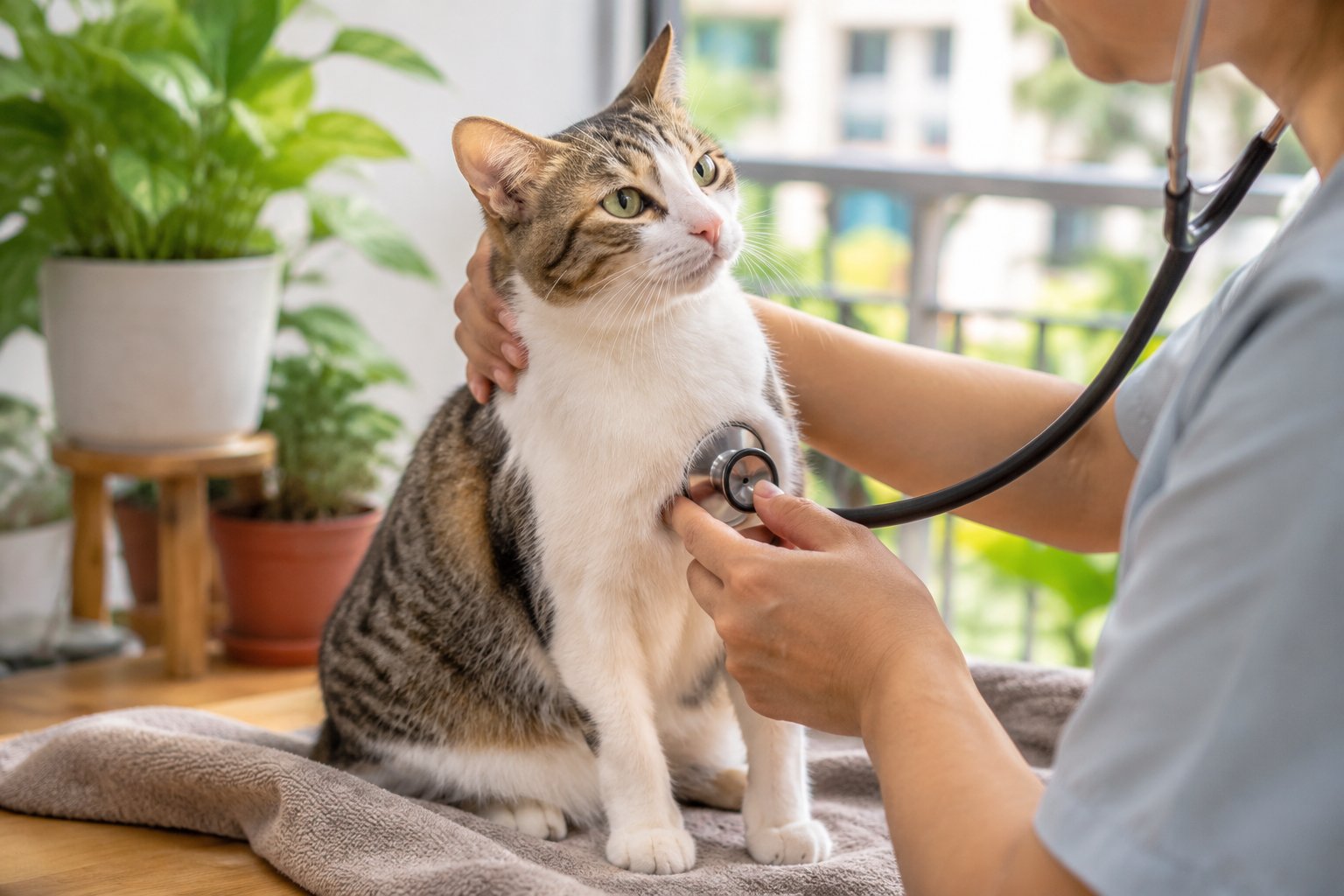
Why dehydration prevention matters for Malaysian cats
Cats evolved as desert-dwelling hunters, so they have a naturally low thirst drive. They often rely on moisture from prey rather than drinking water. In modern homes, this means many cats run on the edge of mild dehydration without anyone noticing. In Malaysia's hot and humid climate, that risk climbs quickly. A cat that seems fine in an air-conditioned apartment can become dehydrated after a few hours in a warm room, during a car trip, or while recovering from a mild stomach upset.
Preventing dehydration is far easier than treating it. It protects kidney function, supports digestion, helps regulate body temperature, and keeps skin and coat healthy. For senior cats, kittens, and cats with chronic conditions like kidney disease or diabetes, hydration is a daily priority. This guide gives you practical, evidence-informed steps to keep your cat well hydrated, spot early warning signs, and know when to call your vet.
How cats lose water and why they are vulnerable
Cats lose water through urine, faeces, breathing, and evaporation from the skin. In a hot climate, panting and sweating through paw pads add to losses. Several factors make cats prone to dehydration:
- Low thirst drive: Many cats simply do not drink enough to meet their needs, especially on dry food.
- Kidney function: Cats' kidneys are efficient at conserving water, but this also means they can concentrate urine and mask early dehydration.
- Age: Kittens and senior cats are less able to regulate fluid balance.
- Illness: Vomiting, diarrhoea, fever, diabetes, and kidney disease increase fluid loss or demand.
- Environment: Hot weather, poor ventilation, and travel raise water needs.
- Diet: Dry food typically contains only about 10% moisture, while wet food is around 70–80%.
Understanding these factors helps you target prevention. For example, a young cat on dry food in an air-conditioned Kuala Lumpur apartment may do fine with a fountain and a wet meal daily. A senior cat with early kidney disease in a Penang terrace house may need more deliberate hydration support.
How much water does a cat need?
A rough guideline is 40–60 ml of water per kilogram of body weight per day. That means a 4 kg cat needs about 160–240 ml of total water. However, this total includes moisture from food. If your cat eats wet food, a significant portion of that water comes from the meal. Dry food provides very little.
| Cat weight | Estimated daily water need (total) | If eating only dry food | If eating 50% wet food |
|---|---|---|---|
| 3 kg | 120–180 ml | Needs to drink most | About half from food |
| 4 kg | 160–240 ml | Needs to drink most | About half from food |
| 5 kg | 200–300 ml | Needs to drink most | About half from food |
| 6 kg | 240–360 ml | Needs to drink most | About half from food |
These are estimates. Individual needs vary with activity, temperature, and health. Your vet can give a more precise target if your cat has a medical condition. Do not force water; instead, use the strategies below to encourage natural intake.
Practical ways to increase your cat's water intake
1. Feed wet food daily
Wet food is the single most effective way to boost hydration. Even one wet meal a day can make a meaningful difference. Choose a complete and balanced wet food suitable for your cat's life stage. If your cat is used to dry food, transition slowly by mixing a little wet food into the dry, then increasing the wet portion over a week or two. Some cats prefer pâté, others prefer shreds in gravy; experiment to find what your cat enjoys.
2. Add water to meals
You can add a tablespoon or two of warm water to wet food or dry food. For dry food, add water just before serving so it doesn't spoil. This is a simple way to increase fluid intake without changing the diet. Introduce gradually; some cats dislike soggy food at first.
3. Set up multiple water stations
Cats can be picky about location. Place water bowls in several quiet spots around the home, away from food and litter trays. Cats often prefer water that is not next to their food. In a multi-cat household, provide at least one station per cat plus one extra.
4. Try a water fountain
Many cats are attracted to running water. A fountain can encourage drinking, especially for cats that ignore still bowls. Clean the fountain regularly, following the manufacturer's instructions, to prevent biofilm and bacterial growth. Change the water daily and replace filters as recommended.
5. Choose the right bowl
Some cats dislike plastic or metal bowls, or bowls that are too deep and touch their whiskers. Wide, shallow ceramic or glass bowls are often preferred. Wash bowls daily with hot soapy water and refill with fresh water.
6. Keep water cool and fresh
In Malaysia's heat, water can become warm and unappealing. Change water at least once a day, more often in hot weather. Add a few ice cubes if your cat seems interested, but never force it. Some cats enjoy drinking from a running tap; you can let them have a brief drink while you're in the kitchen.
7. Use broth or ice treats
Unsalted, onion-free, and garlic-free broth can be offered as a treat or frozen into ice cubes for cats that enjoy licking. Always check ingredients; many commercial broths contain salt or onion, which are harmful to cats. Plain water frozen in small cubes can also be a fun enrichment treat for some cats.
8. Encourage play and exploration
Active cats drink more. Interactive play, puzzle feeders, and climbing opportunities keep cats mentally and physically engaged, which supports overall health and natural water intake.
Hydration checklist for Malaysian homes
Use this checklist to review your cat's hydration setup:
- Wet food offered at least once daily, or mixed with dry.
- Fresh water available in at least two quiet locations.
- Water bowls cleaned daily and refilled with cool water.
- Water stations away from food and litter trays.
- Fountain cleaned weekly (or as recommended) and filters changed.
- Shade and ventilation available at all times, especially in warm rooms.
- Extra water stations during hot spells or if the cat is unwell.
- Monitor urine clumps and stool consistency daily.
- Know your cat's normal drinking and urinating habits.
- Vet check-up at least annually, more often for seniors.
Recognising early dehydration
Early signs are subtle. Gently check your cat's gums and skin:
- Gums: Moist and slick is normal. Tacky or dry gums suggest dehydration.
- Skin turgor: Gently lift the skin between the shoulder blades. It should snap back quickly. If it returns slowly, dehydration is possible. This test is less reliable in older or overweight cats, so use it alongside other signs.
- Eyes: Slightly sunken eyes can indicate fluid loss.
- Urine: Small, dark, concentrated urine clumps in the litter tray.
- Behaviour: Lethargy, reduced appetite, or hiding.
If you suspect dehydration, offer water and wet food, and monitor closely. If signs persist or worsen, contact your vet.
When to see a vet
Dehydration can become life-threatening quickly, especially in kittens, seniors, and cats with chronic illness. Seek veterinary care immediately if your cat:
- Refuses water for more than 12–24 hours.
- Vomits or has diarrhoea repeatedly.
- Seems weak, wobbly, or unresponsive.
- Has very dry gums, sunken eyes, or skin that stays tented.
- Has not urinated in 24 hours.
- Is breathing rapidly or panting persistently.
- Has a fever or is unusually warm to the touch.
- Is a kitten or senior cat showing any of the above.
Your vet can assess hydration status, run blood tests, and provide fluids if needed. Do not attempt to force fluids by mouth in a weak or vomiting cat, as this can cause aspiration.
Special cases: kittens, seniors, and cats with illness
Kittens have higher water needs relative to body weight and are less able to regulate fluids. Ensure they have easy access to shallow water bowls and wet food. Monitor play and urination closely.
Senior cats often have reduced thirst and may have kidney disease. Your vet may recommend increased wet food, water fountains, and regular bloodwork. Early detection of kidney disease makes a big difference.
Cats with diabetes may drink and urinate excessively. If you notice increased thirst or urination, see your vet; this can be a sign of diabetes or other illness. Do not restrict water unless your vet advises.
Cats with urinary blockages may strain to urinate and become dehydrated rapidly. This is an emergency, especially in male cats. Seek immediate veterinary care.
Common myths about cat hydration
- Myth: Cats only need dry food. Dry food can be part of a balanced diet, but it provides little moisture. Many vets recommend including wet food for hydration.
- Myth: A cat that drinks a lot is healthy. Increased thirst can signal diabetes, kidney disease, or hyperthyroidism. Monitor changes and consult your vet.
- Myth: Milk is a good hydration source. Many cats are lactose intolerant, and milk is not a substitute for water. Avoid giving milk as a hydration strategy.
- Myth: Cats can drink seawater or pool water. Never allow this; salt and chemicals are harmful.
Building a hydration routine
A routine helps you notice changes early. For example:
- Morning: Refresh water bowls, offer a wet breakfast, and check litter tray.
- Afternoon: If hot, check water temperature and add cool water; offer a play session.
- Evening: Offer a wet dinner or add water to dry food; clean bowls.
- Weekly: Clean fountain, check filters, and review your cat's drinking and urination habits.
In a Kuala Lumpur apartment, air-conditioning can dry the air, so keep water available in each room your cat uses. In a Johor terrace house, cats may spend time in warmer areas; ensure shade and multiple water stations, especially near windows or patios. During Penang's rainy season, humidity is high but cats can still dehydrate if they are unwell; monitor appetite and water intake.
What to do if your cat refuses water
If your cat stops drinking, try:
- Offer wet food or add water to food.
- Try a different bowl or a fountain.
- Offer unsalted broth or ice cubes.
- Check for signs of illness (vomiting, diarrhoea, lethargy).
- If refusal lasts more than 12–24 hours, call your vet.
Never force water into your cat's mouth. If your cat is weak or vomiting, seek veterinary care.
Conclusion
Dehydration prevention for cats is about small, consistent habits: wet food, fresh water, multiple stations, and close observation. In Malaysia's climate, these habits matter even more. By understanding your cat's needs and acting early, you can help prevent dehydration and support long-term health. If you are unsure about your cat's hydration status, your vet is your best resource.
This article is for general information only and is not a substitute for veterinary advice. Always consult a licensed veterinarian for diagnosis and treatment of your cat.
Related reading
- Cat Health Guide Malaysia: Symptom Check, Red-Flag Triage & When to See a Vet
- Anemia in Cats in Malaysia: Signs, Causes, and What to Do
- Blood Test for Cats: What to Expect (Malaysian Owner's Guide)
- Breathing Difficulty Prevention for Cats: A Practical Malaysian Guide
- Cat Anemia Treatment in Malaysia: A Practical Owner's Guide
- Cat Bad Breath Treatment in Malaysia: Causes, Home Care and When to See a Vet
- Cat Breathing Difficulty Treatment in Malaysia: What to Do and What to Expect
- Cat Dehydration Treatment in Malaysia: Signs, Home Care and When to See a Vet
- Cat Dental Pain Treatment in Malaysia: A Practical Owner's Guide
- Cat Ear Mites Treatment in Malaysia: A Complete Owner's Guide
- Cat Excessive Thirst Treatment in Malaysia: What to Do When Your Cat Drinks Too Much
- Cat Excessive Urination Treatment in Malaysia: A Practical Guide for Owners

