
PetChill Pet Encyclopedia
Cat Health

Urinary Blockage in Cats: Causes, Warning Signs and Care

A urinary blockage in cats is a life-threatening emergency, not a litter-box habit problem. This guide explains the causes, the signs every owner should know, what happens at the vet, and how to care for a cat afterwards.

Published: 2026-11-08·7 min read·Author: PetChill Editorial
Urinary Blockage in Cats: Causes, Warning Signs and Care

💡 Quick Answer

A urinary blockage in cats happens when crystals, stones, mucus or muscle spasm block the urethra so urine cannot leave the body. It is a life-threatening emergency, especially in male cats. Signs include straining with little or no urine, crying in the litter box, licking the genitals and vomiting. See a vet immediately.

The short answer

A urinary blockage in cats is a plumbing emergency. The urethra, the tube that carries urine out of the bladder, becomes blocked by crystals, stones, mucus, inflammatory debris or muscle spasm. Urine cannot leave the body. Toxins that should be flushed out build up in the blood, the bladder stretches dangerously, and the heart rhythm can become unstable. A blocked cat can go from uncomfortable to critically ill within a day or two. If your cat is straining in the litter box and producing little or no urine, stop reading and call a vet now.

This guide explains the causes, the signs, what happens at the clinic, how to care for a cat afterwards, and how to reduce the risk of it happening again. It is written for Malaysian cat owners living in apartments, terrace houses and landed homes, where heat, water intake and litter-box management all play a part.

What actually happens in a blocked cat

Urine is made by the kidneys and stored in the bladder. When the urethra is blocked, the bladder cannot empty. Pressure rises, the bladder wall stretches and becomes painful, and the cat keeps trying to urinate. Meanwhile, waste products such as potassium and creatinine rise in the blood. High potassium can slow or stop the heart. If the blockage is not relieved, the bladder can rupture, which is often fatal.

The risk is highest in male cats because their urethra is longer and narrower, with a bend near the tip. A tiny crystal or a plug of mucus and cells can lodge there. Female cats can also block, but it is less common because their urethra is short and wide.

Causes and risk factors

Veterinarians group the causes under the umbrella term FLUTD, or feline lower urinary tract disease. The blockage itself is usually the end result of one or more of these:

  • Struvite or calcium oxalate crystals and stones. Minerals in urine can clump into crystals, which irritate the bladder lining and can form plugs or stones.
  • Urethral plugs. A mixture of mucus, protein, cells and crystals that physically blocks the narrow urethra.
  • Feline idiopathic cystitis. Inflammation of the bladder with no infection and no stone. It causes pain, blood in urine and spasm, and the swollen lining can narrow the urethra.
  • Stress. Stress is a well-recognised trigger for cystitis in cats. Changes such as a new pet, moving house, renovation noise or a dirty litter box can set off a flare.
  • Low water intake and concentrated urine. Cats evolved to get water from prey. Many cats on dry food drink little, so urine is concentrated and crystals form more easily.
  • Obesity and inactivity. Overweight cats are more prone to urinary problems and are less able to groom and move comfortably.
  • Anatomy and genetics. Some cats simply have a narrower urethra or a breed predisposition.
  • Urinary tract infection. Less common in young cats but more likely in older cats and those with other illnesses.

In Malaysia, the hot, humid climate adds a practical challenge. Cats may drink less than owners think, and water left in bowls can become warm and unappealing. Many owners find that multiple water stations, wide bowls and wet food help.

Warning signs you must not ignore

The classic picture is a cat that keeps visiting the litter box, squats, strains, and produces only a few drops or nothing at all. Other signs include:

  • Crying or yowling while in the litter box
  • Frequent licking of the genitals
  • Blood in the urine
  • Urinating outside the box, often on cool tiles or in the bathtub
  • Restlessness, pacing and hiding
  • Loss of appetite
  • Vomiting
  • Weakness, wobbliness or collapse in later stages

A cat that is blocked may look like it is constipated. If you are unsure, check the litter box. Small, frequent, bloody or absent urine is a red flag. Do not wait to see if it passes.

Sign What it may mean Urgency
Straining, no urine produced Possible complete blockage Emergency, go now
Frequent small urinations with blood Cystitis or crystals, may still be passing urine See vet same day
Crying in the litter box Pain or spasm See vet same day
Vomiting, weakness, collapse Advanced blockage with toxin build-up Emergency, go now
Urinating outside the box only Stress, cystitis or box aversion Book a vet visit

What happens at the vet

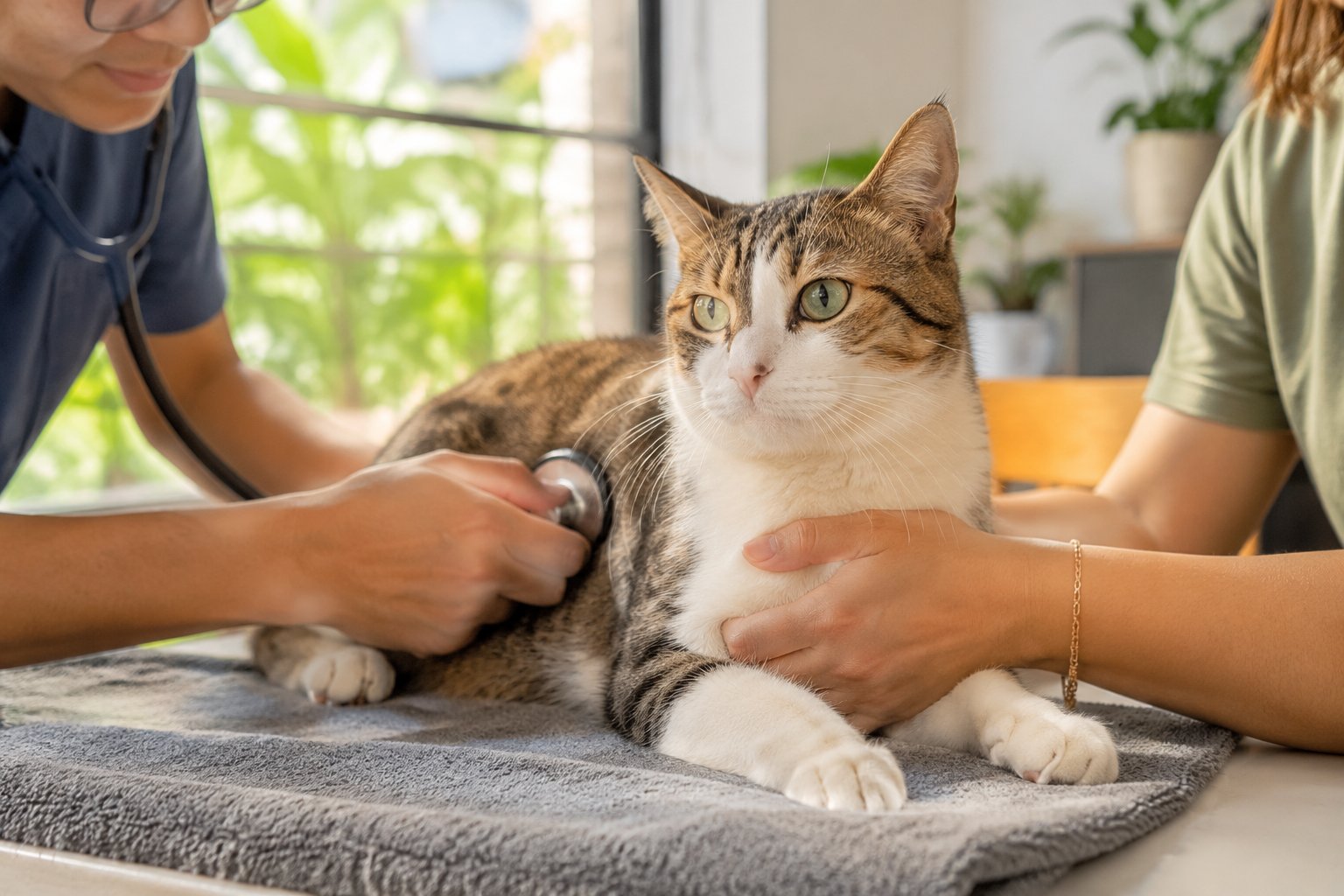
The vet will examine your cat, feel the bladder and check for pain. A firm, enlarged bladder in a male cat is a strong clue. They may run blood tests to check kidney values and potassium, a urine test, and imaging such as X-rays or ultrasound to look for stones.

If the cat is blocked, the priority is to relieve the obstruction. This usually means sedation or anaesthesia, passing a urinary catheter, and flushing the urethra. The cat is often placed on intravenous fluids to correct dehydration and electrolyte imbalances. Pain relief and medication to relax the urethra are common. In severe cases, the cat may need to stay hospitalised for monitoring.

Some cats re-block after the catheter is removed. If that happens repeatedly, or if there is a stone that cannot pass, surgery may be recommended. A perineal urethrostomy creates a wider opening so urine can pass more easily. It is not a first-line treatment and is usually reserved for repeat blockers.

Costs vary widely depending on the clinic, the tests needed and how long the cat stays. Ask your vet for an estimate before treatment begins, and check whether your clinic offers payment options. Do not delay care because of cost; ask about the options first.

Emergency first steps at home

If you suspect a blockage, your job is to get to a vet, not to treat at home.

  1. Call ahead. Phone the nearest clinic or emergency hospital and say your cat may be blocked. This helps them prepare.
  2. Do not squeeze the bladder. You can cause it to rupture.
  3. Do not give human painkillers. Many are toxic to cats.
  4. Do not wait for the litter box to fill. Time matters.
  5. Transport safely. Use a carrier with a towel. Keep the cat warm and calm.
  6. Note the timeline. Tell the vet when you last saw normal urine.

If it is late at night, call around for a clinic that handles emergencies. In many Malaysian cities, emergency vet services exist but may be limited, so having a plan before you need one is wise.

Care after a blockage

After the catheter is removed, the cat may need to stay for observation. At home, care focuses on water, diet, stress and monitoring.

  • Water first. Switch to more wet food, add water to meals, and place several water bowls around the home. Some cats prefer a running fountain.
  • Prescription diet. Many vets recommend a urinary diet designed to control minerals and support urine dilution. Transition slowly over a week or two.
  • Litter box hygiene. Scoop at least twice a day and wash the box regularly. Provide one box per cat plus one extra, in quiet, accessible places.
  • Reduce stress. Keep routines stable, provide hiding spots and vertical space, and introduce changes slowly.
  • Weight management. Ask your vet for a healthy target weight and a safe feeding plan.
  • Medication. Give all prescribed medicines as directed, including pain relief and urethral relaxants.
  • Monitoring. Watch for straining, small urine clumps, blood or behaviour changes. Report them early.

A simple daily check helps. Look at the litter box each morning and evening. Note the size and number of urine clumps. A sudden drop in clump size or frequency is a warning.

Reducing the risk of another blockage

There is no guaranteed prevention, but these steps lower the odds:

Area Practical action
Hydration Wet food daily, multiple water stations, fountains
Diet Vet-recommended urinary or balanced diet, measured portions
Litter box One per cat plus one, scooped twice daily, quiet location
Stress Stable routine, enrichment, slow introductions
Weight Regular weigh-ins, play sessions
Vet checks Regular check-ups, especially for older cats

In a Kuala Lumpur apartment, space is tight, so place litter boxes away from noisy corridors and washing machines. In a Johor terrace house, cats may roam the garden and drink from outdoor sources, so keep fresh water available and watch for changes in litter-box habits. During the Penang rainy season, cats may stay indoors more, which can increase stress and reduce activity, so add indoor play and vertical climbing spaces.

When to see a vet

See a vet immediately if your cat is straining to urinate with little or no urine, crying in the litter box, vomiting, weak or collapsed. See a vet the same day if you notice blood in the urine, frequent small urinations, urinating outside the box or excessive genital licking. Do not wait for a scheduled appointment if your cat cannot pass urine. A blocked cat can die within 24 to 48 hours without treatment.

Vet disclaimer

This article is for general information only and is not a substitute for veterinary advice. If you suspect your cat is blocked or unwell, contact a licensed veterinarian immediately. Treatment decisions should always be made with your vet who has examined your cat.

Frequently Asked Questions

📌 Key Takeaways

  • This article covers: The short answer, What actually happens in a blocked cat, Causes and risk factors, Warning signs you must not ignore, What happens at the vet, and more
  • Jump to any section via the table of contents for the key details
  • If in doubt, consult a registered veterinarian

Explore this topic cluster

This guide belongs to a Malaysia-focused topic cluster. Read the pillar guide and related articles.

View cluster →

📚 Cat Health article index

This article is part of the Cat Health topic cluster. Explore related articles:

⭐ Pillar guide: Cat Health complete guideAnemia in Cats: Causes, Signs and Care (Malaysia Guide)→ ReadAnemia in Cats in Malaysia: Signs, Causes, and What to Do→ ReadAnemia Prevention for Cats: A Practical Guide for Malaysian Owners→ ReadArthritis in Cats: Causes and Care (Malaysia Guide)→ ReadArthritis in Cats in Malaysia: Signs, Diagnosis and Home Care→ ReadArthritis Prevention for Cats: A Practical Malaysian Guide→ ReadBad Breath in Cats: Causes and Care (Malaysian Owner's Guide)→ ReadBad Breath in Cats in Malaysia: Causes, Home Checks and When to Worry→ ReadBad Breath Prevention for Cats: A Practical Guide for Malaysian Owners→ ReadBreathing Difficulty in Cats: Causes and Care (Malaysia Guide)→ ReadBreathing Difficulty in Cats in Malaysia: Signs, Causes and What to Do→ ReadBreathing Difficulty Prevention for Cats: A Practical Malaysian Guide→ ReadCat Anemia Treatment in Malaysia: A Practical Owner's Guide→ ReadCat Arthritis Treatment in Malaysia: A Practical Owner's Guide→ ReadCat Bad Breath Treatment in Malaysia: Causes, Home Care and When to See a Vet→ ReadCat Breathing Difficulty Treatment in Malaysia: What to Do and What to Expect→ ReadCat Constricted Pupils Treatment in Malaysia: What to Do When Your Cat's Eyes Look Pinpoint→ ReadCat Coughing Treatment in Malaysia: Causes, Home Care & When to See a Vet→ ReadCat Dehydration Treatment in Malaysia: Signs, Home Care and When to See a Vet→ ReadCat Diabetes Treatment in Malaysia: A Practical Owner's Guide→ ReadCat Dry Food in Malaysia: A Practical Guide for Cat Owners→ ReadCat Excessive Thirst Treatment in Malaysia: What to Do When Your Cat Drinks Too Much→ ReadCat Excessive Urination Treatment in Malaysia: A Practical Guide for Owners→ ReadCat Fever Treatment in Malaysia: What to Do When Your Cat Is Hot→ ReadCat Food Online Store in Malaysia: How to Choose, Order and Store Safely→ ReadCat Heatstroke Treatment in Malaysia: First Aid, Vet Care & Prevention→ ReadCat Itching Treatment in Malaysia: A Practical Guide for Itchy Cats→ ReadCat Kidney Disease Treatment in Malaysia: A Practical Owner's Guide→ ReadCat Limping Treatment in Malaysia: What to Do, What to Expect→ ReadCat Obesity Treatment in Malaysia: A Practical, Vet-Led Plan for Overweight Cats→ ReadCat Pale Gums Treatment in Malaysia: What to Do When Your Cat's Gums Turn White→ ReadCat Seizures Treatment in Malaysia: What to Do, Causes & Vet Care→ ReadCat Sneezing Treatment in Malaysia: What to Do and When to Worry→ ReadCat Sudden Aggression Treatment in Malaysia: Why It Happens and What to Do→ ReadCat Swollen Belly Treatment in Malaysia: Causes, Home Care and When to See a Vet→ ReadCat Ticks Treatment in Malaysia: A Practical Owner's Guide→ ReadCat Trembling Treatment in Malaysia: Causes, Home Care and When to See a Vet→ ReadCat Urinary Blockage Treatment in Malaysia: What to Do, Step by Step→ ReadConstricted Pupils in Cats: Causes and Care (Malaysia Guide)→ ReadConstricted Pupils in Cats Malaysia: Causes, When to Worry & What to Do→ ReadConstricted Pupils in Cats: Prevention and What They Mean→ ReadCoughing in Cats: Causes and Care (Malaysia Guide)→ ReadCoughing in Cats in Malaysia: Causes, When to Worry & What to Do→ ReadCoughing Prevention for Cats: A Practical Guide for Malaysian Owners→ ReadDehydration in Cats: Causes, Warning Signs and How to Care for a Thirsty Cat→ ReadDehydration in Cats in Malaysia: Signs, Causes and How to Help→ ReadDehydration Prevention for Cats: A Practical Guide for Malaysian Owners→ ReadDiabetes in Cats: Causes and Care (Malaysian Owner's Guide)→ ReadDiabetes in Cats Malaysia: Signs, Diagnosis and Daily Care→ ReadDiabetes Prevention for Cats: A Practical Guide for Malaysian Owners→ ReadDry Cat Food in Malaysia: A Complete Guide for Cat Owners→ ReadExcessive Thirst in Cats: Causes and Care (Malaysian Owner's Guide)→ ReadExcessive Thirst in Cats in Malaysia: Causes, Warning Signs and What to Do→ ReadExcessive Thirst Prevention for Cats: A Practical Malaysian Owner's Guide→ ReadExcessive Urination in Cats: Causes and Care (Malaysia Guide)→ ReadExcessive Urination in Cats in Malaysia: Causes, When to Worry & What to Do→ ReadExcessive Urination in Cats: Prevention Guide for Malaysian Owners→ ReadFever in Cats: Causes, Care and When to See a Vet in Malaysia→ ReadFever in Cats in Malaysia: Signs, Causes and What to Do→ ReadFever Prevention for Cats: A Practical Guide for Malaysian Owners→ ReadHarga Pasir Kucing in Malaysia: What Drives the Price and How to Choose→ ReadHeatstroke in Cats: Causes, Signs and Care (Malaysia Guide)→ ReadHeatstroke in Cats in Malaysia: Signs, First Aid & Prevention→ ReadHeatstroke Prevention for Cats in Malaysia: A Practical Owner's Guide→ ReadHow to Treat Anemia in Cats at Home: What You Can Safely Do (and What You Can't)→ ReadHow to Treat Arthritis in Cats at Home: A Practical Guide for Malaysian Owners→ ReadHow to Treat Bad Breath in Cats at Home: A Practical Malaysian Guide→ ReadHow to Treat Breathing Difficulty in Cats at Home: Safe First Steps and When to Rush to the Vet→ ReadHow to Treat Constricted Pupils in Cats at Home: What You Can (and Cannot) Do Safely→ ReadHow to Treat Coughing in Cats at Home: A Practical Guide for Malaysian Owners→ ReadHow to Treat Dehydration in Cats at Home: A Practical Malaysian Guide→ ReadHow to Treat Diabetes in Cats at Home: A Practical Guide for Malaysian Owners→ ReadHow to Treat Excessive Thirst in Cats at Home: A Practical Guide for Malaysian Owners→ ReadHow to Treat Excessive Urination in Cats at Home: A Practical Malaysian Guide→ ReadHow to Treat Fever in Cats at Home: Safe Steps for Malaysian Owners→ ReadHow to Treat Heatstroke in Cats at Home: First Aid, Cooling Steps and When to Get Help→ ReadHow to Treat Itching in Cats at Home: A Practical Guide for Malaysian Owners→ ReadHow to Treat Kidney Disease in Cats at Home: A Practical Malaysian Guide→ ReadHow to Treat Limping in Cats at Home: Safe Steps for Malaysian Owners→ ReadHow to Treat Obesity in Cats at Home: A Practical Malaysian Guide→ ReadHow to Treat Pale Gums in Cats at Home: What You Can Do Safely→ ReadHow to Treat Seizures in Cats at Home: A Practical Malaysian Owner's Guide→ ReadHow to Treat Sneezing in Cats at Home: A Practical Malaysian Guide→ ReadHow to Treat Sudden Aggression in Cats at Home: A Safe, Step-by-Step Guide for Malaysian Owners→ ReadHow to Treat a Swollen Belly in Cats at Home: What's Safe, What Isn't→ ReadHow to Treat Ticks in Cats at Home: A Safe, Step-by-Step Guide for Malaysian Owners→ ReadHow to Treat Trembling in Cats at Home: A Practical Malaysian Guide→ ReadHow to Treat Urinary Blockage in Cats at Home: What You Can and Cannot Do→ ReadItching in Cats: Causes and Care (Malaysia Guide)→ ReadItching in Cats in Malaysia: Causes, Relief and When to See a Vet→ ReadItching Prevention for Cats: A Practical Guide for Malaysian Owners→ ReadKidney Disease in Cats: Causes, Signs and Care (Malaysia Guide)→ ReadKidney Disease in Cats Malaysia: Signs, Stages, Diet & Care→ ReadKidney Disease Prevention for Cats: A Practical Guide for Malaysian Owners→ ReadLimping in Cats: Causes, Care and When to See a Vet in Malaysia→ ReadLimping in Cats in Malaysia: Causes, Home Checks, and When to See a Vet→ ReadLimping Prevention for Cats: A Malaysian Owner's Guide to Keeping Joints and Paws Healthy→ ReadObesity in Cats: Causes and Care (Malaysian Owner's Guide)→ ReadObesity in Cats Malaysia: A Practical Guide for Owners→ ReadObesity Prevention for Cats: A Practical Guide for Malaysian Owners→ ReadOnline Cat Food in Malaysia: A Practical Guide to Buying Safely→ ReadPale Gums in Cats: Causes and Care (Malaysian Owner's Guide)→ ReadPale Gums in Cats in Malaysia: Causes, What to Check, and When to See a Vet→ ReadPale Gums in Cats: Prevention, Early Warning Signs and What Malaysian Owners Should Do→ ReadPasir Kucing 20kg: A Practical Guide to Buying Bulk Cat Litter in Malaysia→ ReadPasir Kucing" in English: What Cat Litter Is Called and How to Choose It→ ReadSeizures in Cats: Causes and Care (Malaysia Guide)→ ReadSeizures in Cats in Malaysia: Causes, Signs and What to Do→ ReadSeizures Prevention for Cats: A Practical Guide for Malaysian Owners→ ReadHow to Shop for Cat Food in Malaysia: A Practical Guide for Cat Owners→ ReadSigns of Anemia in Cats in Malaysia: What to Watch For→ ReadSigns of Arthritis in Cats in Malaysia: What Owners Should Look For→ ReadSigns of Bad Breath in Cats in Malaysia: What Your Cat's Mouth Is Telling You→ ReadSigns of Breathing Difficulty in Cats in Malaysia: What Every Owner Must Know→ ReadSigns of Constricted Pupils in Cats in Malaysia: What Small Pupils Mean→ ReadSigns of Coughing in Cats Malaysia: What Every Owner Should Know→ ReadSigns of Dehydration in Cats in Malaysia: Early Warning Signs & What to Do→ ReadSigns of Diabetes in Cats Malaysia: Early Symptoms Owners Miss→ ReadSigns of Excessive Thirst in Cats in Malaysia: When Drinking More Is a Warning→ ReadSigns of Excessive Urination in Cats in Malaysia: What's Normal, What's Not, and When to Worry→ ReadSigns of Fever in Cats in Malaysia: How to Tell and What to Do→ ReadSigns of Heatstroke in Cats in Malaysia: What to Watch For→ ReadSigns of Itching in Cats in Malaysia: How to Spot, Soothe and When to See a Vet→ ReadSigns of Kidney Disease in Cats Malaysia: Early Warning Signs to Watch→ ReadSigns of Limping in Cats in Malaysia: What Owners Should Notice→ ReadSigns of Obesity in Cats in Malaysia: How to Tell If Your Cat Is Overweight→ ReadPale Gums in Cats: Signs, Causes, and What to Do (Malaysia Guide)→ ReadSigns of Seizures in Cats in Malaysia: What Owners Need to Know→ ReadSigns of Sneezing in Cats in Malaysia: What It Means and When to Worry→ ReadSigns of Sudden Aggression in Cats in Malaysia: Why Your Cat Turned Aggressive and What to Do→ ReadSigns of a Swollen Belly in Cats: What Malaysian Owners Should Look For→ ReadSigns of Ticks in Cats in Malaysia: What to Look For and What to Do→ ReadSigns of Trembling in Cats in Malaysia: What Shaking Really Means→ ReadSigns of Urinary Blockage in Cats Malaysia: A Life-Threatening Emergency→ ReadSneezing in Cats: Causes and Care (Malaysian Owner's Guide)→ ReadSneezing in Cats in Malaysia: Causes, Home Care and When to See a Vet→ ReadSneezing Prevention for Cats in Malaysia: A Practical Guide→ ReadSudden Aggression in Cats: Causes and Care (Malaysia Guide)→ ReadSudden Aggression in Cats in Malaysia: Why Your Cat Turned on You and What to Do→ ReadSudden Aggression Prevention for Cats: A Practical Guide for Malaysian Owners→ ReadSwollen Belly in Cats: Causes, Care and When to Worry→ ReadSwollen Belly in Cats in Malaysia: Causes, Warning Signs & What to Do→ ReadSwollen Belly Prevention for Cats: A Practical Malaysian Owner's Guide→ ReadTicks in Cats: Causes and Care (Malaysia Guide)→ ReadTicks in Cats in Malaysia: What Every Cat Owner Should Know→ ReadTicks Prevention for Cats in Malaysia: A Complete Guide→ ReadTrembling in Cats: Causes and Care (Malaysian Owner's Guide)→ ReadTrembling in Cats in Malaysia: Why Your Cat Shakes and What to Do→ ReadTrembling Prevention for Cats: Why It Happens and How to Reduce the Risk→ ReadUrinary Blockage in Cats Malaysia: Signs, Causes & What to Do→ ReadUrinary Blockage Prevention for Cats: A Practical Guide for Malaysian Owners→ ReadWet Cat Food in Malaysia: A Practical Feeding Guide for Owners→ ReadBlood Test for Cats in Malaysia: What It Checks, Costs and When You Need One→ ReadBlood Test for Cats Step by Step: What Happens at the Clinic→ ReadBlood Test for Cats: What to Expect (Malaysian Owner's Guide)→ ReadCat Constipation Treatment in Malaysia: A Practical Owner's Guide→ ReadCat Dental Pain Treatment in Malaysia: A Practical Owner's Guide→ ReadCat Diarrhea Treatment in Malaysia: A Practical Owner's Guide→ ReadCat Ear Mites Treatment in Malaysia: A Complete Owner's Guide→ ReadCat Eye Infection Treatment in Malaysia: A Practical Owner's Guide→ ReadCat Fleas Treatment in Malaysia: A Practical Owner's Guide→ ReadCat Hair Loss Treatment in Malaysia: A Practical Owner's Guide→ ReadCat Licking Wounds: Why It Happens and How to Treat It in Malaysia→ ReadCat Poisoning Treatment in Malaysia: What to Do, What to Expect, and How to Prevent It→ ReadCat Ringworm Treatment in Malaysia: A Practical Owner's Guide→ ReadCat Skin Fungus Treatment in Malaysia: A Practical Owner's Guide→ ReadCat Sneezing Blood: Causes, Treatment and When to See a Vet in Malaysia→ ReadCat Vomiting Treatment in Malaysia: What to Do and When to See a Vet→ ReadCat Weight Loss Treatment in Malaysia: A Practical Guide for Owners→ ReadCat Worms Treatment in Malaysia: A Practical Owner's Guide→ ReadChocolate Poisoning and Cats in Malaysia: What Every Owner Should Know→ ReadConstipation in Cats: Causes, Care and When to See a Vet in Malaysia→ ReadConstipation in Cats in Malaysia: Causes, Signs and What to Do→ ReadConstipation Prevention for Cats: A Practical Guide for Malaysian Owners→ ReadDental Pain in Cats: Causes, Signs and Care (Malaysia Guide)→ ReadDental Pain in Cats in Malaysia: Signs, Causes and What to Do→ ReadDental Pain Prevention for Cats: A Practical Malaysian Guide→ ReadDeworming Schedule for Cats in Malaysia: A Practical, Vet-Led Guide→ ReadDeworming Schedule for Cats: A Step-by-Step Plan for Malaysian Owners→ ReadDeworming Schedule for Cats: What to Expect (Malaysia Guide)→ ReadDiarrhea in Cats: Causes and Care (Malaysian Owner's Guide)→ ReadDiarrhea in Cats in Malaysia: Causes, Home Care and When to See a Vet→ ReadDiarrhea Prevention for Cats: A Practical Guide for Malaysian Owners→ ReadE-Collar Recovery for Cats in Malaysia: A Practical Guide for Owners→ ReadE-Collar Recovery for Cats Step by Step: A Practical Guide for Malaysian Owners→ ReadE-Collar Recovery for Cats: What to Expect (Malaysia Guide)→ ReadEar Mites in Cats: Causes and Care (Malaysia Guide)→ ReadEar Mites in Cats in Malaysia: Signs, Treatment and Prevention→ ReadEar Mites Prevention for Cats: A Practical Malaysian Guide→ ReadElectrical Cables and Cats in Malaysia: A Practical Safety Guide→ ReadEye Infection in Cats: Causes and Care (Malaysia Guide)→ ReadEye Infection in Cats in Malaysia: Causes, Signs, Treatment & Prevention→ ReadEye Infection Prevention for Cats: A Practical Malaysian Guide→ ReadFans and Air Conditioning for Cats in Malaysia: A Practical Comfort Guide→ ReadFlea Treatment for Cats in Malaysia: A Complete Guide→ ReadFlea Treatment for Cats Step by Step: A Practical Malaysian Guide→ ReadFlea Treatment for Cats: What to Expect (Malaysia Guide)→ ReadFleas in Cats: Causes and Care (Malaysia Guide)→ ReadFleas in Cats in Malaysia: Signs, Treatment and Prevention→ ReadFleas Prevention for Cats in Malaysia: A Practical, Year-Round Plan→ ReadGiving Pills for Cats in Malaysia: A Stress-Free Step-by-Step Guide→ ReadGiving Pills for Cats Step by Step: A Calm, Practical Guide for Malaysian Owners→ ReadGiving Pills for Cats: What to Expect (Malaysian Owner's Guide)→ ReadHair Loss in Cats: Causes and Care (Malaysian Owner's Guide)→ ReadHair Loss in Cats in Malaysia: Causes, Home Checks and When to See a Vet→ ReadHair Loss Prevention for Cats: A Practical Grooming and Health Guide→ ReadHousehold Cleaning Products and Cats in Malaysia: A Safety Guide→ ReadHow to Prevent Chocolate Poisoning Around Cats: A Practical Guide for Malaysian Homes→ ReadHow to Prevent Electrical Cables Around Cats: A Practical Safety Guide for Malaysian Homes→ ReadHow to Prevent Fan and Aircond Problems Around Cats: A Malaysian Home Guide→ ReadHow to Prevent Household Cleaning Products Around Cats: A Practical Safety Guide for Malaysian Homes→ ReadHow to Prevent Lily Poisoning Around Cats: A Practical Safety Guide for Malaysian Homes→ ReadHow to Prevent Open Windows Around Cats: A Practical Safety Guide for Malaysian Homes→ ReadHow to Prevent Paracetamol Poisoning Around Cats: A Malaysian Safety Guide→ ReadHow to Prevent Plastic Bags Around Cats: A Practical Safety Guide for Malaysian Homes→ ReadHow to Treat Constipation in Cats at Home: A Practical Malaysian Guide→ ReadHow to Treat Dental Pain in Cats at Home: Safe Relief and When to See a Vet→ ReadHow to Treat Diarrhea in Cats at Home: A Practical Malaysian Guide→ ReadHow to Treat Ear Mites in Cats at Home: A Practical Malaysian Guide→ ReadHow to Treat Eye Infection in Cats at Home: Safe Steps for Malaysian Owners→ ReadHow to Treat Fleas in Cats at Home: A Practical Malaysian Guide→ ReadHow to Treat Hair Loss in Cats at Home: A Practical Malaysian Guide→ ReadHow to Treat Licking Wounds in Cats at Home: A Practical Guide for Malaysian Owners→ ReadHow to Treat Poisoning in Cats at Home: First Aid, Safe Steps and When to Rush to the Vet→ ReadHow to Treat Ringworm in Cats at Home: A Practical Guide for Malaysian Owners→ ReadHow to Treat Skin Fungus in Cats at Home: A Practical Malaysian Guide→ ReadHow to Treat Sneezing Blood in Cats at Home: Safe First Steps for Malaysian Owners→ ReadHow to Treat Vomiting in Cats at Home: A Practical Malaysian Guide→ ReadHow to Treat Weight Loss in Cats at Home: A Practical Guide for Malaysian Owners→ ReadHow to Treat Worms in Cats at Home: A Practical, Safe Guide for Malaysian Owners→ ReadLicking Wounds in Cats: Causes and Care (Malaysian Vet Guide)→ ReadLicking Wounds in Cats Malaysia: When It's Normal and When to Stop It→ ReadLicking Wounds Prevention for Cats: How to Stop the Lick Cycle and Let Skin Heal→ ReadLily Poisoning and Cats in Malaysia: Why Every Petal Is an Emergency→ ReadOpen Windows and Cats in Malaysia: How to Keep Your Cat Safe Without Locking Up the House→ ReadParacetamol Poisoning in Cats in Malaysia: Why Even One Tablet Can Be Deadly→ ReadPlastic Bags and Cats in Malaysia: Why They're Dangerous and How to Keep Your Cat Safe→ ReadPoisoning in Cats: Causes, Symptoms and Care (Malaysia Guide)→ ReadPoisoning in Cats in Malaysia: Common Toxins, Signs and What to Do→ ReadPoisoning Prevention for Cats in Malaysia: A Room-by-Room Safety Guide→ ReadRingworm in Cats: Causes, Symptoms and Care (Malaysia Guide)→ ReadRingworm in Cats in Malaysia: Signs, Treatment and Prevention→ ReadRingworm Prevention for Cats in Malaysia: A Practical, Vet-Informed Guide→ ReadSigns of Constipation in Cats in Malaysia: What to Watch For and When to Act→ ReadSigns of Dental Pain in Cats in Malaysia: What Owners Miss→ ReadSigns of Diarrhea in Cats in Malaysia: What's Normal, What's Not→ ReadSigns of Ear Mites in Cats in Malaysia: How to Spot, Treat and Prevent Them→ ReadSigns of Eye Infection in Cats in Malaysia: What Owners Should Look For→ ReadSigns of Fleas in Cats in Malaysia: How to Spot, Check and Act→ ReadSigns of Hair Loss in Cats in Malaysia: What to Look For and When to Worry→ ReadSigns of Licking Wounds in Cats Malaysia: How to Spot Problem Licking→ ReadSigns of Poisoning in Cats in Malaysia: What to Watch For and What to Do→ ReadSigns of Ringworm in Cats in Malaysia: What Owners Should Look For→ ReadSigns of Skin Fungus in Cats in Malaysia: How to Spot Ringworm Early→ ReadBlood in a Cat's Sneeze: Signs, Causes and What to Do in Malaysia→ ReadSigns of Vomiting in Cats in Malaysia: What's Normal, What's Not, and When to See a Vet→ ReadSigns of Weight Loss in Cats in Malaysia: What to Watch For and When to Worry→ ReadSigns of Worms in Cats in Malaysia: What Owners Should Look For→ ReadSkin Fungus in Cats: Causes, Signs and Care (Malaysia Guide)→ ReadSkin Fungus in Cats in Malaysia: Ringworm Signs, Treatment and Prevention→ ReadSkin Fungus Prevention for Cats: A Practical Guide for Malaysian Homes→ ReadSneezing Blood in Cats: Causes and Care (Malaysia Guide)→ ReadSneezing Blood in Cats in Malaysia: Causes, What to Do, and When to See a Vet→ ReadSneezing Blood Prevention for Cats: Causes, Care and When to Worry→ ReadSterilization for Cats in Malaysia: A Complete Guide for Owners→ ReadSterilization for Cats Step by Step: A Malaysian Owner's Guide→ ReadSterilisation for Cats: What to Expect (Malaysian Owner's Guide)→ ReadUltrasound for Cats in Malaysia: What It Is, When It's Needed, and What to Expect→ ReadUltrasound for Cats Step by Step: What Happens, What It Costs, and How to Prepare→ ReadUltrasound for Cats: What to Expect (Malaysian Owner's Guide)→ ReadVaccination Side Effects for Cats in Malaysia: What's Normal, What's Not→ ReadVaccination Side Effects for Cats: A Step-by-Step Guide for Malaysian Owners→ ReadCat Vaccination Side Effects: What Malaysian Owners Should Expect→ ReadVomiting in Cats: Causes and Care (Malaysia Guide)→ ReadVomiting in Cats in Malaysia: When It's Normal and When to Worry→ ReadVomiting Prevention for Cats: A Practical Guide for Malaysian Owners→ ReadWeight Loss in Cats: Causes and Care (Malaysian Vet Guide)→ ReadWeight Loss in Cats in Malaysia: Causes, Warning Signs and What to Do→ ReadWeight Loss Prevention for Cats: A Practical Malaysian Guide→ ReadWorms in Cats: Causes and Care (Malaysia Vet Guide)→ ReadWorms in Cats in Malaysia: A Practical Owner's Guide→ ReadWorms Prevention for Cats in Malaysia: A Complete Guide→ ReadWound Care for Cats in Malaysia: A Practical Owner's Guide→ ReadWound Care for Cats Step by Step: A Practical Malaysian Guide→ ReadWound Care for Cats: What to Expect, Step by Step→ ReadX-Ray for Cats in Malaysia: What to Expect, Costs and Safety→ ReadX-Ray for Cats Step by Step: What Malaysian Owners Should Expect→ ReadX-Ray for Cats: What to Expect (Malaysian Owner's Guide)→ ReadArthritis Pet Care in Malaysia: A Practical Guide for Cats and Dogs→ ReadCat Arthritis in Malaysia: 5 Home Signs Your Cat Is in Pain — and What to Do→ ReadEarly Signs of Chronic Disease in Cats: 7 Daily Checks and a 4-Week Record Sheet→ ReadCat Chronic Kidney Disease in Malaysia: The Daily Care Routine That Actually Slows It Down→ ReadCat Constipation in Malaysia: The 48-Hour Rule, Red Flags and What Actually Helps→ ReadCat Dehydration in Malaysia: Home Skin-Turgor Test, 7 Causes and Emergency Signs→ ReadCat Heart Disease in Malaysia: Sleep Breathing Count, HCM Early Signs and When to Rush to the Vet→ ReadCat Kidney Disease in Malaysia: Early Signs, Prevention and Everyday Care→ ReadCat Pancreatitis in Malaysia: Symptoms, fPLI Testing, Treatment and Home Recovery→ ReadCat Ringworm in Malaysia: Signs, Treatment and Home Cleaning Guide→ ReadCat Symptom Checker Malaysia: 12 Common Signs and a Green-Amber-Red Triage Table→ ReadPet Deworming in Malaysia: How Often to Worm Your Cat or Dog→ ReadPet Gut Health in Malaysia: Probiotics, Food Transitions and Stool Troubles (Part 2)→ ReadCat Gut Health: Probiotics, Antibiotics and Food Transitions Explained (Malaysia)→ ReadPet Health Malaysia 2026: Common Cat and Dog Illnesses, Prevention Care and Vet Guidance→ ReadPet Insurance in Malaysia: How to Compare Plans Before You Sign→ ReadPet Poisoning at Home: Household Chemicals, Toxic Plants and When Not to Induce Vomiting (Malaysia)→ ReadPet Poisoning at Home: Household Chemicals, Insecticides and Toxic Plants (Malaysia, Part 1)→ ReadCat Chronic Disease Early Signs in Malaysia: 7 Daily Checks and a 4-Week Log→ ReadCat Health Guide Malaysia: Symptom Check, Red-Flag Triage & When to See a Vet→ ReadCat Ringworm in Malaysia: Symptoms, Treatment and Home Cleaning Guide→ ReadGut Health, Probiotics & Food Transition Part 2: Practical Malaysia Guide→ ReadPet Health in Malaysia: A Practical Prevention Guide for Cats and Dogs→ Read

Related products at PetChill

