
Quick answer
A cat that has always been gentle but suddenly hisses, swats or bites is usually reacting to something — pain, illness, fear, stress or a change in its territory. The first step is a vet check to rule out medical causes. The second is to remove the trigger, keep everyone safe, and avoid punishment. With patience and the right plan, most cats improve.
What sudden aggression actually looks like
Aggression in cats is not one behaviour. It is a group of behaviours that look similar to us but have different causes. Owners often describe it as "my cat turned on me", but the cat is usually communicating fear, pain or frustration.
Common signs include:
- Hissing, growling or yowling
- Flattened ears, wide pupils, tense body
- Swatting with claws out
- Biting that breaks skin or leaves bruises
- Blocking doorways or guarding a spot
- Chasing another cat or pet in the house
- Sudden attacks when you touch a certain body part
A key clue is timing. Aggression that appears only when you touch the belly, tail base or hind legs often points to pain. Aggression that happens at the door or window often points to a territorial trigger. Aggression that follows a loud noise or a fight between two cats is often redirected aggression.
The main causes of sudden aggression in cats
1. Pain and illness
This is the cause owners most often miss. Cats hide pain well, and the first visible sign may be a swat or bite when you pick them up or brush a sore area.
Possible medical triggers include:
- Dental disease and mouth pain
- Arthritis, especially in older cats
- Ear infections
- Abscesses or wounds from a previous fight
- Urinary problems
- Thyroid disease
- Neurological problems
- Vision or hearing loss that makes the cat easily startled
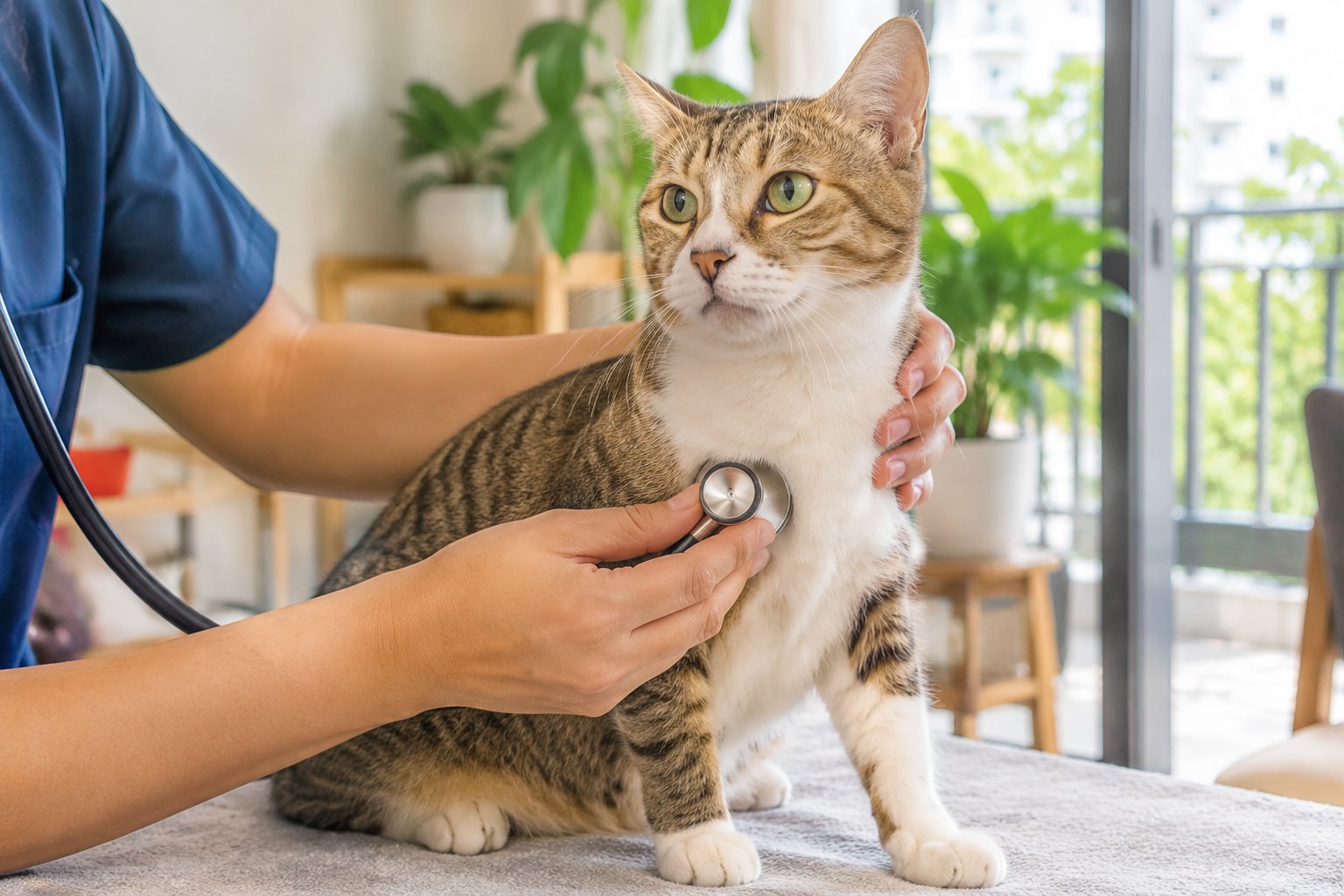
Any cat with a sudden change in temperament should have a vet examination. Blood tests and a dental check are common starting points.
2. Fear and anxiety
A frightened cat may attack rather than run. Common fear triggers include strangers, loud noises, fireworks, thunderstorms, carriers, vet visits and handling it dislikes.
Fear-based aggression often comes with a defensive posture: crouching, ears back, tail tucked, and a sideways swipe. The cat is trying to create distance, not dominate you.
3. Redirected aggression
This is one of the most common causes of sudden aggression in indoor cats. The cat sees an outside cat through the window, becomes highly aroused, and cannot reach the intruder. If you then touch the cat or walk past, it may attack you instead.
Redirected aggression can also happen after a loud noise, a fight between two household cats, or a visit from a stranger. The cat stays on edge for minutes or even hours.
4. Territorial and status-related aggression
Cats are territorial. A new cat in the neighbourhood, a new pet in the home, or a change in furniture can trigger marking, blocking and swatting.
Between household cats, tension often shows as staring, blocking doorways, guarding food or litter boxes, and sudden ambushes. This is not "jealousy"; it is competition over resources and space.
5. Overstimulation during petting
Some cats tolerate petting for a short time and then become over-aroused. The tail twitches, the skin ripples, the ears turn back, and then the cat bites. This is sometimes called petting-induced aggression.
It is not random. Watch for early warning signs and keep sessions short.
6. Maternal aggression
A mother cat with kittens may become fiercely protective. Give her a quiet, private space and limit handling until the kittens are older.
7. Play aggression
Young cats and bored indoor cats may stalk, pounce and bite hands or ankles. It looks aggressive but is usually frustrated hunting behaviour. It becomes a problem when the cat targets people or breaks skin.
8. Changes at home
Moving house, renovation, a new baby, a new partner, a change in work hours, or even a new piece of furniture can unsettle a cat. Cats rely on routine and scent. Sudden changes can make them defensive.
Comparison table: reading the pattern
| Pattern | Likely cause | First step |
|---|---|---|
| Bites when you touch a specific area | Pain or illness | Vet check |
| Attacks after seeing an outside cat | Redirected aggression | Block the view, separate |
| Hisses at visitors or strangers | Fear | Safe room, slow introductions |
| Guards doorways or food from another cat | Territorial or resource stress | Separate resources, add space |
| Bites during petting | Overstimulation | Shorter sessions, watch signals |
| Pounces on ankles at night | Play aggression | Scheduled play, toys not hands |
| Sudden aggression with confusion or circling | Neurological or medical | Urgent vet visit |
First aid: what to do in the moment
When a cat is aggressive, your safety comes first. Do not try to cuddle or soothe the cat with your hands.
- Stop and freeze. Do not scream or chase.
- Give space. Back away slowly and let the cat retreat.
- Remove the trigger. Close the curtain, move the other pet, or leave the room.
- Separate if needed. If two cats are fighting, use a cushion or board as a barrier. Never use your hands.
- Let the cat settle. A highly aroused cat may stay on edge for hours. Keep it in a quiet room with water and a litter tray.
- Clean any bites. Cat bites can become infected. Wash with soap and water and seek medical advice for deep bites.
Do not punish the cat. Hitting, shouting or spraying increases fear and makes future aggression more likely.
Medical checks your vet may suggest
A vet will usually start with a full physical examination, including the mouth, ears, skin, joints and abdomen. Depending on the cat's age and history, they may recommend:
- Blood tests to check organ function and thyroid levels
- Urine tests
- Dental examination under sedation if needed
- X-rays for arthritis or injury
- A neurological check if the behaviour is unusual
Bring notes. Write down when the aggression started, what happened just before, how long it lasted, and whether the cat shows any other signs such as not eating, hiding, limping or drinking more. This helps the vet connect behaviour to health.
Setting up a calmer home
Environment changes are often the most effective long-term fix. Cats need space, predictability and control.
- Add vertical space. Shelves, cat trees and high perches let cats escape each other.
- Separate resources. Use multiple food bowls, water bowls and litter trays in different locations.
- Create safe rooms. Each cat should have a room or zone it can access without being cornered.
- Block visual triggers. Frosted film on windows or closing curtains can reduce outside-cat stress.
- Keep routines steady. Feed and play at similar times each day.
- Use scent and familiarity. When introducing a new pet, swap bedding and scent before face-to-face meetings.
- Provide hiding spots. Boxes, covered beds and quiet corners help cats feel secure.
In a Kuala Lumpur apartment, space is limited, so vertical space and separate litter areas matter even more. In a Johor terrace house, cats may see neighbourhood cats through windows and gates, which can trigger redirected aggression. Blocking those sightlines often reduces incidents.
Behaviour work that actually helps
Behaviour change takes time. Work with your vet and, if needed, a qualified behaviour professional.
Desensitisation and counter-conditioning
This means exposing the cat to the trigger at a very low level while pairing it with something good, such as food or play. For example, if the cat reacts to visitors, start with a visitor standing far away while the cat eats. Gradually reduce distance over many sessions.
Avoid flooding
Do not force a scared cat to "face its fear". Flooding can make aggression worse and damage trust.
Reward calm behaviour
Notice when the cat is relaxed and reward it quietly. This teaches the cat that calm behaviour pays.
Play therapy
For play aggression, schedule two or three short play sessions a day with wand toys. End with a small meal so the cat can complete the hunt-eat-groom-sleep cycle.
Keep a behaviour diary
Record incidents with time, location, trigger, body language and outcome. Patterns become clear quickly, and the diary is useful for your vet.
Introducing a new cat or pet
Slow introductions reduce aggression. A common approach is:
- Keep the new cat in a separate room with its own resources.
- Swap bedding so each cat learns the other's scent.
- Feed them on opposite sides of a closed door.
- Allow brief visual contact through a cracked door or baby gate.
- Supervise short face-to-face meetings.
- Increase time together gradually.
If either cat shows aggression, go back a step. Rushing is the most common reason introductions fail.
When to see a vet
See a vet promptly if sudden aggression comes with any of these signs:
- Not eating or drinking
- Hiding more than usual
- Limping or reluctance to jump
- Drooling, bad breath or pawing at the mouth
- Weight loss or increased appetite
- Drinking and urinating more
- Confusion, circling, head pressing or seizures
- Aggression that starts suddenly in an older cat
- Bites that break skin on a person
If a cat bites a person deeply, wash the wound and seek medical care. Cat bites can cause infection.
Safety around children and other pets
Children are more likely to be scratched or bitten because they move quickly and may not read cat body language. Supervise all interactions, teach children not to pick up the cat, and give the cat escape routes.
With dogs, use barriers and gradual introductions. Never leave a cat and a dog alone together until you are confident they are safe.
What not to do
- Do not hit, kick or spray the cat.
- Do not grab the cat by the scruff.
- Do not force the cat to be held.
- Do not punish growling or hissing; these are warnings that prevent bites.
- Do not assume it is "just behaviour" before a vet check.
- Do not use your hands to break up a fight.
A realistic timeline
| Stage | What to expect |
|---|---|
| First 24 hours | Separate, reduce triggers, book vet |
| First week | Vet check, environmental changes, start diary |
| Weeks 2 to 4 | Behaviour plan, gradual introductions |
| Months 1 to 3 | Progress with consistency; setbacks are normal |
Some cats improve quickly once pain is treated. Others need months of patient work. Progress is rarely a straight line.
Key takeaways
Sudden aggression in cats is a symptom, not a personality flaw. Pain, fear, redirected arousal, territorial stress and overstimulation are common causes. Start with a vet check, keep people safe, remove triggers and avoid punishment. With a calm environment, predictable routines and gradual behaviour work, most cats can return to a more settled life.
This article is general information only and is not a substitute for veterinary advice. If your cat shows sudden aggression, especially with other signs of illness, consult a licensed veterinarian in Malaysia.

