
How to treat diabetes in cats at home: the short answer
Treating feline diabetes at home means giving insulin injections as prescribed, feeding a suitable diet, monitoring blood glucose, and keeping a consistent daily routine. Your vet sets the plan; you carry it out. Home care can be very effective, but it is not a do-it-yourself project. This guide walks through the practical steps Malaysian cat owners need, from storing insulin to spotting low blood sugar.
What is feline diabetes and why home care matters
Diabetes mellitus in cats happens when the body cannot produce enough insulin or cannot use it properly. Insulin moves glucose from the blood into cells. Without it, glucose builds up in the blood while the body's cells starve. The result is increased thirst, frequent urination, weight loss despite a good appetite, and sometimes lethargy.
Most diabetic cats have type 2-like diabetes, where insulin resistance and beta-cell dysfunction combine. Many are overweight or middle-aged to older. With early treatment, some cats achieve remission, meaning they no longer need insulin. Home care is the engine of that outcome: consistent insulin, appropriate food, and monitoring give your cat the best chance.
Step 1: Get a proper veterinary diagnosis and plan
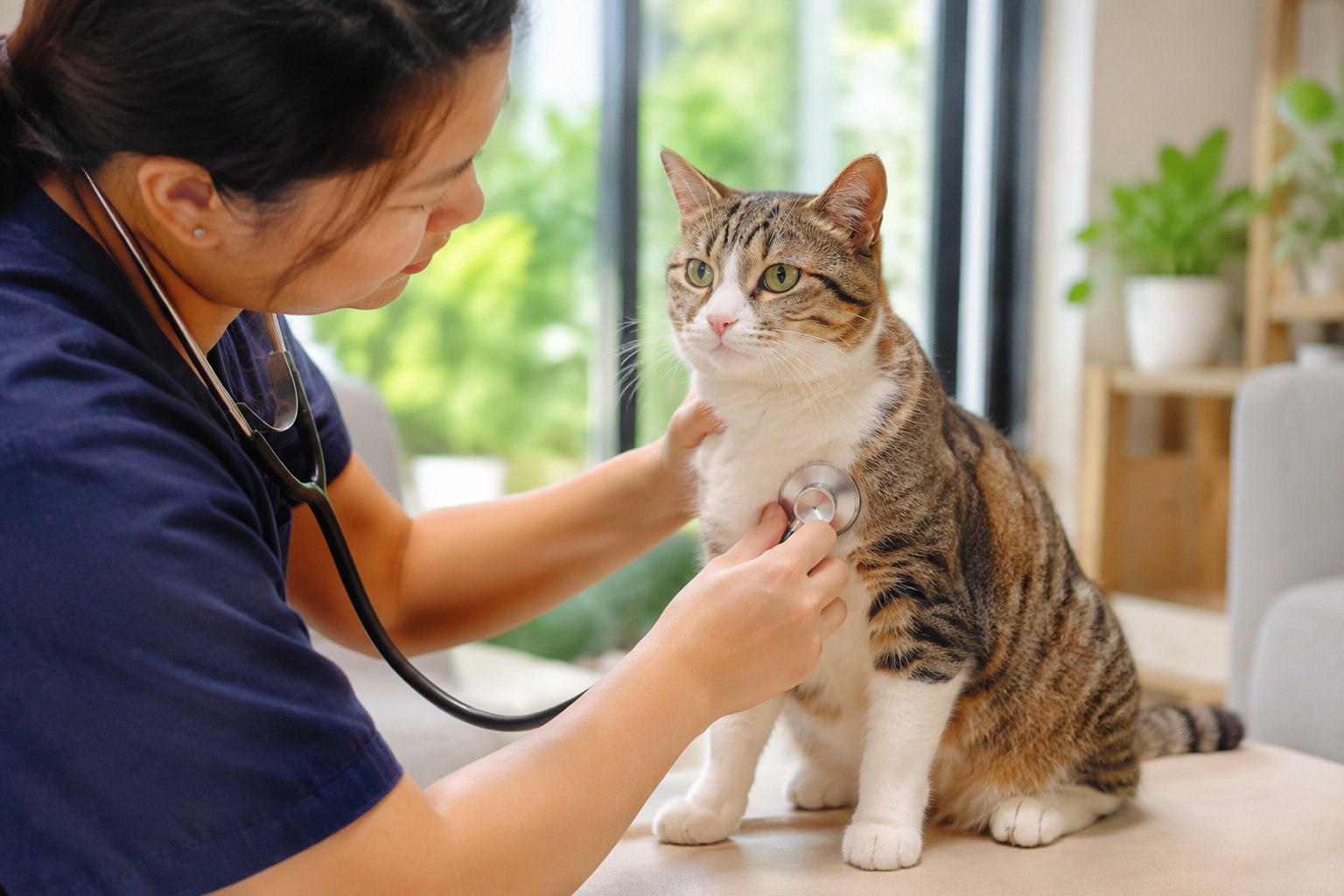
Before any home treatment, your cat needs a veterinary diagnosis. Your vet will confirm diabetes with blood glucose tests, urine tests, and sometimes a fructosamine test that reflects average glucose over weeks. They will also check for conditions that complicate diabetes, such as pancreatitis, dental disease, hyperthyroidism, kidney disease, and urinary infections.
Ask your vet for a written plan that covers:
- Insulin type, concentration (U-40 or U-100), dose, and timing
- Syringe type and how to draw the dose
- Diet and feeding schedule
- Monitoring schedule and target glucose range
- What to do if your cat does not eat
- Signs of hypoglycaemia and emergency steps
- Next check-up date
Keep this plan where everyone in the household can see it. If more than one person cares for the cat, agree on who gives which dose to avoid double-dosing.
Step 2: Learn to give insulin injections safely
Most cats tolerate insulin injections well. The needle is very fine and goes under the skin, not into a vein or muscle. Here is a safe routine:
- Wash your hands.
- Gently roll the insulin pen or vial between your palms if your vet advises; do not shake it vigorously.
- Draw the prescribed dose with the correct syringe. U-40 insulin needs a U-40 syringe; U-100 insulin needs a U-100 syringe. Mixing them causes dangerous dosing errors.
- Lift the scruff or flank skin to make a tent.
- Insert the needle quickly at a slight angle and inject. Count to two before withdrawing.
- Rotate injection sites to prevent sore spots.
- Dispose of the needle in a sharps container.
Give insulin around the same times each day, usually every 12 hours, and always with or just after food. If your cat refuses food, do not give the full dose; contact your vet, because insulin without food can cause hypoglycaemia.
Store insulin as the manufacturer directs. Most opened vials last a set number of weeks; ask your vet or pharmacist. Keep a spare syringe and a note of the dose in your pet first-aid kit.
Step 3: Choose the right diet and feeding routine
Diet is a cornerstone of home management. Most vets recommend a high-protein, low-carbohydrate diet, often wet food, because it helps control blood glucose and supports weight loss. Some cats do well on a veterinary therapeutic diet; others do well on a carefully chosen commercial wet food. Ask your vet which suits your cat, especially if your cat has kidney disease or other conditions.
Practical feeding rules:
- Feed two meals a day, timed with insulin injections.
- Avoid free-feeding dry food, which is often high in carbohydrates.
- Skip sugary treats and human snacks.
- If your cat is overweight, aim for gradual weight loss with your vet's guidance.
- Keep fresh water available; diabetic cats can become dehydrated.
In a Malaysian household with multiple cats, feed the diabetic cat separately so you can monitor intake. A simple trick is to feed in a closed room for 20 minutes, then remove leftovers.
Step 4: Monitor blood glucose at home
Home monitoring helps your vet fine-tune insulin. Options include:
- Blood glucose meters designed for pets or human meters your vet approves
- Urine glucose strips, which are less precise but useful
- Continuous glucose monitors, if your vet recommends and supplies them
Your vet will set a monitoring schedule. Many owners check glucose before the morning insulin and at the time of peak insulin effect, and do a full curve every one to two weeks. Record the numbers, food intake, insulin dose, and any symptoms in a logbook or phone app.
A simple comparison of monitoring methods:
| Method | What it shows | Pros | Cons |
|---|---|---|---|
| Blood glucose meter | Current glucose | Accurate, quick | Needs a small blood sample |
| Urine glucose strips | Glucose in urine | Easy, non-invasive | Delayed, less precise |
| Glucose curve | Pattern over 12–24 hours | Guides dose changes | Time-consuming |
| Continuous monitor | Continuous readings | Detailed trend | Cost, availability |
Ask your vet to show you how to take a blood sample from the ear or paw pad. Practice when your cat is calm. Reward with a treat that fits the diet.
Step 5: Watch for hypoglycaemia
Low blood sugar is the most serious home emergency. Signs include weakness, wobbliness, trembling, drooling, confusion, seizures, and collapse. If you suspect hypoglycaemia:
- Rub honey, glucose gel, or syrup on the gums.
- Do not force food or liquid into an unconscious cat.
- Contact your vet immediately.
- If your cat recovers, offer a small meal and monitor closely.
Keep a glucose source in your pet first-aid kit. If your cat has repeated low readings, your vet may reduce the insulin dose.
Step 6: Build a daily routine that fits Malaysian life
Consistency matters more than perfection. A workable routine for many owners looks like this:
- 7am: feed, give insulin, check glucose if scheduled
- 7pm: feed, give insulin, check glucose if scheduled
- Weekly: weigh your cat, review the log, check insulin supply
- Monthly: vet check or as advised
In a Kuala Lumpur apartment, space can be tight, so keep insulin, syringes, and the log in one caddy. In a Johor terrace house with other pets, use a closed room for feeding and injections to avoid interference. During the Penang rainy season, keep insulin dry and away from heat; humidity and heat can degrade it.
Step 7: Know when to see a vet
Contact your vet promptly if your cat:
- Refuses food for more than 24 hours
- Vomits repeatedly or has diarrhoea
- Shows signs of hypoglycaemia
- Has very high or very low glucose readings on your meter
- Drinks and urinates excessively despite treatment
- Loses weight or becomes lethargic
- Has a wound, dental pain, or suspected infection
Routine check-ups are part of home care. Your vet may adjust insulin, change diet, or investigate complications. Never change the insulin dose without veterinary advice.
Step 8: Understand remission and long-term outlook
Some cats, especially those diagnosed early and not overweight, achieve diabetic remission. Remission means blood glucose stays normal without insulin. It is more likely with good home care, but it is not guaranteed. If remission occurs, your vet will guide you on monitoring and diet to reduce the risk of relapse.
Even without remission, many diabetic cats live good lives with home treatment. The keys are consistency, monitoring, and a partnership with your vet.
Frequently asked questions
Can I treat my cat's diabetes at home without a vet? No. Feline diabetes needs a veterinary diagnosis and an insulin plan. Home care works only under veterinary supervision, with regular check-ups and dose adjustments based on your cat's response.
How do I give insulin to my cat at home? Use a U-40 syringe matched to your insulin, draw the prescribed dose, and inject under the skin at the scruff or flank while your cat eats. Rotate sites and never reuse needles.
What should I feed a diabetic cat? Most vets recommend a high-protein, low-carbohydrate wet food. Avoid sugary treats and high-carb dry food. Ask your vet for a diet suited to your cat's other health conditions.
How often should I monitor blood glucose at home? Your vet will set a schedule. Many owners check before insulin and at peak effect, or use a glucose curve every 1–2 weeks. Keep a log and share it at every visit.
What are signs of low blood sugar in cats? Weakness, wobbliness, trembling, drooling, confusion, seizures or collapse. If you see these, rub honey or glucose gel on the gums and contact your vet immediately.
Can feline diabetes go into remission? Yes, some cats achieve remission with early insulin, good diet and weight control. Remission is more likely in cats that are not overweight and are treated promptly, but it is not guaranteed.
Vet disclaimer
This article is for general information only and does not replace veterinary advice. Always consult a licensed veterinarian for diagnosis and treatment of your cat.
Related reading
- Cat Health Guide Malaysia: Symptom Check, Red-Flag Triage & When to See a Vet
- Arthritis in Cats in Malaysia: Signs, Diagnosis and Home Care
- Blood Test for Cats in Malaysia: What It Checks, Costs and When You Need One
- Cat Arthritis Treatment in Malaysia: A Practical Owner's Guide
- Cat Diabetes Treatment in Malaysia: A Practical Owner's Guide
- Cat Trembling Treatment in Malaysia: Causes, Home Care and When to See a Vet
- Diabetes in Cats: Causes and Care (Malaysian Owner's Guide)
- Diabetes in Cats Malaysia: Signs, Diagnosis and Daily Care

