
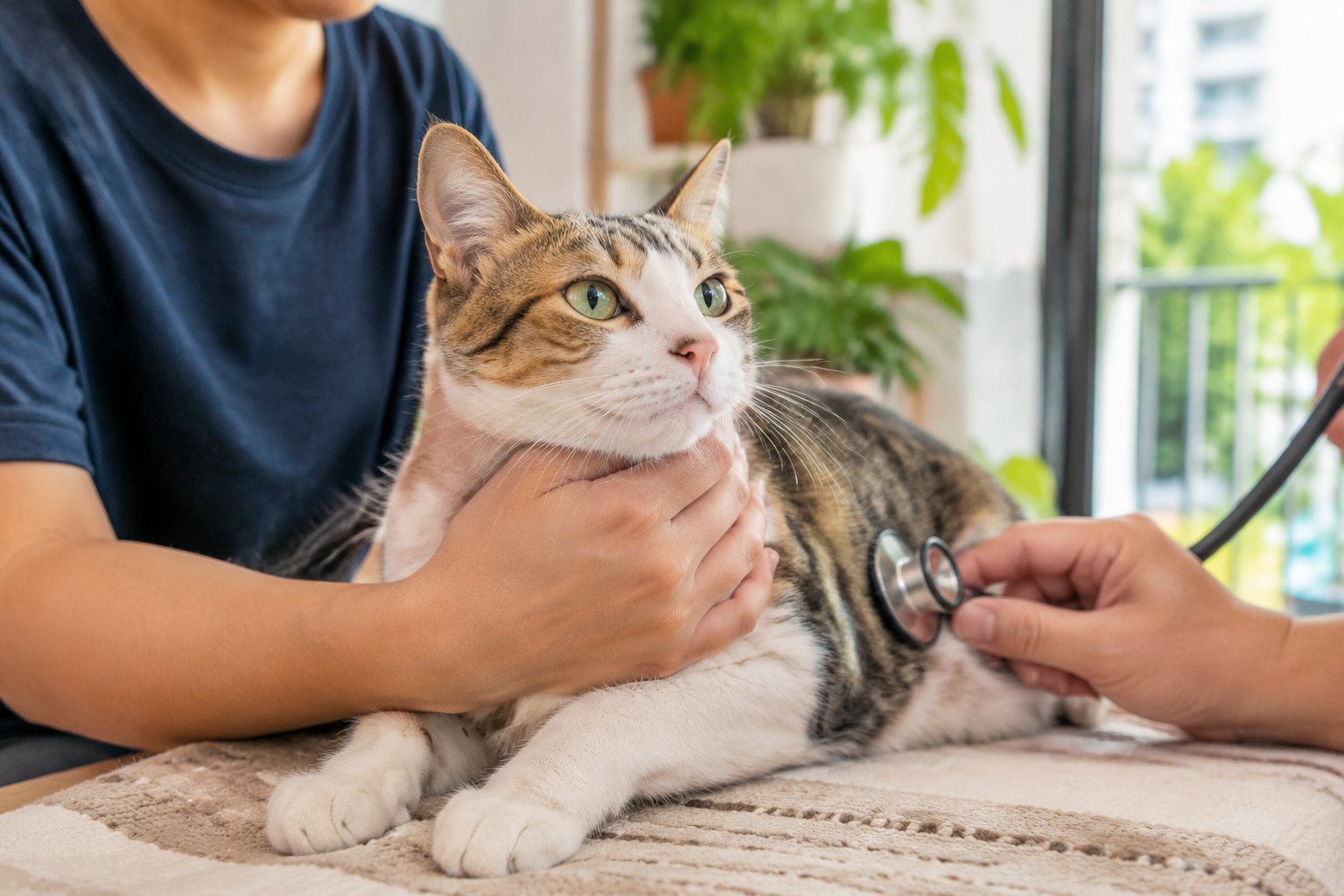
What is kidney disease in cats?
Kidney disease, also called chronic kidney disease (CKD) or renal disease, is a common condition in older cats. It happens when the kidneys gradually lose their ability to filter waste products from the blood, concentrate urine, and balance fluids and electrolytes. Because kidney function often declines slowly over months or years, signs can be subtle at first and easy to miss.
In Malaysia, kidney disease is frequently diagnosed in senior cats. While it cannot be cured, early detection and good management can slow progression and help your cat live comfortably for longer. This guide explains the signs, stages, diet, and practical care tips for Malaysian cat owners.
Why do cats get kidney disease?
Kidney disease can have many causes. In many cases, the exact cause is unknown (idiopathic). Common contributing factors include:
- Age: Kidney function naturally declines with age, and CKD is most common in cats over 7 years.
- Genetics: Some breeds may be predisposed, but any cat can develop CKD.
- Dental disease: Chronic gum inflammation may be linked to kidney problems.
- Toxins: Certain plants (like lilies), human medications, antifreeze, and some household chemicals can damage kidneys.
- Infections: Some viral or bacterial infections can affect the kidneys.
- Other conditions: High blood pressure, diabetes, and urinary blockages can contribute.
Because early kidney disease often has no obvious signs, routine veterinary screening is important, especially for cats over 7 years old.
What are the signs of kidney disease in cats?
Early signs can be very subtle. Watch for:
- Increased thirst (polydipsia) and increased urination (polyuria) – you may notice more frequent litter box visits or larger clumps.
- Weight loss despite a normal or increased appetite.
- Reduced appetite and picky eating.
- Vomiting or nausea.
- Lethargy and weakness.
- Poor coat condition – dull, unkempt fur.
- Bad breath or mouth ulcers (due to toxins building up).
- Dehydration – skin may feel less elastic.
In advanced stages, you may see muscle wasting, tremors, or seizures. If you notice any of these signs, take your cat to a vet for a check-up.
How is kidney disease diagnosed?
Your vet will start with a physical examination and ask about your cat's history. Diagnostic tests usually include:
- Blood tests: To measure kidney values (creatinine, BUN, SDMA), electrolytes, and sometimes thyroid hormone.
- Urine tests: To check urine concentration, protein levels, and look for infection.
- Blood pressure measurement: High blood pressure is common in CKD and needs management.
- Imaging: X-rays or ultrasound may be used to look at kidney size and shape.
Early detection is key. The International Renal Interest Society (IRIS) staging system is used worldwide to classify CKD based on blood and urine tests. Staging helps your vet plan treatment and monitor progression.
IRIS stages of kidney disease
The IRIS system stages CKD from 1 to 4, with substaging based on blood pressure and protein in the urine. Here is a simplified overview:
| Stage | Description | Typical Findings |
|---|---|---|
| Stage 1 | Early, non-azotemic | Kidney damage present but creatinine normal; often no signs |
| Stage 2 | Mild azotemia | Creatinine mildly elevated; signs may be subtle |
| Stage 3 | Moderate azotemia | Creatinine moderately elevated; signs more noticeable |
| Stage 4 | Severe azotemia | Creatinine severely elevated; significant signs |
Your vet will also check blood pressure and urine protein to refine the stage. Staging helps determine the best treatment plan and monitoring schedule.
How is kidney disease treated?
There is no cure, but treatment aims to slow progression, manage symptoms, and improve quality of life. Key strategies include:
1. Dietary management
A kidney-friendly diet is the cornerstone of CKD management. These diets are typically:
- Restricted in phosphorus – helps slow kidney damage.
- Moderate to high-quality protein – enough to maintain muscle but not overload the kidneys.
- Added omega-3 fatty acids – may help reduce kidney inflammation.
- Increased calories – to help maintain weight.
- Palatable – to encourage eating.
Your vet will recommend a specific renal diet. In Malaysia, several international brands are available through veterinary clinics. Do not switch to a homemade diet without veterinary guidance, as it can be unbalanced.
2. Hydration support
Cats with CKD are prone to dehydration. Encourage drinking by:
- Providing multiple water bowls around the house.
- Using a water fountain.
- Adding water to food or feeding wet food.
- Offering low-sodium broth (check with your vet).
In some cases, your vet may teach you to give subcutaneous fluids at home. This involves injecting fluids under the skin to keep your cat hydrated. It is a common and effective supportive measure.
3. Managing complications
- High blood pressure: Medication may be prescribed.
- Protein in urine: Certain medications (like ACE inhibitors) can help reduce protein loss.
- Anemia: Sometimes treated with supplements or medication.
- Nausea and vomiting: Anti-nausea drugs and appetite stimulants may be used.
- Electrolyte imbalances: Potassium supplements may be needed.
4. Regular monitoring
Cats with CKD need regular vet visits to monitor blood values, blood pressure, weight, and urine protein. Your vet will adjust treatment as needed.
Diet and nutrition tips for Malaysian cat owners
Feeding a cat with CKD can be challenging, especially if your cat is picky. Here are practical tips:
- Transition gradually: Mix the new renal diet with the old food over 1-2 weeks.
- Warm the food: Slightly warming wet food can enhance aroma and appeal.
- Avoid high-phosphorus treats: Many commercial treats are high in phosphorus. Ask your vet for suitable treats.
- Keep a food diary: Track what your cat eats and any changes in appetite.
- Monitor weight: Weigh your cat regularly (e.g., monthly) to detect weight loss early.
If your cat refuses the renal diet, talk to your vet. There may be alternative options or ways to make the food more appealing. Never starve a cat, as this can be dangerous.
Living with a cat with kidney disease in Malaysia
CKD management is a long-term commitment. Here are some practical considerations for Malaysian homes:
- Litter box monitoring: Keep the litter box clean and note changes in urine volume or frequency. In a Kuala Lumpur apartment, a covered litter box may trap odours; consider an open box for easier monitoring.
- Hydration in hot weather: Malaysia's hot and humid climate can increase water loss. Ensure your cat always has access to fresh water and consider adding wet food to increase fluid intake.
- Stress reduction: Cats with CKD may be more sensitive to stress. Provide quiet resting spots away from noise, especially in busy households.
- Vet access: Regular check-ups are essential. If you live in a rural area, plan ahead for vet visits and discuss monitoring schedules with your vet.
- Emergency plan: Know the signs that require urgent vet care, such as not eating for over 24 hours, vomiting persistently, or sudden weakness.
When to see a vet
Seek veterinary care if you notice any of the following:
- Increased thirst and urination that persists.
- Weight loss or muscle wasting.
- Reduced appetite or refusal to eat for more than 24 hours.
- Vomiting or diarrhea that doesn't resolve.
- Bad breath or mouth ulcers.
- Weakness, lethargy, or collapse.
- Seizures or tremors.
Early intervention can make a significant difference in managing kidney disease. If your cat is over 7 years old, ask your vet about routine screening.
Frequently asked questions
What are the early signs of kidney disease in cats? Early signs include increased thirst and urination, weight loss, reduced appetite, and occasional vomiting. Some cats also have bad breath or mouth ulcers. Because signs are subtle, regular vet check-ups with blood and urine tests are important for early detection.
Can kidney disease in cats be cured? No, chronic kidney disease cannot be cured, but its progression can be slowed. Treatment focuses on managing symptoms, supporting hydration, controlling blood pressure and protein loss, and feeding a kidney-friendly diet. Early diagnosis and consistent care can improve quality of life.
What should I feed a cat with kidney disease? Feed a veterinary-prescribed renal diet that is restricted in phosphorus and high-quality protein, and has added omega-3 fatty acids and antioxidants. Your vet will recommend a suitable brand and portion. Avoid high-phosphorus foods and treats unless approved by your vet.
How often should a cat with kidney disease see the vet? Cats with stable kidney disease typically see the vet every 3 to 6 months for blood and urine tests. Cats with more advanced disease or complications may need check-ups every 1 to 2 months. Your vet will set a schedule based on your cat's stage and response to treatment.
Is kidney disease painful for cats? Kidney disease itself is not usually painful, but complications like mouth ulcers, dehydration, and high blood pressure can cause discomfort. Cats may also feel nauseous. Pain management and supportive care can help keep your cat comfortable. Discuss any signs of pain with your vet.
Can I prevent kidney disease in my cat? You cannot prevent all cases, but you can reduce risk by ensuring good hydration, feeding a balanced diet, avoiding toxins, and scheduling regular vet check-ups. Early detection through routine blood and urine tests allows timely intervention. Keeping your cat at a healthy weight also helps.
Vet disclaimer
This article is for general information only and is not a substitute for professional veterinary advice. Always consult a licensed veterinarian for diagnosis and treatment of your cat's condition. The information provided is not intended to diagnose, treat, cure, or prevent any disease.
Related reading
- Cat Health Guide Malaysia: Symptom Check, Red-Flag Triage & When to See a Vet
- Anemia in Cats in Malaysia: Signs, Causes, and What to Do
- Arthritis in Cats in Malaysia: Signs, Diagnosis and Home Care
- Blood Test for Cats in Malaysia: What It Checks, Costs and When You Need One
- Blood Test for Cats: What to Expect (Malaysian Owner's Guide)
- Cat Anemia Treatment in Malaysia: A Practical Owner's Guide
- Cat Arthritis Treatment in Malaysia: A Practical Owner's Guide
- Cat Dental Pain Treatment in Malaysia: A Practical Owner's Guide
- Cat Ear Mites Treatment in Malaysia: A Complete Owner's Guide

