
Quick answer
If your cat is itching, start by checking for fleas and flea dirt, then book a veterinary appointment for a proper diagnosis. Do not use human creams, dog flea products or unproven home remedies. In Malaysia's warm, humid climate, itching is often caused by fleas, fungal infections, mites or allergies, and treatment depends on the cause. Most itchy cats improve with vet-prescribed antiparasitics, medicated shampoos, antibiotics if there is infection, or allergy management. See a vet urgently if there are open wounds, hair loss, lethargy or no improvement within a few days.
Why cat itching is common in Malaysia
Malaysia's tropical climate is kind to fleas, mites and fungi. Warmth and high humidity allow fleas to breed year-round, and damp fur can encourage yeast and fungal overgrowth. Cats that go outdoors, live in apartments with balconies, or come from shelters may be exposed to parasites and skin infections. Indoor cats are not immune: fleas can arrive on clothing, other pets or second-hand furniture.
Itching is a symptom, not a disease. The goal is to find the cause rather than simply stopping the scratch. A cat that scratches constantly can damage its skin, develop bacterial infections and become miserable. Early treatment is kinder and usually simpler than waiting for the skin to break down.
Common causes of itching in cats
Fleas and flea allergy dermatitis
Fleas are a leading cause of itching in Malaysian cats. Some cats are allergic to flea saliva, so a single bite can trigger intense scratching, especially around the tail base, lower back and hind legs. You may see small black specks called flea dirt in the coat. Flea dirt turns reddish-brown when placed on a damp paper towel.
Fungal skin infections
Ringworm is a fungal infection that causes circular patches of hair loss, scaling and itching. It is more common in warm, humid conditions and can spread to other pets and people. Diagnosis usually requires a vet examination and sometimes a fungal culture or lamp test.
Mites
Ear mites cause intense scratching of the ears and head, and you may see dark, coffee-ground-like debris in the ear canal. Other mites, such as Notoedres or Cheyletiella, can cause crusty, itchy skin. Mites are contagious between pets and need veterinary treatment.
Allergies
Cats can develop allergies to food, environmental proteins such as pollen or dust mites, or substances they contact. Food allergies often cause itching around the head, neck and ears, sometimes with gastrointestinal signs. Environmental allergies may be seasonal or year-round. Allergy diagnosis is a process of elimination and may require a prescription diet trial or veterinary dermatology referral.
Bacterial infections
Bacterial skin infections often develop secondary to scratching. They cause redness, pustules, crusts and sometimes a bad smell. Antibiotics are usually needed, prescribed by a vet.
Dry skin and grooming issues
Over-grooming, stress, poor nutrition and dry indoor air can contribute to skin irritation. Some cats over-groom due to anxiety, creating bald patches. This is not always itchy skin disease, but it looks similar and needs veterinary assessment.
Other causes
Less common causes include hormonal disease, autoimmune skin conditions, drug reactions and cancer. A vet can rule these out if initial treatment does not work.
What to do first: a step-by-step approach
- Check for fleas and flea dirt. Part the fur along the back and tail base. Look for live fleas or black specks. If you find fleas, treat all pets in the household with a cat-safe product recommended by your vet.
- Prevent scratching damage. Keep your cat's nails trimmed and consider a soft cone if it is scratching its face or ears raw. Do not apply bandages tightly.
- Do not use human medicines. Hydrocortisone cream, calamine lotion, antiseptic creams and human shampoos are not formulated for cats and can be toxic if licked.
- Do not use dog flea products. Permethrin, a common dog flea ingredient, is highly toxic to cats. Read labels carefully and only use products labelled for cats.
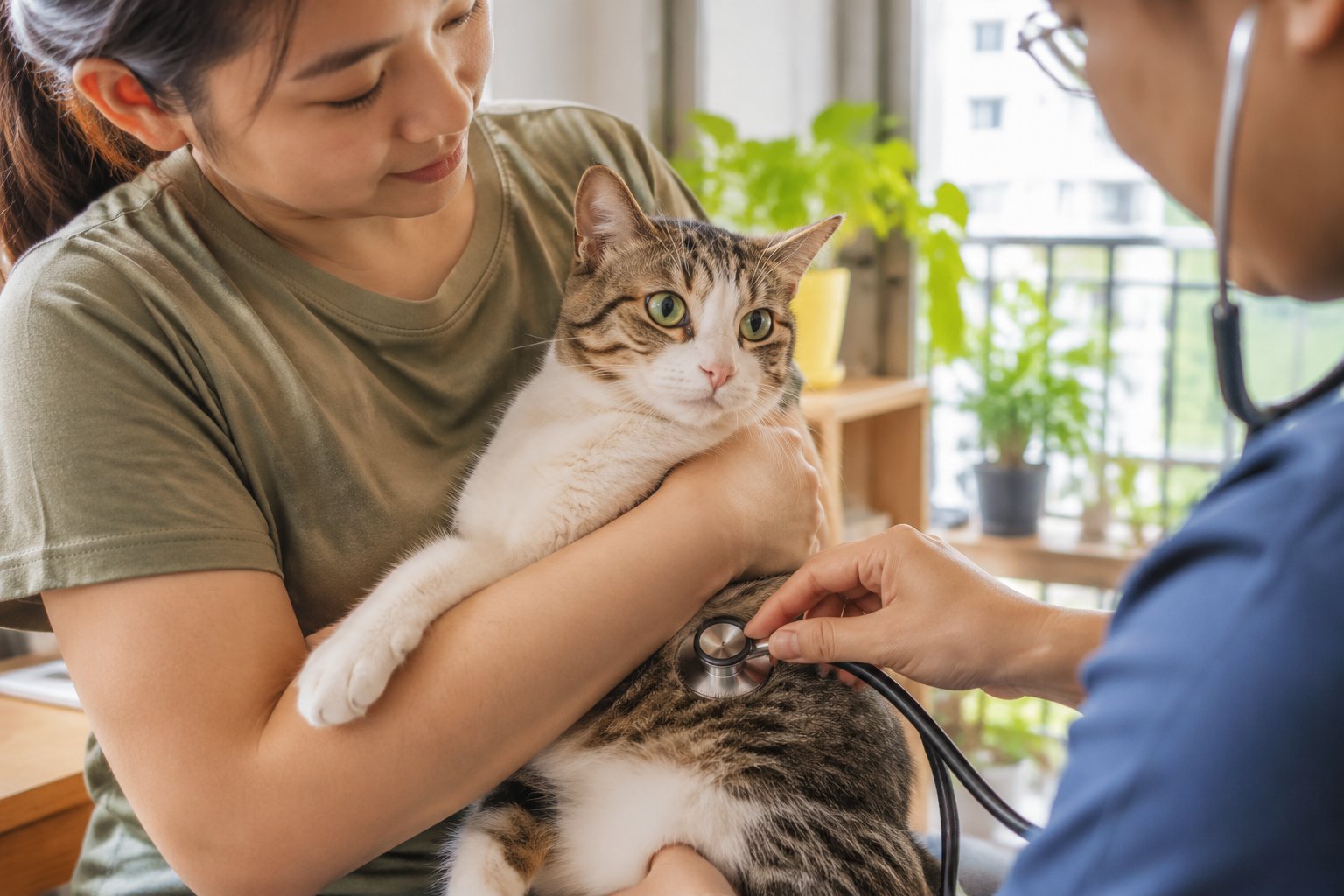
- Book a vet visit. A vet can examine the skin, check the ears, and take samples if needed. Tell the vet about your cat's lifestyle, diet, other pets and any recent changes.
- Follow the treatment plan. Finish all medication as prescribed, even if the skin looks better. Stopping antibiotics early can lead to resistant infections.
- Clean the environment. Wash bedding in hot water, vacuum regularly and discard old flea-infested bedding. Flea eggs and larvae can survive in cracks and carpets.
Safe home care for itchy cats
Home care supports veterinary treatment but does not replace it. Keep your cat's environment clean and calm. Use a gentle, cat-safe shampoo only if your vet recommends it. Human oatmeal baths are not designed for cats and may not help.
A soft, damp cloth can be used to wipe away discharge or debris around the eyes and ears, but avoid pushing anything into the ear canal. Keep the litter box clean and reduce stress where possible, as stress can worsen skin problems and over-grooming.
Omega-3 fatty acid supplements are sometimes recommended by vets to support skin health, but use only products formulated for cats and ask your vet about the dose. Never give human fish oil capsules without veterinary advice, as the dose can be wrong and some products contain additives that are not suitable for cats.
Coconut oil is sometimes suggested online, but it is not a proven treatment for skin disease. Small amounts are generally not toxic, but it can cause diarrhoea and cats may lick it off. Ask your vet before trying it.
Veterinary treatment options
Treatment depends on the diagnosis. Your vet may use one or more of the following approaches.
| Problem | Typical veterinary approach | What owners should know |
|---|---|---|
| Fleas | Cat-safe flea spot-on, oral tablet or collar; treat all pets | Never use dog products; some flea products are toxic to cats |
| Flea allergy dermatitis | Strict flea control plus medication for itching and infection | One missed dose can trigger a flare |
| Ringworm | Antifungal medication, medicated shampoo or topical treatment | Treatment can take weeks; wash hands after handling |
| Ear mites | Ear cleaning and prescription ear drops | Treat all pets; clean bedding |
| Bacterial infection | Antibiotics prescribed by a vet | Finish the full course |
| Food allergy | Prescription elimination diet trial | No treats or table food during the trial |
| Environmental allergy | Allergy medication, medicated baths, allergen avoidance | Long-term management may be needed |
| Over-grooming due to stress | Behaviour assessment and environmental changes | Rule out medical causes first |
Your vet may also recommend a skin scraping, tape preparation, fungal culture or blood tests. These tests help identify the cause and avoid unnecessary treatment. In Malaysia, prices for consultations, tests and medicines vary between clinics, so ask your vet for an estimate before treatment begins.
Flea control in Malaysian homes
Flea control is the foundation of itch prevention for many cats. Because Malaysia is warm all year, vets often recommend continuous flea prevention rather than seasonal treatment. Products include spot-on treatments, oral tablets and collars. Some are available without prescription, but it is safer to ask your vet which product suits your cat's age, weight and health status.
Treat every cat and dog in the household at the same time. Fleas can survive in the environment, so vacuum carpets, sofas and car seats, and wash pet bedding regularly. Discard vacuum bags or empty canisters outdoors. If the infestation is severe, ask your vet about environmental flea control products.
Do not use flea products intended for dogs on cats. Permethrin is a common ingredient in dog flea treatments and is highly toxic to cats, causing tremors, seizures and even death. If you suspect your cat has been exposed to a dog flea product, contact a vet immediately.
Managing allergies in cats
If fleas and infections are ruled out, your vet may investigate allergies. Food allergy trials usually involve feeding a prescription diet for several weeks with no other food, treats or flavoured medication. This requires commitment from everyone in the household.
Environmental allergies are harder to avoid in Malaysia. You can reduce dust mites by washing bedding often, using dust-mite covers and keeping humidity under control where possible. Air conditioning can help some cats, but not all. Your vet may prescribe medication to control itching, such as corticosteroids or other anti-itch drugs. These must be used under veterinary supervision because they can have side effects.
Do not give human antihistamines to cats without veterinary advice. Some are toxic, and the dose is very different from human doses.
When to see a vet
See a vet if your cat has any of the following:
- Itching that lasts more than a few days or is getting worse
- Hair loss, bald patches or broken skin
- Scabs, crusts, wounds or a bad smell
- Shaking the head, scratching the ears or discharge from the ears
- Lethargy, loss of appetite or weight loss
- Vomiting or diarrhoea along with itching
- Itching that does not improve after home flea treatment
- Any suspected exposure to a dog flea product or human medicine
If your cat is scratching its face or ears until they bleed, or seems painful, seek veterinary care promptly. Skin infections can worsen quickly, and some conditions, such as ringworm, can spread to people.
Preventing itching in Malaysian cats
Prevention is better than treatment. Keep your cat's flea prevention up to date, groom regularly to check for skin problems, and feed a balanced diet. Keep your cat indoors or in a secure enclosure to reduce exposure to parasites and other animals. Wash bedding regularly and vacuum frequently.
If your cat has a known allergy, follow your vet's management plan and avoid known triggers. Keep a simple diary of itching, diet and environment to help identify patterns. Regular veterinary check-ups can catch skin problems early.
What not to do
- Do not use human creams, lotions or shampoos on cats.
- Do not use dog flea products on cats.
- Do not give human antihistamines or steroids without veterinary advice.
- Do not use essential oils on cats; many are toxic.
- Do not delay veterinary care if the skin is broken or the cat is unwell.
- Do not assume itching is just dry skin; it often has a treatable cause.
Local context for Malaysian cat owners
In a Kuala Lumpur apartment, an indoor cat can still pick up fleas from a neighbour's pet in the corridor or from second-hand furniture. In a Johor terrace house, cats that spend time in the garden or car porch may be exposed to fleas, mites and fungal spores from soil and plants. Penang's rainy season can keep fur damp and create conditions for yeast and fungal overgrowth, so drying your cat thoroughly after a bath or outdoor excursion is sensible.
Malaysian pet owners can consult a private veterinary clinic or the Department of Veterinary Services for general advice on animal health and disease control. The SPCA and other animal welfare organisations may also provide guidance on responsible pet care. Always confirm product suitability with a veterinarian who has examined your cat.
Final thoughts
Cat itching is common in Malaysia, but it is not something to ignore. The best treatment starts with a proper diagnosis. Check for fleas, avoid human and dog products, and see a vet if the skin is damaged or the itching persists. With the right treatment and consistent flea control, most itchy cats can be made comfortable again.
This article is for general information only and is not a substitute for veterinary advice. Always consult a licensed veterinarian for diagnosis and treatment of your cat's skin condition.
Related reading
- Cat Fleas Treatment in Malaysia: A Practical Owner's Guide
- Fleas in Cats in Malaysia: Signs, Treatment and Prevention
- Signs of Diarrhea in Cats in Malaysia: What's Normal, What's Not
- Anemia in Cats in Malaysia: Signs, Causes, and What to Do
- Blood Test for Cats: What to Expect (Malaysian Owner's Guide)
- Cat Anemia Treatment in Malaysia: A Practical Owner's Guide
- Cat Constipation Treatment in Malaysia: A Practical Owner's Guide