
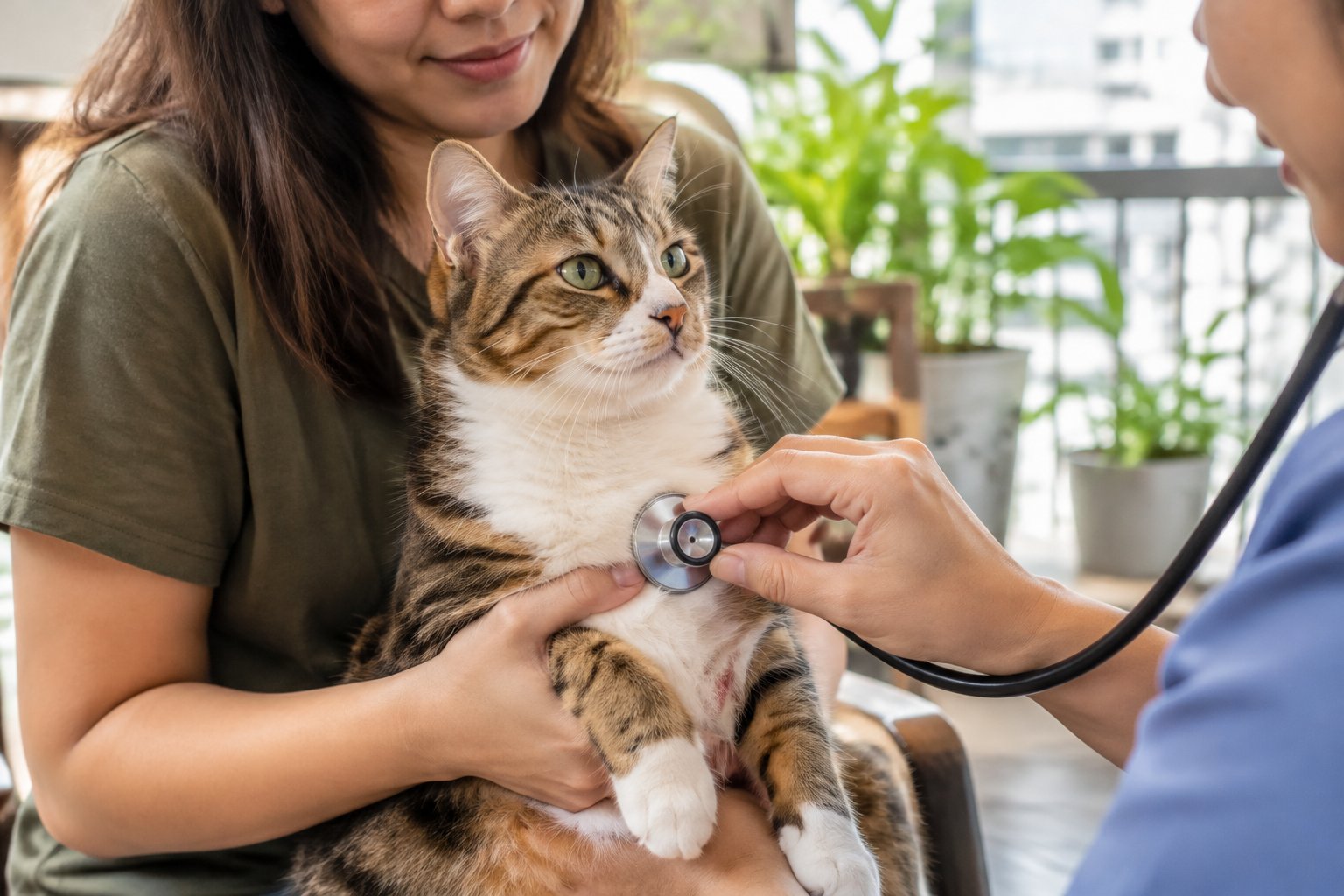
What is heatstroke and why is it dangerous for cats?
Heatstroke, also called hyperthermia, occurs when a cat's body temperature rises above normal (around 38–39.2°C) to dangerous levels, typically above 40°C. Cats have limited ability to sweat—they only sweat through their paw pads—and rely on panting to cool down. Unlike dogs, cats rarely pant, so when they do, it's a sign of severe distress. In Malaysia's tropical climate, with high humidity and temperatures often exceeding 32°C, cats can overheat quickly, especially if they are confined in hot spaces or lack access to shade and water.
Heatstroke is a medical emergency. It can cause dehydration, blood clotting disorders, kidney failure, and damage to the brain and other organs. Without immediate treatment, it can be fatal. Even with treatment, some cats suffer long-term consequences. Therefore, prevention and quick action are crucial.
Recognising the signs of heatstroke in cats
Cats are masters at hiding discomfort, so you need to be observant. Early signs include:
- Excessive panting or open-mouth breathing
- Drooling or thick saliva
- Restlessness or agitation
- Seeking cool surfaces (tiles, sinks)
- Red or tacky gums
- Increased heart rate
As heatstroke progresses, you may see:
- Vomiting or diarrhoea
- Weakness, wobbliness, or collapse
- Tremors or seizures
- Confusion or unresponsiveness
- Dark or bloody urine
- Difficulty breathing
If you notice any of these signs, act immediately. Do not wait to see if your cat improves on their own.
First aid for heatstroke: what to do right away
Your goal is to cool your cat gradually while arranging transport to a vet. Follow these steps:
- Move your cat to a cool, shaded area. If indoors, turn on the air-conditioner or fan. If outdoors, find shade or bring them inside.
- Apply cool water to your cat's body. Use a towel or sponge soaked in cool (not cold) water. Focus on the back of the neck, armpits, groin, and paw pads. Do not use ice or ice-cold water—this constricts blood vessels and can trap heat, worsening the condition.
- Increase airflow. Use a fan or open windows to help evaporate the water and cool your cat.
- Offer small amounts of water. If your cat is conscious and can swallow, let them drink small amounts. Do not force water into their mouth, as they may inhale it.
- Avoid over-cooling. Stop cooling once your cat's temperature drops to around 39.5°C to prevent hypothermia. If you don't have a thermometer, cool for a few minutes and then check for signs of shivering.
- Transport to a vet immediately. Call ahead so the clinic can prepare. Keep cooling your cat during transport with wet towels and air-conditioning.
Do not try to treat heatstroke at home without veterinary guidance. Even if your cat seems to recover, internal damage may still be occurring.
Veterinary treatment for heatstroke
When you arrive at the vet, they will assess your cat's condition and begin treatment. This may include:
- Further cooling: Using cool water, fans, and sometimes intravenous fluids. The vet will monitor body temperature closely.
- Oxygen therapy: If your cat has difficulty breathing.
- Intravenous fluids: To rehydrate and support organ function.
- Medications: To control seizures, vomiting, or anxiety.
- Blood tests: To check for organ damage, electrolyte imbalances, and clotting problems.
- Hospitalisation: For monitoring and supportive care. Some cats may need to stay for several days.
The vet will also look for underlying causes, such as heart or respiratory disease, which can predispose a cat to heatstroke.
Preventing heatstroke in Malaysian homes
Malaysia's hot and humid climate means you need to be proactive. Here are practical tips:
- Always provide fresh, cool water. Place multiple water bowls around the house and change the water frequently. Consider adding ice cubes to the bowl (but not directly on your cat).
- Create cool zones. Allow access to tiled floors, bathrooms, or air-conditioned rooms. Use fans to circulate air. Never confine your cat in a hot room, conservatory, or car.
- Avoid the hottest part of the day. Walk or play with your cat in the early morning or evening. Keep outdoor cats indoors during peak heat (11am–4pm).
- Groom regularly. Brush your cat to remove loose fur and help them stay cool. Long-haired breeds like Persians may benefit from a shorter clip in summer, but never shave down to the skin as fur protects against sunburn.
- Provide shade. If your cat goes outside, ensure there is ample shade and access to water. Better yet, keep them indoors.
- Watch out for hot surfaces. Cats love to lie on warm tiles, but metal, asphalt, and concrete can become dangerously hot. Check surfaces with your hand before letting your cat lie there.
- Never leave your cat in a car. Even with windows cracked, a car can heat up rapidly to lethal temperatures.
- Monitor at-risk cats. Overweight, elderly, and flat-faced breeds (like Persians and Exotic Shorthairs) are more susceptible. Keep them in air-conditioned areas during hot spells.
Risk factors for heatstroke in cats
Some cats are more prone to heatstroke:
- Flat-faced breeds (brachycephalic): Persians, Exotic Shorthairs, and Himalayans have compromised airways, making it harder to cool down.
- Overweight or obese cats: Extra fat acts as insulation.
- Elderly or very young cats: Their thermoregulation may be less efficient.
- Cats with underlying health conditions: Heart disease, respiratory disease, or hormonal disorders.
- Long-haired cats: Thick coats trap heat.
- Outdoor cats without shade or water.
If your cat falls into any of these categories, take extra precautions during hot weather.
Heatstroke vs. heat exhaustion: what's the difference?
Heat exhaustion is a milder form of heat-related illness. The cat may be uncomfortable but not in immediate danger. Signs include excessive panting, drooling, and seeking cool places. Body temperature may be slightly elevated (39.5–40°C).
Heatstroke is more severe, with body temperature often above 40°C and signs of organ dysfunction (vomiting, collapse, seizures). Heatstroke is a life-threatening emergency.
If you're unsure, treat it as an emergency and seek veterinary advice.
What to put in a cat first-aid kit for heatstroke
Be prepared with these items:
- Digital thermometer (rectal)
- Cool packs (not ice) or towels
- Water bottle
- Small bowl for water
- Fan (battery-operated)
- Carrier with good ventilation
- Vet's phone number
Keep the kit easily accessible.
Comparison table: heat exhaustion vs. heatstroke
| Feature | Heat Exhaustion | Heatstroke |
|---|---|---|
| Body temperature | 39.5–40°C | Often >40°C |
| Panting | Yes | Yes, often severe |
| Drooling | Mild | Profuse |
| Mental state | Alert, restless | Confused, weak, collapse |
| Vomiting/diarrhoea | Uncommon | Common |
| Seizures | No | Possible |
| Urgency | See vet soon | Emergency—immediate vet care |
When to see a vet
Seek veterinary care immediately if your cat shows any signs of heatstroke, especially if they are panting heavily, drooling, vomiting, or collapse. Do not wait for them to improve. Even if they seem to recover after cooling, internal damage may still be present. Call your vet ahead to let them know you're coming.
Frequently asked questions
Q: What are the first signs of heatstroke in cats? A: Early signs include excessive panting, drooling, restlessness, and seeking cool places. As it progresses, you may see vomiting, diarrhoea, wobbliness, and collapse. Cats rarely pant, so panting is a serious warning sign.
Q: Can I treat my cat's heatstroke at home? A: You can provide first aid by cooling your cat with cool water and moving them to a cool area, but you must see a vet immediately. Home treatment alone is not safe because heatstroke can cause internal organ damage that requires professional care.
Q: How can I prevent heatstroke in my cat in Malaysia? A: Always provide fresh water and shade, never leave your cat in a car, keep indoor areas ventilated or air-conditioned, and avoid exercising your cat during the hottest part of the day. Groom long-haired cats regularly to help them stay cool.
Q: Is heatstroke common in cats in Malaysia? A: Heatstroke is less common in cats than in dogs, but it can happen, especially in hot, humid weather. Cats that are overweight, elderly, or have flat faces (like Persians) are at higher risk. Always monitor your cat during hot days.
Q: What should I do while transporting my cat to the vet? A: Keep cooling your cat with cool, wet towels and ensure good airflow in the car. Use a carrier and avoid covering it completely. Call the vet ahead so they can prepare for your arrival.
Q: Can heatstroke cause long-term problems in cats? A: Yes, heatstroke can lead to organ damage, including kidney and liver failure, and neurological issues. Even if your cat survives, they may need ongoing veterinary care. Prompt treatment reduces the risk of long-term complications.
Vet disclaimer
This article is for informational purposes only and does not replace professional veterinary advice. If you suspect your cat has heatstroke, contact your veterinarian immediately. Always consult a licensed vet for diagnosis and treatment.
Related reading
- Heatstroke in Cats: Causes, Signs and Care (Malaysia Guide)
- Heatstroke Prevention for Cats in Malaysia: A Practical Owner's Guide
- How to Treat Limping in Cats at Home: Safe Steps for Malaysian Owners
- Signs of Heatstroke in Cats in Malaysia: What to Watch For
- Pale Gums in Cats: Signs, Causes, and What to Do (Malaysia Guide)
- Urinary Blockage in Cats Malaysia: Signs, Causes & What to Do
- Wound Care for Cats in Malaysia: A Practical Owner's Guide