
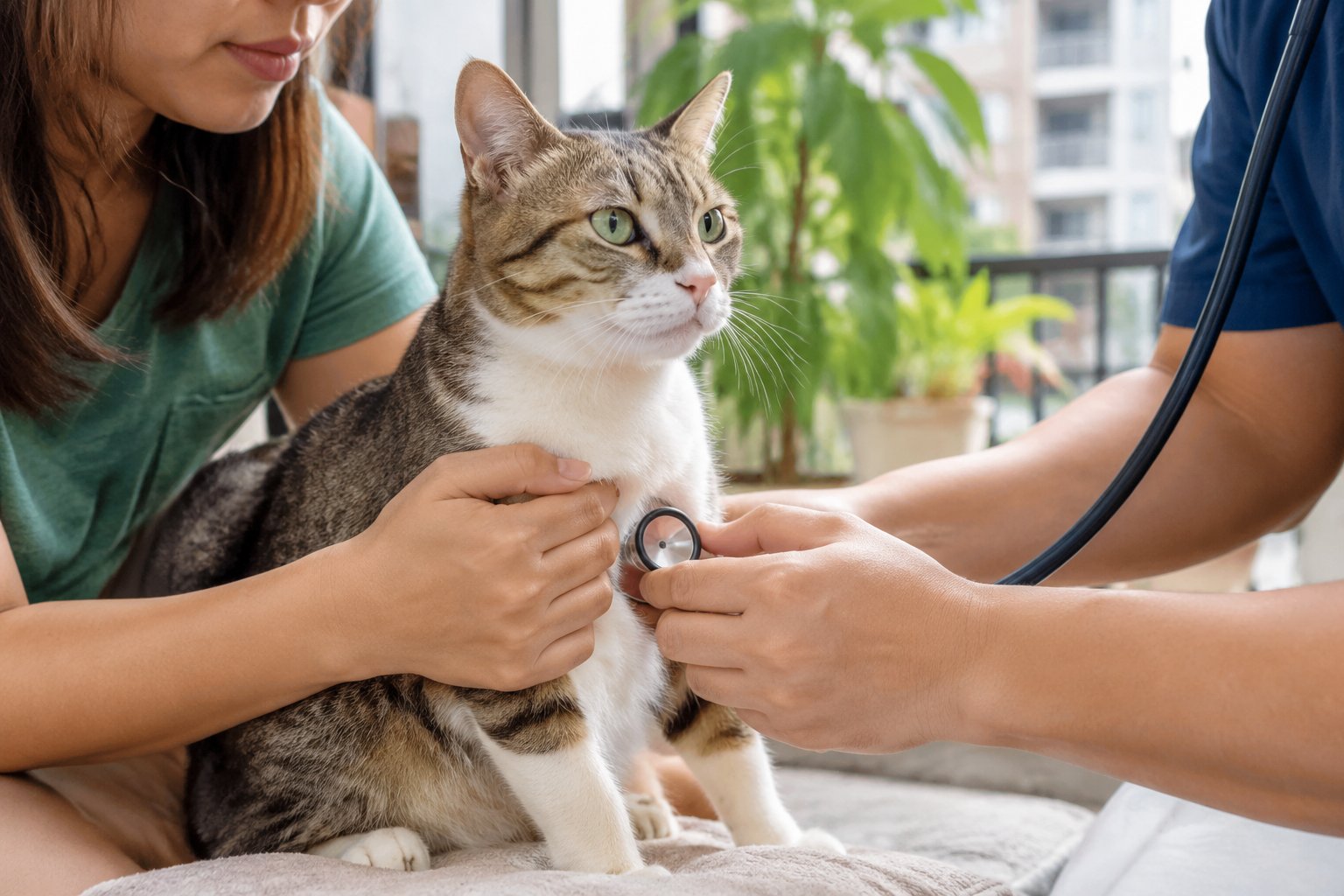
Understanding Urinary Blockage in Cats
Urinary blockage, also known as urethral obstruction, occurs when a cat's urethra becomes blocked, preventing urine from leaving the bladder. This is a life-threatening emergency, especially in male cats, whose urethras are longer and narrower. Without treatment, toxins build up quickly and can be fatal within 24-48 hours.
The most common cause is the formation of plugs or stones, often related to feline lower urinary tract disease (FLUTD). While any cat can be affected, middle-aged, overweight, indoor, and male cats are at higher risk. Prevention focuses on reducing risk factors: increasing water intake, managing diet, keeping stress low, and maintaining good litter box hygiene.
In Malaysia, many cats live indoors in apartments or terrace houses, which can limit opportunities for exercise and hydration. Understanding the risks and taking proactive steps can significantly reduce the chance of a blockage.
Why Hydration Matters
Cats evolved as desert animals and have a naturally low thirst drive. They often don't drink enough water, leading to concentrated urine that can promote crystal and stone formation. Increasing water intake is one of the most effective ways to prevent urinary problems.
Practical ways to boost water intake
- Feed wet food: Canned or pouched food contains 70-80% water. Even mixing a spoonful of wet food with dry can help.
- Add water to meals: Pour a little warm water over dry food or mix it into wet food to create a soupy consistency.
- Use a pet fountain: Many cats prefer running water. A fountain can encourage drinking and make water more appealing.
- Provide multiple water bowls: Place bowls in quiet spots away from food and litter boxes. Wide, ceramic, or stainless steel bowls are often preferred over plastic.
- Keep water fresh: Change water daily and clean bowls regularly to prevent biofilm.
In a Malaysian apartment, space may be limited, but you can still set up a small fountain and a couple of bowls in different rooms. If your cat is shy, place bowls in quiet corners away from foot traffic.
Diet and Nutrition
Diet plays a crucial role in urinary health. A balanced diet helps maintain a healthy urine pH and reduces the risk of crystal formation. However, not all cats need a prescription diet; the right choice depends on your cat's individual health status.
Key dietary considerations
- Moisture content: As above, wet food is beneficial. If feeding dry, choose a high-quality product and encourage water intake.
- Protein and minerals: High-quality protein is important, but excessive minerals like magnesium, phosphorus, and calcium can contribute to stone formation in susceptible cats. Avoid over-supplementing.
- Portion control: Obesity is a risk factor for FLUTD. Measure meals and avoid free-feeding, especially in multi-cat homes where one cat may overeat.
- Prescription diets: If your cat has a history of crystals or stones, your vet may recommend a therapeutic diet. Never switch diets without veterinary guidance.
In Malaysia, many owners feed a mix of dry and wet food. If you feed mostly dry, consider gradually increasing wet food or adding water to meals. Always transition slowly to avoid digestive upset.
Litter Box Management
A clean, inviting litter box encourages regular urination and reduces the risk of holding urine, which can contribute to problems. Cats are fastidious and may avoid a dirty box, leading to retention.
Litter box best practices
- Scoop at least once daily, ideally twice.
- Full change weekly and wash the box with mild, unscented soap.
- One box per cat plus one extra – for example, two boxes for one cat, three for two cats.
- Place boxes in quiet, accessible locations away from food and water.
- Avoid covered boxes if your cat is hesitant – some cats feel trapped.
- Use unscented litter – perfumes can deter cats.
In a Johor terrace house, you might place boxes in a utility area or a quiet corner. In a Kuala Lumpur apartment, find spots away from noisy appliances. Multi-cat households should spread boxes around the home to prevent guarding.
Stress Reduction
Stress is a known trigger for FLUTD. Cats are creatures of habit, and changes in environment, routine, or social dynamics can cause stress. Reducing stress helps maintain normal urination patterns and overall health.
Common stressors and solutions
- Multi-cat conflict: Provide separate resources (food, water, litter, resting spots) and ensure vertical space (cat trees, shelves).
- Changes: Introduce new furniture, pets, or family members gradually. Maintain routines.
- Boredom: Offer interactive toys, puzzle feeders, and daily play sessions.
- Lack of safe spaces: Provide hiding spots and high perches.
- Noise and disruption: Create a quiet room if renovations or parties occur.
In Malaysian homes, festive seasons with visitors can be stressful for cats. Set up a quiet room with essentials and inform guests to ignore the cat.
Weight Management and Exercise
Obesity increases the risk of FLUTD and other health issues. Overweight cats are less active and may drink less. Maintaining a healthy weight through portion control and exercise is key.
Tips for weight management
- Measure food using a kitchen scale or measuring cup.
- Limit treats to less than 10% of daily calories.
- Encourage activity with wand toys, laser pointers (follow with a physical toy), and food puzzles.
- Provide vertical space for climbing and jumping.
- Regular weigh-ins at home or at the vet.
In a small apartment, you can use vertical space and short play sessions to keep your cat active. Even 10-15 minutes of active play twice a day can make a difference.
Regular Veterinary Check-ups
Regular vet visits help detect early signs of urinary issues before they become emergencies. Your vet can assess your cat's overall health, weight, and urine concentration, and provide personalised advice.
What to expect at a check-up
- Physical examination including bladder palpation.
- Urinalysis to check for crystals, blood, and concentration.
- Weight and body condition scoring.
- Dietary review.
For cats with a history of urinary problems, more frequent monitoring may be needed. In Malaysia, find a vet who is experienced with feline medicine and can offer nutritional counselling.
Recognising Early Warning Signs
Early detection can save your cat's life. Watch for these signs:
- Straining to urinate with little or no urine produced.
- Frequent trips to the litter box with small amounts.
- Crying or vocalising while urinating.
- Licking the genital area excessively.
- Blood in urine (pink or red tinge).
- Urinating outside the litter box – often a sign of discomfort.
- Loss of appetite, lethargy, vomiting – signs of advanced blockage.
If you notice any of these, especially in a male cat, contact your vet immediately. Do not wait to see if it resolves.
Comparison Table: Risk Factors and Prevention Strategies
| Risk Factor | Why It Matters | Prevention Strategy |
|---|---|---|
| Low water intake | Concentrated urine promotes crystals | Wet food, fountains, multiple bowls |
| Dry food only | Lower moisture content | Mix wet food or add water to dry |
| Obesity | Increases FLUTD risk | Portion control, exercise, weight monitoring |
| Stress | Triggers FLUTD | Enrichment, routine, safe spaces |
| Dirty litter box | Cats may hold urine | Scoop daily, full change weekly |
| Multi-cat household | Resource competition | One box per cat plus one, separate resources |
| Male sex | Narrower urethra | Extra vigilance for signs |
| Indoor lifestyle | Less activity, limited water sources | Play sessions, water stations |
When to See a Vet
Urinary blockage is an emergency. Seek veterinary care immediately if your cat:
- Is straining to urinate with little or no result.
- Is crying out while trying to urinate.
- Has a hard, distended abdomen.
- Has not urinated in 12-24 hours.
- Is vomiting, lethargic, or off food.
Do not wait for an appointment; call your vet and go in. Delays can be fatal.
Vet Disclaimer
This article provides general information and is not a substitute for professional veterinary advice. Always consult your veterinarian for diagnosis and treatment tailored to your cat's needs. If you suspect a urinary blockage, seek emergency veterinary care immediately.
Related reading
- Bad Breath Prevention for Cats: A Practical Guide for Malaysian Owners
- Breathing Difficulty Prevention for Cats: A Practical Malaysian Guide
- Cat Breathing Difficulty Treatment in Malaysia: What to Do and What to Expect
- Cat Hair Loss Treatment in Malaysia: A Practical Owner's Guide
- Cat Ringworm Treatment in Malaysia: A Practical Owner's Guide
- Cat Skin Fungus Treatment in Malaysia: A Practical Owner's Guide
- Constipation in Cats: Causes, Care and When to See a Vet in Malaysia
- Constipation Prevention for Cats: A Practical Guide for Malaysian Owners

