
Quick answer
Treat arthritis in cats at home by keeping your cat lean, providing soft warm bedding and ramps, using low-sided litter trays, encouraging gentle daily movement, and asking your vet about pain relief and joint supplements. Home care works best alongside regular veterinary check-ups and never replaces prescribed medication.
Why arthritis in cats is easy to miss
Cats are masters at hiding discomfort. A cat with sore joints may not limp dramatically. Instead, it might stop jumping onto the sofa, sleep more, groom less, or become grumpy when touched. Many owners assume these changes are just part of getting old. In reality, arthritis is one of the most common causes of chronic pain in older cats, and it is treatable.
Arthritis means inflammation and degeneration of joints. The cartilage that cushions bones wears down, and the joint becomes painful and stiff. It can affect knees, hips, elbows, shoulders and the spine. Some cats develop it after an old injury or because of genetics, but most cases are linked to age and wear over time. Overweight cats are at higher risk because extra body weight loads the joints.
The good news is that home management can make a real difference. You cannot reverse arthritis, but you can slow its impact, reduce pain and help your cat stay mobile and comfortable. The key is to combine veterinary care with practical changes at home.
Step 1: Get a proper diagnosis first
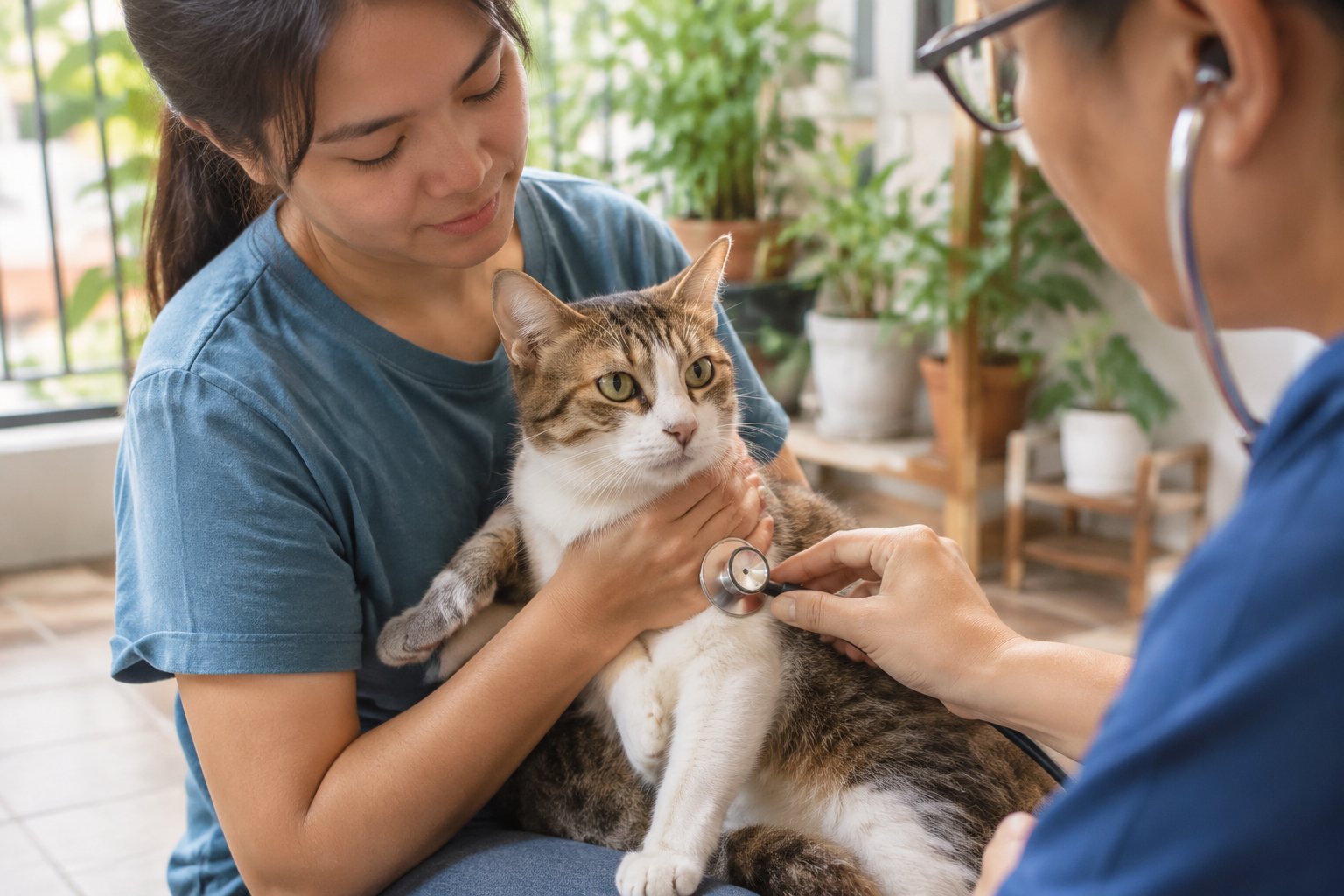
Before you start any home treatment, book a vet visit. Your vet will examine your cat, watch it walk, and feel the joints. They may recommend X-rays or blood tests to rule out other conditions. This matters because cats with arthritis often have other age-related problems such as kidney disease, thyroid disease or dental pain. Some pain medications are not safe for cats with kidney issues, so a diagnosis guides safe treatment.
Be honest with your vet about what you have noticed at home. Write down changes: which jumps your cat avoids, whether it hesitates on stairs, how far it walks, and whether it has accidents outside the litter tray. Videos of your cat moving can be very helpful, especially if your cat hides pain in the clinic.
Once arthritis is confirmed, ask your vet to explain the plan. It may include prescription pain relief, a weight target, a diet recommendation, and advice on supplements. Ask what signs would mean you should come back sooner.
Step 2: Manage weight carefully
Weight control is one of the most effective home treatments for arthritis. Every extra kilogram puts more load on sore joints. Overweight cats also tend to be less active, which worsens stiffness and muscle loss.
Ask your vet what your cat's ideal weight is and how much food to feed daily. Use a kitchen scale to weigh food rather than guessing with a cup. Treats count toward daily calories, so reduce them or swap to small pieces of lean cooked chicken or a vet-approved low-calorie treat. Avoid free-feeding dry food, especially in multi-cat homes where one cat may eat more than its share.
Weight loss should be gradual. Crash dieting is dangerous for cats and can cause serious liver problems. A safe plan is usually a slow, steady loss over months, with regular weigh-ins. If you have several cats, feed them in separate rooms or use microchip-controlled feeders so you can control portions.
Step 3: Make the home joint-friendly
Small environmental changes reduce the daily strain on your cat's joints. Think about every jump, climb and slippery surface your cat encounters.
| Problem area | Home fix | Why it helps |
|---|---|---|
| Jumping onto furniture | Add ramps or pet steps to sofa and bed | Reduces impact and awkward landings |
| High litter tray sides | Use a low-sided tray or cut down one side | Easier to enter and exit |
| Food and water on the floor | Raise bowls slightly | Less neck and shoulder strain |
| Slippery tiles | Place non-slip mats or rugs along walking routes | Improves grip and confidence |
| Cold, hard sleeping spots | Provide soft, warm beds in quiet corners | Cushions joints and keeps muscles warm |
| Multiple levels | Keep essentials on one floor | Fewer stairs and climbs |
In Malaysian homes, tiled floors are common and can be slippery, especially in humid or rainy weather. Place runners or mats along the paths your cat uses most. If your cat sleeps on the floor, offer a soft bed with a low rim so it can step in easily. Warmth helps stiff joints, so a bed in a warm, draught-free spot is ideal. Avoid placing beds near air-conditioning vents that blow cold air directly on your cat.
For cats that love high spots, provide a sturdy ramp or a series of steps rather than expecting them to jump. Cat trees with wide platforms and shallow steps are easier than tall, narrow ones. Place a litter tray on each floor of a double-storey house so your cat does not have to manage stairs when it needs to go.
Step 4: Encourage gentle daily movement
Rest is important, but too much rest leads to stiffness and muscle loss. Gentle daily movement keeps joints lubricated and muscles strong. Short, frequent play sessions are better than one long session. Use a wand toy at floor level so your cat can stalk and pounce without jumping. Food puzzles and scatter feeding encourage walking and sniffing.
Let your cat set the pace. If it lies down or walks away, stop. Never force exercise or stretch sore limbs. A few minutes of gentle play two or three times a day is often enough. For cats that are very stiff, a slow walk around the room or a gentle grooming session can count as activity.
Massage can help some cats relax and improve circulation, but use light pressure and stop if your cat shows discomfort. Ask your vet whether massage is appropriate for your cat, especially if it has spinal arthritis or a history of injury.
Step 5: Grooming and hygiene support
Arthritic cats often struggle to groom hard-to-reach areas, especially the lower back and hindquarters. Matted fur is uncomfortable and can hide skin problems. Brush your cat gently every day with a soft brush, focusing on areas it cannot reach. If mats form, do not cut them with scissors near the skin; ask a vet or professional groomer for help.
Check nails regularly. Arthritic cats may not scratch enough to wear down their claws, and overgrown nails can curl into the paw pads and cause pain. Trim nails carefully or ask your vet to do it. Keep the area around the eyes and mouth clean with a soft damp cloth if your cat is not grooming its face well.
Dental care matters too. Dental pain can make eating difficult and worsen weight loss. Ask your vet to check your cat's teeth at every visit.
Step 6: Diet, supplements and hydration
A balanced diet supports joint health and weight control. Your vet may recommend a therapeutic joint diet or a senior diet. These diets are not magic cures, but they can help with weight management and provide nutrients that support cartilage.
Supplements are popular, but evidence in cats is limited. Glucosamine and chondroitin are commonly used, and omega-3 fatty acids from fish oil may help with inflammation. Green-lipped mussel extracts are also marketed for joint support. Quality and dosage vary widely between products, and some contain ingredients that are not safe for cats. Always ask your vet before starting a supplement, and choose products formulated for cats rather than dogs or humans.
Never give human painkillers such as paracetamol, ibuprofen or aspirin to a cat. These are toxic to cats and can be fatal. Only use medications prescribed by your vet for your cat.
Hydration is important, especially in cats with kidney disease. Offer fresh water in several places, consider a water fountain, and feed wet food if your vet agrees. Good hydration supports overall health and can help with weight management.
Step 7: Pain relief and veterinary treatments
Home care cannot control moderate to severe arthritis pain on its own. Your vet may prescribe non-steroidal anti-inflammatory drugs (NSAIDs) formulated for cats, or other pain relief such as gabapentin. These medications require careful dosing and monitoring, especially in cats with kidney or liver disease. Never adjust the dose yourself.
Some cats benefit from joint injections or other veterinary treatments. These are decisions for your vet based on your cat's health. Ask about the risks, benefits and costs, and follow up as recommended. In Malaysia, prices for consultations, medications and procedures vary between clinics, so ask your vet for a clear estimate before treatment.
Keep a simple log of your cat's mobility, appetite, grooming and behaviour. This helps your vet judge whether treatment is working and adjust the plan.
When to see a vet
Contact your vet promptly if your cat:
- Stops eating or drinking
- Cries out when moving or being touched
- Suddenly cannot use a leg or drags a limb
- Has accidents outside the litter tray or strains to urinate
- Shows swelling, heat or redness around a joint
- Becomes suddenly weak in the back legs
- Has a fall or injury
- Seems more painful despite home care
Some of these signs can indicate emergencies such as nerve damage, fractures or urinary blockage, which are not arthritis. Do not wait to see if they improve.
A realistic home-care routine
A simple daily routine helps you stay consistent:
- Morning: check food and water intake, offer a short gentle play session, and check for accidents outside the litter tray.
- Midday: brush your cat and check for mats or sore spots.
- Evening: another short play session or food puzzle, and a check of nails and grooming.
- Weekly: weigh your cat if possible, review mobility, and note any changes for your vet.
Keep the routine flexible. Some days your cat will be stiffer than others, especially in cool or rainy weather. On those days, focus on warmth, rest and easy access to food, water and litter.
Final thoughts
Arthritis in cats is a long-term condition, but home care can significantly improve comfort and quality of life. The most important steps are getting a diagnosis, controlling weight, adapting the home, encouraging gentle movement, and working with your vet on pain relief. Avoid human medications and unproven remedies. With patience and consistency, many arthritic cats continue to enjoy a good life.
This article is for general information only and is not a substitute for veterinary advice. Always consult a licensed veterinarian for diagnosis and treatment of your cat.
Related reading
- Cat Health Guide Malaysia: Symptom Check, Red-Flag Triage & When to See a Vet
- Arthritis in Cats: Causes and Care (Malaysia Guide)
- Arthritis in Cats in Malaysia: Signs, Diagnosis and Home Care
- Arthritis Prevention for Cats: A Practical Malaysian Guide
- Blood Test for Cats in Malaysia: What It Checks, Costs and When You Need One
- Cat Arthritis Treatment in Malaysia: A Practical Owner's Guide
- Cat Trembling Treatment in Malaysia: Causes, Home Care and When to See a Vet
- How to Treat Diabetes in Cats at Home: A Practical Guide for Malaysian Owners

