
PetChill Pet Encyclopedia
Cat Health

Cat Limping Treatment in Malaysia: What to Do, What to Expect

A limping cat is telling you something hurts. Learn how to check your cat safely at home, what Malaysian vet visits usually involve, and how to support recovery without guessing at medicines.

Published: 2026-11-08·8 min read·Author: PetChill Editorial
Cat Limping Treatment in Malaysia: What to Do, What to Expect

💡 Quick Answer

Assess your cat calmly, confine it, and check for visible wounds or swelling without forcing movement. If the limp is sudden, severe, or lasts more than 24–48 hours, see a Malaysian vet for examination and pain relief. Never give human painkillers; many are toxic to cats.

Start here: what to do when your cat limps

A limping cat is not being dramatic. Limping means pain, instability, or weakness in a limb, and cats hide pain well until it becomes obvious. Your first job is to keep your cat safe and gather useful information for a vet, not to diagnose at home.

Answer first: Confine your cat in a quiet room, check for visible wounds or swelling without forcing the leg, and note when the limp started. If the limp is sudden, severe, or lasts more than 24–48 hours, book a Malaysian vet visit. Never give human painkillers such as paracetamol or ibuprofen; they are toxic to cats.

This guide explains how to assess a limp, common causes, what a vet exam involves, treatment and recovery at home, and the red flags that mean you should not wait.

How to assess a limping cat safely at home

You do not need to be a vet to collect good observations. You do need to avoid being bitten or scratched, because a painful cat may react defensively.

Step-by-step home check

  1. Stay calm and observe from a distance. Watch your cat walk a few steps on a non-slip surface. Note which leg is affected and whether the limp is constant or intermittent.
  2. Look at posture and behaviour. Is your cat holding a paw up, crouching, hiding, or refusing to jump? Is it eating and drinking normally?
  3. Check the environment. Look for sharp objects, broken glass, spilled chemicals, loose wires, or recent falls from furniture or balconies.
  4. Do a gentle visual check only. With a towel nearby, look at the paw and leg for cuts, swelling, redness, or foreign objects. Do not pull or probe deeply if your cat resists.
  5. Confine and monitor. Keep your cat in a small room with food, water, and a litter tray close by. Avoid stairs and jumping.
  6. Record a short video. A 10–20 second clip of your cat walking can help your vet assess gait changes.

What not to do

  • Do not give human painkillers, anti-inflammatories, or leftover pet medicines.
  • Do not apply tight bandages; poor circulation can cause serious harm.
  • Do not force your cat to walk or stretch the leg.
  • Do not use human antiseptics or essential oils on wounds without veterinary advice.

Common causes of limping in cats

Limping has many causes. Some are minor and resolve with rest; others need urgent care. The table below summarises common possibilities and typical signs.

Cause Typical signs Urgency
Soft-tissue sprain or strain Sudden limp after jumping or slipping; no wound; improves with rest See vet if not improving in 24–48 hours
Paw injury or foreign object Licking paw, holding it up, visible cut or thorn Prompt vet visit; urgent if bleeding heavily
Cat bite abscess Swelling, heat, pain, fever, lethargy; often after a fight Urgent; needs drainage and antibiotics
Fracture or dislocation Severe pain, non-weight-bearing, deformity, swelling Emergency
Arthritis or joint disease Stiffness, slow rising, reluctance to jump, worse after rest Book a vet appointment
Nerve injury Dragging limb, knuckling, weakness Urgent assessment
Tick-borne or infectious disease Fever, lethargy, multiple limb soreness Urgent vet visit
Nutritional or metabolic problem Poor growth, weakness, bone pain Vet assessment

Sprains and strains

Cats can sprain joints or strain muscles after jumping, slipping on smooth floors, or landing awkwardly. A mild sprain may cause a slight limp that improves with rest. If your cat is still limping after two days, or the limp worsens, a vet should examine the limb.

Paw and nail injuries

Cats step on sharp objects, snag claws, or develop nail-bed infections. Check the paw pads and between the toes for cuts, swelling, or foreign material. Do not dig around in the paw if your cat is painful; let a vet examine it properly.

Abscesses from cat bites

Fights between cats often cause small puncture wounds that seal over and form abscesses. These can be painful and cause fever. If you notice a hot, swollen area, especially on a leg or near the tail base, see a vet promptly.

Fractures and dislocations

A cat that will not put any weight on a leg, or has an obviously deformed limb, may have a fracture or dislocation. This is an emergency. Keep your cat confined and transport it in a secure carrier to the nearest veterinary clinic.

Arthritis and joint disease

Older cats can develop arthritis. Signs include stiffness after rest, reluctance to jump, and a gradual change in gait. Arthritis is not curable, but pain can often be managed with veterinary guidance, weight control, and environmental changes.

Nerve and spinal problems

A dragging paw, knuckling of the foot, or weakness in one or both hind legs can indicate nerve or spinal disease. These signs need urgent veterinary assessment.

What happens at a Malaysian vet visit

Veterinary practices in Malaysia vary in equipment and services, so ask what is available when you book. A typical consultation for a limping cat may include:

  • History taking: when the limp started, whether it is better or worse, appetite, litter tray habits, recent fights or falls, and any previous injuries.
  • Physical examination: observing gait, feeling the limbs and joints, checking paws, and assessing pain response.
  • Temperature and general health check: fever or lethargy can point to infection or systemic illness.
  • X-rays: many clinics can take X-rays to check for fractures, arthritis, or bone changes. Not all clinics have this equipment, so ask when booking.
  • Blood tests: may be recommended if infection, metabolic disease, or anaesthesia risk needs assessment.
  • Wound care or bandaging: for cuts, abscesses, or paw injuries.

Questions to ask your vet

  1. What is the likely diagnosis, and what tests support it?
  2. Is my cat in significant pain, and what pain relief is safe?
  3. What should I do at home, and what should I avoid?
  4. When should I expect improvement, and when should I return?
  5. Are there any warning signs that mean I should come back urgently?

Treatment options for a limping cat

Treatment depends on the cause. Your vet will tailor a plan to your cat's age, weight, health status, and home environment.

Pain relief and anti-inflammatories

Veterinarians may prescribe pain relief or anti-inflammatory medication specifically for cats. Never use human medicines or dog medicines. Cats process drugs differently, and some common human painkillers are highly toxic.

Antibiotics and wound care

If there is an abscess or infected wound, your vet may drain it, clean it, and prescribe antibiotics. Follow instructions exactly, including completing the course. Keep the area clean and prevent your cat from licking or chewing at dressings.

Rest and confinement

Many soft-tissue injuries heal with rest. Confine your cat to a small, quiet room and limit jumping. Provide a low-sided litter tray and food and water within easy reach. This is especially important in Malaysian apartments with tiled floors, where slipping can worsen injuries.

Bandages and splints

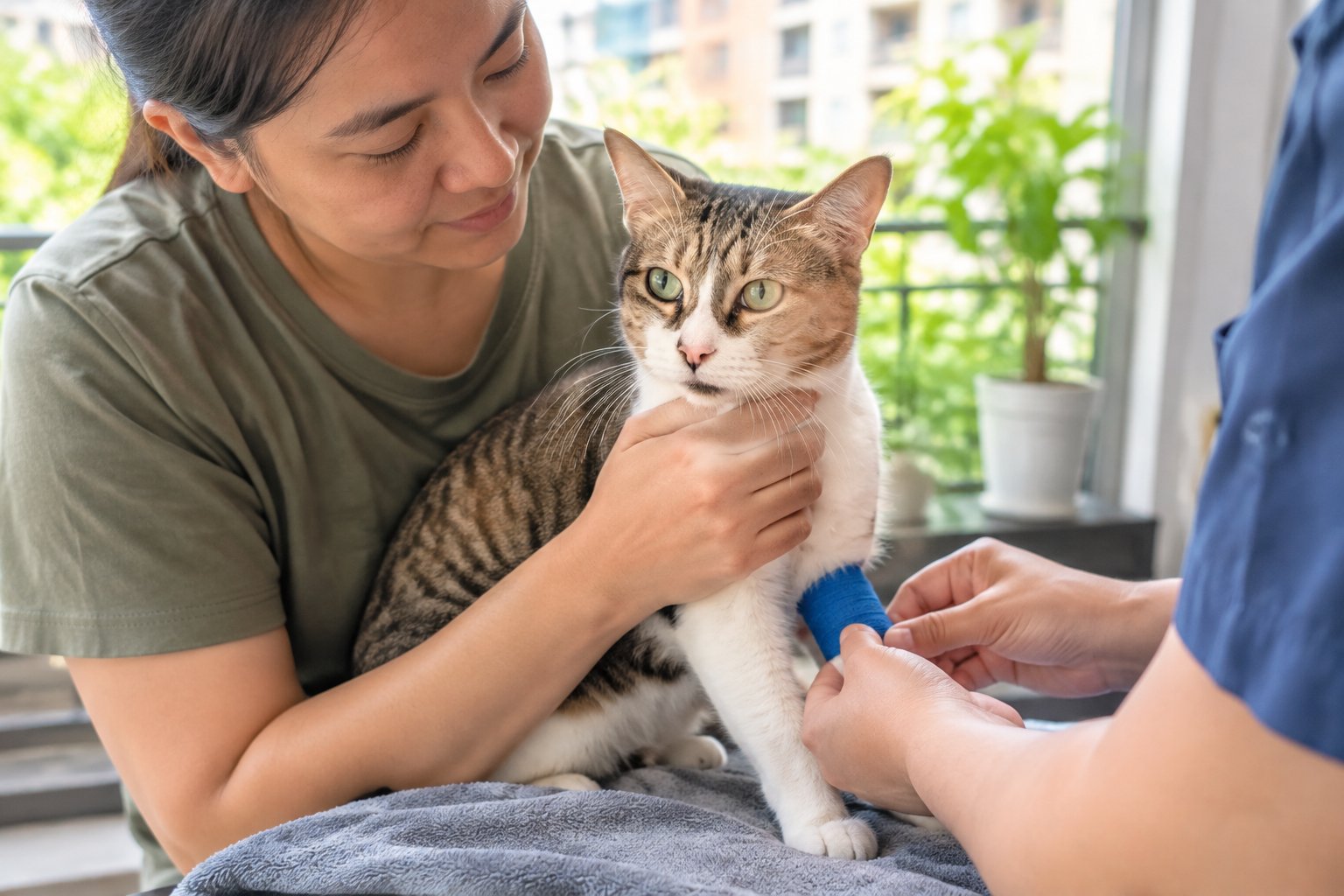
Some paw or lower-limb injuries need bandaging. Keep the bandage dry and check for swelling, odour, or slipping. Return to your vet if the bandage becomes wet or tight.

Surgery or referral

Fractures, dislocations, and some nerve or joint problems may need surgery or referral to a specialist. Ask your vet about expected costs and aftercare before deciding.

Weight and environment management

For arthritis and chronic joint issues, weight control and home changes can make a real difference. Provide ramps or steps to favourite spots, use non-slip mats on slippery floors, and keep litter trays and food bowls accessible.

Recovery and home care in Malaysia

Recovery time varies widely. A minor sprain may improve in a few days; fractures and surgery can take weeks to months. Follow your vet's plan and do not rush back to normal activity.

Practical home adjustments

  • Non-slip flooring: place mats or rugs on tiled areas where your cat walks.
  • Low litter tray: a shallow tray is easier to step into.
  • Raised food and water: keep bowls within easy reach without jumping.
  • Quiet room: limit stairs, jumping, and rough play.
  • Supervision: watch for licking, chewing, or bandage problems.
  • Weight monitoring: ask your vet about a healthy weight target.

Example: Kuala Lumpur apartment

In a high-rise apartment with smooth tiled floors, a limping cat may slip further when landing from furniture. Confine your cat to one room, place non-slip mats near the litter tray, and block access to balconies or open windows. Ask your vet about safe activity levels before letting your cat roam again.

Example: Penang rainy season

During heavy rain, indoor cats may be more active or stressed, and outdoor cats may seek shelter. If your cat has an outdoor access habit, check for cuts, paw injuries, or fight wounds after wet weather. Keep your cat indoors during recovery and inspect paws for debris or irritation.

When to see a vet

See a vet promptly if your cat shows any of the following:

  • Will not put any weight on the leg, or the limp is severe.
  • Sudden swelling, deformity, or obvious wound.
  • Bleeding that does not stop with gentle pressure.
  • Fever, lethargy, poor appetite, or vomiting.
  • Signs of pain when touched, or hiding and crying.
  • Limp lasts more than 24–48 hours or is getting worse.
  • Dragging a limb, knuckling the paw, or weakness in multiple legs.
  • A bandage becomes wet, tight, or foul-smelling.
  • Your cat stops using the litter tray or cannot settle.

If you are unsure, call your vet clinic for advice. It is better to ask than to wait.

Prevention and long-term joint care

Not all limps are preventable, but you can reduce risk:

  • Keep your cat at a healthy weight.
  • Provide safe scratching posts and stable furniture.
  • Use non-slip mats on slippery floors.
  • Avoid encouraging jumps from high places.
  • Check paws regularly, especially after outdoor access.
  • Keep up with routine veterinary check-ups, particularly for older cats.
  • Manage fights and stress in multi-cat households.

Quick checklist for a limping cat

  • Observe gait and record a short video.
  • Check for visible wounds, swelling, or foreign objects.
  • Confine to a quiet, safe room.
  • Provide easy access to food, water, and litter.
  • Do not give human medicines.
  • Call your vet if the limp is severe, sudden, or persistent.
  • Follow discharge instructions and return for rechecks.

Vet disclaimer

This article is general information for Malaysian cat owners and is not a substitute for veterinary examination. Diagnosis and treatment require a licensed veterinarian who can assess your cat in person. If your cat is in pain, not weight-bearing, or unwell, contact a veterinary clinic promptly.

Frequently Asked Questions

📌 Key Takeaways

  • This article covers: Start here: what to do when your cat limps, How to assess a limping cat safely at home, Common causes of limping in cats, What happens at a Malaysian vet visit, Treatment options for a limping cat, and more
  • Jump to any section via the table of contents for the key details
  • If in doubt, consult a registered veterinarian

Explore this topic cluster

This guide belongs to a Malaysia-focused topic cluster. Read the pillar guide and related articles.

View cluster →

📚 Cat Health article index

This article is part of the Cat Health topic cluster. Explore related articles:

⭐ Pillar guide: Cat Health complete guideAnemia in Cats: Causes, Signs and Care (Malaysia Guide)→ ReadAnemia in Cats in Malaysia: Signs, Causes, and What to Do→ ReadAnemia Prevention for Cats: A Practical Guide for Malaysian Owners→ ReadArthritis in Cats: Causes and Care (Malaysia Guide)→ ReadArthritis in Cats in Malaysia: Signs, Diagnosis and Home Care→ ReadArthritis Prevention for Cats: A Practical Malaysian Guide→ ReadBad Breath in Cats: Causes and Care (Malaysian Owner's Guide)→ ReadBad Breath in Cats in Malaysia: Causes, Home Checks and When to Worry→ ReadBad Breath Prevention for Cats: A Practical Guide for Malaysian Owners→ ReadBreathing Difficulty in Cats: Causes and Care (Malaysia Guide)→ ReadBreathing Difficulty in Cats in Malaysia: Signs, Causes and What to Do→ ReadBreathing Difficulty Prevention for Cats: A Practical Malaysian Guide→ ReadCat Anemia Treatment in Malaysia: A Practical Owner's Guide→ ReadCat Arthritis Treatment in Malaysia: A Practical Owner's Guide→ ReadCat Bad Breath Treatment in Malaysia: Causes, Home Care and When to See a Vet→ ReadCat Breathing Difficulty Treatment in Malaysia: What to Do and What to Expect→ ReadCat Constricted Pupils Treatment in Malaysia: What to Do When Your Cat's Eyes Look Pinpoint→ ReadCat Coughing Treatment in Malaysia: Causes, Home Care & When to See a Vet→ ReadCat Dehydration Treatment in Malaysia: Signs, Home Care and When to See a Vet→ ReadCat Diabetes Treatment in Malaysia: A Practical Owner's Guide→ ReadCat Dry Food in Malaysia: A Practical Guide for Cat Owners→ ReadCat Excessive Thirst Treatment in Malaysia: What to Do When Your Cat Drinks Too Much→ ReadCat Excessive Urination Treatment in Malaysia: A Practical Guide for Owners→ ReadCat Fever Treatment in Malaysia: What to Do When Your Cat Is Hot→ ReadCat Food Online Store in Malaysia: How to Choose, Order and Store Safely→ ReadCat Heatstroke Treatment in Malaysia: First Aid, Vet Care & Prevention→ ReadCat Itching Treatment in Malaysia: A Practical Guide for Itchy Cats→ ReadCat Kidney Disease Treatment in Malaysia: A Practical Owner's Guide→ ReadCat Obesity Treatment in Malaysia: A Practical, Vet-Led Plan for Overweight Cats→ ReadCat Pale Gums Treatment in Malaysia: What to Do When Your Cat's Gums Turn White→ ReadCat Seizures Treatment in Malaysia: What to Do, Causes & Vet Care→ ReadCat Sneezing Treatment in Malaysia: What to Do and When to Worry→ ReadCat Sudden Aggression Treatment in Malaysia: Why It Happens and What to Do→ ReadCat Swollen Belly Treatment in Malaysia: Causes, Home Care and When to See a Vet→ ReadCat Ticks Treatment in Malaysia: A Practical Owner's Guide→ ReadCat Trembling Treatment in Malaysia: Causes, Home Care and When to See a Vet→ ReadCat Urinary Blockage Treatment in Malaysia: What to Do, Step by Step→ ReadConstricted Pupils in Cats: Causes and Care (Malaysia Guide)→ ReadConstricted Pupils in Cats Malaysia: Causes, When to Worry & What to Do→ ReadConstricted Pupils in Cats: Prevention and What They Mean→ ReadCoughing in Cats: Causes and Care (Malaysia Guide)→ ReadCoughing in Cats in Malaysia: Causes, When to Worry & What to Do→ ReadCoughing Prevention for Cats: A Practical Guide for Malaysian Owners→ ReadDehydration in Cats: Causes, Warning Signs and How to Care for a Thirsty Cat→ ReadDehydration in Cats in Malaysia: Signs, Causes and How to Help→ ReadDehydration Prevention for Cats: A Practical Guide for Malaysian Owners→ ReadDiabetes in Cats: Causes and Care (Malaysian Owner's Guide)→ ReadDiabetes in Cats Malaysia: Signs, Diagnosis and Daily Care→ ReadDiabetes Prevention for Cats: A Practical Guide for Malaysian Owners→ ReadDry Cat Food in Malaysia: A Complete Guide for Cat Owners→ ReadExcessive Thirst in Cats: Causes and Care (Malaysian Owner's Guide)→ ReadExcessive Thirst in Cats in Malaysia: Causes, Warning Signs and What to Do→ ReadExcessive Thirst Prevention for Cats: A Practical Malaysian Owner's Guide→ ReadExcessive Urination in Cats: Causes and Care (Malaysia Guide)→ ReadExcessive Urination in Cats in Malaysia: Causes, When to Worry & What to Do→ ReadExcessive Urination in Cats: Prevention Guide for Malaysian Owners→ ReadFever in Cats: Causes, Care and When to See a Vet in Malaysia→ ReadFever in Cats in Malaysia: Signs, Causes and What to Do→ ReadFever Prevention for Cats: A Practical Guide for Malaysian Owners→ ReadHarga Pasir Kucing in Malaysia: What Drives the Price and How to Choose→ ReadHeatstroke in Cats: Causes, Signs and Care (Malaysia Guide)→ ReadHeatstroke in Cats in Malaysia: Signs, First Aid & Prevention→ ReadHeatstroke Prevention for Cats in Malaysia: A Practical Owner's Guide→ ReadHow to Treat Anemia in Cats at Home: What You Can Safely Do (and What You Can't)→ ReadHow to Treat Arthritis in Cats at Home: A Practical Guide for Malaysian Owners→ ReadHow to Treat Bad Breath in Cats at Home: A Practical Malaysian Guide→ ReadHow to Treat Breathing Difficulty in Cats at Home: Safe First Steps and When to Rush to the Vet→ ReadHow to Treat Constricted Pupils in Cats at Home: What You Can (and Cannot) Do Safely→ ReadHow to Treat Coughing in Cats at Home: A Practical Guide for Malaysian Owners→ ReadHow to Treat Dehydration in Cats at Home: A Practical Malaysian Guide→ ReadHow to Treat Diabetes in Cats at Home: A Practical Guide for Malaysian Owners→ ReadHow to Treat Excessive Thirst in Cats at Home: A Practical Guide for Malaysian Owners→ ReadHow to Treat Excessive Urination in Cats at Home: A Practical Malaysian Guide→ ReadHow to Treat Fever in Cats at Home: Safe Steps for Malaysian Owners→ ReadHow to Treat Heatstroke in Cats at Home: First Aid, Cooling Steps and When to Get Help→ ReadHow to Treat Itching in Cats at Home: A Practical Guide for Malaysian Owners→ ReadHow to Treat Kidney Disease in Cats at Home: A Practical Malaysian Guide→ ReadHow to Treat Limping in Cats at Home: Safe Steps for Malaysian Owners→ ReadHow to Treat Obesity in Cats at Home: A Practical Malaysian Guide→ ReadHow to Treat Pale Gums in Cats at Home: What You Can Do Safely→ ReadHow to Treat Seizures in Cats at Home: A Practical Malaysian Owner's Guide→ ReadHow to Treat Sneezing in Cats at Home: A Practical Malaysian Guide→ ReadHow to Treat Sudden Aggression in Cats at Home: A Safe, Step-by-Step Guide for Malaysian Owners→ ReadHow to Treat a Swollen Belly in Cats at Home: What's Safe, What Isn't→ ReadHow to Treat Ticks in Cats at Home: A Safe, Step-by-Step Guide for Malaysian Owners→ ReadHow to Treat Trembling in Cats at Home: A Practical Malaysian Guide→ ReadHow to Treat Urinary Blockage in Cats at Home: What You Can and Cannot Do→ ReadItching in Cats: Causes and Care (Malaysia Guide)→ ReadItching in Cats in Malaysia: Causes, Relief and When to See a Vet→ ReadItching Prevention for Cats: A Practical Guide for Malaysian Owners→ ReadKidney Disease in Cats: Causes, Signs and Care (Malaysia Guide)→ ReadKidney Disease in Cats Malaysia: Signs, Stages, Diet & Care→ ReadKidney Disease Prevention for Cats: A Practical Guide for Malaysian Owners→ ReadLimping in Cats: Causes, Care and When to See a Vet in Malaysia→ ReadLimping in Cats in Malaysia: Causes, Home Checks, and When to See a Vet→ ReadLimping Prevention for Cats: A Malaysian Owner's Guide to Keeping Joints and Paws Healthy→ ReadObesity in Cats: Causes and Care (Malaysian Owner's Guide)→ ReadObesity in Cats Malaysia: A Practical Guide for Owners→ ReadObesity Prevention for Cats: A Practical Guide for Malaysian Owners→ ReadOnline Cat Food in Malaysia: A Practical Guide to Buying Safely→ ReadPale Gums in Cats: Causes and Care (Malaysian Owner's Guide)→ ReadPale Gums in Cats in Malaysia: Causes, What to Check, and When to See a Vet→ ReadPale Gums in Cats: Prevention, Early Warning Signs and What Malaysian Owners Should Do→ ReadPasir Kucing 20kg: A Practical Guide to Buying Bulk Cat Litter in Malaysia→ ReadPasir Kucing" in English: What Cat Litter Is Called and How to Choose It→ ReadSeizures in Cats: Causes and Care (Malaysia Guide)→ ReadSeizures in Cats in Malaysia: Causes, Signs and What to Do→ ReadSeizures Prevention for Cats: A Practical Guide for Malaysian Owners→ ReadHow to Shop for Cat Food in Malaysia: A Practical Guide for Cat Owners→ ReadSigns of Anemia in Cats in Malaysia: What to Watch For→ ReadSigns of Arthritis in Cats in Malaysia: What Owners Should Look For→ ReadSigns of Bad Breath in Cats in Malaysia: What Your Cat's Mouth Is Telling You→ ReadSigns of Breathing Difficulty in Cats in Malaysia: What Every Owner Must Know→ ReadSigns of Constricted Pupils in Cats in Malaysia: What Small Pupils Mean→ ReadSigns of Coughing in Cats Malaysia: What Every Owner Should Know→ ReadSigns of Dehydration in Cats in Malaysia: Early Warning Signs & What to Do→ ReadSigns of Diabetes in Cats Malaysia: Early Symptoms Owners Miss→ ReadSigns of Excessive Thirst in Cats in Malaysia: When Drinking More Is a Warning→ ReadSigns of Excessive Urination in Cats in Malaysia: What's Normal, What's Not, and When to Worry→ ReadSigns of Fever in Cats in Malaysia: How to Tell and What to Do→ ReadSigns of Heatstroke in Cats in Malaysia: What to Watch For→ ReadSigns of Itching in Cats in Malaysia: How to Spot, Soothe and When to See a Vet→ ReadSigns of Kidney Disease in Cats Malaysia: Early Warning Signs to Watch→ ReadSigns of Limping in Cats in Malaysia: What Owners Should Notice→ ReadSigns of Obesity in Cats in Malaysia: How to Tell If Your Cat Is Overweight→ ReadPale Gums in Cats: Signs, Causes, and What to Do (Malaysia Guide)→ ReadSigns of Seizures in Cats in Malaysia: What Owners Need to Know→ ReadSigns of Sneezing in Cats in Malaysia: What It Means and When to Worry→ ReadSigns of Sudden Aggression in Cats in Malaysia: Why Your Cat Turned Aggressive and What to Do→ ReadSigns of a Swollen Belly in Cats: What Malaysian Owners Should Look For→ ReadSigns of Ticks in Cats in Malaysia: What to Look For and What to Do→ ReadSigns of Trembling in Cats in Malaysia: What Shaking Really Means→ ReadSigns of Urinary Blockage in Cats Malaysia: A Life-Threatening Emergency→ ReadSneezing in Cats: Causes and Care (Malaysian Owner's Guide)→ ReadSneezing in Cats in Malaysia: Causes, Home Care and When to See a Vet→ ReadSneezing Prevention for Cats in Malaysia: A Practical Guide→ ReadSudden Aggression in Cats: Causes and Care (Malaysia Guide)→ ReadSudden Aggression in Cats in Malaysia: Why Your Cat Turned on You and What to Do→ ReadSudden Aggression Prevention for Cats: A Practical Guide for Malaysian Owners→ ReadSwollen Belly in Cats: Causes, Care and When to Worry→ ReadSwollen Belly in Cats in Malaysia: Causes, Warning Signs & What to Do→ ReadSwollen Belly Prevention for Cats: A Practical Malaysian Owner's Guide→ ReadTicks in Cats: Causes and Care (Malaysia Guide)→ ReadTicks in Cats in Malaysia: What Every Cat Owner Should Know→ ReadTicks Prevention for Cats in Malaysia: A Complete Guide→ ReadTrembling in Cats: Causes and Care (Malaysian Owner's Guide)→ ReadTrembling in Cats in Malaysia: Why Your Cat Shakes and What to Do→ ReadTrembling Prevention for Cats: Why It Happens and How to Reduce the Risk→ ReadUrinary Blockage in Cats: Causes, Warning Signs and Care→ ReadUrinary Blockage in Cats Malaysia: Signs, Causes & What to Do→ ReadUrinary Blockage Prevention for Cats: A Practical Guide for Malaysian Owners→ ReadWet Cat Food in Malaysia: A Practical Feeding Guide for Owners→ ReadBlood Test for Cats in Malaysia: What It Checks, Costs and When You Need One→ ReadBlood Test for Cats Step by Step: What Happens at the Clinic→ ReadBlood Test for Cats: What to Expect (Malaysian Owner's Guide)→ ReadCat Constipation Treatment in Malaysia: A Practical Owner's Guide→ ReadCat Dental Pain Treatment in Malaysia: A Practical Owner's Guide→ ReadCat Diarrhea Treatment in Malaysia: A Practical Owner's Guide→ ReadCat Ear Mites Treatment in Malaysia: A Complete Owner's Guide→ ReadCat Eye Infection Treatment in Malaysia: A Practical Owner's Guide→ ReadCat Fleas Treatment in Malaysia: A Practical Owner's Guide→ ReadCat Hair Loss Treatment in Malaysia: A Practical Owner's Guide→ ReadCat Licking Wounds: Why It Happens and How to Treat It in Malaysia→ ReadCat Poisoning Treatment in Malaysia: What to Do, What to Expect, and How to Prevent It→ ReadCat Ringworm Treatment in Malaysia: A Practical Owner's Guide→ ReadCat Skin Fungus Treatment in Malaysia: A Practical Owner's Guide→ ReadCat Sneezing Blood: Causes, Treatment and When to See a Vet in Malaysia→ ReadCat Vomiting Treatment in Malaysia: What to Do and When to See a Vet→ ReadCat Weight Loss Treatment in Malaysia: A Practical Guide for Owners→ ReadCat Worms Treatment in Malaysia: A Practical Owner's Guide→ ReadChocolate Poisoning and Cats in Malaysia: What Every Owner Should Know→ ReadConstipation in Cats: Causes, Care and When to See a Vet in Malaysia→ ReadConstipation in Cats in Malaysia: Causes, Signs and What to Do→ ReadConstipation Prevention for Cats: A Practical Guide for Malaysian Owners→ ReadDental Pain in Cats: Causes, Signs and Care (Malaysia Guide)→ ReadDental Pain in Cats in Malaysia: Signs, Causes and What to Do→ ReadDental Pain Prevention for Cats: A Practical Malaysian Guide→ ReadDeworming Schedule for Cats in Malaysia: A Practical, Vet-Led Guide→ ReadDeworming Schedule for Cats: A Step-by-Step Plan for Malaysian Owners→ ReadDeworming Schedule for Cats: What to Expect (Malaysia Guide)→ ReadDiarrhea in Cats: Causes and Care (Malaysian Owner's Guide)→ ReadDiarrhea in Cats in Malaysia: Causes, Home Care and When to See a Vet→ ReadDiarrhea Prevention for Cats: A Practical Guide for Malaysian Owners→ ReadE-Collar Recovery for Cats in Malaysia: A Practical Guide for Owners→ ReadE-Collar Recovery for Cats Step by Step: A Practical Guide for Malaysian Owners→ ReadE-Collar Recovery for Cats: What to Expect (Malaysia Guide)→ ReadEar Mites in Cats: Causes and Care (Malaysia Guide)→ ReadEar Mites in Cats in Malaysia: Signs, Treatment and Prevention→ ReadEar Mites Prevention for Cats: A Practical Malaysian Guide→ ReadElectrical Cables and Cats in Malaysia: A Practical Safety Guide→ ReadEye Infection in Cats: Causes and Care (Malaysia Guide)→ ReadEye Infection in Cats in Malaysia: Causes, Signs, Treatment & Prevention→ ReadEye Infection Prevention for Cats: A Practical Malaysian Guide→ ReadFans and Air Conditioning for Cats in Malaysia: A Practical Comfort Guide→ ReadFlea Treatment for Cats in Malaysia: A Complete Guide→ ReadFlea Treatment for Cats Step by Step: A Practical Malaysian Guide→ ReadFlea Treatment for Cats: What to Expect (Malaysia Guide)→ ReadFleas in Cats: Causes and Care (Malaysia Guide)→ ReadFleas in Cats in Malaysia: Signs, Treatment and Prevention→ ReadFleas Prevention for Cats in Malaysia: A Practical, Year-Round Plan→ ReadGiving Pills for Cats in Malaysia: A Stress-Free Step-by-Step Guide→ ReadGiving Pills for Cats Step by Step: A Calm, Practical Guide for Malaysian Owners→ ReadGiving Pills for Cats: What to Expect (Malaysian Owner's Guide)→ ReadHair Loss in Cats: Causes and Care (Malaysian Owner's Guide)→ ReadHair Loss in Cats in Malaysia: Causes, Home Checks and When to See a Vet→ ReadHair Loss Prevention for Cats: A Practical Grooming and Health Guide→ ReadHousehold Cleaning Products and Cats in Malaysia: A Safety Guide→ ReadHow to Prevent Chocolate Poisoning Around Cats: A Practical Guide for Malaysian Homes→ ReadHow to Prevent Electrical Cables Around Cats: A Practical Safety Guide for Malaysian Homes→ ReadHow to Prevent Fan and Aircond Problems Around Cats: A Malaysian Home Guide→ ReadHow to Prevent Household Cleaning Products Around Cats: A Practical Safety Guide for Malaysian Homes→ ReadHow to Prevent Lily Poisoning Around Cats: A Practical Safety Guide for Malaysian Homes→ ReadHow to Prevent Open Windows Around Cats: A Practical Safety Guide for Malaysian Homes→ ReadHow to Prevent Paracetamol Poisoning Around Cats: A Malaysian Safety Guide→ ReadHow to Prevent Plastic Bags Around Cats: A Practical Safety Guide for Malaysian Homes→ ReadHow to Treat Constipation in Cats at Home: A Practical Malaysian Guide→ ReadHow to Treat Dental Pain in Cats at Home: Safe Relief and When to See a Vet→ ReadHow to Treat Diarrhea in Cats at Home: A Practical Malaysian Guide→ ReadHow to Treat Ear Mites in Cats at Home: A Practical Malaysian Guide→ ReadHow to Treat Eye Infection in Cats at Home: Safe Steps for Malaysian Owners→ ReadHow to Treat Fleas in Cats at Home: A Practical Malaysian Guide→ ReadHow to Treat Hair Loss in Cats at Home: A Practical Malaysian Guide→ ReadHow to Treat Licking Wounds in Cats at Home: A Practical Guide for Malaysian Owners→ ReadHow to Treat Poisoning in Cats at Home: First Aid, Safe Steps and When to Rush to the Vet→ ReadHow to Treat Ringworm in Cats at Home: A Practical Guide for Malaysian Owners→ ReadHow to Treat Skin Fungus in Cats at Home: A Practical Malaysian Guide→ ReadHow to Treat Sneezing Blood in Cats at Home: Safe First Steps for Malaysian Owners→ ReadHow to Treat Vomiting in Cats at Home: A Practical Malaysian Guide→ ReadHow to Treat Weight Loss in Cats at Home: A Practical Guide for Malaysian Owners→ ReadHow to Treat Worms in Cats at Home: A Practical, Safe Guide for Malaysian Owners→ ReadLicking Wounds in Cats: Causes and Care (Malaysian Vet Guide)→ ReadLicking Wounds in Cats Malaysia: When It's Normal and When to Stop It→ ReadLicking Wounds Prevention for Cats: How to Stop the Lick Cycle and Let Skin Heal→ ReadLily Poisoning and Cats in Malaysia: Why Every Petal Is an Emergency→ ReadOpen Windows and Cats in Malaysia: How to Keep Your Cat Safe Without Locking Up the House→ ReadParacetamol Poisoning in Cats in Malaysia: Why Even One Tablet Can Be Deadly→ ReadPlastic Bags and Cats in Malaysia: Why They're Dangerous and How to Keep Your Cat Safe→ ReadPoisoning in Cats: Causes, Symptoms and Care (Malaysia Guide)→ ReadPoisoning in Cats in Malaysia: Common Toxins, Signs and What to Do→ ReadPoisoning Prevention for Cats in Malaysia: A Room-by-Room Safety Guide→ ReadRingworm in Cats: Causes, Symptoms and Care (Malaysia Guide)→ ReadRingworm in Cats in Malaysia: Signs, Treatment and Prevention→ ReadRingworm Prevention for Cats in Malaysia: A Practical, Vet-Informed Guide→ ReadSigns of Constipation in Cats in Malaysia: What to Watch For and When to Act→ ReadSigns of Dental Pain in Cats in Malaysia: What Owners Miss→ ReadSigns of Diarrhea in Cats in Malaysia: What's Normal, What's Not→ ReadSigns of Ear Mites in Cats in Malaysia: How to Spot, Treat and Prevent Them→ ReadSigns of Eye Infection in Cats in Malaysia: What Owners Should Look For→ ReadSigns of Fleas in Cats in Malaysia: How to Spot, Check and Act→ ReadSigns of Hair Loss in Cats in Malaysia: What to Look For and When to Worry→ ReadSigns of Licking Wounds in Cats Malaysia: How to Spot Problem Licking→ ReadSigns of Poisoning in Cats in Malaysia: What to Watch For and What to Do→ ReadSigns of Ringworm in Cats in Malaysia: What Owners Should Look For→ ReadSigns of Skin Fungus in Cats in Malaysia: How to Spot Ringworm Early→ ReadBlood in a Cat's Sneeze: Signs, Causes and What to Do in Malaysia→ ReadSigns of Vomiting in Cats in Malaysia: What's Normal, What's Not, and When to See a Vet→ ReadSigns of Weight Loss in Cats in Malaysia: What to Watch For and When to Worry→ ReadSigns of Worms in Cats in Malaysia: What Owners Should Look For→ ReadSkin Fungus in Cats: Causes, Signs and Care (Malaysia Guide)→ ReadSkin Fungus in Cats in Malaysia: Ringworm Signs, Treatment and Prevention→ ReadSkin Fungus Prevention for Cats: A Practical Guide for Malaysian Homes→ ReadSneezing Blood in Cats: Causes and Care (Malaysia Guide)→ ReadSneezing Blood in Cats in Malaysia: Causes, What to Do, and When to See a Vet→ ReadSneezing Blood Prevention for Cats: Causes, Care and When to Worry→ ReadSterilization for Cats in Malaysia: A Complete Guide for Owners→ ReadSterilization for Cats Step by Step: A Malaysian Owner's Guide→ ReadSterilisation for Cats: What to Expect (Malaysian Owner's Guide)→ ReadUltrasound for Cats in Malaysia: What It Is, When It's Needed, and What to Expect→ ReadUltrasound for Cats Step by Step: What Happens, What It Costs, and How to Prepare→ ReadUltrasound for Cats: What to Expect (Malaysian Owner's Guide)→ ReadVaccination Side Effects for Cats in Malaysia: What's Normal, What's Not→ ReadVaccination Side Effects for Cats: A Step-by-Step Guide for Malaysian Owners→ ReadCat Vaccination Side Effects: What Malaysian Owners Should Expect→ ReadVomiting in Cats: Causes and Care (Malaysia Guide)→ ReadVomiting in Cats in Malaysia: When It's Normal and When to Worry→ ReadVomiting Prevention for Cats: A Practical Guide for Malaysian Owners→ ReadWeight Loss in Cats: Causes and Care (Malaysian Vet Guide)→ ReadWeight Loss in Cats in Malaysia: Causes, Warning Signs and What to Do→ ReadWeight Loss Prevention for Cats: A Practical Malaysian Guide→ ReadWorms in Cats: Causes and Care (Malaysia Vet Guide)→ ReadWorms in Cats in Malaysia: A Practical Owner's Guide→ ReadWorms Prevention for Cats in Malaysia: A Complete Guide→ ReadWound Care for Cats in Malaysia: A Practical Owner's Guide→ ReadWound Care for Cats Step by Step: A Practical Malaysian Guide→ ReadWound Care for Cats: What to Expect, Step by Step→ ReadX-Ray for Cats in Malaysia: What to Expect, Costs and Safety→ ReadX-Ray for Cats Step by Step: What Malaysian Owners Should Expect→ ReadX-Ray for Cats: What to Expect (Malaysian Owner's Guide)→ ReadArthritis Pet Care in Malaysia: A Practical Guide for Cats and Dogs→ ReadCat Arthritis in Malaysia: 5 Home Signs Your Cat Is in Pain — and What to Do→ ReadEarly Signs of Chronic Disease in Cats: 7 Daily Checks and a 4-Week Record Sheet→ ReadCat Chronic Kidney Disease in Malaysia: The Daily Care Routine That Actually Slows It Down→ ReadCat Constipation in Malaysia: The 48-Hour Rule, Red Flags and What Actually Helps→ ReadCat Dehydration in Malaysia: Home Skin-Turgor Test, 7 Causes and Emergency Signs→ ReadCat Heart Disease in Malaysia: Sleep Breathing Count, HCM Early Signs and When to Rush to the Vet→ ReadCat Kidney Disease in Malaysia: Early Signs, Prevention and Everyday Care→ ReadCat Pancreatitis in Malaysia: Symptoms, fPLI Testing, Treatment and Home Recovery→ ReadCat Ringworm in Malaysia: Signs, Treatment and Home Cleaning Guide→ ReadCat Symptom Checker Malaysia: 12 Common Signs and a Green-Amber-Red Triage Table→ ReadPet Deworming in Malaysia: How Often to Worm Your Cat or Dog→ ReadPet Gut Health in Malaysia: Probiotics, Food Transitions and Stool Troubles (Part 2)→ ReadCat Gut Health: Probiotics, Antibiotics and Food Transitions Explained (Malaysia)→ ReadPet Health Malaysia 2026: Common Cat and Dog Illnesses, Prevention Care and Vet Guidance→ ReadPet Insurance in Malaysia: How to Compare Plans Before You Sign→ ReadPet Poisoning at Home: Household Chemicals, Toxic Plants and When Not to Induce Vomiting (Malaysia)→ ReadPet Poisoning at Home: Household Chemicals, Insecticides and Toxic Plants (Malaysia, Part 1)→ ReadCat Chronic Disease Early Signs in Malaysia: 7 Daily Checks and a 4-Week Log→ ReadCat Health Guide Malaysia: Symptom Check, Red-Flag Triage & When to See a Vet→ ReadCat Ringworm in Malaysia: Symptoms, Treatment and Home Cleaning Guide→ ReadGut Health, Probiotics & Food Transition Part 2: Practical Malaysia Guide→ ReadPet Health in Malaysia: A Practical Prevention Guide for Cats and Dogs→ Read

Related products at PetChill

