
Quick answer
The main signs of bad breath in cats are a persistent foul or metallic smell, drooling, pawing at the mouth, dropping food, red or swollen gums, and reluctance to eat. Any of these lasting more than a day or two warrants a vet check, because dental disease is the most common cause.
Why cat breath matters
A cat's breath is not supposed to smell like roses, but it should not make you recoil every time your cat yawns. Occasional food odour after a fishy meal is normal. Persistent halitosis, however, is a clinical sign, not a personality quirk. In veterinary practice, bad breath is one of the most common reasons owners bring cats in for a dental check, and it is often the first clue that something is wrong in the mouth or elsewhere in the body.
Cats are masters at hiding discomfort. A cat with sore gums may still eat, but it might chew on one side, drop kibble, or swallow food whole. By the time an owner notices bad breath, dental disease may already be advanced. Understanding the signs helps you act earlier and avoid unnecessary pain for your cat.
The common signs of bad breath in cats
Bad breath itself is a sign, but it rarely appears alone. Look for these accompanying signals:
- Persistent foul odour: A smell that lingers for days or weeks, not just after meals. It may be described as rotten, metallic, or like ammonia.
- Drooling: Excessive saliva, sometimes blood-tinged, especially if the mouth is painful.
- Pawing at the mouth or face: Your cat may rub its muzzle, paw at its jaw, or chatter its teeth.
- Dropping food or eating on one side: A classic sign of dental pain. Your cat may pick up kibble, drop it, and try again.
- Reluctance to eat or reduced appetite: Some cats stop eating hard food and prefer soft food, or eat less overall.
- Red, swollen or bleeding gums: Gingivitis is common and visible if you lift the lip.
- Brown tartar on teeth: Hard brown deposits along the gumline.
- Weight loss: A gradual drop in weight despite normal appetite can accompany chronic dental disease.
- Changes in behaviour: Irritability, hiding, or reduced grooming.
- Bad breath plus other symptoms: Vomiting, diarrhoea, increased thirst, or lethargy may point to a systemic cause.
If you notice any of these, especially in combination, book a vet visit.
What causes bad breath in cats?
The causes fall into two broad groups: problems in the mouth and problems elsewhere in the body.
Dental and oral causes (most common)
- Periodontal disease: Plaque hardens into tartar, inflaming the gums. This is the leading cause of halitosis in cats.
- Gingivitis and stomatitis: Inflammation of the gums or entire mouth, sometimes severe and painful.
- Tooth resorption: A common feline condition where teeth are eaten away, causing pain and infection.
- Broken or infected teeth: Trauma or advanced decay.
- Oral ulcers or wounds: From foreign objects, like a fish bone or splinter, or from viral infections.
- Oral masses: Less common but serious; any lump should be checked.
Systemic causes
- Kidney disease: Can cause a metallic or ammonia-like breath.
- Diabetes: May produce a sweet or fruity odour, especially if ketones are present.
- Liver disease: Can cause a distinct odour.
- Gastrointestinal disease: Reflux or stomach problems may affect breath.
- Respiratory infections: Sinus or nasal disease can contribute to odour.
- Diet: Strong-smelling foods, especially fish, can cause temporary odour.
A vet will examine the mouth first, then consider systemic causes if the mouth looks healthy.
How to check your cat's mouth at home
You can do a basic check without stressing your cat. Work in a calm moment, perhaps after a meal when your cat is relaxed. Gently lift the upper lip on each side. Look at the gums: they should be pink, not red, swollen, or bleeding. Check the teeth for brown tartar, especially along the gumline. Look for broken teeth or dark spots. Open the mouth slightly to check the tongue and inner cheeks for ulcers or redness. Stop immediately if your cat resists or shows pain. Never force the mouth open.
If your cat allows it, you can also smell the breath directly. A faint food odour is fine; a strong, persistent smell is not. Record what you see and mention it to your vet.
When to see a vet
See a vet if bad breath lasts more than a few days, or if it is accompanied by any of the following:
- Drooling or pawing at the mouth
- Dropping food or eating on one side
- Red, swollen, or bleeding gums
- Weight loss or reduced appetite
- Vomiting, diarrhoea, or increased thirst
- Lethargy or hiding
- Any lump or ulcer in the mouth
Do not wait for the annual vaccination visit if these signs are present. Dental pain is real, and early treatment is simpler and less expensive than advanced disease.
Prevention at home
Prevention is centred on reducing plaque and catching problems early.
- Brush your cat's teeth daily: Use a soft cat toothbrush and cat-safe toothpaste. Never use human toothpaste, which can be toxic. Start slowly and reward your cat.
- Use dental diets or treats with a proven claim: These can help, but they are not a substitute for brushing.
- Schedule regular vet check-ups: Ask your vet to examine the mouth at every visit.
- Consider professional dental cleaning: Your vet can advise when it is needed. This usually requires anaesthesia, so discuss the risks and benefits.
- Feed a balanced diet: Avoid excessive fish-based foods if they seem to worsen breath, but diet alone is rarely the cause.
- Provide safe chew toys: Avoid hard objects that can break teeth.
Comparison table: common causes and what you might notice
| Cause | Typical breath odour | Other signs |
|---|---|---|
| Periodontal disease | Rotten, foul | Brown tartar, red gums, drooling, dropping food |
| Tooth resorption | Foul, sometimes metallic | Pain when eating, broken teeth, pawing at mouth |
| Kidney disease | Ammonia-like or metallic | Increased thirst, weight loss, lethargy |
| Diabetes | Sweet or fruity | Increased thirst and urination, weight loss |
| Foreign object | Foul, sometimes bloody | Pawing at mouth, drooling, reluctance to eat |
| Stomatitis | Very foul | Severe pain, drooling, weight loss, reluctance to eat |
This table is a guide only. Only a vet can diagnose the cause.
Malaysian context
In Malaysia, cats live in a variety of environments, from high-rise apartments in Kuala Lumpur to terrace houses in Johor and homes in Penang. These environments can influence dental health. For example, cats in Kuala Lumpur apartments may have less access to outdoor chewing materials, so home dental care becomes even more important. In Johor terrace houses, cats may roam into gardens and chew on plants or bones, which can lead to foreign objects or broken teeth. Penang's rainy season can increase humidity, which may affect the storage of dry food and treats; always store food sealed and dry to prevent mould. Regardless of location, the principles of dental care are the same: brush regularly, check the mouth, and see a vet when signs appear.
What to expect at the vet
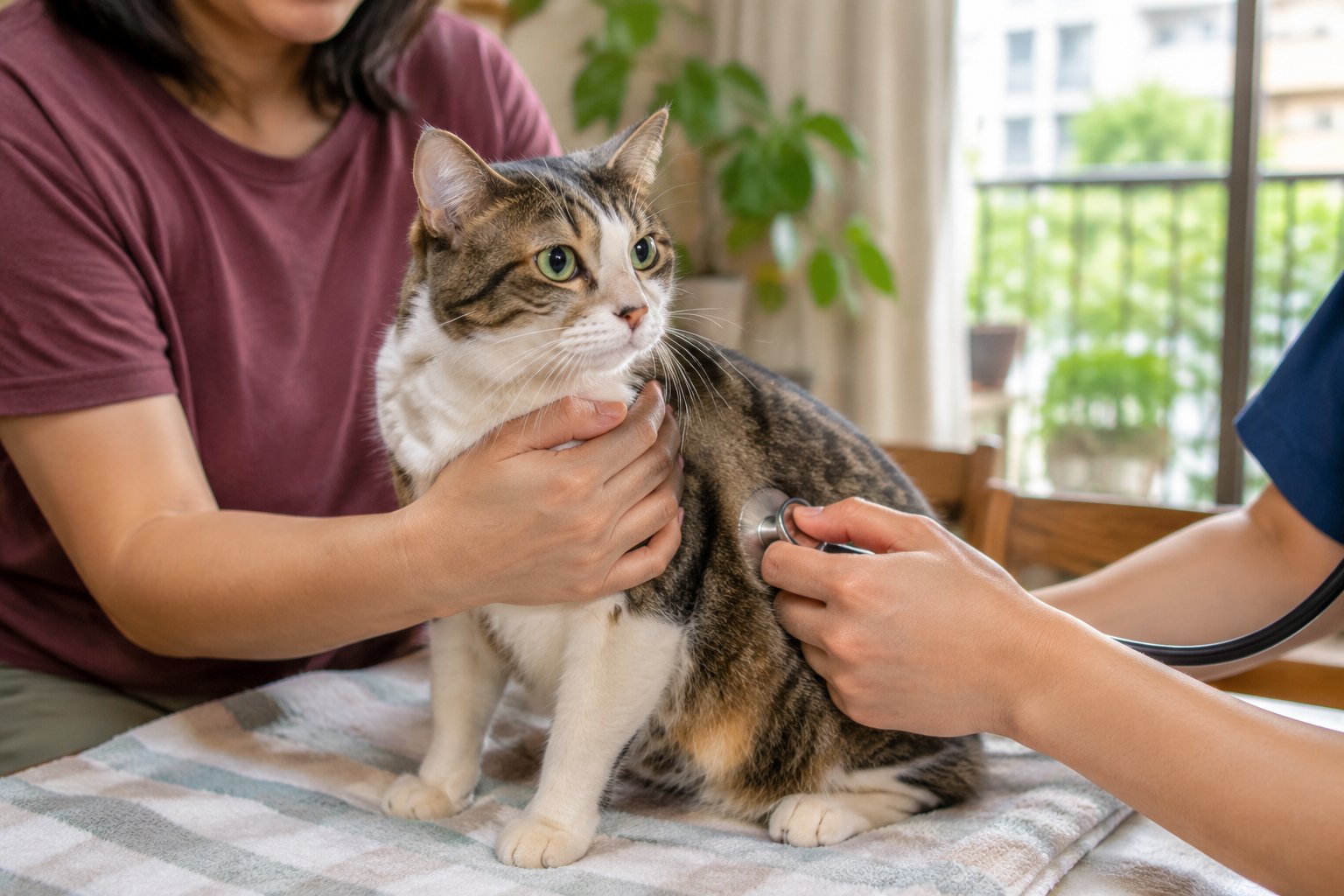
Your vet will start with a general examination and then focus on the mouth. They may need to use a mild sedative to examine a painful mouth fully. They will check for tartar, gum inflammation, broken teeth, and oral masses. They may recommend blood tests to rule out kidney disease or diabetes, especially if the mouth looks relatively healthy. Dental X-rays may be needed to assess tooth roots. Treatment depends on the cause: professional cleaning under anaesthesia, extractions, antibiotics, or management of underlying disease. Your vet will discuss the options and costs with you; prices vary by clinic and procedure, so ask for an estimate.
Frequently asked questions
Is bad breath in cats always a sign of dental disease? No. Dental disease is the most common cause, but bad breath can also come from kidney disease, diabetes, gastrointestinal problems, or foreign objects in the mouth. A vet exam is needed to tell the difference.
How can I check my cat's mouth at home? Gently lift the lip and look at the gums and teeth. Healthy gums are pink, not red or swollen. Look for brown tartar, broken teeth, ulcers or bleeding. Stop if your cat resists or seems painful.
Should I brush my cat's teeth? Yes, daily brushing with cat-safe toothpaste is the best home prevention. Never use human toothpaste. Start slowly with a finger brush and reward your cat. Ask your vet to show you the correct technique.
When should I see a vet for my cat's bad breath? See a vet if bad breath lasts more than a few days, or if it comes with drooling, dropping food, weight loss, red gums, or changes in eating or behaviour. These signs suggest pain or underlying illness.
Can diet cause bad breath in cats? Strong-smelling foods, especially fish-based diets, can temporarily affect breath. However, persistent odour after meals is not normal and should be checked. Dental chews and water additives are not a substitute for brushing or veterinary dental care.
Are dental treats enough to prevent bad breath? Dental treats can help reduce plaque but are not a substitute for brushing or professional cleaning. Look for products with a recognised dental claim, and combine them with regular home care and vet check-ups.
Vet disclaimer
This article is for general information only and is not a substitute for professional veterinary advice. Always consult a licensed veterinarian for diagnosis and treatment of your cat's health condition.

