
Quick answer
Excessive urination in cats is usually a medical sign, not a behaviour problem. Common causes include kidney disease, diabetes, hyperthyroidism, urinary tract infections, crystals or stones, and stress. Any sudden increase in urine volume or frequency, especially with increased thirst, needs a vet check promptly.
What counts as excessive urination?
Cats are good at hiding illness, and litter box habits are one of the few visible clues. A healthy cat's urine output varies with diet, water intake and weather, but a rough guide is about 20–40 ml per kg of body weight per day. A 4 kg cat might produce around 80–160 ml daily. If you are seeing much more than that, or if the litter clumps are suddenly larger and heavier, it is worth investigating.
There are two patterns to distinguish:
- Polyuria (more volume): larger clumps, more litter used, and often increased thirst (polydipsia). This points more toward a systemic medical cause.
- Pollakiuria (more frequency): many small trips to the litter box, sometimes with straining or licking the genital area. This points more toward bladder irritation or urethral problems.
Both patterns can overlap. A cat with a urinary tract infection may strain frequently and also produce more urine. A cat with kidney disease may drink and urinate more without any straining.
Common medical causes
Chronic kidney disease
Kidney disease is one of the most common causes of increased drinking and urination in older cats. Damaged kidneys cannot concentrate urine properly, so the cat loses more water and drinks more to compensate. Early stages may show no obvious signs, which is why regular vet checks and blood tests are important for cats over seven years old.
Diabetes mellitus
When a cat has diabetes, glucose builds up in the blood and spills into the urine. The glucose pulls water with it, causing increased urination and thirst. Diabetic cats may also lose weight despite a good appetite. Diagnosis requires blood and urine tests, and treatment usually involves insulin and dietary changes.
Hyperthyroidism
An overactive thyroid gland speeds up metabolism and can increase blood flow to the kidneys, leading to more urine production. Hyperthyroid cats often lose weight, seem restless, and have a ravenous appetite. It is most common in middle-aged and older cats.
Urinary tract infections
Bacterial infections can irritate the bladder and cause frequent, sometimes painful urination. Cats with infections may urinate outside the box, strain, or have blood in the urine. Infections are less common in young male cats but can occur at any age.
Crystals and stones
Struvite and calcium oxalate crystals can form in the bladder and cause irritation or blockage. A blocked urethra is a life-threatening emergency, especially in male cats. Signs include straining with little or no urine, crying, and a hard or painful belly.
Other causes
Less common causes include liver disease, electrolyte imbalances, certain medications (such as corticosteroids or diuretics), and reproductive disorders. In rare cases, a condition called diabetes insipidus affects water balance. Your vet will use blood tests, urine tests and sometimes imaging to narrow down the cause.
Behavioural and stress-related causes
Stress does not usually cause large volumes of urine, but it can cause frequent small urinations. Cats with feline idiopathic cystitis often flare up after changes such as a new pet, moving house, or a dirty litter box. They may urinate in unusual places, strain, or lick their genital area.
Environmental stress is common in Malaysian homes where cats live indoors, sometimes in apartments with limited space. Providing enough litter boxes, scratching posts and hiding spots can reduce stress. A good rule is one litter box per cat plus one extra, placed in quiet, separate locations.
How to monitor your cat at home
You do not need to measure every drop, but simple observations help your vet.
- Count the clumps: scoop at the same time each day and note how many clumps you remove. A sudden increase is a useful clue.
- Check clump size: compare the size to a golf ball or tennis ball. Larger clumps mean more urine per visit.
- Watch drinking: note if your cat is visiting the water bowl more often or drinking for longer.
- Weigh your cat: use a baby scale or a vet clinic scale. Weight loss is a key sign of diabetes or hyperthyroidism.
- Record appetite and behaviour: changes in appetite, activity or grooming can help your vet.
- Take a video: filming your cat urinating can show straining or posture that is hard to describe.
| What to track | Why it matters |
|---|---|
| Number of urine clumps per day | Shows frequency and volume changes |
| Size of clumps | Indicates polyuria versus pollakiuria |
| Water intake | Often rises with kidney disease or diabetes |
| Weight | Weight loss suggests diabetes or hyperthyroidism |
| Straining or crying | May indicate infection, crystals or blockage |
| Blood in urine | Needs prompt veterinary attention |
| Appetite and energy | Helps assess overall health |
When to see a vet
See a vet promptly if you notice any of the following:
- Your cat is urinating much more often or in larger amounts than usual.
- Your cat is drinking noticeably more water.
- There is blood in the urine.
- Your cat is straining to urinate or crying in the litter box.
- Your cat is urinating outside the litter box.
- Your cat is losing weight despite a good appetite.
- Your cat is vomiting, lethargic or not eating.
Emergency signs: a male cat straining with little or no urine, a hard or painful abdomen, vomiting, weakness or collapse. These can indicate a urethral blockage, which is life-threatening and requires immediate veterinary care.
What to expect at the vet
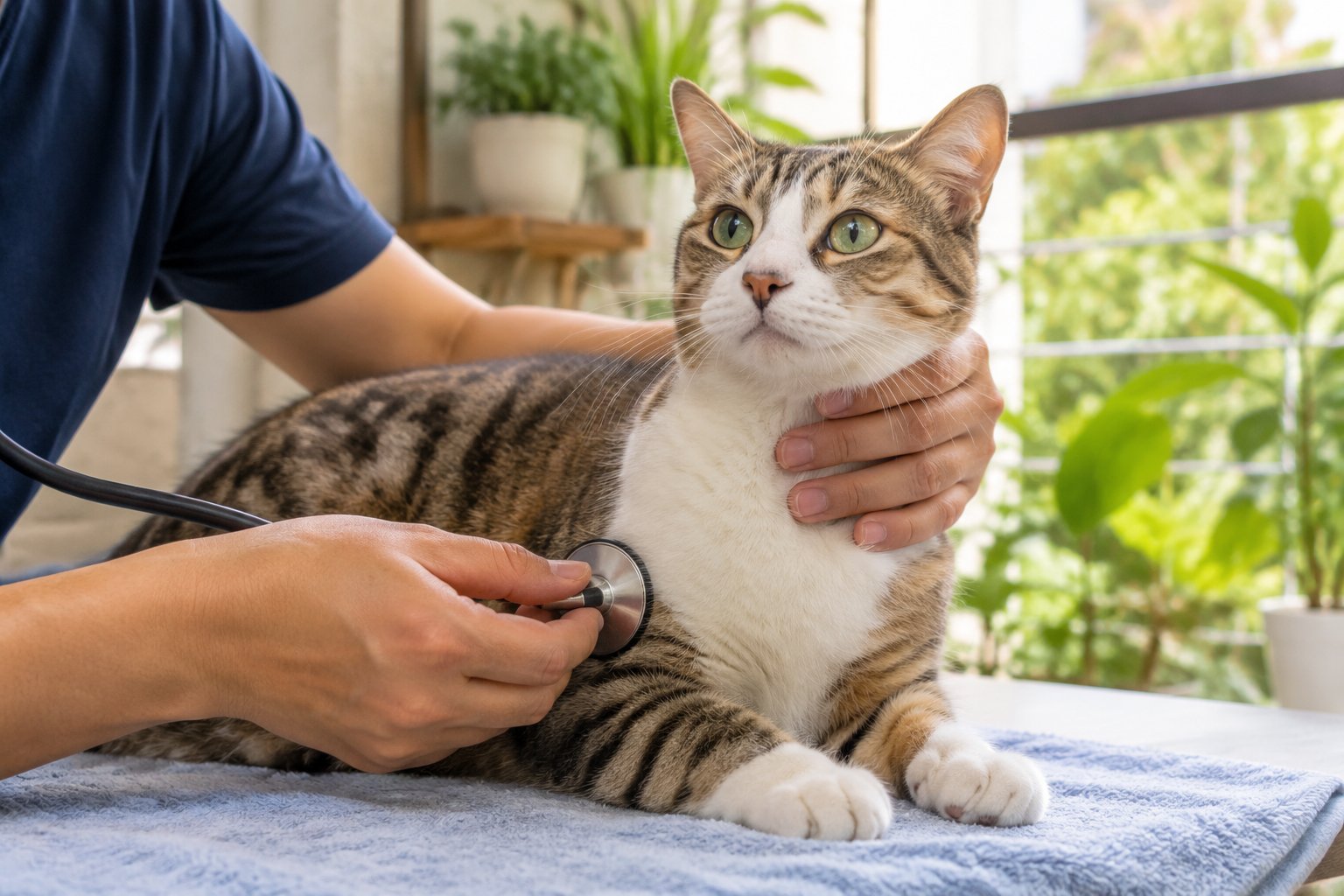
Your vet will start with a physical examination and a history of your cat's habits. They may recommend:
- Blood tests: to check kidney function, blood glucose, thyroid hormone and electrolytes.
- Urine tests: to check concentration, glucose, protein, blood and crystals, and to look for infection.
- Blood pressure: high blood pressure can accompany kidney disease.
- Imaging: X-rays or ultrasound may be used to look for stones or structural problems.
Treatment depends on the cause. Kidney disease may be managed with a special diet, blood pressure medication and regular monitoring. Diabetes may require insulin and a controlled diet. Hyperthyroidism can be treated with medication, surgery or radioactive iodine, depending on availability and your vet's advice. Infections need antibiotics, and stones may require a prescription diet or surgery.
Care at home and prevention
- Provide fresh water: multiple water bowls, a water fountain, or adding water to wet food can encourage drinking.
- Feed a balanced diet: your vet may recommend a specific diet if your cat has kidney disease or crystals.
- Keep litter boxes clean: scoop daily and wash boxes regularly.
- Reduce stress: provide hiding places, vertical space and a consistent routine.
- Book regular check-ups: older cats benefit from at least annual vet visits, and senior cats may need twice-yearly checks.
- Do not restrict water: never limit water unless your vet specifically advises it.
Malaysian context
In Malaysia, many cats live indoors in apartments or terrace houses, and the hot, humid climate can affect water intake. Cats may drink more in warm weather, which is normal, but a sudden increase that persists should be checked. If you live in a high-rise apartment, make sure your cat has easy access to water and a quiet litter area away from busy corridors. In a Johor terrace house, keep litter boxes away from damp areas and ensure they are not accessible to other pets. Local prices for tests and treatment vary, so ask your vet for an estimate before proceeding.
Related reading
- How to Treat Excessive Thirst in Cats at Home: A Practical Guide for Malaysian Owners
- Signs of Excessive Urination in Cats in Malaysia: What's Normal, What's Not, and When to Worry
- Arthritis in Cats: Causes and Care (Malaysia Guide)
- Bad Breath in Cats: Causes and Care (Malaysian Owner's Guide)
- Blood Test for Cats Step by Step: What Happens at the Clinic
- Breathing Difficulty in Cats in Malaysia: Signs, Causes and What to Do
- Cat Dehydration Treatment in Malaysia: Signs, Home Care and When to See a Vet

