
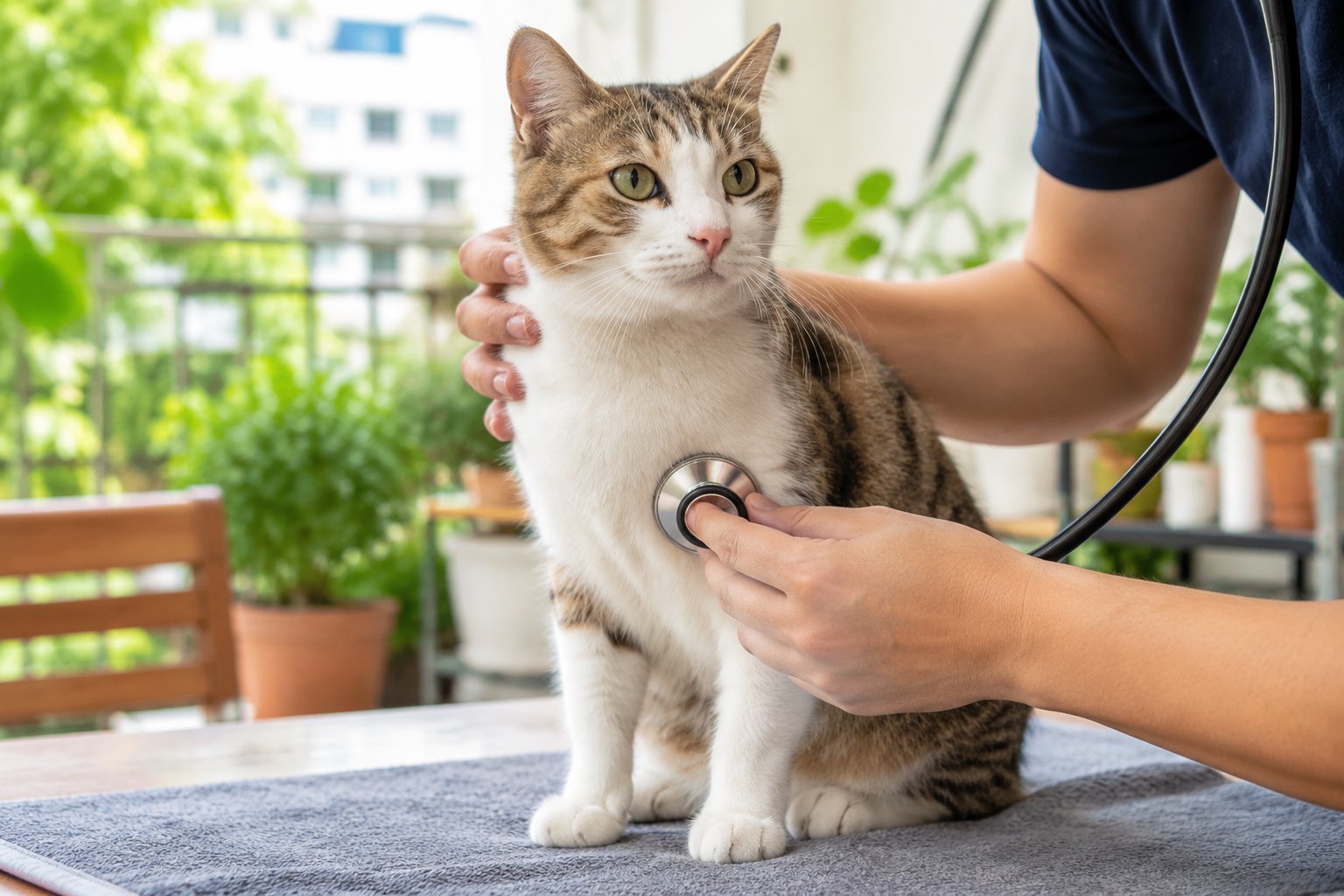
Why Bad Breath in Cats Is Not Just a Nuisance
Bad breath, or halitosis, is one of the most common complaints cat owners bring to the vet. In Malaysia, where many cats live indoors in apartments and terrace houses, owners often notice odour during close cuddles or play. While occasional morning breath is normal, persistent foul odour usually points to an underlying issue. The good news: many causes can be managed at home with consistent care, and early action prevents more serious problems.
This guide covers safe home treatment, practical routines for Malaysian households, and clear signs that you need professional help. It does not replace a vet visit, but it gives you a structured plan.
The Main Causes of Bad Breath in Cats
Understanding the cause helps you choose the right home strategy. The most frequent culprits include:
- Dental disease (periodontal disease): Plaque and tartar build-up inflame gums and cause odour. This is the number one cause in adult cats.
- Gingivitis and stomatitis: Inflammation of gums or entire mouth, often painful.
- Diet and eating habits: Fish-heavy or strong-smelling foods can leave lingering odour; some cats eat too quickly.
- Kidney disease: Toxins build up in blood and cause a metallic or ammonia-like breath.
- Diabetes mellitus: Ketones produce a sweet or fruity odour.
- Liver disease: Can cause a distinct odour.
- Gastrointestinal issues: Acid reflux or foreign bodies.
- Oral masses or ulcers: Less common but serious.
In young kittens, teething and dietary changes are common temporary causes. In older cats, systemic disease becomes more likely. A home routine can address plaque, but it cannot diagnose kidney or liver problems. That is why a vet check is essential if odour persists.
Step-by-Step Home Dental Care Routine
A consistent home routine is the foundation of fresh breath. Follow these steps, adapted for Malaysian homes where space and climate vary.
1. Start with a Vet Check
Before starting any home treatment, have your vet examine your cat's mouth. If there is severe tartar, loose teeth, or gum disease, professional cleaning is needed first. Home brushing will not remove hardened tartar. Once your vet gives the all-clear, begin home care.
2. Gather the Right Tools
- Pet toothbrush: Use a soft-bristled cat toothbrush or a finger brush. Human toothbrushes are too large.
- Pet toothpaste: Choose enzymatic toothpaste in flavours like poultry or malt. Never use human toothpaste.
- Dental wipes: For cats that resist brushing, pet dental wipes can help.
- Water additive: Only use vet-approved products; some contain chlorhexidine or enzymes.
3. Desensitise Gradually
Most cats dislike having their mouth handled. Start by letting your cat lick toothpaste off your finger. Then gently lift the lip and rub a finger along the gum line. Progress to a finger brush, then a toothbrush. Reward with praise or a treat. This can take weeks; patience is key.
4. Brush Correctly
Apply a pea-sized amount of toothpaste. Gently brush the outer surfaces of the teeth, focusing on the gum line where plaque accumulates. You do not need to brush the inner surfaces as thoroughly because the tongue helps clean them. Aim for 30 seconds per side. Daily brushing is best; if impossible, aim for at least three to four times per week.
5. Use Dental Aids Wisely
Dental chews, treats, and food with the Veterinary Oral Health Council (VOHC) seal can reduce plaque. They are supplements, not substitutes for brushing. Water additives can help but should be vet-approved. Avoid giving bones or hard objects that can fracture teeth.
Diet and Feeding Strategies for Fresher Breath
Diet plays a supporting role. Consider these practical tips:
- Choose dental diets: Some commercial cat foods are designed with larger kibble to scrub teeth. Look for VOHC acceptance.
- Limit strong-smelling foods: Fish-based foods can leave odour; balance with other proteins.
- Avoid free-feeding: Scheduled meals reduce constant food residue.
- Fresh water daily: Change water at least once a day; use ceramic or stainless steel bowls.
- Slow feeders: If your cat gulps food, a slow feeder reduces vomiting and residue.
In Malaysia's hot climate, food can spoil quickly. Keep dry food sealed and wet food refrigerated after opening. Never leave wet food out for more than 30 minutes.
Home Remedies: What Works and What to Avoid
Many online remedies are ineffective or dangerous. Here is a quick reference:
| Remedy | Safe? | Notes |
|---|---|---|
| Pet enzymatic toothpaste | Yes | Safe to swallow; effective with brushing |
| Dental wipes | Yes | Good for cats that resist brushing |
| Vet-approved water additive | Yes | Follow dosage; not a cure-all |
| Coconut oil (small amount) | Caution | Some cats tolerate; high fat can cause diarrhoea |
| Apple cider vinegar | No | Can irritate mouth and stomach |
| Human mouthwash | No | Contains alcohol and fluoride; toxic |
| Baking soda | No | Disrupts electrolytes; not for ingestion |
| Essential oils | No | Toxic to cats |
| Raw bones | No | Risk of fractures and bacterial contamination |
Always consult your vet before trying any new product. What works for one cat may not suit another.
Creating a Cat-Friendly Dental Routine in Malaysian Homes
Malaysian living arrangements vary from high-rise apartments to landed houses. Here are context-specific tips:
- Kuala Lumpur apartment: Limited space means brushing can be done in the bathroom or on a grooming table. Keep supplies in a caddy. Use a non-slip mat.
- Penang rainy season: High humidity can make dental chews soften; store them in airtight containers. Dry food can clump; keep sealed.
- Johor terrace house: If your cat goes outdoors, supervise to prevent scavenging that can cause gastrointestinal upset and bad breath.
- Multi-cat households: Brush cats separately to reduce stress. Use different coloured toothbrushes.
Establish a routine after a meal or play session when your cat is relaxed. Avoid brushing when your cat is agitated.
When Home Care Is Not Enough: Signs You Need a Vet
Home care manages plaque but cannot treat underlying disease. See a vet if you notice:
- Bad breath that persists despite daily brushing
- Drooling or pawing at the mouth
- Red, swollen, or bleeding gums
- Difficulty eating or dropping food
- Weight loss
- Lethargy or hiding
- Changes in drinking or urination
- Vomiting or diarrhoea
These signs may indicate dental pain, kidney disease, diabetes, or other serious conditions. Early diagnosis improves outcomes.
Professional Dental Care: What to Expect
If your vet recommends a professional cleaning, it is done under general anaesthesia. The procedure includes scaling, polishing, and sometimes extractions. Pre-anaesthetic blood tests are standard. In Malaysia, costs vary by clinic and complexity; ask your vet for an estimate. After cleaning, continue home care to maintain results.
Preventing Bad Breath Long-Term
Prevention is easier than treatment. Build these habits:
- Brush daily or at least three times weekly
- Schedule annual vet dental checks
- Feed a balanced diet with dental benefits
- Provide safe chew toys
- Monitor water intake
- Watch for early signs of oral discomfort
Quick Comparison: Home Dental Products
| Product Type | Effectiveness | Ease of Use | Vet Recommendation |
|---|---|---|---|
| Toothbrush + enzymatic paste | High | Moderate | First choice |
| Dental wipes | Moderate | Easy | Good alternative |
| Dental chews (VOHC) | Moderate | Easy | Useful supplement |
| Water additives | Low to moderate | Easy | Vet-approved only |
| Dental diets | Moderate | Easy | Good for maintenance |
When to See a Vet
Bad breath is a symptom, not a disease. If your cat's breath does not improve with consistent home care, or if you notice any warning signs listed above, book a vet appointment. Do not delay if your cat stops eating or shows pain. Malaysian vet clinics are equipped to perform oral exams and dental procedures; your vet can advise on the best plan for your cat.
Vet Disclaimer
This article provides general information and does not replace professional veterinary advice. Always consult a licensed veterinarian for diagnosis and treatment of your cat's health conditions. Home care should be undertaken only after a vet has ruled out serious underlying disease.

