
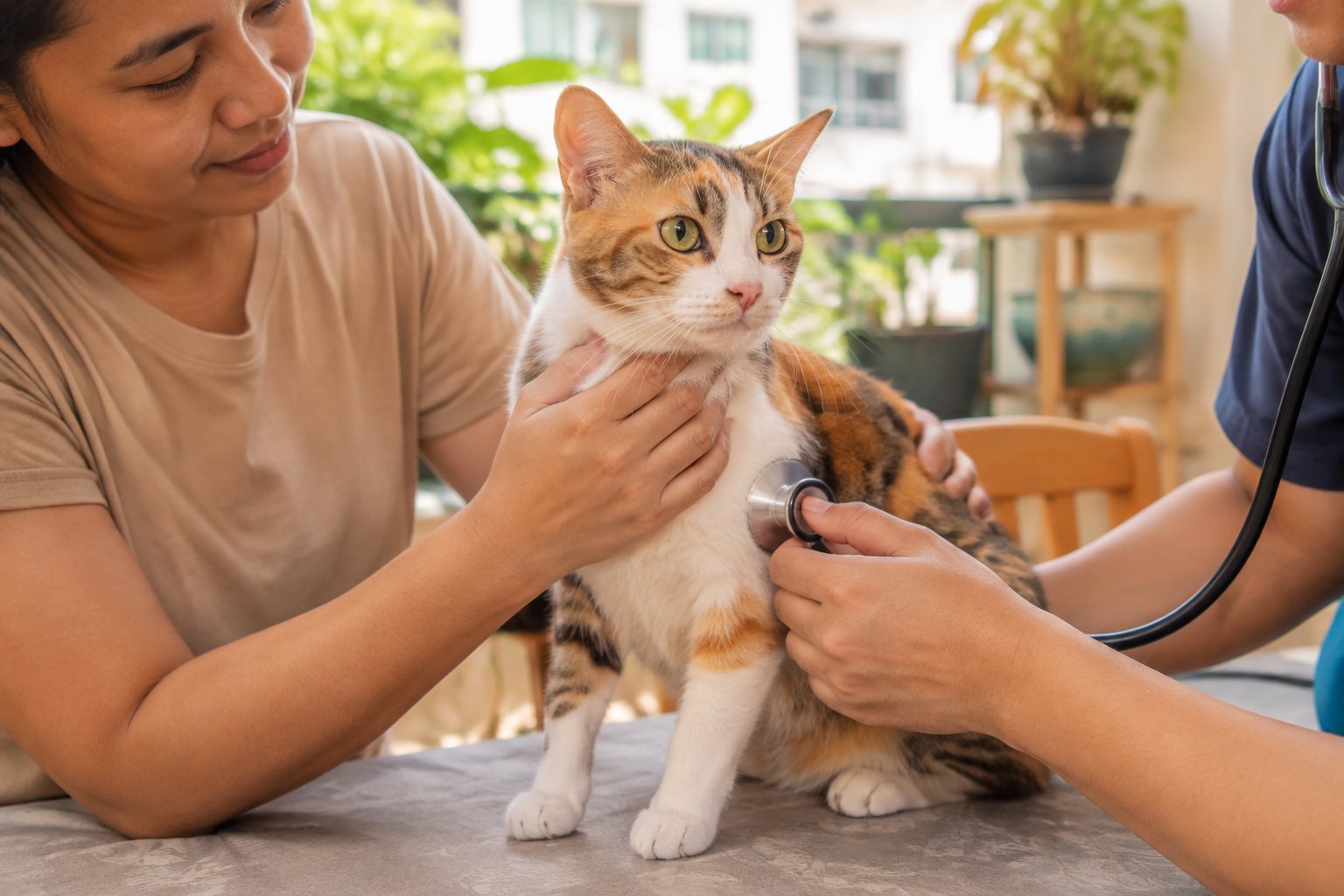
Why Prevention Matters
Sneezing is a natural reflex that clears irritants from the nasal passages, but frequent sneezing in cats can signal underlying problems. In Malaysia's hot and humid climate, cats face unique challenges: dust from open windows, mold spores, and high humidity can all trigger sneezing. Preventing sneezing isn't just about comfort—it's about protecting your cat's respiratory health and catching potential illnesses early. This guide provides practical, evidence-based strategies to minimise sneezing triggers in Malaysian homes.
Common Causes of Sneezing in Cats
Understanding what makes cats sneeze is the first step to prevention. Causes range from harmless irritants to serious infections.
Environmental Irritants
- Dust and pollen: Open windows in Malaysian homes let in dust and pollen, especially during dry spells.
- Strong scents: Household cleaners, air fresheners, perfumes, and cooking fumes can irritate nasal passages.
- Litter dust: Clay-based litters produce fine dust that cats inhale while digging.
- Mold and mildew: High humidity encourages mold growth, releasing spores into the air.
Infectious Causes
- Feline herpesvirus (FHV-1) and feline calicivirus (FCV) are common causes of cat flu, leading to sneezing, discharge, and fever.
- Bordetella bronchiseptica and Chlamydia felis can also cause respiratory signs.
- These infections spread easily between cats, especially in multi-cat households or shelters.
Allergies
- Cats can be allergic to pollen, dust mites, mold spores, and certain foods. Allergic sneezing often comes with itchy skin or watery eyes.
Anatomical Issues
- Nasal polyps or foreign objects (like grass seeds) can cause chronic sneezing. Flat-faced breeds (Persians, Himalayans) may have narrowed nostrils, making them more sensitive.
Creating a Sneezing-Free Home Environment
Your home environment plays a huge role in your cat's respiratory health. Here's how to minimise irritants.
Litter Choice and Management
- Switch to low-dust litter: Paper-based, wood pellet, or low-dust clumping litters are better than fine clay.
- Avoid scented litter: Fragrances can irritate airways.
- Scoop daily and replace litter regularly: Dirty litter harbours bacteria and dust.
- Use a litter mat: Traps tracked dust and litter particles.
Air Quality Control
- Use air purifiers with HEPA filters: Especially in rooms where your cat spends most time.
- Vacuum with HEPA-filter vacuums: Reduces airborne dust and dander.
- Control humidity: Use dehumidifiers during rainy season to prevent mold growth. Aim for 40-60% relative humidity.
- Avoid aerosols and strong cleaners: Switch to unscented, pet-safe cleaning products. Ventilate when cleaning.
Dust and Allergen Reduction
- Wipe surfaces with a damp cloth: Instead of dry dusting, which spreads particles.
- Wash cat bedding weekly: Use hot water and unscented detergent.
- Keep windows closed during haze or high pollen days: Use air conditioning or fans instead.
- Remove clutter: Less clutter means fewer places for dust to accumulate.
Safe Indoor Plants
- Some plants are toxic to cats (e.g., lilies, azaleas). Choose cat-safe plants like spider plants or Boston ferns, but note that any plant can harbour mold.
Daily Routine for Sneezing Prevention
A consistent daily routine helps keep your cat healthy and reduces sneezing triggers.
Morning
- Check litter box: Remove clumps and any visible dust. If litter is dusty, consider switching brands.
- Wipe down surfaces: Use a damp cloth on windowsills and furniture where your cat rests.
- Fresh water: Change water bowls to prevent biofilm and bacteria.
Feeding Time
- Feed a balanced diet: Good nutrition supports immune health. Avoid sudden diet changes.
- Use stainless steel or ceramic bowls: Plastic bowls can harbour bacteria and cause feline acne.
- Elevate food bowls: For flat-faced breeds, elevated bowls reduce strain and keep food away from the nose.
Grooming and Health Check
- Brush your cat regularly: Removes loose fur and dander, reducing allergens.
- Check nose and eyes: Look for discharge, redness, or swelling. Early detection helps.
- Clean ears: Use vet-approved cleaner; dirty ears can be linked to upper respiratory issues.
Evening
- Play and exercise: Keeps your cat fit and mentally stimulated, supporting overall health.
- Final litter scoop: Remove waste before night.
- Air out rooms: If weather permits, open windows briefly to refresh air, but avoid peak pollen times.
Vaccination and Preventive Care
Vaccinations are a cornerstone of sneezing prevention, especially against viral causes.
Core Vaccines
- FVRCP (Feline Viral Rhinotracheitis, Calicivirus, Panleukopenia): Protects against common respiratory viruses. Kittens need a series, and adults need boosters.
- FeLV and FIV: Depending on lifestyle and risk.
- Rabies: Required for travel and in some areas.
Vet Check-ups
- Annual wellness exams: Your vet can detect early signs of respiratory issues.
- Dental care: Dental disease can lead to nasal infections. Regular dental checks are important.
- Parasite control: Fleas and mites can cause allergic reactions; keep up with preventives.
Stress Reduction
- Stress weakens the immune system, making cats more susceptible to infections. Provide hiding spots, vertical space, and routine. In multi-cat homes, ensure separate resources.
Managing Multi-Cat Households
In multi-cat homes, infectious sneezing can spread quickly. Here's how to manage.
Isolation Protocol
- Isolate new cats: Keep new arrivals separate for 10-14 days and monitor for sneezing.
- Separate sick cats: If one cat sneezes with discharge, isolate and consult a vet.
- Use separate food bowls and litter boxes: Reduce competition and cross-contamination.
Hygiene Practices
- Wash hands after handling sick cats.
- Disinfect surfaces with vet-approved products.
- Avoid sharing bedding between cats until cleared by a vet.
Environmental Enrichment
- Provide multiple resting areas to reduce stress.
- Use pheromone diffusers (e.g., Feliway) to calm tensions.
Comparison Table: Sneezing Triggers and Prevention Strategies
| Trigger | Signs | Prevention Strategy |
|---|---|---|
| Dust from litter | Sneezing after using litter box | Switch to low-dust litter; use litter mat; scoop daily |
| Household sprays | Sneezing when cleaning | Use unscented, pet-safe cleaners; ventilate |
| Viral infection (cat flu) | Sneezing with discharge, fever, lethargy | Vaccinate; isolate sick cats; vet care |
| Allergies (pollen, mold) | Seasonal sneezing, itchy skin | Air purifiers; control humidity; wipe surfaces |
| Foreign object | Sudden violent sneezing, pawing at nose | Vet examination; keep small objects away |
| Nasal polyps | Chronic sneezing, noisy breathing | Vet check; may require surgery |
When to See a Vet
Sneezing is often benign, but some signs warrant immediate veterinary attention.
Red Flags
- Persistent sneezing lasting more than a few days.
- Nasal discharge that is thick, yellow, or green.
- Blood in sneeze or discharge.
- Difficulty breathing, open-mouth breathing, or wheezing.
- Loss of appetite, lethargy, or fever.
- Facial swelling or pawing at the face.
- Sneezing after potential exposure to a foreign object (e.g., grass seed).
What to Expect at the Vet
- Your vet will examine the nose, mouth, and eyes.
- They may ask about home environment, litter, and cleaning products.
- Diagnostic tests like nasal swabs, X-rays, or blood tests may be recommended.
- Treatment depends on the cause: antibiotics for bacterial infections, antivirals, antihistamines for allergies, or surgery for polyps.
Emergency Situations
- If your cat is gasping for air, has blue gums, or collapses, seek emergency vet care immediately.
Malaysian Context: Humidity, Haze, and Urban Living
Malaysia's climate and living conditions present specific challenges for cat owners.
Humidity and Mold
- High humidity (often above 80%) promotes mold growth. Use dehumidifiers in rooms where cats stay. Ensure good ventilation.
- Dry cat bedding thoroughly; consider moisture absorbers in closets.
Haze Season
- During haze, keep windows closed and use air purifiers. Avoid outdoor time for cats.
- Haze particles can irritate respiratory tracts; cats with asthma or allergies are especially vulnerable.
Urban Apartments
- In Kuala Lumpur apartments, limited ventilation can trap dust. Use air purifiers and keep windows closed during peak traffic hours.
- Balconies should be secured to prevent cats from inhaling outdoor pollutants.
Terrace Houses
- In Johor terrace houses, open windows may let in dust from roads. Consider installing mesh screens.
- Gardens can harbour pollen and mold; wipe paws after outdoor access.
Rainy Season
- Penang's rainy season increases mold spores. Dry litter boxes promptly and store litter in sealed containers.
Checklist: Daily and Weekly Sneezing Prevention Tasks
Daily
- Scoop litter box and remove dust.
- Wipe surfaces with damp cloth.
- Refresh water bowls.
- Check cat's nose and eyes for discharge.
- Provide playtime to reduce stress.
Weekly
- Wash cat bedding in hot water.
- Vacuum with HEPA filter.
- Clean air purifier filters (if applicable).
- Inspect litter for dust; replace if needed.
- Groom your cat to remove loose fur.
Monthly
- Deep clean litter box with pet-safe disinfectant.
- Check expiration dates on medications and vaccines.
- Review diet and weight.
Quarterly
- Vet wellness check (if due).
- Replace air purifier filters as per manufacturer.
- Assess home for new dust sources (e.g., renovations).
Conclusion
Preventing sneezing in cats requires a combination of environmental management, good nutrition, vaccination, and regular veterinary care. By following the strategies outlined in this guide, Malaysian cat owners can reduce sneezing triggers and promote respiratory health. Remember, while occasional sneezing is normal, persistent or accompanied by other signs warrants a vet visit. Your cat's comfort and health are worth the effort.
Disclaimer: This article is for informational purposes only and does not replace professional veterinary advice. Always consult a licensed veterinarian for diagnosis and treatment of your cat's health issues.
Related reading
- Cat Health Guide Malaysia: Symptom Check, Red-Flag Triage & When to See a Vet
- Anemia in Cats: Causes, Signs and Care (Malaysia Guide)
- Bad Breath Prevention for Cats: A Practical Guide for Malaysian Owners
- Breathing Difficulty Prevention for Cats: A Practical Malaysian Guide
- Cat Eye Infection Treatment in Malaysia: A Practical Owner's Guide
- Cat Vomiting Treatment in Malaysia: What to Do and When to See a Vet
- Constipation Prevention for Cats: A Practical Guide for Malaysian Owners
- Diarrhea in Cats in Malaysia: Causes, Home Care and When to See a Vet
- Ear Mites in Cats: Causes and Care (Malaysia Guide)
- Eye Infection in Cats in Malaysia: Causes, Signs, Treatment & Prevention

