
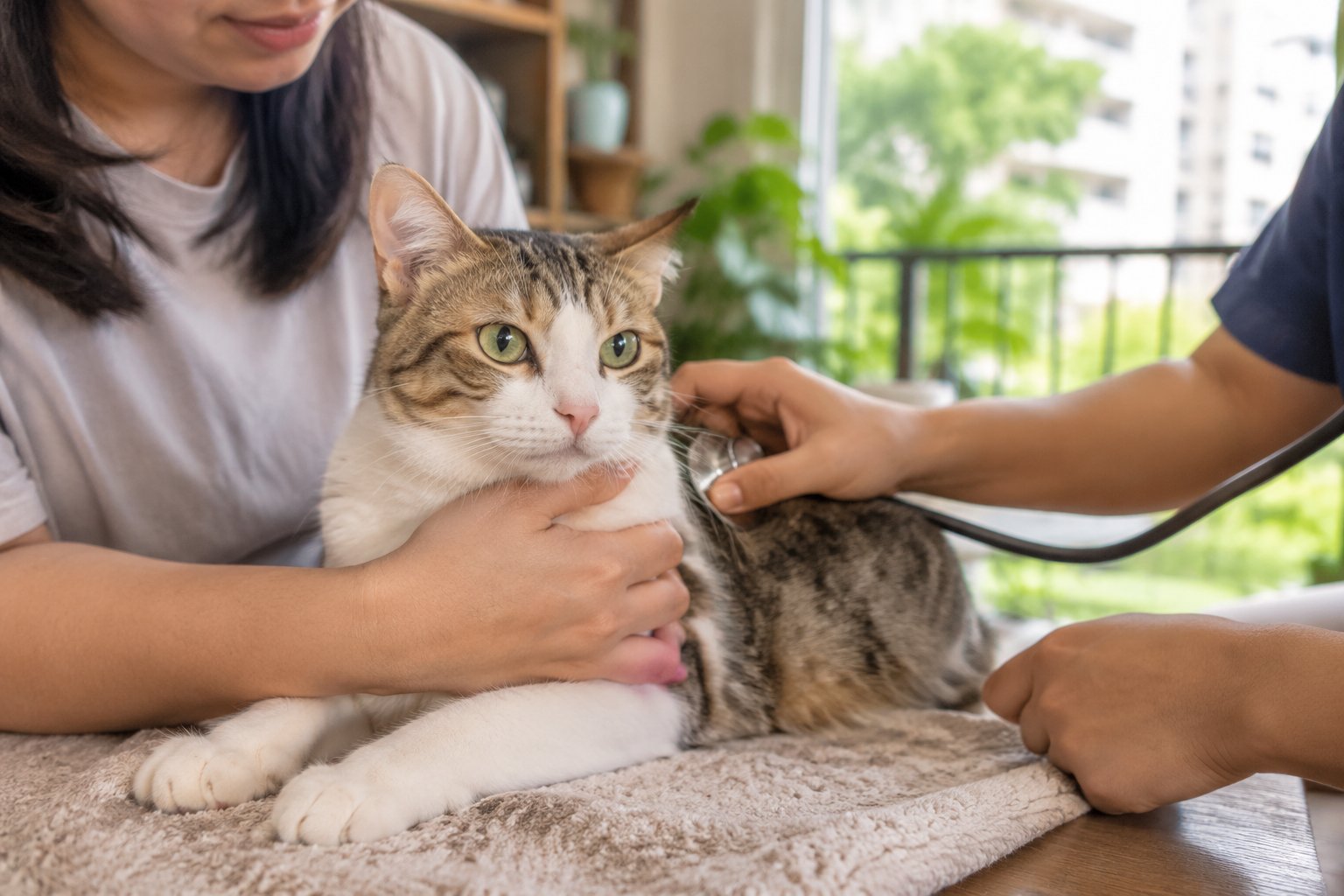
Start with the honest answer
You cannot guarantee a seizure-free life for every cat, but you can remove many avoidable triggers and manage known disease well. The biggest gains come from a stable daily routine, a complete diet, a safe indoor environment, strict avoidance of toxins and human medicines, and consistent veterinary follow-up. If your cat already has diagnosed epilepsy, prevention means giving prescribed medication exactly as directed and tracking every episode.
This guide is written for Malaysian homes: apartments with balconies, terrace houses with open doors, rainy-season damp, hot afternoons and multi-cat households. It covers what owners can do, what is out of your control, and when to stop reading and call a vet.
What actually causes seizures in cats
A seizure is a burst of abnormal brain activity. The cause matters because prevention depends on it.
- Reactive seizures happen when a healthy brain reacts to something: a toxin, low blood sugar, low calcium, liver or kidney disease, heat stress, or a drug reaction. These are the most preventable.
- Structural epilepsy comes from brain damage, a tumour, inflammation or scarring after injury. Prevention focuses on controlling seizures and treating the underlying problem.
- Idiopathic epilepsy has no identifiable cause and is often suspected in younger cats with repeated episodes. It is usually managed, not prevented.
- Trigger stacking matters in real life. A cat that is already unwell, dehydrated, stressed by visitors or missing meals may seizure more easily.
Knowing which category your cat fits changes everything. A cat with a toxin exposure needs removal of the toxin. A cat with epilepsy needs medication timing. A cat with kidney disease needs that disease managed.
Build a stable daily routine
Cats are routine animals, and sudden changes can lower the seizure threshold in sensitive cats. A predictable day is one of the simplest preventive tools you have.
Feeding schedule
Feed at the same times each day. Twice daily suits most adult cats; kittens and some medical cases need more frequent meals. Avoid long fasts, especially in small or young cats, because low blood sugar can trigger seizures. If your cat is a gulper, use a puzzle feeder or split meals into smaller portions.
Measure portions rather than free-feeding dry food all day. Free-feeding makes it hard to notice a sudden drop in appetite, which is often the first sign a cat is unwell.
Water and heat
Malaysia's heat and humidity matter. Dehydration and overheating can worsen any illness. Keep several water bowls, refresh them daily, and place one away from the food bowl. In hot apartments, provide shade, a fan or air-conditioning, and a cool tiled floor to lie on. Never leave a cat in a parked car or a closed room without ventilation.
Sleep and stress
Cats sleep a lot, and disrupted sleep is a known seizure trigger in some neurological conditions. Keep bedrooms and rest areas quiet. If you have builders, festive visitors or a new baby, give the cat a quiet room with litter, water and a familiar blanket.
Medication timing
If your cat is on anti-seizure medication, timing is not optional. Give doses at the same times daily, use a phone alarm, and plan refills before the supply runs out. Never stop suddenly, because withdrawal can cause severe seizures. If you miss a dose, ask your vet what to do rather than doubling up.
Feed a complete diet and avoid diet myths
Most cats do well on a complete, balanced commercial diet suitable for their life stage. The word "complete" matters: it means the food meets recognised nutrient standards.
Be cautious with these common ideas:
- Grain-free is not a seizure treatment. No reliable evidence shows grain-free food prevents seizures in cats.
- Raw diets carry risk. Bacteria and unbalanced nutrient levels are real concerns, especially in households with children or immune-compromised people.
- Homemade food needs a recipe. A vet or veterinary nutritionist should formulate it, or nutrient deficiencies can develop.
- Supplements are not automatically safe. Some herbal products and essential oils can be toxic to cats. Ask your vet before adding anything.
If your cat has liver disease, kidney disease or another condition linked to seizures, your vet may recommend a specific therapeutic diet. Follow that plan rather than a general internet recipe.
Keep toxins and human medicines out of reach
This is where owners can prevent a large share of reactive seizures.
Household toxins
- Chocolate, coffee, tea and energy drinks
- Alcohol and fermented fruit
- Onions, garlic, chives and related foods
- Xylitol-sweetened gum, sweets and some peanut butters
- Mouldy food and compost
- Ant baits, rodenticides and snail pellets
- Some flea and tick products made for dogs, which can be dangerous to cats
- Essential oils, especially concentrated diffusers in small rooms
- Lilies, sago palm and other toxic ornamental plants
Store cleaning products in closed cupboards. Wipe up spills immediately. Check the label before using any insecticide near cats.
Human medicines
Never give paracetamol, ibuprofen, aspirin or any human painkiller to a cat without veterinary instruction. These can cause severe illness and seizures. Keep pills in closed containers, and pick up dropped tablets straight away.
A simple poison checklist
| Area | Check | Action |
|---|---|---|
| Kitchen | Chocolate, onions, xylitol, alcohol | Store high and closed |
| Garden or balcony | Toxic plants, snail bait, pesticides | Remove or block access |
| Bathroom | Medicines, cleaning fluids | Locked cupboard |
| Living room | Diffusers, candles, small batteries | Use cat-safe alternatives |
| Cat care | Dog flea products | Use only cat-labelled products |
Make the home safer for a cat that seizes
You cannot watch a cat every second, so change the environment instead.
- Block balconies and windows. Use sturdy mesh or grilles. A seizure near an open edge is a fall risk.
- Gate the stairs. A cat that seizes on stairs can tumble.
- Pad sharp corners. Low furniture, table legs and hearth edges are common injury points.
- Remove neck collars during episodes. A collar can catch on furniture. Breakaway collars are safer for everyday wear.
- Keep water shallow. Cover deep buckets, ponds and open drains.
- Supervise the kitchen. Hot stoves, boiling water and open flames are dangerous during a seizure.
- Create a recovery room. A quiet room with soft bedding, low light and a litter tray helps a cat recover calmly.
In a Malaysian apartment, the balcony and open windows are usually the highest-risk areas. In a terrace house, the car porch, garden and open back door need attention.
Manage stress and travel carefully
Stress does not cause epilepsy, but it can lower the threshold in a cat already prone to seizures. Plan ahead for predictable events.
- Festive seasons. Fireworks, visitors and travel can unsettle cats. Set up a quiet room and keep routines as normal as possible.
- Car trips. Use a secure carrier, avoid midday heat, and never leave the cat in the car. If your cat is on medication, bring it and keep to the schedule.
- New pets or babies. Introduce changes gradually and give the cat escape routes and high resting places.
- Boarding. Choose a cattery that can give medication on time and ask them to record any unusual behaviour.
Track seizures like a detective
A seizure diary is one of the most useful things you can bring to a vet visit. Record:
- Date and time
- How long the seizure lasted
- What the cat was doing beforehand
- Which body parts moved abnormally
- Whether the cat lost consciousness, urinated or defecated
- How long recovery took
- Any possible trigger: missed meal, missed dose, new food, visitors, heat, toxin exposure
A phone note or a simple notebook works. Patterns often emerge after a few weeks, and those patterns guide treatment decisions.
Work with your vet on underlying disease
Some causes of seizures are manageable with regular veterinary care. Your vet may check blood tests, blood pressure, heart health and neurological function. Depending on findings, prevention may include:
- Treating liver or kidney disease
- Correcting low blood sugar or electrolyte problems
- Managing high blood pressure
- Treating an infection or inflammation
- Adjusting epilepsy medication
Keep regular check-ups, especially for older cats. Senior cats can develop metabolic problems that lower the seizure threshold. Ask your vet how often monitoring is needed.
Know what to do during a seizure
Prevention includes being ready. If your cat seizes:
- Stay calm and time it.
- Clear the area of sharp or hot objects.
- Do not put your hands in the cat's mouth.
- Do not restrain the cat tightly.
- Keep children and other pets away.
- After it stops, keep the cat quiet and warm, and note the recovery time.
- Call your vet, especially if it is the first seizure or lasts longer than a few minutes.
When to see a vet
Contact a veterinarian promptly if:
- This is your cat's first seizure
- A seizure lasts more than a few minutes
- Seizures happen close together without full recovery
- The cat is pregnant, very young, very old or already unwell
- The cat seizes in water or after suspected toxin exposure
- The cat has trouble breathing, stays unconscious or cannot stand afterwards
- Seizure frequency is increasing or medication seems less effective
Do not wait to see whether it happens again if any of these apply. Urgent veterinary assessment is safer.
A practical prevention checklist
| Task | Frequency | Why it matters |
|---|---|---|
| Feed measured meals at set times | Daily | Prevents fasting and low blood sugar |
| Refresh water bowls | Daily | Supports hydration in hot weather |
| Give medication on schedule | Daily | Prevents withdrawal seizures |
| Check for toxins and plants | Weekly | Removes avoidable triggers |
| Review seizure diary | Weekly | Spots patterns early |
| Weigh the cat | Monthly | Detects illness-related weight change |
| Vet check-up | As advised | Manages underlying disease |
| Check balcony and window mesh | Seasonally | Prevents falls during episodes |
What you cannot control
Be realistic. Some cats have inherited or structural epilepsy that cannot be prevented. Some seizures happen despite excellent care. That is not a failure on your part. The goal is to reduce avoidable risk, keep the cat comfortable and safe, and work closely with your vet.
Avoid blaming yourself for every episode. Focus on what you can change: routine, diet, toxin access, safety, medication timing and record-keeping.
Final thoughts
Seizure prevention in cats is mostly good everyday care done consistently. Feed a complete diet on a schedule, keep the home safe, remove toxins, manage stress, give prescribed medication on time and keep a detailed diary. For Malaysian owners, pay extra attention to balconies, open doors, heat and humidity, and festive-season stress. If your cat has a seizure, stay calm, protect the cat from injury and call your vet.
This article is general information and does not replace veterinary advice. If your cat has seizures or you suspect a toxin exposure, contact a licensed veterinarian promptly.
Related reading
- Cat Health Guide Malaysia: Symptom Check, Red-Flag Triage & When to See a Vet
- Anemia Prevention for Cats: A Practical Guide for Malaysian Owners
- Blood Test for Cats in Malaysia: What It Checks, Costs and When You Need One
- Cat Seizures Treatment in Malaysia: What to Do, Causes & Vet Care
- Cat Worms Treatment in Malaysia: A Practical Owner's Guide
- Coughing Prevention for Cats: A Practical Guide for Malaysian Owners
- Ear Mites in Cats in Malaysia: Signs, Treatment and Prevention
- How to Prevent Chocolate Poisoning Around Cats: A Practical Guide for Malaysian Homes
- How to Prevent Electrical Cables Around Cats: A Practical Safety Guide for Malaysian Homes

