
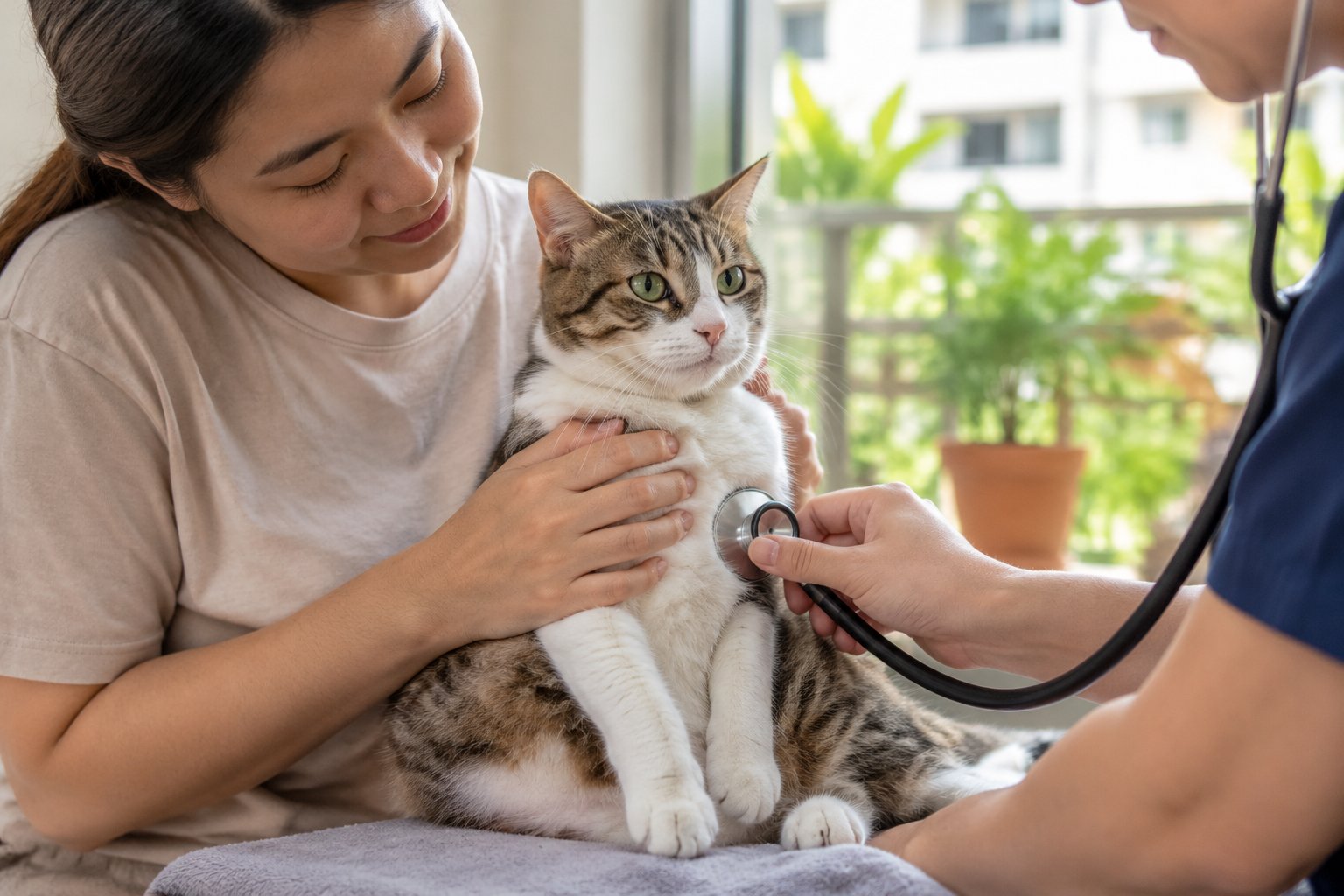
Why is your cat itching?
Itching in cats is a common reason for veterinary visits, and in Malaysia's tropical climate, the triggers often persist all year. If your cat is scratching, licking, biting or rubbing excessively, it's a sign of an underlying problem. The good news: most causes are treatable once identified. This guide covers the common causes, how to provide relief at home, and when to seek professional help.
Common causes of itching in cats
Fleas and flea allergy dermatitis
Fleas are the number one cause of itching in cats worldwide, and Malaysia's warm, humid environment allows them to thrive year-round. Even indoor cats can get fleas, as they can be brought in on clothing or by other pets. Flea allergy dermatitis (FAD) is an allergic reaction to flea saliva; it causes intense itching, especially around the tail base, lower back and neck. You may see small red bumps, hair loss and crusts. Some cats are so sensitive that a single flea bite triggers severe itching.
What to look for:
- Small dark specks (flea dirt) in the coat
- Live fleas (small, fast-moving insects)
- Excessive scratching, biting or grooming
- Hair loss, especially over the lower back and tail base
- Restlessness and discomfort
Environmental allergies (atopy)
Just like humans, cats can be allergic to environmental substances such as pollen, mould spores, dust mites and grass. In Malaysia's humid climate, mould and dust mites are common indoor allergens. Atopy often causes itching on the face, ears, paws and belly. It may be seasonal or year-round. Cats may develop recurrent ear infections or skin infections as a result of scratching.
Food allergies
Food allergies in cats are less common than flea or environmental allergies but can cause intense itching, often around the head and neck. Other signs include vomiting, diarrhoea and weight loss. The most common allergens are proteins like beef, chicken and fish. A proper diagnosis requires a vet-supervised elimination diet trial.
Skin infections (bacterial or fungal)
Bacterial skin infections (pyoderma) and fungal infections like ringworm (dermatophytosis) can cause itching. Ringworm is contagious to other pets and humans. Signs include circular areas of hair loss, scaling and redness. Bacterial infections often occur secondary to scratching and can worsen itching.
Parasites other than fleas
Mites (such as ear mites or Demodex) and lice can cause itching. Ear mites cause intense scratching of the ears and head shaking. Notoedric mange (feline scabies) is highly contagious and causes severe itching, crusting and hair loss, especially on the ears and face.
Irritants and contact dermatitis
Contact with irritating substances such as certain plants, cleaning products, shampoos or fabrics can cause localised itching and redness. Cats may also be sensitive to some types of cat litter.
Dry skin and environmental factors
Low humidity from air conditioning can dry out a cat's skin, leading to itching. In Malaysia, many cats live in air-conditioned homes, which can contribute to dry skin. Ensuring proper hydration and using humidifiers may help.
Stress and behavioural causes
Stress can lead to over-grooming, which may appear as itching. Cats may lick excessively in response to anxiety, leading to hair loss and skin damage. This is a diagnosis of exclusion; medical causes must be ruled out first.
How to identify the cause
A systematic approach helps narrow down the cause. Start by observing your cat's behaviour and checking for fleas. Use a fine-tooth comb to inspect the coat, especially around the tail base and neck. Look for flea dirt (small black specks that turn red when wet on a white paper towel).
Consider the pattern of itching: fleas tend to affect the back and tail area; environmental allergies often affect the face, ears and paws; food allergies may cause itching around the head and neck. However, these patterns are not definitive.
A vet will take a thorough history, perform a physical exam and may recommend tests such as skin scrapings, fungal cultures, flea combing and elimination diets. Allergy testing (blood or skin) may be used for environmental allergies but is not always reliable.
Home relief and management
While waiting for a vet appointment, you can take steps to ease your cat's discomfort. Always consult your vet before trying new products.
Flea control
Use a vet-recommended flea treatment for all pets in the household. Products vary in formulation and safety; never use dog flea products on cats as they can be toxic. Treat the environment: wash bedding in hot water, vacuum regularly and dispose of the vacuum bag. Flea eggs and larvae can survive in carpets and cracks, so repeat treatment as directed.
Bathing and grooming
Bathing with a vet-approved, soothing shampoo can remove allergens and soothe irritated skin. Do not bathe too frequently as it can dry out the skin. Brush your cat regularly to remove loose fur and distribute natural oils. For cats that dislike water, use pet-safe wipes.
Environmental control
Reduce exposure to allergens: keep your home dust-free, use air purifiers, wash bedding regularly and avoid smoking indoors. If pollen is a trigger, keep windows closed during high-pollen periods. In humid weather, use dehumidifiers to reduce mould growth.
Dietary management
If a food allergy is suspected, your vet may recommend a hydrolysed or novel protein diet for 8-12 weeks. Do not switch foods without guidance, as this can complicate diagnosis. Ensure fresh water is always available.
Stress reduction
Provide a stable routine, plenty of vertical space and scratching posts. Use pheromone diffusers if advised by your vet. Address any sources of stress such as new pets or changes in the environment.
Over-the-counter options
Some pet shops sell anti-itch sprays or supplements (e.g., omega-3 fatty acids) that may support skin health. However, their efficacy varies, and they should not replace proper veterinary treatment. Always check with your vet before using any new product.
When to see a vet
Seek veterinary attention if:
- Itching is severe or persistent
- Your cat has open sores, bleeding or signs of infection (pus, redness, swelling)
- Hair loss is extensive
- Your cat is lethargic, not eating or losing weight
- You suspect fleas but over-the-counter treatment isn't working
- Your cat is scratching its ears excessively or shaking its head
- There are circular areas of hair loss (possible ringworm)
- The itching is accompanied by vomiting or diarrhoea
- Your cat is pregnant or nursing (some medications are not safe)
A vet will diagnose the cause and prescribe appropriate treatment, which may include topical medications, antibiotics, antifungals, steroids or allergy medications.
Prevention tips for Malaysian cat owners
- Year-round flea control: Use flea prevention consistently as fleas are active all year in Malaysia.
- Regular grooming: Brush your cat weekly and check for skin problems.
- Clean environment: Vacuum frequently, wash bedding and control humidity.
- Balanced diet: Feed a high-quality diet and avoid sudden changes.
- Vet check-ups: Schedule annual wellness exams, and more often for cats with skin issues.
- Manage stress: Provide enrichment and a stable routine.
Comparison table: common causes of itching in cats
| Cause | Typical signs | Contagious? | Diagnosis | Treatment |
|---|---|---|---|---|
| Fleas / flea allergy | Scratching tail base, flea dirt, hair loss | Yes (fleas) | Flea comb, visual exam | Flea control for all pets, environmental treatment |
| Environmental allergy | Itching face, ears, paws; seasonal | No | History, allergy testing | Avoidance, medication, immunotherapy |
| Food allergy | Itching head/neck, GI signs | No | Elimination diet trial | Hypoallergenic diet |
| Bacterial infection | Redness, pustules, crusts | Sometimes | Skin cytology | Antibiotics, medicated shampoo |
| Ringworm | Circular hair loss, scaling | Yes (fungal) | Fungal culture | Antifungal medication |
| Ear mites | Ear scratching, head shaking, dark discharge | Yes | Ear swab | Ear drops |
| Contact dermatitis | Localised redness at contact site | No | History, patch test | Remove irritant, topical treatment |
| Dry skin | Generalised flakiness, mild itching | No | Physical exam | Humidifier, omega supplements |
| Stress over-grooming | Excessive licking, hair loss | No | Rule out medical causes | Behaviour modification, pheromones |
Local considerations for Malaysian cat owners
In Malaysia's hot and humid climate, flea and tick infestations are common throughout the year. Many cats live in apartments or terraced houses, and even indoor cats are at risk. The rainy season can increase humidity, promoting mould growth and skin issues. Regular grooming and environmental control are key.
Example 1: A cat in a Kuala Lumpur apartment may be exposed to dust mites and mould due to air-conditioning and humidity. Regular cleaning and dehumidifiers can help.
Example 2: In a Johor terrace house, cats may roam outdoors and pick up fleas. Consistent flea prevention and checking after outdoor access are important.
Vet disclaimer
This article provides general information and is not a substitute for professional veterinary advice. Always consult a licensed veterinarian for diagnosis and treatment of your cat's condition. Never give human medications to cats without veterinary guidance.
Frequently asked questions
Q: What is the most common cause of itching in cats in Malaysia? A: Fleas are the most common cause, especially in warm, humid conditions. Other frequent causes include environmental allergies, food allergies and skin infections. A vet can confirm the cause with a physical exam and appropriate tests.
Q: Can I use human anti-itch cream on my cat? A: No. Human creams and medications can be toxic to cats. Never apply human products without veterinary advice. Use only cat-safe products prescribed by your vet.
Q: How can I tell if my cat has fleas? A: Look for small dark specks (flea dirt) in the fur, especially around the neck and base of the tail. You may also see live fleas or your cat scratching excessively. Use a fine-tooth comb to check.
Q: Is cat itching contagious to other pets or humans? A: Some causes like fleas and certain fungal infections (ringworm) can spread to other pets and sometimes humans. Allergies and most other causes are not contagious. Treat all pets in the household if fleas are found.
Q: When should I take my itching cat to the vet? A: See a vet if itching is severe, persistent, or if your cat has hair loss, open sores, signs of infection, lethargy, or changes in appetite. Early treatment prevents worsening and improves comfort.
Q: Can diet help reduce itching in cats? A: Yes, if the itching is caused by a food allergy. A vet-supervised elimination diet using a novel protein or hydrolysed diet can identify triggers. Never switch diets abruptly without guidance.
Related reading
- Anemia in Cats: Causes, Signs and Care (Malaysia Guide)
- Cat Eye Infection Treatment in Malaysia: A Practical Owner's Guide
- Cat Vomiting Treatment in Malaysia: What to Do and When to See a Vet
- Diarrhea in Cats in Malaysia: Causes, Home Care and When to See a Vet
- Eye Infection in Cats in Malaysia: Causes, Signs, Treatment & Prevention
- Flea Treatment for Cats Step by Step: A Practical Malaysian Guide
- Flea Treatment for Cats: What to Expect (Malaysia Guide)
- Fleas in Cats: Causes and Care (Malaysia Guide)

