
Why limping prevention matters
Limping is one of the most common reasons cat owners seek veterinary care. While some causes—like a sudden fracture—are unpredictable, many cases of limping develop from preventable factors such as obesity, untreated paw injuries, or degenerative joint disease. By taking proactive steps, you can significantly reduce your cat's risk of lameness and improve its quality of life.
This guide explains how to prevent limping in cats, with practical advice tailored to Malaysian homes, from high-rise apartments to terrace houses with gardens. We cover weight management, paw care, environmental adjustments, and early warning signs that warrant a vet visit.
1. Keep your cat lean: the single most effective prevention
Obesity is a leading contributor to joint stress and limping in cats. Excess weight increases load on hips, knees, and spine, accelerating cartilage wear and making injuries more likely. In Malaysia, where many cats live indoors with limited exercise, portion control is essential.
How to assess body condition: You should be able to feel your cat's ribs easily without pressing hard, and see a waist behind the ribs when viewed from above. If ribs are difficult to feel, your cat may be overweight.
Practical tips for Malaysian owners:
- Measure food with a kitchen scale rather than estimating by eye. Even a few extra kibbles daily can add up.
- Avoid free-feeding, especially in multi-cat households where one cat may eat more than its share.
- Use puzzle feeders or scatter feeding to slow eating and provide mental stimulation.
- Limit treats to no more than 10% of daily calories. Use small pieces of cooked chicken or commercial cat treats.
- Encourage activity with interactive toys, laser pointers (always ending with a tangible catch), and vertical climbing structures.
If your cat is already overweight, consult your vet for a safe weight-loss plan. Rapid weight loss can be dangerous for cats, so professional guidance is important.
2. Paw and nail care: simple routines that prevent limping
Paw injuries are a frequent cause of sudden limping. Cats step on sharp objects, suffer cuts, or develop nail issues that affect gait. Regular paw checks can catch problems before they cause significant lameness.
Weekly paw check routine:
- Gently hold each paw and inspect the pads for cuts, thorns, or swelling.
- Check between the toes for foreign objects, mats, or signs of infection (redness, discharge).
- Examine nails for splits, overgrowth, or ingrown nails, especially in older cats who may not retract claws well.
- Look for any changes in nail colour or texture.
Nail trimming: Indoor cats often need nail trims every 2–4 weeks. Overgrown nails can curl into the paw pad, causing pain and limping. Use cat-specific clippers and avoid cutting the quick (the pink part inside the nail). If unsure, ask your vet or a professional groomer to demonstrate.
Outdoor hazards in Malaysia: Grass burrs, sharp stones, and even insect stings can affect paws. After outdoor time, check paws and wipe them with a damp cloth. Avoid walking your cat on hot pavement, which can burn pads.
3. Create a joint-friendly home environment
Cats are natural jumpers, but repetitive high-impact landings can stress joints, especially in older or overweight cats. Modifying the environment reduces injury risk and supports aging joints.
Key adjustments:
- Provide ramps or steps to favourite high spots like windowsills or shelves. This reduces the need for large leaps.
- Use soft bedding in favourite resting places. Memory foam or orthopaedic beds cushion joints.
- Place food and water bowls at floor level or on low platforms to avoid repeated jumping.
- Secure rugs or mats on slippery floors (tiles are common in Malaysian homes) to prevent slips and falls.
- Block access to dangerous heights such as open stairwells or balconies without netting.
For cats in high-rise apartments, ensure windows and balconies are securely screened. Falls can cause severe injuries and limping. Use sturdy netting or grilles and check regularly for wear.
4. Manage activity and exercise safely
Regular, moderate exercise keeps muscles strong and joints flexible, which helps prevent limping. However, the type of activity matters.
Safe exercise ideas:
- Interactive play with wand toys, encouraging stretching and controlled movement.
- Food puzzles that require movement but not jumping.
- Short, frequent play sessions rather than intense bursts.
- Swimming is not typical for cats, but some enjoy shallow water play—supervise closely.
Avoid:
- Encouraging jumps from high furniture onto hard floors.
- Rough play that twists joints.
- Forcing exercise in cats with existing joint pain.
If your cat is reluctant to move or shows signs of pain after activity, consult your vet.
5. Nutrition and supplements: what really helps
A balanced diet supports overall health, including joint and bone strength. Some nutrients are particularly important:
- Omega-3 fatty acids (from fish oil) have anti-inflammatory properties and may support joint health.
- Glucosamine and chondroitin are common in joint supplements, though evidence in cats is limited.
- Antioxidants like vitamin E and C help protect cells from damage.
However, supplements are not a substitute for a healthy diet and weight control. Always consult your vet before adding supplements, as some can interact with medications or have side effects.
In Malaysia, many commercial cat foods are available. Choose a complete and balanced diet appropriate for your cat's life stage. Avoid raw fish diets due to thiamine deficiency risk, and never feed cooked bones.
6. Early detection: recognise subtle signs before limping starts
Cats are masters at hiding pain. By the time limping is obvious, joint disease or injury may be advanced. Learning to spot early signs allows you to intervene sooner.
Watch for:
- Reluctance to jump onto favourite surfaces.
- Stiffness after rest, especially in the morning.
- Changes in gait: shortened stride, head bobbing, or favouring one side.
- Reduced grooming, especially around the back and hindquarters.
- Irritability when touched on certain areas.
- Decreased appetite or withdrawal.
If you notice any of these, schedule a vet check. Early diagnosis of conditions like arthritis allows for management that can slow progression and prevent limping.
7. Regular veterinary check-ups
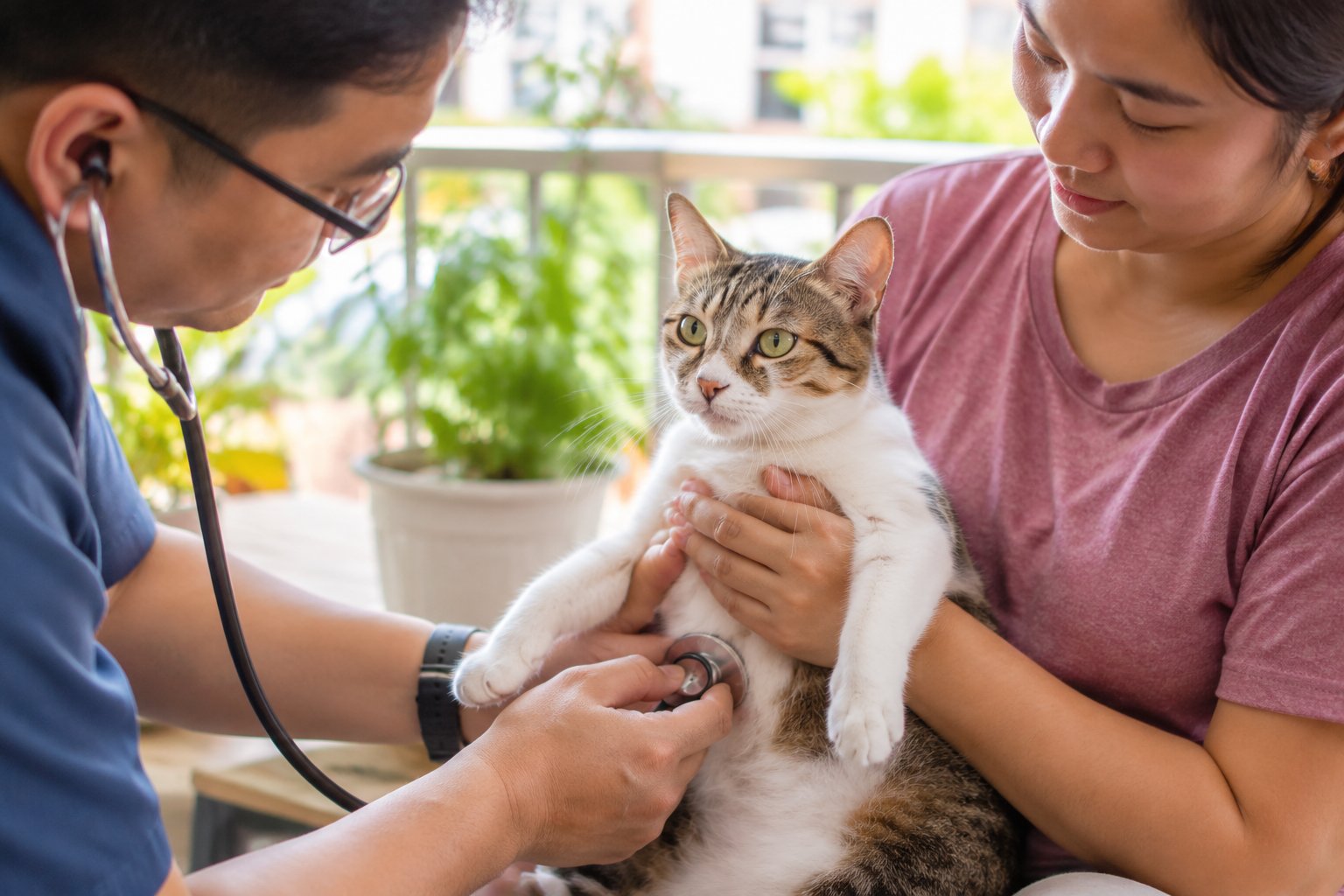
Routine vet visits are essential for prevention. Your vet can assess body condition, check joints for pain or swelling, and screen for underlying diseases. In Malaysia, annual check-ups are recommended for adult cats, and twice-yearly for seniors (over 7 years).
During the exam, ask your vet to demonstrate paw and nail care, and discuss any concerns about mobility. Keep a record of your cat's weight and body condition score to track changes over time.
8. When to see a vet
Seek veterinary attention if your cat shows any of the following:
- Sudden inability to bear weight on a limb.
- Limping that persists for more than 24 hours.
- Swelling, heat, or obvious deformity in a limb.
- Crying out when moving or being touched.
- Limping accompanied by lethargy, loss of appetite, or vomiting.
- Any sign of pain that concerns you.
Do not give human painkillers to cats—many are toxic. Only use medications prescribed by your vet.
Comparison table: risk factors and prevention strategies
| Risk factor | How it contributes to limping | Prevention strategy |
|---|---|---|
| Obesity | Increases joint load, accelerates arthritis | Measure food, limit treats, encourage activity |
| High jumps | Causes sprains, fractures, joint strain | Provide ramps, soft landing spots, block high access |
| Overgrown nails | Curl into paw pad, causing pain | Trim nails every 2–4 weeks |
| Paw injuries | Cuts, thorns, infections | Weekly paw checks, clean outdoor paws |
| Slippery floors | Slips and falls, muscle strains | Use rugs or mats on tiled areas |
| Untreated arthritis | Progressive joint damage | Early vet diagnosis, weight control, joint support |
| Outdoor hazards | Trauma, fights, accidents | Supervise outdoor time, secure balconies |
Practical examples for Malaysian homes
Kuala Lumpur apartment: A cat living on the 10th floor may be safe from traffic, but balconies and windows must be secured with sturdy netting. Provide vertical space with cat trees and ramps to reduce risky jumps onto tiled floors. Use non-slip mats in play areas.
Johor terrace house: With a garden, cats may go outdoors. Check paws after outdoor time for burrs and cuts. Ensure fences are secure to prevent roaming and fights. Provide soft bedding indoors and avoid letting cats jump from high walls.
Local resources
For pet health information and welfare advice, consult:
- Department of Veterinary Services Malaysia: https://www.dvs.gov.my/
- SPCA Selangor: https://www.spca.org.my/
- Malaysian Veterinary Council: https://mvc.gov.my/
Conclusion
Preventing limping in cats is largely about proactive care: keeping your cat lean, maintaining paw health, creating a safe environment, and recognising early signs of pain. By following these strategies, you can help your cat stay mobile and comfortable for years to come.
Disclaimer: This article is for informational purposes only and does not replace professional veterinary advice. Always consult a licensed veterinarian for diagnosis and treatment of your cat's health issues.
Related reading
- Cat Health Guide Malaysia: Symptom Check, Red-Flag Triage & When to See a Vet
- Cat Arthritis Treatment in Malaysia: A Practical Owner's Guide
- How to Treat Arthritis in Cats at Home: A Practical Guide for Malaysian Owners
- Anemia in Cats: Causes, Signs and Care (Malaysia Guide)
- Anemia in Cats in Malaysia: Signs, Causes, and What to Do
- Anemia Prevention for Cats: A Practical Guide for Malaysian Owners
- Arthritis in Cats: Causes and Care (Malaysia Guide)
- Arthritis in Cats in Malaysia: Signs, Diagnosis and Home Care
- Arthritis Prevention for Cats: A Practical Malaysian Guide
- Bad Breath in Cats in Malaysia: Causes, Home Checks and When to Worry
- Bad Breath Prevention for Cats: A Practical Guide for Malaysian Owners
- Blood Test for Cats in Malaysia: What It Checks, Costs and When You Need One

