
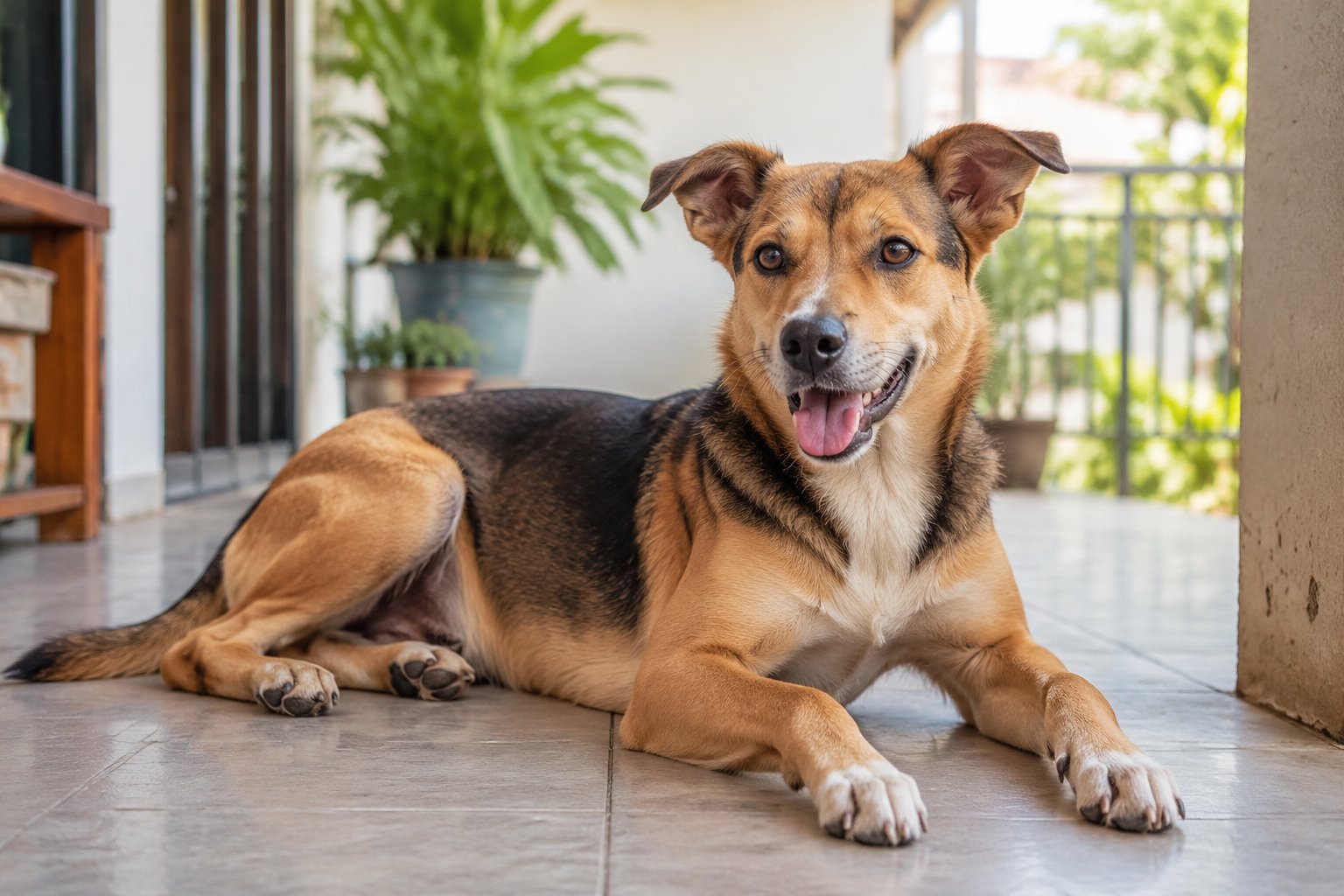
Why dog toys matter
Dog toys are more than just fun—they are essential for your dog's physical and mental health. They provide outlets for natural behaviours like chewing, chasing and problem-solving, help prevent destructive behaviour, and strengthen the bond between you and your pet. In Malaysia, where many dogs live in apartments or terraced houses with limited outdoor space, toys can be particularly valuable for burning energy and keeping dogs engaged when walks are limited by rain or heat.
This guide will help you navigate the wide world of dog toys available in Malaysia, from chew toys to puzzle toys, and give you practical tips on choosing safe, durable options that suit your dog's needs.
Understanding your dog's needs
Before you buy any toy, consider your dog's age, size, breed and chewing style. A toy that is perfect for a Chihuahua may be dangerous for a Rottweiler. Puppies have different needs than seniors, and strong chewers can destroy flimsy toys in minutes.
Size and breed
Small breeds and puppies need smaller, lighter toys that are easy to carry and chew. Large breeds need bigger, tougher toys that won't be swallowed. Herding breeds often enjoy toys they can chase and herd, while terriers may prefer toys they can shake and "kill."
Chewing style
Dogs are often classified as gentle, moderate or strong chewers. Gentle chewers can enjoy plush toys and softer rubber. Moderate chewers need durable rubber or nylon. Strong chewers require tough, heavy-duty toys designed for power chewers. Always supervise even the toughest toys, as no toy is indestructible.
Age and health
Puppies are teething and need soft chew toys to soothe their gums. Senior dogs may have dental issues and prefer softer toys. Dogs with arthritis may benefit from low-impact toys like treat-dispensing puzzles rather than high-energy fetch toys.
Types of dog toys
There are several categories of dog toys, each serving a different purpose. A well-rounded toy collection includes a mix of types.
Chew toys
Chew toys satisfy your dog's natural urge to chew and can help clean teeth and massage gums. They come in rubber, nylon, rope and natural materials. Look for toys that are appropriately sized and have some give—very hard toys can crack teeth. Avoid antlers and hooves if your dog is a strong chewer, as they can cause fractures.
Interactive and puzzle toys
Puzzle toys challenge your dog's mind and slow down fast eaters. They often involve hiding treats inside compartments that your dog must manipulate to access. These are excellent for mental stimulation and can be used during meals or as a boredom buster.
Fetch and fetch toys
Balls and flying discs are great for exercise. Choose balls that are the right size—too small and they can be swallowed, too large and they may be hard to carry. Tennis balls are popular but can wear down teeth if used excessively. Rubber balls designed for dogs are a better choice.
Plush and comfort toys
Plush toys are soft and cuddly, often used for comfort and gentle play. They are not suitable for strong chewers, as the stuffing can be ingested. Some dogs enjoy carrying a plush toy around like a baby.
Tug toys
Tug toys, often made of rope or fleece, are great for interactive play between you and your dog. Tugging is a natural behaviour and can be a fun game, but it should be played with rules to avoid injury. Avoid tugging with puppies whose teeth are still developing.
Water toys
If your dog enjoys swimming, floating toys are great for pool or beach play. In Malaysia, many dogs love the water, but always supervise and rinse toys after saltwater or chlorinated water exposure.
Choosing safe toys
Safety should be your top priority when selecting dog toys. Here are key factors to consider.
Material safety
Look for toys made from non-toxic materials. Avoid toys with strong chemical smells, which may indicate harmful substances. Natural rubber, food-grade silicone and untreated rope are good choices. Avoid toys with lead-based paints or small plastic parts that can be chewed off.
Size appropriateness
A toy should be large enough that your dog cannot swallow it whole. A common rule is that the toy should be larger than your dog's mouth. For ball toys, choose a diameter that is too big to fit entirely in the mouth.
Durability and construction
Check for sturdy construction: seams should be tight, squeakers should be securely enclosed, and there should be no loose parts. Strong chewers need toys made from tough materials like heavy-duty rubber or nylon. Avoid toys with small holes where a dog's jaw could get stuck.
Supervision
No toy is completely indestructible. Always supervise your dog with new toys until you are confident they are safe. Remove toys that show signs of wear, such as cracks, tears or missing pieces.
Toy safety checklist
Use this checklist before giving your dog any toy:
- Toy is the right size for your dog (not small enough to swallow)
- Material is non-toxic and free from strong chemical odours
- No small parts that can be chewed off and swallowed
- Squeaker is securely enclosed (if present)
- Toy is appropriate for your dog's chewing strength
- Toy is easy to clean and dry
- No sharp edges or exposed wires
- Toy is not a repurposed household item that could splinter or break
Toys for different life stages
Puppies
Puppies explore the world with their mouths and are often teething. Provide soft rubber chew toys, puppy-safe plush toys and small puzzle toys. Avoid hard nylon chews that can damage baby teeth. Always supervise.
Adult dogs
Adult dogs need a variety of toys for physical and mental exercise. Rotate toys to prevent boredom. Include chew toys, puzzle toys and interactive toys for playtime with you.
Senior dogs
Senior dogs may have reduced energy and dental issues. Choose softer toys, low-impact puzzles and comfortable plush toys. Avoid intense tug games if your dog has joint problems.
Enrichment and mental stimulation
Toys are a key part of environmental enrichment. They can help reduce boredom, anxiety and destructive behaviour. Here are some ways to use toys for enrichment:
- Food puzzles: Use puzzle toys to feed meals, slowing down eating and engaging the brain.
- Treasure hunts: Hide treats around the house and let your dog sniff them out.
- Rotation: Keep a selection of toys and rotate them weekly to keep them novel.
- DIY toys: Create simple toys from cardboard boxes, paper and safe household items.
- Interactive play: Use tug toys and fetch toys to bond with your dog.
Toys and the Malaysian climate
Malaysia's hot and humid climate affects toy choice and maintenance. Here are some considerations:
- Mould and bacteria: Toys that stay damp can grow mould. Choose toys that dry quickly and clean them regularly. Fabric toys should be dried in direct sunlight.
- Outdoor toys: UV exposure can degrade plastic and rubber over time. Store outdoor toys in a shaded area when not in use.
- Heat: Avoid leaving toys in direct sun, as they can become hot and burn your dog's paws or mouth.
- Rainy season: Have indoor toys ready for days when walks are cancelled due to rain. Puzzle toys and chew toys are great for indoor enrichment.
Where to buy dog toys in Malaysia
Dog toys are widely available in Malaysia from pet stores, online marketplaces and veterinary clinics. When shopping, look for reputable brands and check for safety certifications. Local pet shops may carry a range of imported and local brands. Online shopping offers convenience but be sure to read reviews and check sizing carefully. Prices vary, so compare options and ask your local retailer for recommendations.
Comparison table: toy types at a glance
| Toy type | Best for | Key safety notes | Maintenance |
|---|---|---|---|
| Chew toys (rubber/nylon) | Moderate to strong chewers | Choose appropriate hardness; avoid very hard materials that can crack teeth | Wash with soap and water; inspect for cracks |
| Puzzle toys | Mental stimulation, slow feeding | Ensure no small parts can be chewed off | Rinse and dry after use |
| Fetch balls | Exercise, fetch games | Size must be too large to swallow | Wipe clean; replace if worn |
| Plush toys | Gentle play, comfort | Not for strong chewers; supervise to prevent ingestion of stuffing | Machine wash gentle; dry thoroughly |
| Tug toys (rope/fleece) | Interactive play | Play with rules; avoid tugging with puppies | Wash and dry; replace if frayed |
| Water toys | Swimming, water play | Rinse after saltwater/chlorine exposure | Rinse and dry |
Common toy-related hazards and how to avoid them
Even safe toys can pose risks if misused. Watch out for these hazards:
- Choking: Small toys or broken pieces can lodge in the throat. Choose appropriate sizes and inspect regularly.
- Intestinal blockage: Swallowed pieces of toy, rope or stuffing can cause serious blockages requiring surgery. Supervise and remove damaged toys immediately.
- Dental damage: Very hard toys can fracture teeth. Avoid antlers, hooves and hard nylon if your dog is a strong chewer.
- Eye injuries: Sharp edges or protruding parts can injure eyes. Smooth out or discard damaged toys.
- Allergic reactions: Some dogs may be sensitive to certain materials or dyes. Watch for signs of irritation.
When to see a vet
If your dog has swallowed a toy or piece of toy, or is showing signs of choking (gagging, pawing at mouth, difficulty breathing), seek veterinary care immediately. Other signs that warrant a vet visit include vomiting, diarrhoea, lethargy, abdominal pain, loss of appetite or changes in behaviour after playing with a toy. Additionally, if you notice bleeding gums, broken teeth or oral pain, have your dog examined by a veterinarian. Always consult your vet if you are unsure about a toy's safety for your dog's specific health condition.
Building a toy collection on a budget
You don't need to spend a lot to provide your dog with enriching toys. Here are some budget-friendly ideas:
- Rotate toys: Instead of buying many toys, rotate a smaller collection to keep them novel.
- DIY toys: Make simple toys from household items like cardboard boxes, paper bags and old fleece blankets (cut into strips and braided).
- Multi-use toys: Some puzzle toys can be used for both treats and meals.
- Shop sales: Look for discounts at local pet stores and online.
- Consider subscription boxes: Some services offer monthly toy deliveries, though this may be more expensive.
Conclusion
Choosing the right dog toys in Malaysia is about matching your dog's size, chewing habits and play style with safe, durable options. By providing a variety of toys and rotating them, you can keep your dog mentally and physically stimulated, reduce boredom and strengthen your bond. Always prioritise safety, supervise play and consult your veterinarian if you have concerns about your dog's health or behaviour.
Disclaimer: This article is for informational purposes only and does not replace professional veterinary advice. Always consult a licensed veterinarian for health-related concerns about your dog.
Related reading
- Dog Guide Malaysia: A Complete Owner's Handbook for New and Experienced Owners
- Dog Care Guide Malaysia: Feeding, Grooming, Health & Daily Routine
- Dog Food for Dogs: A Complete Feeding Guide for Malaysian Owners
- Best Flea Treatment for Dogs in Malaysia: How to Choose (2025 Guide)
- Best Dog Food in Malaysia: A Practical Guide for Dog Owners
- Best Dog Training Basics for Dogs in Malaysia: A Practical Guide
- Crate Training for Dog Owners in Malaysia: A Complete Guide
- Crate Training for Dogs in Malaysia: A Practical, Humane Guide
- Dog Dental Care for Dogs: A Malaysia Guide
- Dog Exercise Needs for Dog Owners in Malaysia: A Practical Guide
- Dog Fleas in Malaysia: A Complete Guide for Dog Owners