The short answer
Feed a complete food labelled for puppies or growth, give small meals three to four times a day until about four to six months, then twice daily. Measure portions by weight, keep fresh water available, limit treats to about a tenth of daily calories, and ask a Malaysian vet for a portion plan.
That is the whole job in one paragraph. The rest of this guide explains why each part matters, how to handle the common problems Malaysian owners run into, and when a puppy needs to see a vet rather than a new food.
Why puppy food is different from adult food
A puppy is not a small adult dog. Growth is a period of rapid bone, muscle and organ development, and the food has to supply the right building blocks in the right proportions.
The two nutrients that matter most in this stage are calcium and phosphorus, and crucially their ratio. Too little calcium harms bone development; too much can also cause problems, especially in large and giant breeds that grow fast. A food formulated for growth has these minerals balanced for that purpose. An adult maintenance food does not, even if the kibble looks similar.
Puppy diets are also more energy-dense, with higher protein and fat to support growth, and are fortified with appropriate levels of vitamins and trace minerals. That is why the label matters more than the marketing on the front of the bag.
What to look for on the label
- A statement that the food is complete and balanced for growth or all life stages, following a recognised nutrient profile.
- A named animal protein source near the top of the ingredient list.
- A clear feeding guide by body weight, plus a contact route for the manufacturer.
- A best-before date and a batch code.
Ignore claims like "natural", "premium" or "human grade" as your main guide. They say little about nutritional adequacy. The adequacy statement is the part that tells you the food can actually support a growing dog.
How much to feed: start with the bag, then adjust
Feeding guides on the packaging are a starting point, not a prescription. They are based on average puppies, and your puppy is not average.
Use this routine:
- Weigh your puppy weekly on the same scale, ideally in the morning before a meal.
- Check the bag guide for that weight and age.
- Measure the food with a kitchen scale or a proper measuring cup, not a mug or a scoop-and-guess.
- Feed that amount for a week, then look at body condition.
- Adjust by roughly ten percent up or down and reassess weekly.
Body condition check you can do at home
Run your hands along your puppy's sides with gentle pressure. You should feel the ribs easily under a thin layer of fat, see a visible waist behind the ribs when viewed from above, and see a slight tuck-up of the belly from the side. A puppy that looks like a sausage needs less food; one with sharply visible ribs and spine needs more, and a vet check.
Puppies should look lean and growing, not round. Extra weight on a growing large-breed puppy puts strain on developing joints.
Meal frequency by age
| Age | Meals per day | Notes |
|---|---|---|
| 6 to 12 weeks | 4 | Small meals; keep water available between meals |
| 3 to 4 months | 3 to 4 | Reduce gradually as the stomach capacity grows |
| 4 to 6 months | 3 | Watch for hunger between meals and adjust portion, not frequency |
| 6 to 12 months | 2 | Most puppies settle here |
| After growth finishes | 2 | Switch to an adult diet on your vet's advice |
Small and toy breeds can be prone to low blood sugar if they go too long without food, so more frequent small meals suit them. Large and giant breeds grow over a longer period and may stay on growth diets well past twelve months; ask your vet when to switch.
Choosing a puppy food: a practical comparison
| Format | Strengths | Watch-outs |
|---|---|---|
| Dry kibble | Convenient, economical, easy to measure, helps with chewing | Some puppies find large kibble hard; check it is puppy-formulated |
| Wet food | Palatable, adds water, good for fussy or small puppies | Higher cost per calorie; check it is complete, not a topper |
| Mixed dry and wet | Variety and hydration | Easy to overfeed; count total calories, not just the dry portion |
| Fresh-cooked or raw | Owner control over ingredients | Hard to balance at home; needs a vet or board-certified nutritionist to formulate |
If you want to feed a home-cooked or raw diet, get the recipe formulated properly. Unbalanced homemade diets are a common cause of growth problems, and the risk is highest in large-breed puppies.
Switching foods without an upset stomach
Puppies have sensitive guts, and sudden changes are a common cause of loose stools. Transition over about seven days:
- Days 1 to 2: about three-quarters old food, one-quarter new food.
- Days 3 to 4: half and half.
- Days 5 to 6: one-quarter old, three-quarters new.
- Day 7: all new food.
Slow down if stools loosen. If diarrhoea lasts more than a day, contains blood, or comes with vomiting, lethargy or refusal to eat, see a vet rather than pushing through the transition.
Water, treats and the things puppies should not eat
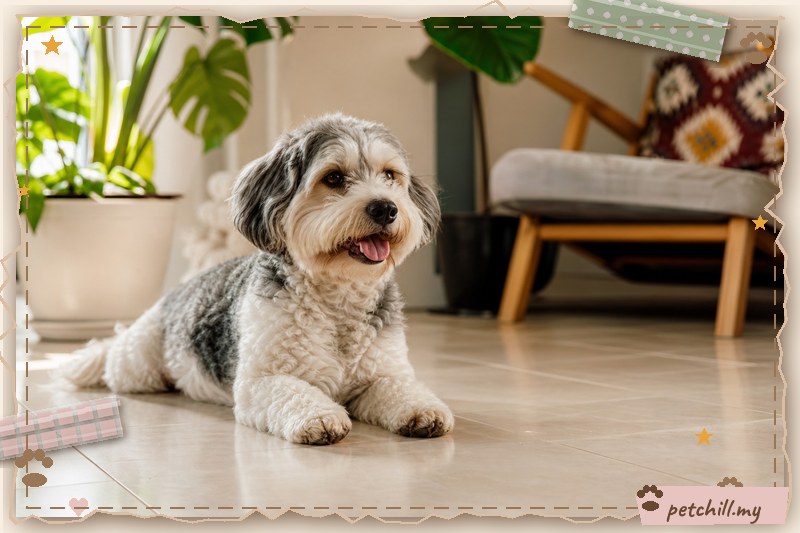
Fresh clean water should be available at all times, in a bowl that is easy for a puppy to reach. Wash bowls daily, especially in warm, humid weather when bacteria multiply quickly.
Treats are useful for training but easy to overdo. Keep them to roughly ten percent of daily calories and subtract them from meals. Small pieces of the puppy's own kibble work well for training and keep the diet balanced.
Foods to keep away from puppies:
- Chocolate and anything containing caffeine.
- Grapes and raisins.
- Onions, garlic, chives and leeks.
- Macadamia nuts.
- Xylitol, a sweetener found in sugar-free gum, some peanut butters and baked goods.
- Cooked bones, which can splinter.
- Fatty table scraps, which can trigger pancreatitis.
- Alcohol and mouldy food.
If your puppy eats any of these, contact a vet straight away rather than waiting for symptoms.
Common feeding problems and what to do
The puppy wolfs food and then vomits. Feed smaller, more frequent meals, use a slow-feeder bowl, and separate puppies if you have a litter. Persistent vomiting after meals needs a vet check.
The puppy is fussy and walks away from the bowl. Remove the bowl after about fifteen to twenty minutes and offer food again at the next scheduled meal. Avoid topping with treats, which teaches the puppy to hold out for better options. If appetite drops sharply or comes with lethargy, see a vet.
The puppy eats droppings. This is common and usually behavioural, but it can also reflect an unbalanced diet or boredom. Keep the yard clean, pick up promptly, and discuss diet and enrichment with your vet.
The puppy has soft stools on every food. Rule out parasites and illness with a vet first, then discuss fibre levels and protein sources. Repeated food-hopping without a plan makes it harder to identify the cause.
The puppy seems hungry all the time. Check the portion against weight and body condition before increasing. Some puppies genuinely need more as they grow; others are simply food-motivated and will eat anything offered.
Feeding routines that fit Malaysian homes
A predictable routine helps with house training and digestion. Two examples:
- Kuala Lumpur apartment: a puppy in a high-rise has limited outdoor space, so scheduled meals and toilet trips go together. Feed at set times, take the puppy out or to a puppy pad shortly after each meal, and keep the food bowl away from the balcony door so the puppy is not distracted by outside noise. Store the food bag sealed in a cool, dry cupboard, not next to the washing machine or in a humid bathroom.
- Johor terrace house: with a yard, puppies often get more free-running exercise, and some owners leave food down all day. Avoid free-feeding if you can, because it makes portions impossible to track and attracts ants and rodents. Feed measured meals, then pick up the bowl, and store dry food in an airtight container off the floor.
In Penang's rainy season, bowls left outside fill with water and kibble turns soggy fast. Feed indoors or under cover, and discard any food that has been sitting out wet.
Storing puppy food properly
Dry food degrades with heat, humidity and air. Keep the original bag inside an airtight container, use it within the period stated on the packaging after opening, and do not mix old and new bags. Wash the container between bags. In a hot, humid climate, a sealed container in a cool cupboard is better than a bag left open in the kitchen.
Wet food that has been opened should be refrigerated and used within the time stated on the can or pouch, and never left out in the heat.
Growth, weight and when to change to adult food
Growth rate varies enormously by breed. Small breeds may finish growing by nine to twelve months; large and giant breeds can keep growing for eighteen months or more. Rather than switching on a birthday, ask your vet to assess your puppy's growth and body condition, then plan the change to adult food.
When you do switch, use the same seven-day transition and reduce the portion to match the adult food's energy density, which is often lower than puppy food.
When to see a vet
Contact a veterinarian promptly if your puppy:
- Refuses food for more than a day, or shows a sudden drop in appetite with lethargy.
- Has diarrhoea lasting more than a day, or diarrhoea with blood or vomiting.
- Vomits repeatedly, or vomits after every meal.
- Looks bloated, retches without producing anything, or has a hard, painful abdomen.
- Loses weight or fails to gain weight despite eating well.
- Eats something toxic, a bone, or a foreign object.
- Has pale gums, weakness, collapse or seizures.
- Shows lameness or joint swelling during growth, especially in a large breed.
Bring the food label, the amount you feed and your puppy's weight history to the appointment. That information helps the vet far more than a description alone.
A simple weekly checklist
- Weigh the puppy and record it.
- Check body condition by hand.
- Confirm meals per day match age.
- Measure portions rather than estimating.
- Count treats and subtract from meals.
- Wash bowls and refresh water.
- Check food stock for date and storage condition.
- Note any stool changes or fussy eating.
Bottom line
Good puppy feeding is not complicated: a complete growth diet, measured portions, a consistent schedule, clean water, limited treats and regular weight checks. Adjust as the puppy grows, transition foods slowly, and let a vet guide the switch to adult food and any supplement decision. If something changes suddenly, treat it as a health question first and a food question second.
This article is general information for dog owners and is not a substitute for veterinary advice. Feeding amounts, diet choice and any supplements should be confirmed with a licensed veterinarian who has examined your puppy.
Related reading
- Dog Guide Malaysia: A Complete Owner's Handbook for New and Experienced Owners
- Dog Care Guide Malaysia: Feeding, Grooming, Health & Daily Routine
- Best Dog Food Brands in Malaysia: How to Choose Well (2025 Guide)
- Best Dry Dog Food in Malaysia: How to Choose by Ingredients, Age and Lifestyle
- Best Puppy Food for Dogs in Malaysia: A Practical Buying Guide
- Dog Food Malaysia: How to Pick the Right Bag for Your Dog (2026 Guide)
- Puppy Food for Dogs in Malaysia: A Complete Feeding Guide
- Alpo Dog Food: What Malaysian Owners Should Know Before Buying
- Crate Training for Dog Owners in Malaysia: A Complete Guide
- Crate Training for Dogs in Malaysia: A Practical, Humane Guide
- Dog Food Allergies for Dog Owners in Malaysia: A Practical Guide
- Dog Food for Dogs: A Complete Feeding Guide for Malaysian Owners