
Bengal
Bengal · Cat · Malaysia
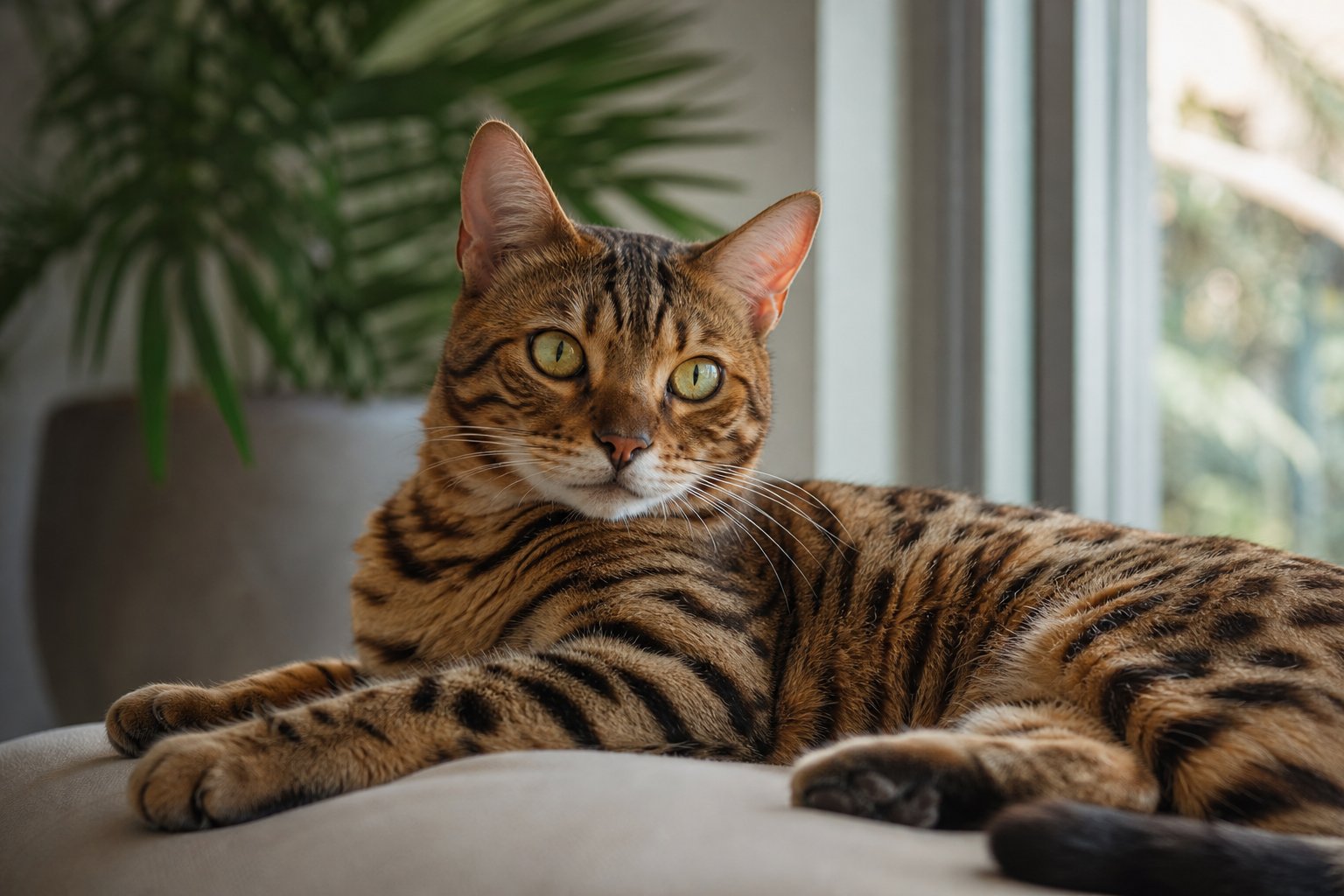
Quick answer
A Bengal suits active Malaysian homes that can offer daily play, climbing space and a cool indoor retreat. They are energetic, clever cats that need grooming, training and vet checks, and they do best kept safely indoors away from heat and traffic.
Quick facts
- Origin
- United States
- Size
- Medium
- Lifespan
- 12-16 years
- Weight
- Not documented
- Coat
- Short, spotted or marbled coat
- Price guidance
- Ask local breeders for a current quote; prices vary with papers, colour, size and availability.
Personality
- Energetic
- Curious
- Confident
- Playful
- Vocal
Bengals are striking, high-energy cats with spotted coats and a curious, busy mind. In Malaysia's hot, humid climate they do best as indoor companions with shade, airflow and plenty of interactive play. This guide covers everyday care for Bengal owners living in apartments, condos and landed homes.
Temperament: What Living With a Bengal Is Like
Bengals are typically confident, playful and intensely curious cats. Many enjoy climbing, investigating cupboards and following their people from room to room. They are often described as dog-like in their need for interaction, and some learn to fetch or walk on a harness. Boredom can lead to mischief, so plan for daily engagement rather than leaving them alone for long stretches. In Malaysian homes, this energy needs an outlet indoors because open windows and balconies carry real risks. They can be vocal and demanding when they want attention or play. Early socialisation helps them settle with guests, children and other pets. Expect a lively household rather than a quiet ornament.
Daily Life in a Malaysian Home
Set up a cool, shaded indoor area with good airflow and fresh water so your Bengal stays comfortable on hot, humid Malaysian days. Apartments and condos work well if you use vertical space: cat trees, wall shelves and window perches give climbing outlets without floor area. Keep windows screened and balconies secured, since Bengals are agile escape artists. Air-conditioning is useful during the hottest afternoons, but provide a choice of warm and cool spots. Humidity can make the coat feel sticky, so wipe it down when needed. Establish a predictable routine of play, meals and rest. If you travel, arrange a trusted sitter rather than leaving food out for days.
Grooming for Humid Weather
The Bengal coat is short and often described as low maintenance, but it still benefits from regular attention. Comb the coat regularly to clear loose hair and keep the skin healthy. In Malaysia's humidity, check for tangles and wipe the coat down if it feels sticky. Weekly sessions are usually enough, and more frequent brushing helps during shedding periods. Check ears, eyes and paws as part of the routine, and trim nails when they grow long. Bathing is rarely needed unless your cat gets into something messy; use a cat-safe product and dry thoroughly afterwards. Watch for skin irritation in humid conditions and mention any persistent redness or scratching to your vet.
Exercise and Enrichment Indoors
Bengals need real exercise, not just a toy waved occasionally. Aim for several short interactive play sessions each day using wand toys, puzzle feeders and fetch games. Rotate toys so novelty stays high. Vertical climbing is essential: tall cat trees, shelves and secured window perches let them burn energy safely indoors. Some owners train Bengals to walk on a harness, but do this in cool hours and avoid hot pavement. In Malaysian apartments, a screened balcony or catio can add safe outdoor time if properly secured. Food puzzles and clicker games provide mental work. Without enough stimulation, Bengals may become vocal, restless or destructive, so treat enrichment as a daily necessity.
Training a Clever Cat
Bengals respond well to positive reinforcement, short sessions and clear timing. Use treats or play as rewards and keep lessons brief, ending while your cat is still interested. Start with simple behaviours such as coming when called, sitting and using a scratching post. Clicker training works well for many Bengals because it marks the exact moment they get it right. Consistency matters more than long sessions. Avoid punishment, which damages trust and rarely solves the behaviour. Redirect scratching and climbing to appropriate furniture rather than simply saying no. Litter training is usually straightforward, but keep the box clean and placed away from noisy areas. Mental training also helps reduce boredom in condo living.
Feeding a Bengal in a Hot Climate
Feed a complete, balanced cat diet suited to your Bengal's age and activity level. Many owners use a mix of wet and dry food, with wet food supporting hydration in Malaysia's warm weather. Fresh water should be available at all times, and some cats drink more from a fountain. Measure portions and adjust based on body condition rather than free-feeding, since Bengals can become overweight if under-exercised. Treats should be small and occasional. Avoid sudden diet changes; transition gradually over several days. If your cat has a sensitive stomach, keep notes and discuss options with your vet. Never feed human foods that are unsafe for cats, and store food properly in humid conditions.
Health and Vet Care in Malaysia
No specific health risks are listed for this breed, so watch for changes in appetite, weight, breathing or litter habits and see a vet early. Regular check-ups help catch problems sooner, and your local vet can advise on vaccinations, parasite prevention and dental care suited to Malaysia's climate. Keep a health record and note any changes in behaviour. Because Bengals are active, check for injuries after jumping or climbing. Humidity can encourage skin and ear issues, so inspect these during grooming. If you notice persistent vomiting, diarrhoea, lethargy or difficulty breathing, seek veterinary advice promptly. Avoid self-diagnosing from internet sources and follow your vet's guidance.
Obesity and weight gain
Watch for: A thickening waist, reluctance to jump, or reduced play interest.
Care: Measure portions, use puzzle feeders and keep daily play sessions consistent.
Dental disease
Watch for: Bad breath, drooling, dropping food or chewing on one side.
Care: Ask your vet about dental checks and brush teeth with cat-safe products.
Skin and ear irritation in humid weather
Watch for: Scratching, redness, sticky coat or head shaking.
Care: Groom regularly, keep bedding dry and have persistent irritation checked by a vet.
Choosing a Bengal for Your Home
Before choosing a Bengal, assess whether your household can meet their energy and attention needs. They suit owners who enjoy daily play and training, and who can keep them safely indoors. In Malaysian apartments and condos, confirm that pets are allowed and plan vertical space and secure screens. Meet the cat or kitten in person where possible and ask about health records, socialisation and living conditions. A calm, curious kitten that tolerates handling is a good sign. Consider adopting from a rescue or rehoming situation as well as approaching established breeders. Ask about diet, vaccination history and any known sensitivities, and budget for routine vet care.
Caring in Malaysia
- Set up a cool, shaded indoor area with good airflow and fresh water so your Bengal stays comfortable on hot, humid Malaysian days.
- Comb the coat regularly to clear loose hair and keep the skin healthy; wipe the coat down if it feels sticky in humid weather.
- No specific health risks are listed, so watch for changes in appetite, weight, breathing or litter habits and see a vet early.
Frequently asked questions
Are Bengals suitable for apartments in Malaysia?
Yes, Bengals can live well in apartments if their energy is managed indoors. Provide tall cat trees, shelves, screened windows and daily interactive play. Secure balconies and keep doors closed, because Bengals are agile and curious. A cool, shaded area with airflow helps them cope with the hot, humid climate.
How much exercise does a Bengal need each day?
Bengals need several short play sessions every day, not one quick game. Aim for interactive play with wand toys, fetch and puzzle feeders, plus climbing opportunities. Rotate toys and use food puzzles to keep their mind busy. Without enough activity, they may become vocal or destructive indoors.
Do Bengals need much grooming?
Bengals are relatively low-maintenance but still need regular grooming. Comb the coat to remove loose hair and keep the skin healthy, and wipe the coat if it feels sticky in humid weather. Check ears, eyes and nails weekly. Bathing is rarely needed unless your cat gets dirty.
What should I feed my Bengal in Malaysia's climate?
Feed a complete, balanced cat diet with wet food to support hydration in warm weather. Keep fresh water available and measure portions to prevent weight gain. Use treats sparingly and transition foods gradually. Avoid unsafe human foods and store food properly in humid conditions. Ask your vet for advice tailored to your cat.
Are Bengals good with children and other pets?
Many Bengals are sociable and can do well with children and other pets when introduced carefully. Their playful energy suits active households, but young children should be taught gentle handling. Early socialisation helps. Supervise interactions and provide escape routes and quiet spaces so the cat can retreat when needed.
How do I keep my Bengal cool in hot, humid weather?
Provide a cool, shaded indoor area with good airflow and fresh water. Use air-conditioning during the hottest hours and offer several resting spots, including cool floor surfaces. Avoid hot pavement during harness walks and never leave your cat in a car. Watch for heavy panting or lethargy and contact your vet if concerned.
Related breeds
Cat breed guides →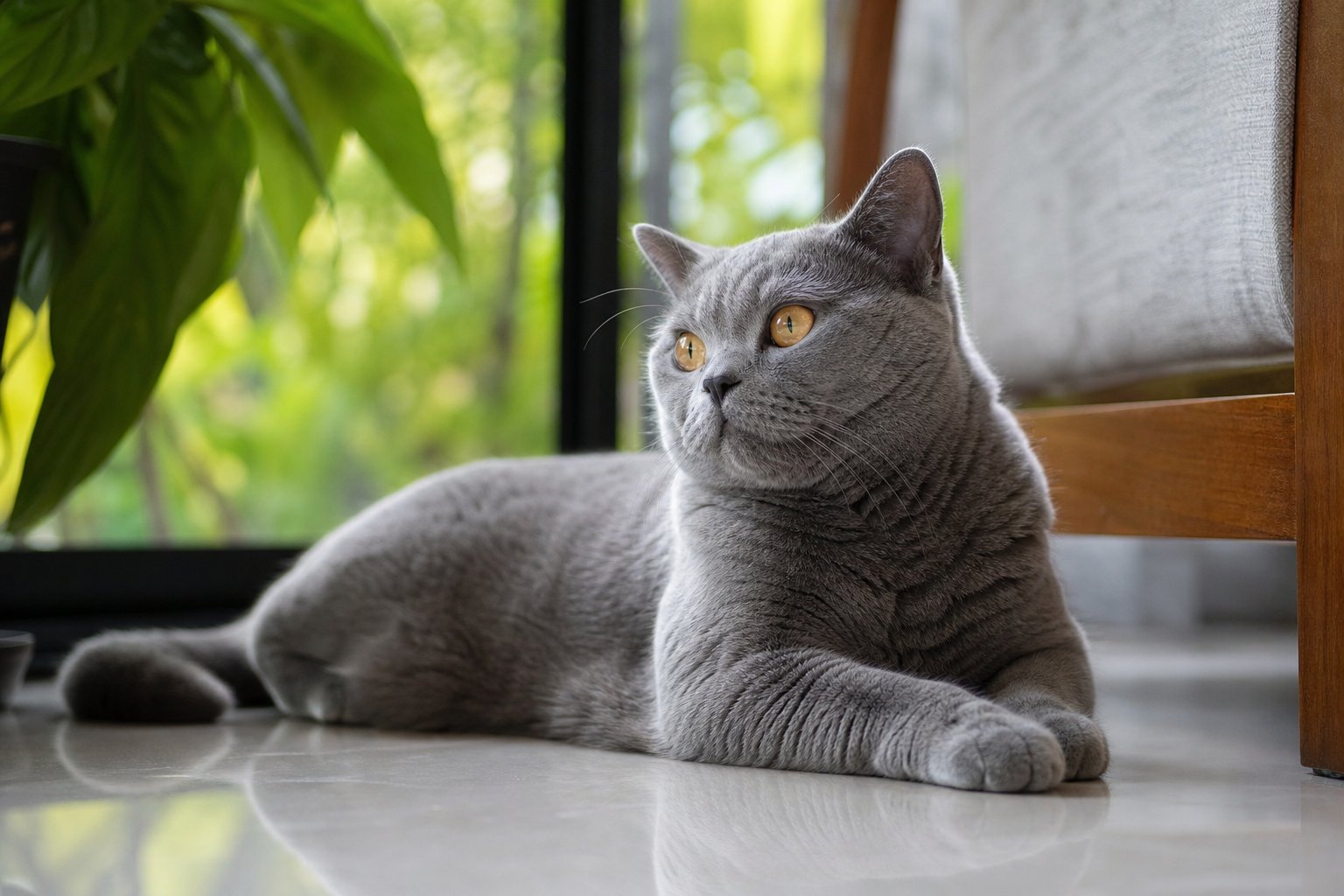
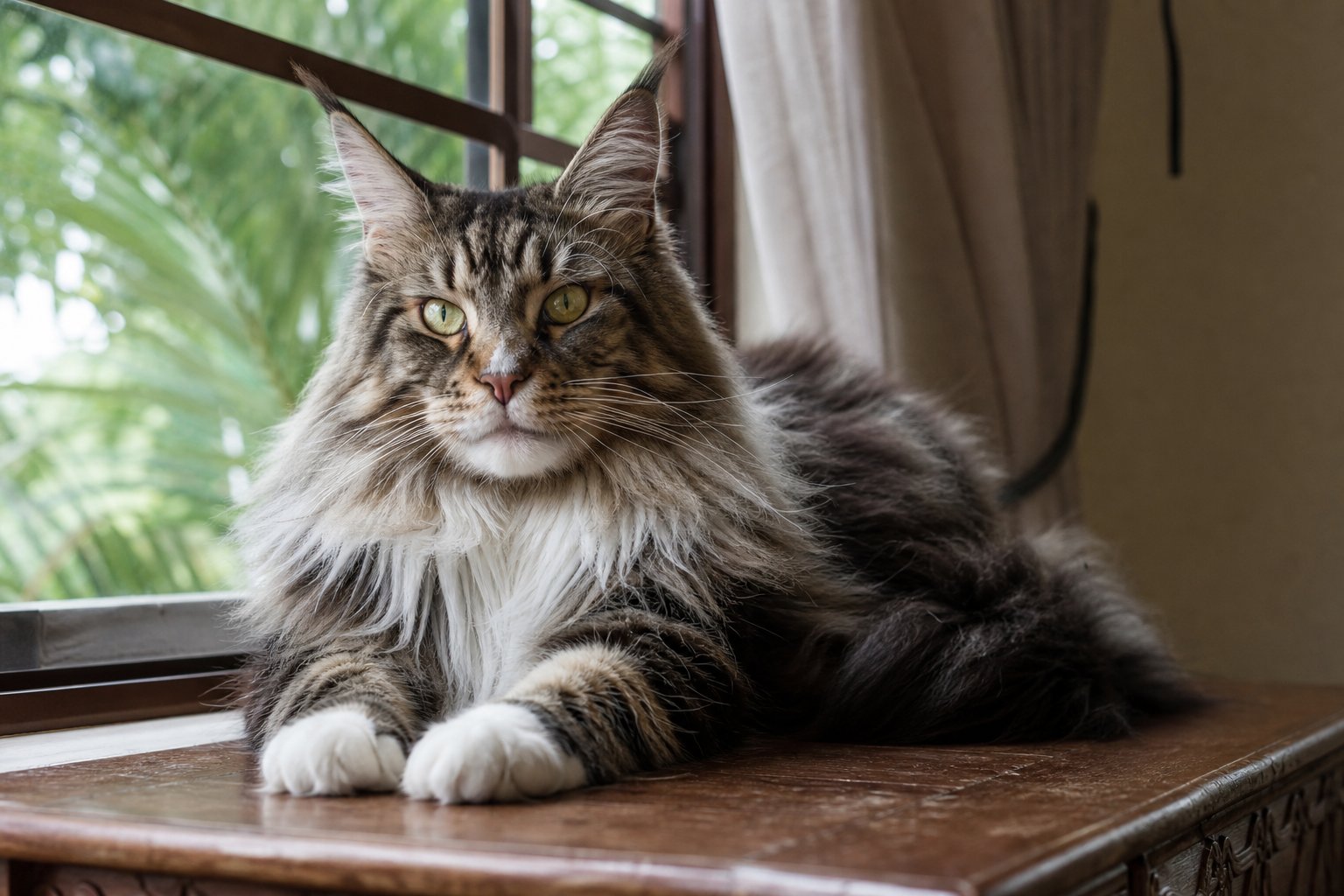
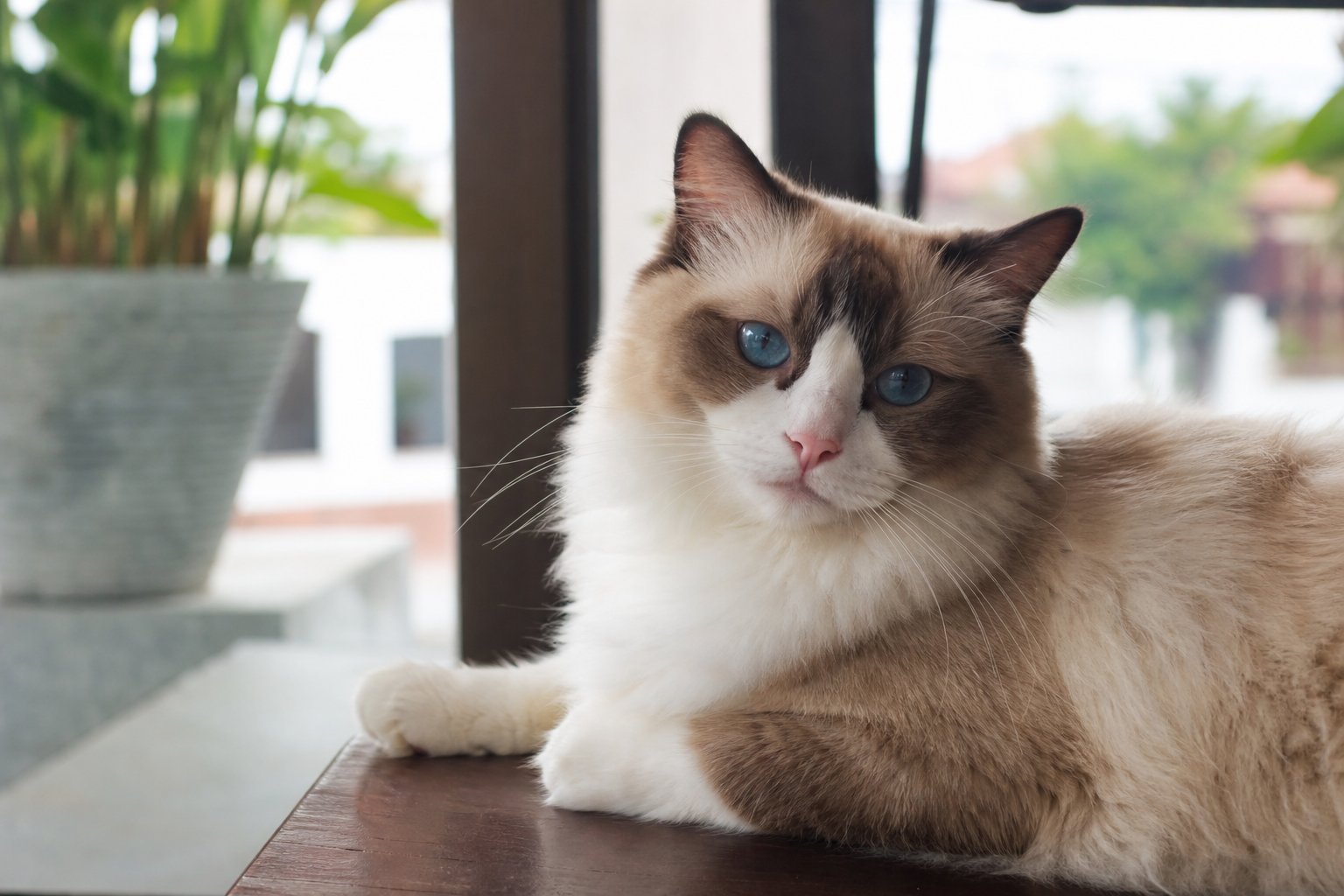
Related articles
- Bengal Cat Guide Malaysia: Personality, Energy Needs and Health Care
Bengal cats are striking, muscular and famously energetic. This guide explains what they need in a Malaysian home, from wall shelves in a Kuala Lumpur apartment to daily play routines and health checks.
- Bengal Cat Personality in Malaysia: What to Expect From This High-Energy Breed
Bengal cats are curious, confident, high-energy and highly interactive. This guide explains what that means for Malaysian homes, from apartment living to training and vet care.
- Bengal Cat Disadvantages in Malaysia: 8 Real Challenges and How to Manage Them
Bengal cats are stunning, but they come with high energy, loud voices and a need for constant stimulation. This guide breaks down the eight real disadvantages and how Malaysian owners can manage each one.
- Bengal Cat Lifespan in Malaysia: How Long Do They Live and How to Add Years
Bengal cats usually live 12–16 years, with well-cared-for cats often reaching the upper end. The two breed-specific levers are heart screening for HCM and strict weight control, plus checking parent screening for PKdef. Indoor living with escape-proofing matters more for this athletic breed than for most.
Related products at PetChill




Sources
Last reviewed: 2026-11-16
For health concerns, consult a licensed veterinarian in Malaysia.