
Bichon Frise
Bichon Frise · Dog · Malaysia
Quick answer
Keep your Bichon indoors with air-con during midday, brush several times a week, and book professional grooming every 4–6 weeks to manage the thick white coat in Malaysia's humidity.
Quick facts
- Origin
- France
- Size
- Small
- Lifespan
- 14-15 years
- Weight
- Not documented
- Coat
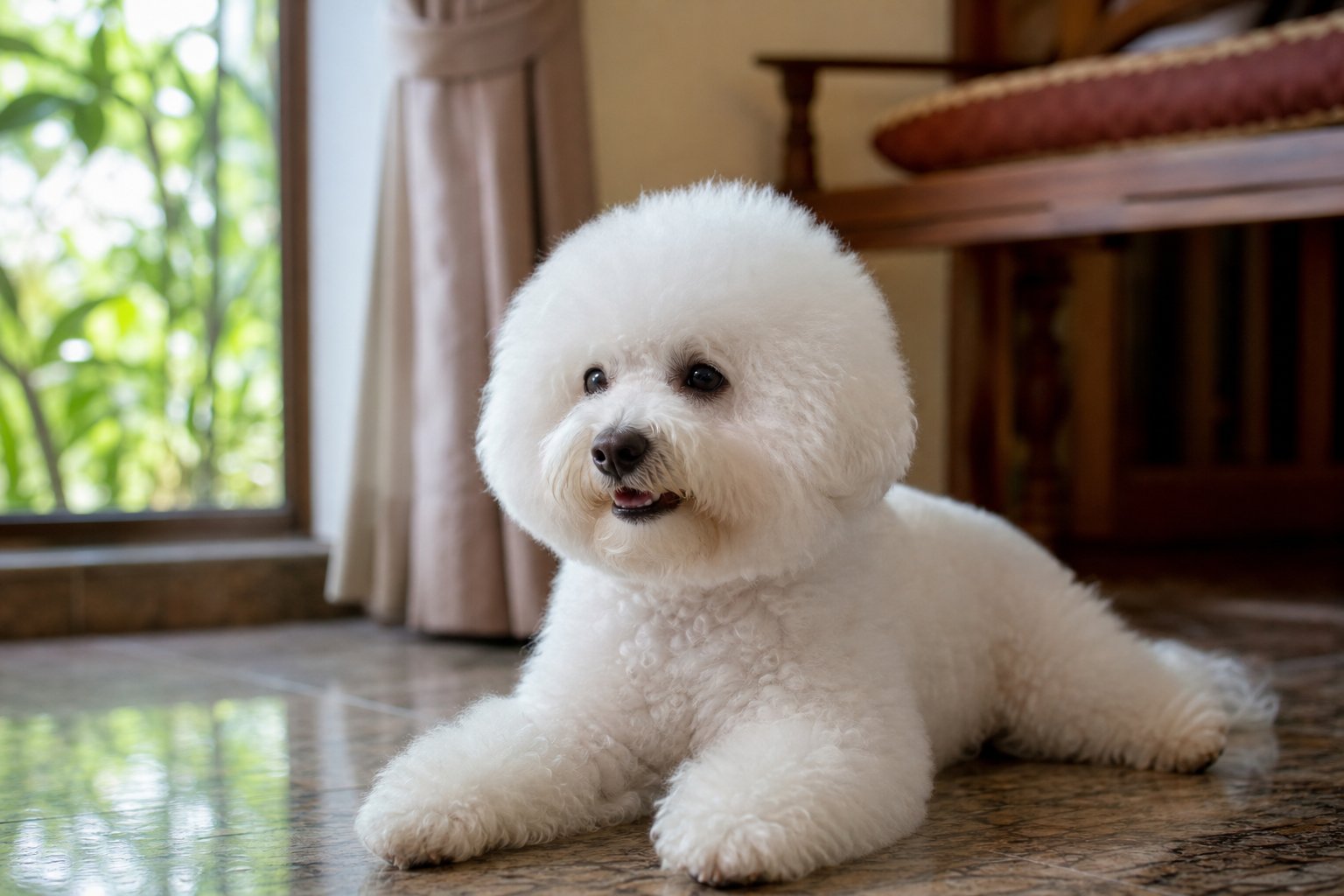
- Thick, curly white double coat
- Price guidance
- Ask local breeders for a current quote; prices vary with papers, colour, size and availability.
Personality
- Cheerful
- Affectionate
- Gentle
- Playful
- Adaptable
Bichons are cheerful, affectionate companions that adapt well to Malaysian apartments and condos. Their thick white double coat needs consistent grooming and heat management in the tropical climate. This guide covers practical care tailored to local conditions.
Temperament: A Cheerful Companion for Malaysian Living
The Bichon Frise is known for a merry, gentle, and affectionate nature that suits Malaysian households, including those in apartments and condos. They bond closely with their families and generally get along well with children and other pets, making them a popular choice for multi-generational homes. Their playful yet adaptable temperament means they are happy with indoor play and short walks, which fits well with city living. However, they can be prone to separation anxiety if left alone for long periods, so families who are often home or can arrange midday visits are ideal. Early socialisation helps them stay confident and friendly in busy local environments such as lifts, corridors, and nearby parks. Their alert nature may lead to barking at unfamiliar sounds, so gentle training from a young age is beneficial.
Daily Life: Adapting to Hot and Humid Weather
In Malaysia's hot and humid climate, a Bichon's daily routine should prioritise indoor comfort. Keep your dog in air-conditioned spaces during the hottest part of the day, especially midday, as the thick double coat traps heat easily. Provide fresh, cool water at all times and consider cooling mats or tiles for resting. Outdoor activities are best scheduled for early morning or evening when temperatures are lower. Living in a condo or apartment is manageable as long as your Bichon gets regular indoor play and short walks. Avoid long outdoor exposure when the sun is strongest, and watch for signs of overheating such as heavy panting or lethargy. A consistent routine with plenty of companionship helps prevent boredom and anxiety.
Grooming: Managing the White Coat in Humidity
The Bichon's curly white coat mats quickly in Malaysia's humidity, so grooming is a non-negotiable part of care. Brush several times a week using a slicker brush and metal comb, paying attention to the ears, armpits, and hindquarters where tangles form easily. Book professional grooming every four to six weeks to keep the coat healthy and tidy. Keeping the coat short makes drying easier after baths and reduces matting, which is especially helpful in the rainy season. Bathe only as needed with a gentle dog shampoo, and dry thoroughly to prevent skin issues. Check ears regularly for moisture and clean them gently. Trim nails every few weeks and brush teeth several times a week to maintain overall hygiene.
Exercise: Safe Activity for Tropical Conditions
Bichons are moderately active dogs that enjoy play and short walks, but in Malaysia's heat, exercise must be carefully managed. Aim for two short walks daily, ideally in the early morning and late evening when the ground is cooler. Indoor play sessions with toys or gentle games of fetch can supplement outdoor activity without risking overheating. Avoid strenuous exercise during the hottest hours and always carry water. Watch for signs of heat stress such as excessive panting, drooling, or weakness, and move your dog to a cool area immediately. Mental stimulation through puzzle toys and training games helps burn energy and keeps your Bichon content. Regular but moderate exercise supports joint health and weight management without overexertion.
Training: Positive Methods for a Willing Learner
Bichons are intelligent and eager to please, which makes training enjoyable when using positive reinforcement. Start with basic obedience such as sit, stay, and recall using treats and praise. Short, frequent sessions work best to keep their attention, especially in a home with distractions. Early socialisation is important to build confidence around other dogs, people, and common sights in Malaysian neighbourhoods. Crate training can help with toilet training and provide a safe space. Because Bichons can be vocal, teach quiet commands gently. Avoid harsh corrections, as this breed is sensitive and responds better to encouragement. Consistency across family members ensures training success, and enrolling in a local puppy class can provide structured socialisation.
Diet: Nutrition for a Small Companion
A balanced diet is essential for your Bichon's health, but specific feeding amounts depend on age, size, and activity level, so consult your local vet for personalised advice. Choose a high-quality dog food formulated for small breeds, and measure portions to prevent obesity, which is common in less active dogs. In Malaysia's heat, ensure fresh water is always available and avoid feeding large meals right before exercise. Some Bichons may be prone to food sensitivities, so monitor for itching or digestive upset when introducing new foods. Treats should be given sparingly and counted as part of daily intake. Avoid human foods that are toxic to dogs, such as chocolate, grapes, and onions. Regular weight checks help maintain a healthy body condition.
Health: Common Concerns and Local Vet Care
Bichons are generally healthy, but they have some breed tendencies to watch for. Skin issues such as redness, itching, and tear staining are common, especially in humid climates, so keep the coat dry and clean. Eye problems like conjunctivitis or tear duct issues may cause squinting or discharge. Joint concerns such as patellar luxation can lead to sudden limping, and dental disease is frequent in small breeds. Regular check-ups with a local vet help catch problems early. Keep vaccinations up to date and use parasite prevention as advised. In Malaysia, access to veterinary care is widespread in urban areas, so establish a relationship with a nearby clinic for routine and emergency needs.
Skin allergies and irritation
Watch for: Red, itchy skin, constant paw licking, and tear staining are common signs.
Care: Keep the coat dry and clean, bathe with gentle shampoo as needed, and consult a vet for persistent issues.
Eye problems
Watch for: Squinting, discharge, or redness around the eyes may indicate irritation or infection.
Care: Clean around the eyes gently and seek veterinary advice if symptoms persist.
Patellar luxation
Watch for: Sudden limping or skipping on a hind leg can be a sign of joint instability.
Care: Avoid excessive jumping and consult a vet for assessment and management.
Dental disease
Watch for: Bad breath, tartar buildup, and difficulty eating are common in small breeds.
Care: Brush teeth regularly and schedule professional dental checks with your vet.
Choosing a Bichon: What to Consider in Malaysia
Before bringing a Bichon into your home, consider whether your lifestyle suits this affectionate and grooming-intensive breed. They thrive on companionship and may not do well if left alone for long hours, so families who are often home or can arrange midday care are ideal. The commitment to regular grooming, including professional appointments every four to six weeks, is essential in Malaysia's humidity. Ensure your home can provide air-conditioned respite from the heat. Look for a reputable breeder or consider adoption from a local rescue. Ask about the puppy's health history and meet the parents if possible. A Bichon can be a wonderful addition to Malaysian households that can meet their needs for attention, grooming, and climate control.
Caring in Malaysia
- The thick white double coat traps heat easily, so keep Bichons indoors with air-con during midday. Provide cool water and avoid long outdoor walks when the sun is strongest.
- Bichon's curly coat mats quickly in humidity. Brush several times a week, book professional grooming every 4–6 weeks, and keep the coat short for easier drying after baths.
- Watch for red, itchy skin, tear staining and constant paw licking — common in this breed. Squinting or sudden limping also needs a vet check to catch eye or joint problems early.
Frequently asked questions
How often should I groom my Bichon in Malaysia?
Brush several times a week and book professional grooming every four to six weeks. The curly coat mats quickly in humidity, so keeping it short makes drying easier and reduces tangles. Regular grooming also helps prevent skin issues.
Can Bichons live in apartments or condos in Malaysia?
Yes, Bichons adapt well to apartment living as long as they get regular indoor play and short walks. They are moderately active and enjoy companionship, so they suit condo life provided they have air-conditioned space to escape the heat.
How do I keep my Bichon cool in hot weather?
Keep your Bichon indoors with air-con during midday and provide cool water at all times. Schedule walks for early morning or evening, and avoid long outdoor exposure when the sun is strongest. Cooling mats can also help.
Are Bichons prone to skin problems in Malaysia?
Yes, Bichons can be prone to skin allergies and irritation, especially in humid climates. Watch for redness, itching, and paw licking. Keep the coat dry, bathe as needed, and consult a vet if symptoms persist.
How much exercise does a Bichon need?
Bichons need moderate exercise, such as two short daily walks and indoor play. In Malaysia's heat, avoid strenuous activity during the hottest hours and always provide water. Adjust exercise to your dog's age and energy level.
What should I feed my Bichon in Malaysia?
Feed a high-quality small-breed dog food in measured portions, and consult your local vet for personalised advice. Always provide fresh water, avoid toxic human foods, and monitor weight to prevent obesity. Treats should be given sparingly.
Related breeds
Dog guides →
Related articles
- Bichon Frise Disadvantages in Malaysia: 7 Real Costs Before You Commit
Bichon Frises are cheerful, affectionate companion dogs, but their white curly coat, sensitive skin and clingy nature come with real upkeep. Here are the seven disadvantages Malaysian owners should weigh up before bringing one home.
- Bichon Frise Lifespan in Malaysia: How Long They Live & How to Add Years
Bichon Frises usually live 12–15 years. In Malaysia's heat and humidity, weight control, dental care, skin and ear management, and regular vet checks are the biggest levers for a longer, healthier life.
- Bichon Frise Personality in Malaysia: Temperament, Intelligence & Training
Bichon Frises are cheerful, people-focused companion dogs that read human moods well. This guide explains their temperament, what intelligence rankings really measure, and how to train and live with one in Malaysia.
- Bichon Frise Size & Weight in Malaysia: Growth Chart, BCS & Feeding
Bichon Frises are small, sturdy dogs. This guide explains their expected adult size, how to track puppy growth, how to judge weight by body condition rather than kilos alone, and when to check with a Malaysian vet.
- Bichon Frise Price in Malaysia 2026: What You'll Pay, Adopt or Buy, and the Costs People Forget
There is no fixed Malaysian price for a Bichon Frise. What you pay depends on paperwork, lineage and local demand — so ask breeders, retailers and your vet for current quotes. Grooming, not food, is the biggest recurring cost.
Related products at PetChill
Sources
Last reviewed: 2026-11-16
For health concerns, consult a licensed veterinarian in Malaysia.