
British Shorthair
British Shorthair · Cat · Malaysia
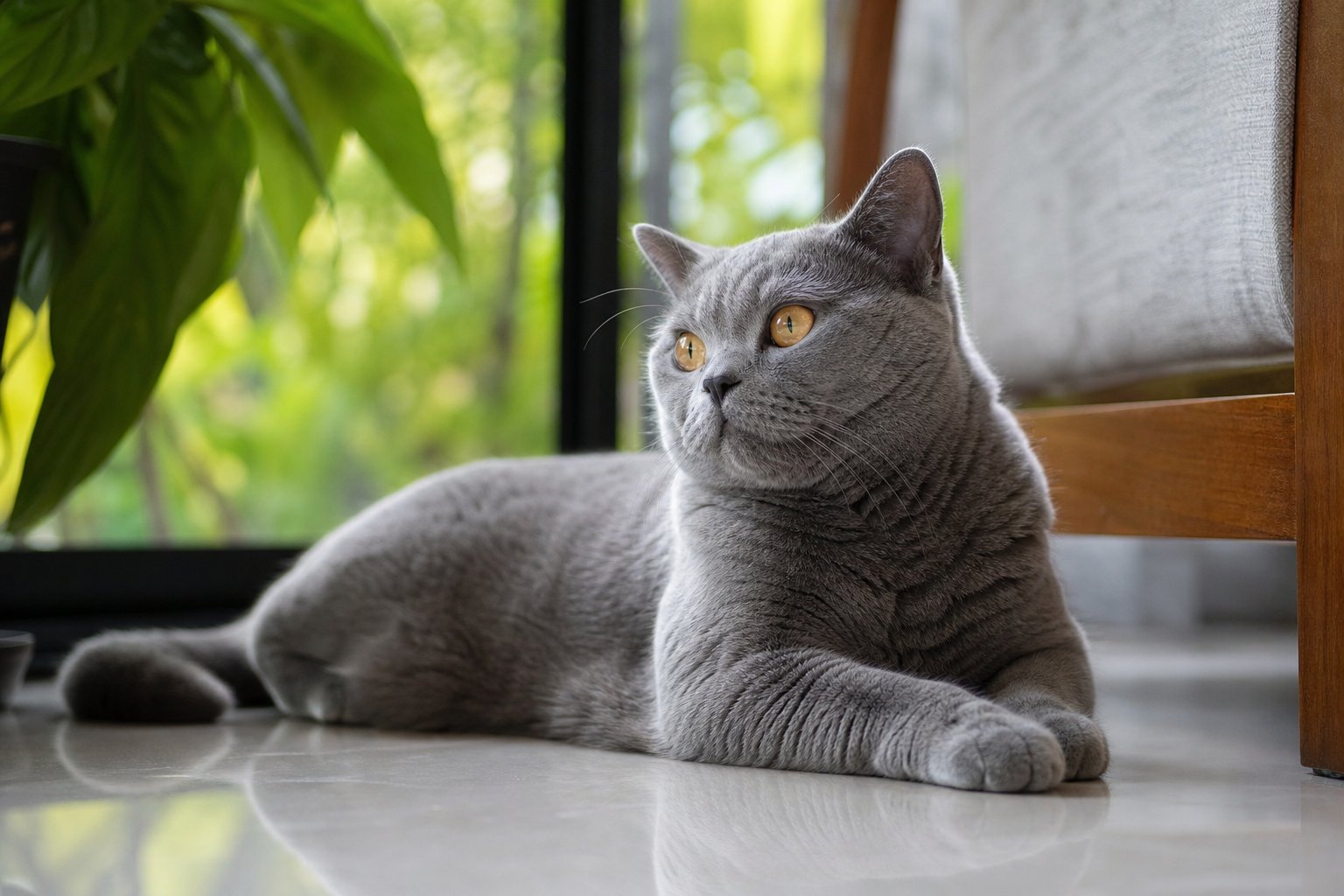
Quick answer
The British Shorthair is a calm, medium-to-large cat that suits Malaysian apartments well. Keep it cool in the hot, humid climate, brush weekly, offer vertical space and daily play, and watch its weight and joints.
Quick facts
- Origin
- United Kingdom
- Size
- Medium to large
- Lifespan
- 12–15 years
- Weight
- Medium to large
- Coat
- Dense, plush short coat
- Price guidance
- Ask local breeders for a current quote; prices vary with papers, colour, size and availability.
Personality
- Calm
- Gentle
- Independent
- Tolerant
- Affectionate
The British Shorthair is a laid-back, sturdy cat from the United Kingdom, known for its dense coat and easygoing nature. In Malaysia's hot, humid climate and often compact condos, this breed can thrive with thoughtful cooling, grooming and daily activity. This guide covers temperament, care and health for local owners.
Temperament in a Malaysian Home
The British Shorthair is famously calm, gentle and undemanding, which makes it a comfortable fit for Malaysian apartments and condos. It is not a clingy cat; it enjoys company but is equally happy resting quietly in a cool corner while you work. These cats are usually tolerant and steady, so they cope well with household routines, though they dislike chaos and loud, sudden changes. They are affectionate on their own terms rather than lap cats. Because they are so placid, owners sometimes mistake calmness for low needs. In truth, this breed still wants daily interaction, gentle play and a predictable environment. Give it a quiet retreat away from busy areas, and it will reward you with a relaxed, companionable presence.
Daily Life in Malaysia's Climate
Malaysian heat and humidity shape daily life with a British Shorthair. Many homes rely on air-conditioning or fans, so set up a cool, quiet resting area where the cat can escape the afternoon warmth. Avoid leaving it in stuffy rooms or near hot windows. This breed is adaptable to apartment living, but it needs vertical space: a sturdy cat tree, shelves or a window perch give it room to climb and observe without needing a garden. Keep routines steady for feeding, play and rest, since this cat likes predictability. Check its coat and skin more often in humid weather, and make sure fresh water is always available. A calm home with cool spots and gentle daily engagement keeps this breed content indoors.
Grooming for Humidity
The British Shorthair has a dense, plush coat that benefits from regular brushing, especially in Malaysia's humid climate where skin and coat checks matter more. Brush weekly with a suitable brush to remove loose hair and reduce matting, and increase to a few times a week during heavier shedding periods. Use grooming sessions to check the skin, ears and paws for irritation, and keep the coat dry since dampness can encourage skin problems. Wipe the ears gently when needed and trim nails regularly. Bathing is rarely necessary unless the cat gets dirty; over-bathing can dry the skin. Because humidity can make grooming more important, make brushing a calm, routine activity your cat learns to accept.
Exercise for Apartment Cats
Despite its calm reputation, the British Shorthair is prone to weight gain and needs daily activity. In a Malaysian condo, use short, frequent play sessions with wand toys, balls and puzzle feeders to mimic hunting and keep the cat moving. Vertical space matters: a cat tree, shelves or a secured window perch encourages climbing and stretching. Aim for several brief play sessions rather than one long one, and rotate toys to keep interest. Encourage movement by placing food puzzles or toys in different spots. Because this breed can be lazy, owners must take the lead. Daily play also supports joint health and mental wellbeing, and it strengthens the bond between cat and owner.
Training a Calm Breed
British Shorthairs are intelligent but not especially driven, so training works best with short, positive sessions and food or play rewards. They respond well to gentle repetition and calm handling, and they can learn litter box habits, scratching post use and simple cues such as coming when called. Start early and keep sessions brief to match their relaxed attention span. Never use punishment; this breed becomes withdrawn with harsh handling. Use treats sparingly given its tendency to gain weight, and reward with praise or a favourite toy instead. Training also includes environmental habits: directing scratching to posts and keeping feeding areas consistent. Patience and routine suit this cat far better than intense, high-energy lessons.
Feeding and Weight Control
Diet is central to British Shorthair care because this breed gains weight easily, especially in less active indoor lifestyles common in Malaysian apartments. Feed a balanced, age-appropriate cat food in measured portions, and follow feeding guidelines rather than free-feeding. Split meals into set times to support routine and monitor intake. Fresh water should always be available, and some owners use water fountains to encourage drinking in warm weather. Treats should be occasional and small. Because the climate is hot, avoid leaving wet food out for long periods. If your cat is less active or indoors most of the day, adjust portions with veterinary advice. Regular weight checks help catch gradual gain early.
Health Watch in Malaysia
The British Shorthair is generally robust, but owners should watch for widely documented breed tendencies such as weight gain, joint concerns and heart conditions. In Malaysia's humid climate, skin and coat checks are also important. Keep up routine veterinary visits with a local vet you trust, and ask about screening appropriate to your cat's age. Maintain a healthy weight through measured feeding and daily play, since excess weight strains joints. Watch for changes in appetite, activity, breathing or grooming habits, and seek veterinary advice promptly rather than diagnosing at home. Parasite prevention and vaccination should follow your vet's local guidance. A cool, calm environment and consistent care support long-term health.
Weight gain and obesity
Watch for: Gradual weight increase, reduced activity, difficulty grooming or a less defined waist.
Care: Feed measured portions at set times, limit treats, encourage daily play and check weight regularly with your vet.
Joint concerns
Watch for: Stiffness, reluctance to jump or climb, limping or reduced activity.
Care: Maintain a healthy weight, provide easy-access resting spots and soft bedding, and consult your vet if movement changes.
Heart conditions
Watch for: Laboured breathing, reduced stamina, hiding or changes in activity and appetite.
Care: Keep routine veterinary check-ups, follow your vet's screening advice and seek prompt care for breathing changes.
Skin and coat issues in humidity
Watch for: Itching, redness, bald patches, matting or dull, damp coat.
Care: Brush weekly, keep the coat dry, check skin during grooming and consult your vet for persistent irritation.
Choosing a British Shorthair in Malaysia
Before choosing a British Shorthair, consider whether your home suits a calm, indoor cat that needs cool resting spots and daily play. This breed fits apartments well, but it still needs vertical space, grooming time and a commitment to weight management. Meet the cat or kitten and ask about its health, vaccination and feeding history, and view the living conditions where possible. Choose a responsible source that prioritises health and temperament over appearance. Plan for routine vet care with a local clinic and budget for ongoing grooming and food needs. Because this cat is sociable but independent, ensure someone can provide daily interaction. A thoughtful match between home, climate and routine gives this breed a comfortable life in Malaysia.
Caring in Malaysia
- Malaysian homes often use air-conditioning or fans; keep a cool, quiet resting area.
- Humidity can make grooming and skin checks more important; brush weekly.
- Apartment living suits this calm breed, but provide vertical space and daily play.
Frequently asked questions
Is the British Shorthair suitable for Malaysian apartments?
Yes, the British Shorthair suits apartment living well because it is calm and adaptable. It still needs vertical space such as a cat tree or shelves, daily play and a cool, quiet resting area away from heat and busy areas.
How often should I groom a British Shorthair in Malaysia?
Brush your British Shorthair weekly, and more often during heavier shedding. Malaysia's humidity makes coat and skin checks more important, so use grooming sessions to look for irritation, matting or damp patches and keep the coat dry.
How do I keep a British Shorthair cool in hot weather?
Provide a cool, quiet resting area with air-conditioning or fans, fresh water and shade from hot windows. Avoid stuffy rooms, offer cool surfaces to lie on and never leave the cat in a hot, enclosed space during the day.
Do British Shorthairs gain weight easily?
Yes, this breed tends to gain weight, especially with indoor, less active lifestyles. Feed measured portions at set times, limit treats, encourage daily play and monitor weight with your vet to keep joints and the heart under less strain.
How much exercise does a British Shorthair need?
It needs daily activity, ideally several short play sessions with wand toys, balls or puzzle feeders. Add vertical space such as a cat tree or shelves to encourage climbing, and rotate toys to keep a calm cat interested and moving.
Are British Shorthairs good with children and other pets?
Generally yes, their tolerant, gentle nature suits calm households with children and other pets. They prefer respectful handling and quiet routines, so supervise young children, provide a retreat space and introduce new pets gradually to keep stress low.
Related breeds
Cat breed guides →
Related articles
- British Shorthair Disadvantages in Malaysia: Weight, Shedding and What to Budget
British Shorthairs are easy to live with, but they come with six known drawbacks: fast weight gain, heavy shedding, dislike of handling, a quiet nature that can mask illness, genetic screening needs, and ongoing costs. Every item has a workable fix. Accept these before you bring a cat home and you will be fine.
- British Shorthair Colours in Malaysia: Blue, Blue-White, Silver Shaded and Gold, Explained
More than a hundred registered British Shorthair colour combinations exist, with solid blue the most common, followed by blue-white and tabbies. Silver and gold shaded are tipped patterns, not breeds. Here is how to read each colour, what actually drives the price, and what to check before you pay a premium.
- British Shorthair Price in Malaysia: What You'll Actually Pay (2026 Guide)
British Shorthair prices in Malaysia vary widely by breeder, paperwork and colour. This guide breaks down what drives the price, how adoption works locally, and the real first-year cost of bringing one home.
Related products at PetChill




Sources
Last reviewed: 2026-11-16
For health concerns, consult a licensed veterinarian in Malaysia.