
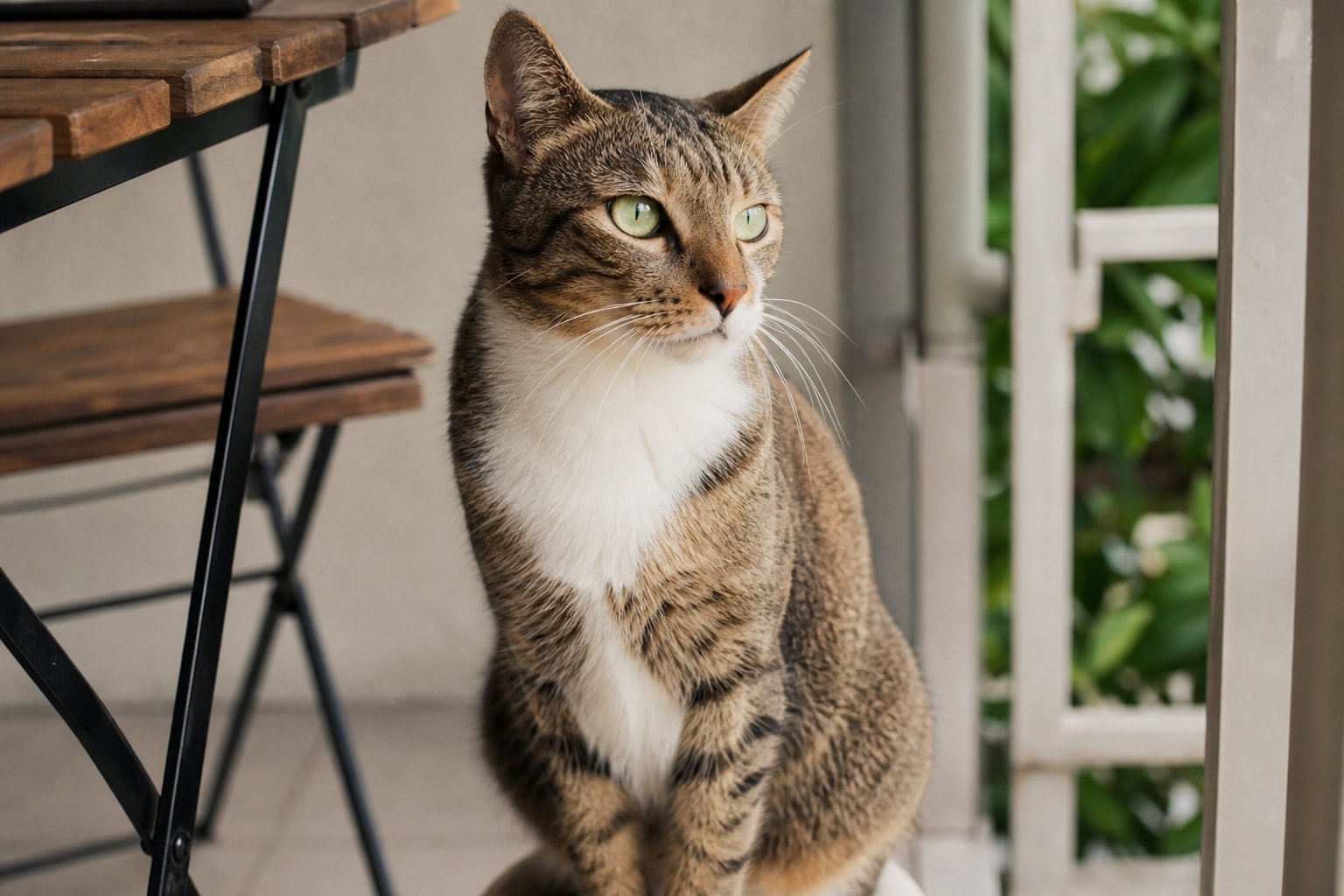
British Shorthairs are easy cats to live with, but they carry six well-documented drawbacks: fast weight gain, heavy shedding, an aversion to being handled, a quiet demeanour that can hide illness, genetic screening needs for kidney and heart conditions, and steady running costs. Every one of them has a workable response. Accept these before a cat moves in and they are just a checklist; discover them afterwards and they feel like surprises.
The six downsides at a glance
| Downside | When it bites hardest | First-line response | Cost direction |
|---|---|---|---|
| Fast weight gain | From adulthood onward, every month | Measured meals, no free-feeding, daily play, monthly weigh-ins | Weight-control food |
| Heavy shedding | Moulting seasons, worst of all | Brush 2–3 times weekly, vacuum regularly | One-off grooming kit |
| Dislikes being held | Any age | Accept the temperament; play on the floor instead | Free |
| Too quiet to notice illness | Daily | Track appetite, litter tray use and energy | Free |
| PKD and heart screening | From around two years, then as advised | Source a cat with parent screening records | Annual check-ups |
| Running costs | All year | Budget in advance; treat the medical reserve as a fixed expense | Monthly commitment |
The three that reshape daily life most are weight, shedding and handling. None of them demand a large lump of money — they demand time and realistic expectations.
1. They gain weight unusually easily
British Shorthairs are cobby, heavy-boned and naturally round, with a genuinely strong appetite. Among cat breeds it is one of the most obesity-prone, and owners who treat roundness as a mark of a well-bred cat usually discover this too late. Overweight is not a cosmetic issue: extra kilograms load the joints, strain the urinary tract and add work for the heart, and taking weight off later is far harder than never putting it on.
The routine that works is unglamorous. Feed measured portions at fixed times rather than leaving a bowl topped up, choose a food formulated for weight control, and build two short interactive play sessions into each day. Weigh your cat monthly and note it down; a gain of more than five percent in a single month means cutting rations straight away. Ask your vet to score the cat on a body condition scale rather than relying on the number alone, because a dense, muscular frame can look heavier than it is.
Hydration matters more than many owners realise. Wet food alongside dry kibble increases water intake, which supports the urinary system — a genuine concern in this breed, especially in warm weather.
2. The shedding is heavier than a short coat suggests
The coat looks tidy and low-maintenance, but it is thick, plush and backed by a dense undercoat. In moulting season a single brushing session can pull out a surprisingly large tuft, and the hair transfers readily onto dark clothing and sofa cushions.
The fix is frequency, not effort. Brush two to three times a week as a baseline and daily during a heavy moult, using a slicker brush followed by a comb to reach the undercoat. Keep a lint roller by the door and run the vacuum over favourite resting spots a few times a week. Adding a food source rich in omega fatty acids supports skin and coat condition, which can reduce brittle, fall-out-prone hair.
One climate-specific mistake is worth calling out: do not seal the house up out of fear the cat will catch a chill. Cats do not need a stuffy room, and good ventilation benefits both skin and mood. Fit secure window grilles or screens instead so the cat can get airflow without any risk of a fall — particularly important in high-rise flats.
3. They are companions, not shadows
This is the disappointment that catches new owners off guard. British Shorthairs are a companion breed, not a clingy one. They like to be in the same room as you, settling on the sofa a metre away while you work, but pick one up and it will generally wriggle free. It is not rejection — sitting beside you is how this breed shows trust, and it is a high compliment by their standards.
If your picture of cat ownership is a pet that follows you from room to room, greets you at the door and sleeps on your chest every night, this is not that cat. Ground-level play, wand toys and gentle chin scratches build the relationship far more effectively than persistent lifting. Owners who adjust to a slow-burn, steady kind of affection tend to be very happy; owners who need visible enthusiasm usually are not.
4. Quiet enough to mask what is wrong
British Shorthairs vocalise rarely and move little, which makes them pleasant neighbours — and makes early illness easy to miss. A cat that is already inclined to spend the day motionless will not announce that something has changed; you have to notice it yourself.
Spend a few minutes each day on a basic check: how much has it eaten, how many visits to the litter tray, and is it alert when you walk in. Red flags include drinking noticeably more than usual, frequent trips to the tray with only small amounts produced, hesitation before jumping onto a perch it normally clears easily, skipping meals, or suddenly hiding. Any of these deserves a call to the clinic rather than a wait-and-see.
5. Genetic screening you should ask about
Two conditions are repeatedly flagged in breed health literature for British Shorthairs: polycystic kidney disease (PKD), where cysts develop in the kidneys, and hypertrophic cardiomyopathy (HCM), a thickening of the heart muscle. Urinary stones are also discussed regularly in clinical practice for the breed.
A responsible source will have the parents screened — ultrasound for PKD, cardiac examination for HCM — and will show you the records before you commit. Adoption routes often give you a cat that is already neutered and vaccinated, which shifts your money towards future care instead of the entry fee.
Whatever route you take, verify the basics. Confirm how many vaccine doses have been given and when the next is due, whether the cat is neutered, and whether it is microchipped. You can check a clinic or facility's standing with the Department of Veterinary Services and confirm veterinary professionals through the Malaysian Veterinary Council register, and welfare groups such as the SPCA list animals ready for rehoming. Three questions to ask any seller: Have the parents been screened for PKD and heart disease? How many vaccines has this cat had, and when is the next due? Is it microchipped and neutered? If the answers are vague, walk away.
6. Budget for the running costs, not just the purchase
Buying or adopting is a one-off. What shapes your finances is the monthly and annual upkeep, and the line most people underestimate is the medical reserve — money set aside for screening and for the unexpected. Build your budget before the cat arrives, then compare three spending approaches:
| Approach | Food | Litter | Parasite control | Grooming kit | Medical reserve | Check-ups |
|---|---|---|---|---|---|---|
| Lean | Basic dry food | Standard clumping litter | Routine, on schedule | Basic slicker brush | None — pay as incidents arise | Vaccinations only |
| Standard | Dry and wet mix | Standard clumping or tofu litter | Routine, on schedule | Slicker plus undercoat comb | Small monthly set-aside | Annual health check |
| Thorough | Weight-control formula | Premium litter | Routine, plus vet-recommended extras | Full grooming kit with vacuum attachment | Larger monthly set-aside | Twice-yearly checks once senior |
Local prices for food, litter, grooming tools and veterinary procedures vary considerably by state and clinic, so ask your own vet and retailer for current figures rather than relying on online estimates. The principle stays constant: a small, automatic monthly transfer into a pet care fund is far less painful than funding an emergency out of nowhere.
On insurance: policies here exist but terms, exclusions and excesses differ widely, so read the fine print. If you already hold a comfortable cash reserve, self-funding is usually more flexible; if you do not, insurance is a reasonable tool for flattening a shock bill. You rarely need both at full strength.
A practical tip from experienced owners: grooming tools and weight-control food are fixed, predictable costs that are cheaper over a decade than a single avoidable medical crisis. Treat the medical reserve as rent, not as whatever is left at month end.
When to see a vet
Routine care keeps most problems cheap. Keep to an annual health check for adult cats, move to twice-yearly checks once your cat is senior, and follow your vet's advice on kidney ultrasound screening from around two years and on urine testing as the cat ages. Vaccinations and parasite control should stay on schedule year-round.
Contact your clinic promptly if you notice any of the following:
- No food for more than a day, or a clear drop in appetite
- Straining, frequent small urinations, or blood in the urine — this is an emergency in male cats
- Repeated vomiting, diarrhoea lasting more than a day, or coughing
- Sudden lethargy, hiding, or refusing to jump
- Noticeable weight change in either direction over a month
- Laboured breathing, collapse, or pale gums — seek urgent care immediately
Register with a cat-friendly clinic early and have the first visit before anything goes wrong, so your cat's history is already on file. Ask the vet to show you body condition scoring: it tells you far more about your cat's health than the scale alone.
Is the British Shorthair right for you?
Run a quick self-test before deciding:
- Can you accept a cat that does not want to be held, does not follow you and does not rush the door?
- Are you willing to set aside 15–20 minutes of active play every day to burn off calories?
- Can you commit to measured meals at fixed times, with no free-feeding?
If you answered "no" to two or more, this breed's downsides will land squarely on you. If your household is different, see how it maps:
| Household | Fit | Why |
|---|---|---|
| Long office hours | Very good | High independence and a strong tolerance for being alone |
| Home-based workers | Good | Company without constant demands for attention |
| Anyone craving a lap cat | Not recommended | Affection is shown by presence, not by cuddling |
| Families with young children | Depends on the child | Steady but intolerant of being carried; teach gentle handling |
| Small flats | Good | Quiet, moderate size, low noise complaints |
| Two-cat households | Good | Generally friendly towards other cats |
| First-time owners | Good | Short coat, stable temperament, forgiving of routine |
And if you are weighing this breed against the American Shorthair, the difference is energy: the British Shorthair is calm and self-contained, the American Shorthair is livelier, more athletic and more likely to seek you out for attention. Both shed and both carry breed-specific health considerations, so let your daily schedule make the decision.
Four myths to clear up first: this breed still needs daily exercise; a short coat still needs regular brushing; it is not a cuddly shadow; and a round body is not a sign of quality — it is a sign of too many calories.
In short, the so-called downsides mostly come from two traits: calmness and a hearty appetite. Accept those two and the British Shorthair becomes one of the most comfortable companions for apartment living in Malaysia.
This article is general breed information and does not replace individual veterinary advice. Every cat differs; for health concerns, please consult a registered veterinarian.
Related reading
- Cat Breeds in Malaysia: A Practical Guide to Choosing the Right Cat (2026)
- Cat Breeds in Malaysia: 12 Popular Breeds Compared (2026)
- Calico Cats in Malaysia: Is Calico a Breed, and How Do You Tell a Calico, Tortie and Torbie Apart?
- Cat Breeds in Malaysia 2026: 12 Popular Breeds, Personalities and Costs Compared
- Exotic Shorthair Price in Malaysia: Buying, Adoption and First-Year Costs
- Maine Coon in Malaysia: 8 Real Drawbacks and How to Handle Them
- Ragdoll in Malaysia: The 8 Real Costs Before You Bring One Home
- Ragdoll Cat Colours and Patterns: Point, Mitted and Bicolor Explained
- Siamese Cat Malaysia: Temperament, Colours, Care and Costs