
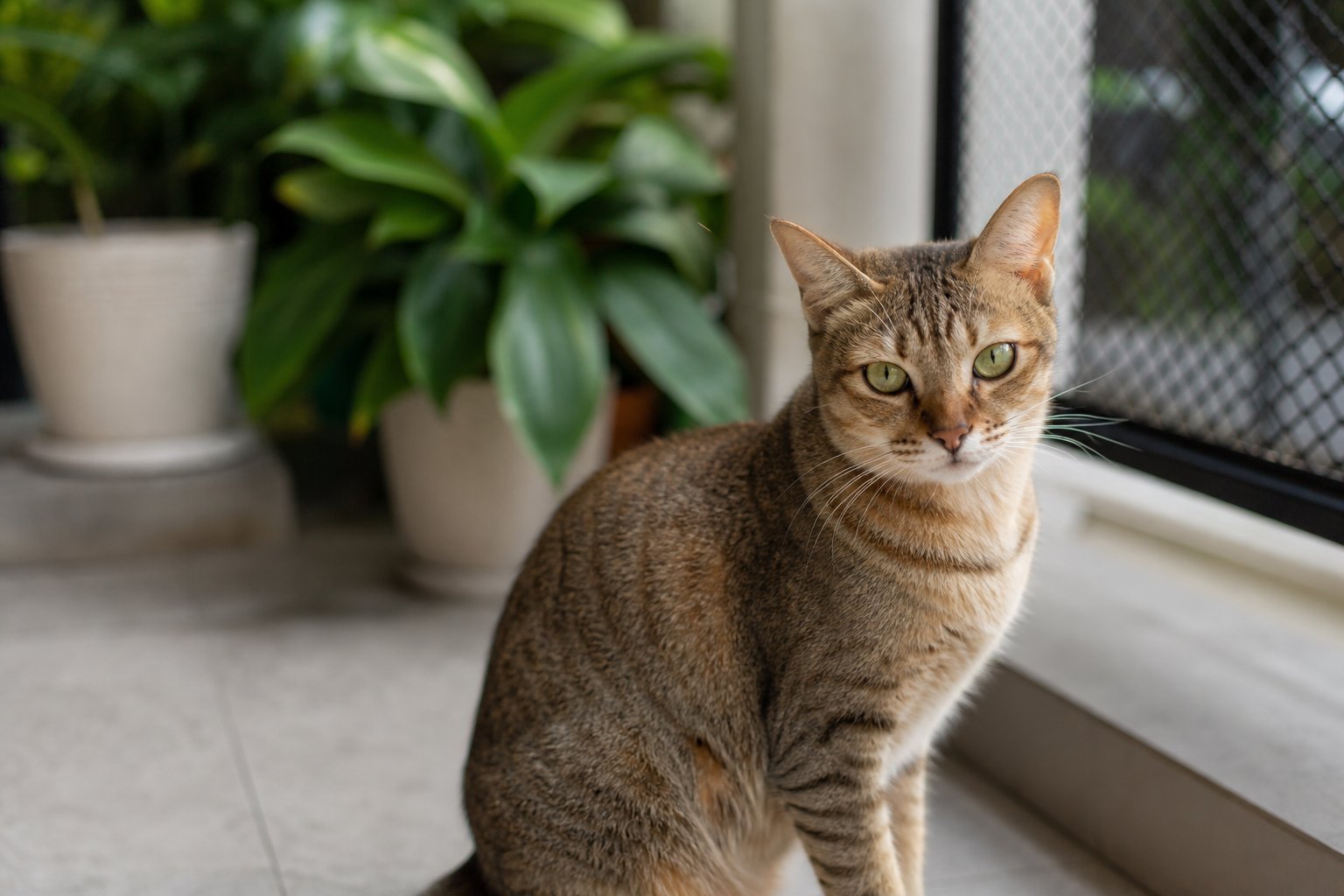
Short answer: A purebred Maine Coon kitten in Malaysia is priced individually by each breeder, so treat any figure you hear as the start of a conversation, not a market rate. Adoption through a shelter or rescue group costs far less and usually covers health checks, vaccination, microchipping and neutering. Your ten-year running budget matters far more than the price on day one.
Maine Coon essentials
Maine Coons trace back to the American state of Maine and rank among the largest domestic cat breeds. They are often called gentle giants: big-boned, sociable, playful, and quietly vocal with soft chirps rather than loud meows. Typical features include oversized paws, tufted ears, and a long plumed tail.
| Item | Maine Coon |
|---|---|
| Origin | Maine, United States |
| Lifespan | 12 to 15 years |
| Weight | Male 6 to 9 kg; female 4.5 to 6.5 kg |
| Coat | Long triple coat, heavy shedding |
| Temperament | Sociable, smart, gentle with children |
| Key health concerns | HCM (heart), hip dysplasia, SMA and other inherited conditions |
| Grooming | Daily brushing, doubled during seasonal coat changes |
| Space | Extra-large litter tray and a sturdy tall cat tree |
Three realities to settle before you commit:
- Large cat, larger consumption. Food volume, litter use and even anaesthetic risk all scale with body size, so budget upward, not at small-cat rates.
- Cardiac screening is non-negotiable. Parents' echocardiogram records are the hardest evidence you can demand before paying anything.
- Lifelong coat care. Around ten minutes of brushing daily, more during shedding season, plus regular checks for mats behind the ears and under the armpits.
A quick self-test: Can you accept a monthly running cost clearly above that of a small cat? Will you brush daily? Do you have floor space for an extra-large tray and a tall tree? If you answer no to two of these, consider a smaller breed or a mixed-breed cat first.
What you are really paying for when you buy
Malaysian breeders quote per litter rather than publishing a fixed price list, so ask directly and request it in writing. Most quotes still fall into three tiers.
| Tier | What it typically means | Suits |
|---|---|---|
| Pet or companion | Neuter contract, no breeding rights | Most households |
| Breeding | Full parental screening records, breeding rights | Registered catteries only |
| Show | Matches breed standard, parents with show records | Show enthusiasts |
What actually moves the number:
- Pedigree depth and parent records. Clear lineage and titled parents push a price up, but a pretty pedigree proves nothing about health on its own.
- Coat colour and pattern. Rarer colours and patterns usually cost more than classic brown tabby.
- Screening spend. Doing an echocardiogram on both parents plus written genetic tests for conditions such as SMA is expensive. A kitten sold cheaply because screening was skipped is cheap for a reason.
- Inclusions. Vaccination, deworming, flea treatment, microchip, neutering and weaning at a proper age are health costs folded into the price, and they make the quote more honest, not less.
- Supply and waiting lists. Popular colours may take months. Urgency is what makes buyers abandon checks, so be prepared to wait.
The myth to drop: expensive does not equal healthy. Price reflects lineage and colour; health reflects documented screening. A mid-priced kitten with clear reports beats an expensive one with a promise.
Adoption routes in Malaysia
Adoption is the budget-friendly route, and the process is deliberately thorough.
| Channel | What is usually included | What to expect |
|---|---|---|
| SPCA | Health check, deworming and flea treatment, first vaccination, microchip, neutering arrangement | Application form, interview, sometimes a home visit |
| Cat rescue groups and volunteer networks | Varies by group; confirm in writing | Questionnaire and home visit are common |
| Cattery retirees | Complete health records, settled temperament and size | Adult cats, often already spayed or neutered |
| Community animal welfare groups | Adoption events and basic records | Irregular availability; watch public announcements |
Adoption fees differ by organisation and by the cat's age and breed, so check exactly what is covered before paying. A purebred Maine Coon in a shelter is uncommon; join waiting lists, but widen your search to large mixed-breed cats at the same time.
Remember that adoption only removes the first-day cost. Food, litter, grooming and veterinary care stay identical for the next decade.
Breeder verification checklist
Work through this list item by item before you pay a deposit.
- Registration and licence. Verify the cattery or club registration number quoted, and confirm any licence required for selling animals is in order.
- Visit in person. Look for a clean, ventilated area with cats that are alert and in good condition. A seller offering dozens of breeds with kittens all year round is trading, not breeding responsibly.
- Screening originals. Ask to see both parents' heart echocardiogram reports and written genetic test results. The laboratory name, sample identifier and date should all be present.
- Vaccination and chip records. Original vaccination cards with the label stickers still attached, and a microchip number that matches the registration paperwork exactly.
- Weaning age. Any pressure to take a kitten home before eight to twelve weeks is a warning sign, since early separation often leads to behavioural and gut problems.
- Written contract. It should state the chip number, pedigree registration number, screening results performed, vaccination and neutering plan, the warranty period for inherited conditions, and the return or refund terms. Verbal promises count for nothing.
Red flags: a pedigree priced at roughly half the going rate; take-home-today pressure; handovers arranged only at public meeting points; pedigrees to be issued later; a single printed sheet promising purebred quality; deposits taken into a personal account with no written terms; and kittens with eye discharge, a dirty rear end or low energy. Walk away without hesitation.
Your first 30 days at home
| Time | What to do |
|---|---|
| Week 1 | Buy food, bowls, an extra-large litter tray, a tall sturdy cat tree and a steel comb |
| Week 2 | Register with a vet and book the first health check to open the medical record |
| Week 3 | Fix a daily routine for feeding, brushing and interactive play |
| Week 4 | Start socialising slowly with family and other pets; discuss vaccination or pre-neuter checks |
| Months 2 to 3 | Complete the primary vaccination course and deworming; start the monthly vet savings fund |
| Month 6 | Neutering, plus the first recorded heart auscultation |
The most common first-month mistake is buying a small litter tray and a flimsy cat tree. A tray of at least 60 cm in length and a tree rated for a 9 kg cat avoids buying everything twice.
Local context: in a Kuala Lumpur apartment, measure window screens, balcony grilles and cabinet tops before arrival, because a full-grown Maine Coon jumps high and hard. During the Penang rainy season, keep the litter area dry and rotate litter more often to prevent mould and odour in a humid, enclosed space.
Monthly running costs
Because retail and veterinary pricing varies by state, brand and clinic, build your budget by share rather than by a fixed figure.
| Line item | Share of the monthly budget | Note |
|---|---|---|
| Food, dry and wet combined | 40 to 50 percent | Growing kittens need adequate protein |
| Litter | 10 to 15 percent | Heavier cat, more litter, larger tray |
| Parasite prevention | 5 to 10 percent | Spread across the product's dosing cycle |
| Grooming tools and supplies | About 5 percent | Steel comb, nail clippers, mat splitter |
| Vet savings fund | 20 to 30 percent | Separate account, not leftover cash |
Three budgeting styles:
- Lean: no vet savings line, only acceptable if you hold a separate emergency cash reserve.
- Standard: the shares above, which suits most households.
- Cushion: a larger savings line for owners who want to avoid any surprise lump-sum bill.
Check current figures yourself: ask a Malaysian vet for consultation, vaccination and neutering fees, and a pet retailer for food and litter pricing in your area.
Health checks by age
The three areas to watch are the heart (HCM), the hips, and inherited conditions such as SMA. Scheduled checks are almost always cheaper than emergency care.
| Age | Recommended work |
|---|---|
| 8 to 12 weeks | Primary vaccination course and deworming |
| Around 6 months | Pre-neuter blood test, then neutering |
| 1 year | Annual check, vaccine booster, first heart auscultation |
| 2 to 6 years | Annual check; cardiac ultrasound every one to two years |
| 7 years and over | Twice-yearly checks including bloods, urine and heart assessment |
Three things to monitor at home:
- Breathing rate. More than 30 breaths per minute while your cat is calm and asleep warrants a call to the vet.
- Hind-limb movement. Occasional dragging, reluctance to jump or a stiff rear gait can indicate hip trouble.
- Weight. Weigh monthly. Losing more than 5 percent of body weight within a month needs veterinary attention.
When to see a vet
Do not wait and watch if you notice any of the following:
- Fast or laboured breathing, open-mouth breathing, or gums that look pale or blue-tinged.
- Refusing food for a full day, or drinking and urinating far more than usual.
- Sudden lethargy, hiding, or a cat that will not settle.
- Straining in the litter box with little or no urine passed, especially in males; treat this as an emergency.
- Vomiting or diarrhoea lasting beyond a day, or any blood in either.
- Limping, yelping when touched, or sudden jumping reluctance.
- Weight loss, dull coat, or recurring mats that your cat no longer tolerates being brushed.
Early intervention for heart and kidney conditions is far less costly than treating a crisis, which is exactly why the monthly savings line exists.
Frequently asked questions
How much does a Maine Coon cost in Malaysia? Breeders quote individually, so prices vary with lineage, colour, screening and litter size. Expect three tiers: pet with a neuter contract, breeding, and show. Ask for a written quote and full paperwork, then compare records rather than headline numbers.
Where can I adopt a Maine Coon in Malaysia? Start with SPCA, local cat rescue groups and volunteer networks, then cattery retirees and community animal welfare groups. Purebred Maine Coons appear rarely, so join waiting lists and stay open to a large mixed-breed cat as well.
What should a legitimate breeder show me? Originals of club or cattery registration, both parents' heart echocardiogram and genetic test reports with lab name and sample ID, a vaccination card with label stickers, a microchip number matching the documents, and a written contract covering neutering, warranty and returns.
How much does it cost to keep a Maine Coon monthly? Local prices vary, so budget by share: roughly half on food, about a tenth on litter, a smaller slice on parasite prevention, and 20 to 30 percent into a separate vet savings fund. Ask your vet for current fees.
What are the warning signs of a bad deal? Half-price pedigrees, take-home-today pressure, handovers in public places, pedigrees promised later, personal-account deposits with no written terms, and kittens with eye discharge or low energy. If documents stay vague, walk away.
When should I take a Maine Coon to the vet? Breathing faster than 30 breaths per minute at rest, not eating for a day, sudden lethargy, limping, straining in the litter box, vomiting or diarrhoea beyond a day, or losing over 5 percent of body weight in a month.
This article is for general information only and is not veterinary advice. Speak to a licensed Malaysian veterinarian about your cat's specific screening, vaccination and nutrition needs.
Related reading
- Cat Breeds in Malaysia: A Practical Guide to Choosing the Right Cat (2026)
- Cat Breeds in Malaysia 2026: 12 Popular Breeds, Personalities and Costs Compared
- Abyssinian Cat Colours in Malaysia: The Four Ticked Tabby Shades, Kitten Colour Development and Buying Costs
- British Shorthair Colours in Malaysia: Blue, Blue-White, Silver Shaded and Gold, Explained
- British Shorthair Disadvantages in Malaysia: Weight, Shedding and What to Budget
- British Shorthair Price in Malaysia: What You'll Actually Pay (2026 Guide)
- Calico Cats in Malaysia: Is Calico a Breed, and How Do You Tell a Calico, Tortie and Torbie Apart?
- Cat Breeds in Malaysia: 12 Popular Breeds Compared (2026)