
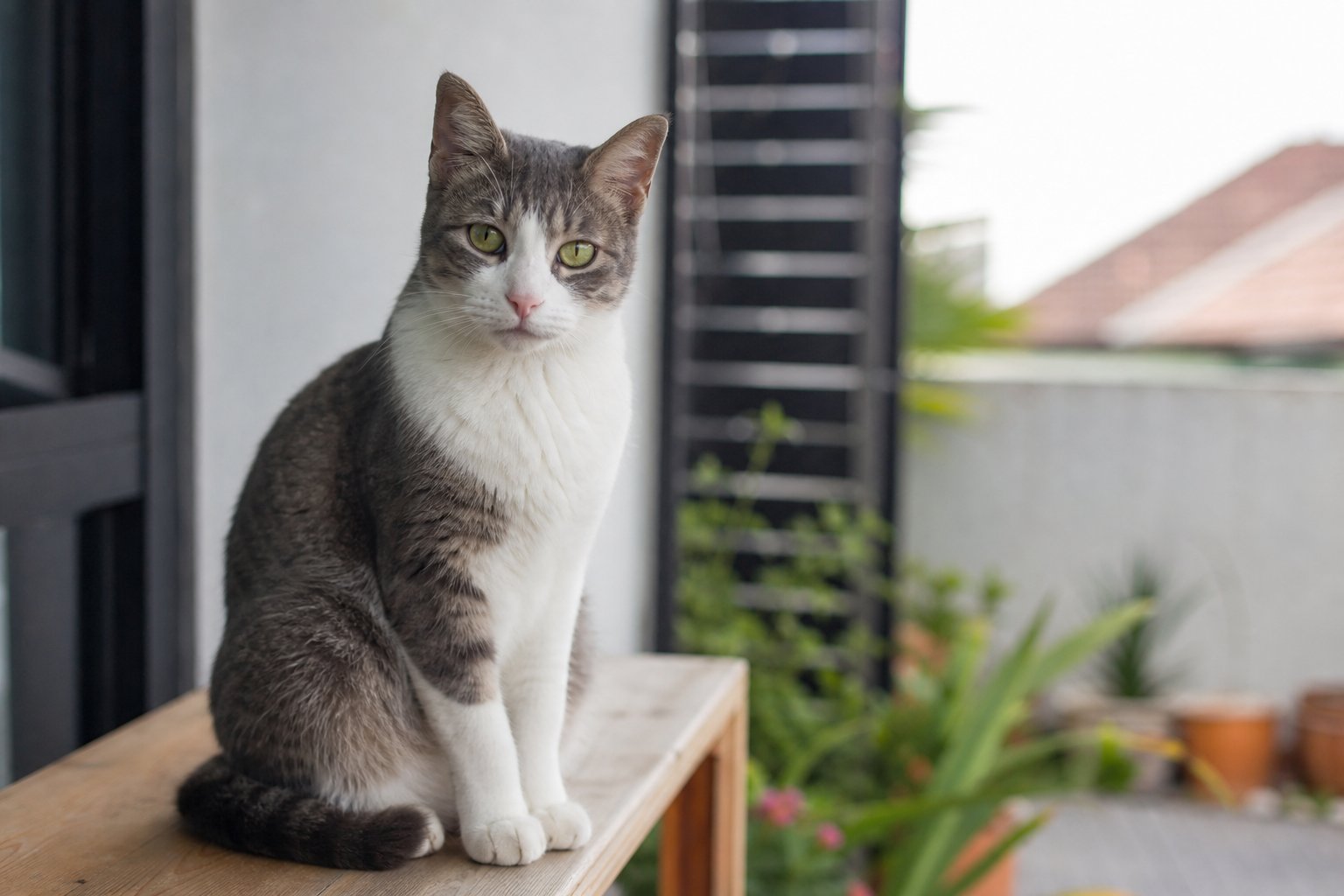
Why research the breed before you bring a cat home
Every breed comes with its own personality, activity level and health profile. Choosing badly cuts both ways: you struggle with a cat that does not fit your household, and the cat grows bored or stressed because its needs are not met. A little homework upfront saves years of friction.
Before you fall for a face, answer three questions honestly:
- How much space do you really have? A studio flat and a landed terrace suit very different cats.
- How much time can you give daily? A Siamese or Bengal will demand hours of interaction; a British Shorthair will happily nap through your working day.
- What is your realistic budget? Purchase price is only the entry fee. Large breeds and flat-faced breeds cost noticeably more to feed and treat over their lifetimes.
If you can answer all three clearly, you have already eliminated half the field.
Twelve popular cat breeds at a glance
1. Maine Coon
Often called the gentle giant, and one of the oldest natural breeds still around. Maine Coons are friendly with children and other pets, clever enough to be trained, and playful well into adulthood. The trade-offs are real: they need serious space to stretch out, they eat substantially more than an average cat, and their size pushes veterinary costs higher. Best suited to a household with room to spare and a comfortable medical budget.
2. Siamese
The conversationalist of the cat world. Siamese are vocal, extremely people-oriented, smart and lively. The flip side is that they are loud, they demand attention, and they can become anxious when left alone for long stretches. Ideal if you work from home and want a cat that genuinely talks back; a poor match if the house is empty for ten hours a day.
3. Ragdoll
Named for the way they go boneless when you pick them up. Ragdolls are exceptionally gentle, quiet and well suited to indoor living, which is why they keep appearing on beginner shortlists. They do need regular brushing, and the breed carries a known risk of an inherited heart condition, so screening matters. A calm, affectionate choice for families and first-timers alike.
4. British Shorthair
Round-faced, plush-coated, quiet and independent — the classic cat for someone with a full schedule. They are easy to care for and generally robust, but they are naturally inclined to gain weight, so portion control is not optional. Note that the breed comes in far more than the familiar blue: silver shaded, golden shaded and blue-and-white are all recognised coat variations.
5. American Shorthair
The all-round family cat: friendly, adaptable, sturdy and undemanding. American Shorthairs cope with change better than most breeds, which makes them a forgiving choice for owners who are still learning. Expect a moderate activity level and a sociable but never clingy temperament.
6. Exotic Shorthair
Think of it as the short-haired version of a Persian — gentle, quiet and happy to lounge without much exercise. The flat face, however, brings a higher chance of breathing difficulty, and the facial folds need wiping regularly. Lower effort than a Persian, but still more hands-on than a shorthair with a normal muzzle.
7. Russian Blue
Silver-grey coat, green eyes, and a personality split neatly in two: shy with strangers, fiercely loyal to the people it trusts. Russian Blues are quiet, hardy and relatively free of inherited problems, though they take their time adjusting to a new home. Give them a calm introduction and a safe retreat, and they settle beautifully.
8. Bengal
Wild-looking, strikingly patterned and enormously energetic — Bengals even enjoy playing in water. They are beautiful and clever, but they need space, puzzle toys and long daily play sessions. Under-stimulated Bengals will find their own entertainment, and it usually involves dismantling your furniture. Not a beginner breed, and not a good fit for a sedentary household.
9. Persian
Long-haired, flat-faced, serene and elegant. Persians need daily combing plus periodic professional grooming, and they are prone to respiratory and eye problems because of their facial structure. If you love the look, be ready for the maintenance schedule that comes with it.
10. Munchkin
Short-legged, cheerful and affectionate. The short legs come from a dwarfism gene, and that same gene is associated with spinal and joint problems, so jumping and climbing should be limited. There is an ongoing welfare debate around the breed, so go in with your eyes open about the ethics as well as the care.
11. Scottish Fold
Lovely, gentle and very people-oriented — but the folded ears result from a mutation that also affects cartilage throughout the body, potentially causing painful joint disease for life. Regular check-ups are essential. Think very carefully before buying one; this is a genuine welfare concern, not a fashion footnote.
12. Mixed-breed (local) cat
The everyday cat, and arguably the smartest buy. Greater genetic diversity usually translates into fewer inherited conditions, strong adaptability and a personality that is entirely its own. Mixed-breed cats are the easiest to find through shelters and rescue groups, and adoption fees are a fraction of what a pedigree commands.
The 12-breed comparison table
| Breed | Price tier | Affection | Activity | Care difficulty | Beginner-friendly |
|---|---|---|---|---|---|
| Maine Coon | High | ⭐⭐⭐⭐ | ⭐⭐⭐ | ⭐⭐⭐ | No |
| Siamese | Low–mid | ⭐⭐⭐⭐⭐ | ⭐⭐⭐⭐ | ⭐⭐ | No |
| Ragdoll | Mid–high | ⭐⭐⭐⭐⭐ | ⭐⭐ | ⭐⭐ | Yes |
| British Shorthair | Mid | ⭐⭐⭐ | ⭐⭐ | ⭐ | Yes |
| American Shorthair | Low–mid | ⭐⭐⭐ | ⭐⭐⭐ | ⭐ | Yes |
| Exotic Shorthair | Mid | ⭐⭐⭐ | ⭐ | ⭐⭐ | Yes |
| Russian Blue | Mid | ⭐⭐⭐ | ⭐⭐ | ⭐⭐ | No |
| Bengal | High | ⭐⭐⭐ | ⭐⭐⭐⭐⭐ | ⭐⭐⭐⭐ | No |
| Persian | Mid | ⭐⭐⭐ | ⭐ | ⭐⭐⭐ | No |
| Munchkin | Mid–high | ⭐⭐⭐⭐ | ⭐⭐⭐ | ⭐⭐ | No |
| Scottish Fold | Mid–high | ⭐⭐⭐⭐ | ⭐⭐ | ⭐⭐⭐ | No |
| Mixed-breed | Low | Varies | Varies | ⭐ | Yes |
Prices differ enormously between sellers and regions in Malaysia, so treat these tiers as relative guidance only. Ask a Malaysian breeder, pet retailer or shelter for current figures before you plan a budget.
Matching a breed to your home and lifestyle
By living space
- Compact unit (under roughly 900 sq ft): British Shorthair, Exotic Shorthair, Russian Blue. Quiet, low-to-moderate activity, content indoors.
- Mid-sized home: Ragdoll, American Shorthair, Siamese. Moderate play needs and enough room to patrol comfortably.
- Large home or landed property: Maine Coon, Bengal. Both need room to run and sturdy structures to climb.
By daily routine
- Long office hours: British Shorthair or Exotic Shorthair — independent and unbothered by an empty house.
- Working from home: Siamese or Ragdoll — both actively want your company and will make it known.
- Household with young children: Maine Coon or Ragdoll — patient, tolerant and slow to object to noise.
By budget
- Tight budget: adopt a mixed-breed cat. Lowest acquisition cost and, usually, the lowest genetic health risk.
- Comfortable mid-range: British Shorthair, American Shorthair, Siamese.
- Premium: Maine Coon, Ragdoll, Bengal — and remember that a bigger cat means bigger food and bigger vet bills for the next fifteen years.
Small-space cat keeping: a practical checklist
Living in a Kuala Lumpur high-rise apartment of under 900 sq ft does not disqualify you from cat ownership. It does mean you design the space deliberately.
1. Go vertical
- Place a floor-to-ceiling cat tree near a window. The cat gets sunlight and a view, and you gain back floor area.
- Mount three or four wall shelves at staggered heights — about 30 cm apart — to create a walkway along the wall.
- Clear the base of a wardrobe or the space under the bed and turn it into a hiding den with a soft mat.
2. Manage litter smell
- Use a covered litter box with an activated-carbon filter, positioned near an exhaust fan.
- Scoop twice daily and bin waste every other day; never let used litter pile up.
- Wash the cat's bedding every two weeks with a pet-safe laundry detergent.
- During the Penang rainy season, humidity makes odour and mould worse — run a dehumidifier or air purifier and dry litter boxes thoroughly before refilling.
3. Keep the peace downstairs
- Fit soft pads to furniture legs so late-night running does not become a neighbour complaint.
- Put noisy toys away before bed and switch to a silent wand toy.
- Aim for at least 15 minutes of interactive play every day; a bored cat in a small flat is a destructive cat.
4. Budget the setup once
Cat trees, wall shelves and litter furniture are one-off purchases. Consumables — quality food, litter, deworming and vaccination — are the recurring costs that actually shape your monthly budget. Work out both numbers before you commit.
What a cat really costs each month
Buying the cat is the smallest line item in the long run. Ongoing costs include premium food, litter, routine vaccination and deworming, an annual health check, and occasional grooming. Large breeds and long-haired or flat-faced breeds sit at the higher end of that range.
If money is tight, the most workable combination is adopting a mixed-breed cat and controlling consumable spending. If you are set on a pedigree, set aside a separate medical reserve — inherited conditions can arrive without warning and treatment is not cheap.
Before paying anything, add up two figures: purchase or adoption fee, plus first-year running costs. If the total makes you hesitate, wait. A cat is a fifteen-year commitment, and financial stress shows up in how well an animal is cared for.
Adopt or buy?
Adoption. Shelters and rescue groups regularly have mixed-breed cats, and occasionally pedigrees too. The fee is low, you are saving an animal, and the only unknown is personality — which you can discover by spending time with the cat before committing.
Buying. Use a reputable breeder and ask to see the parents' health screening records for the conditions common to that breed, such as kidney disease or heart disease. Walk away from any seller who cannot or will not produce documentation.
Either way, plan for window screens or balcony grilles, core vaccinations, and a decision on spaying or neutering. Ask yourself plainly: can you provide a stable home and a steady budget for well over a decade?
When to see a vet
See a veterinarian promptly if you notice any of the following:
- Loss of appetite lasting more than 24 hours, or refusal to drink water
- Repeated vomiting, diarrhoea, or blood in urine or stool
- Laboured breathing, persistent coughing or open-mouth breathing
- Lethargy, hiding, or a sudden change in behaviour
- Weight loss despite normal eating, especially in flat-faced breeds
- Stiffness, reluctance to jump or paw at the ears — relevant for Munchkins and Scottish Folds
- Any kitten or cat that has not yet completed its vaccination course and is exposed to other animals
Breed-specific risks deserve particular attention: heart screening for Ragdolls, joint and spinal assessment for short-legged breeds, and respiratory checks for flat-faced cats. Book a full health examination within the first week of bringing any new cat home.
Start today
- Answer the three questions — space, time, budget — and cross off every breed that fails one.
- Shortlist two or three candidates and read up on each breed's health risks.
- Visit a shelter such as the SPCA to meet cats in person before you spend anything.
- Calculate purchase or adoption fee plus first-year running costs as a single figure.
- Register your cat's details with the Department of Veterinary Services once ownership is confirmed, and keep vaccination records in one place.
Pick the cat that fits your life, not the one that looks best online. The right match is the one you can still afford, and still enjoy, fifteen years from now.
This article is general information only and is not a substitute for professional veterinary advice. Consult a registered veterinarian for diagnosis, treatment and breed-specific health screening.
Related reading
- Cat Breeds in Malaysia: A Practical Guide to Choosing the Right Cat (2026)
- Ragdoll in Malaysia: The 8 Real Costs Before You Bring One Home
- Ragdoll Cat Colours and Patterns: Point, Mitted and Bicolor Explained
- Calico Cats in Malaysia: Is Calico a Breed, and How Do You Tell a Calico, Tortie and Torbie Apart?