
Dachshund
Dachshund · Dog · Malaysia
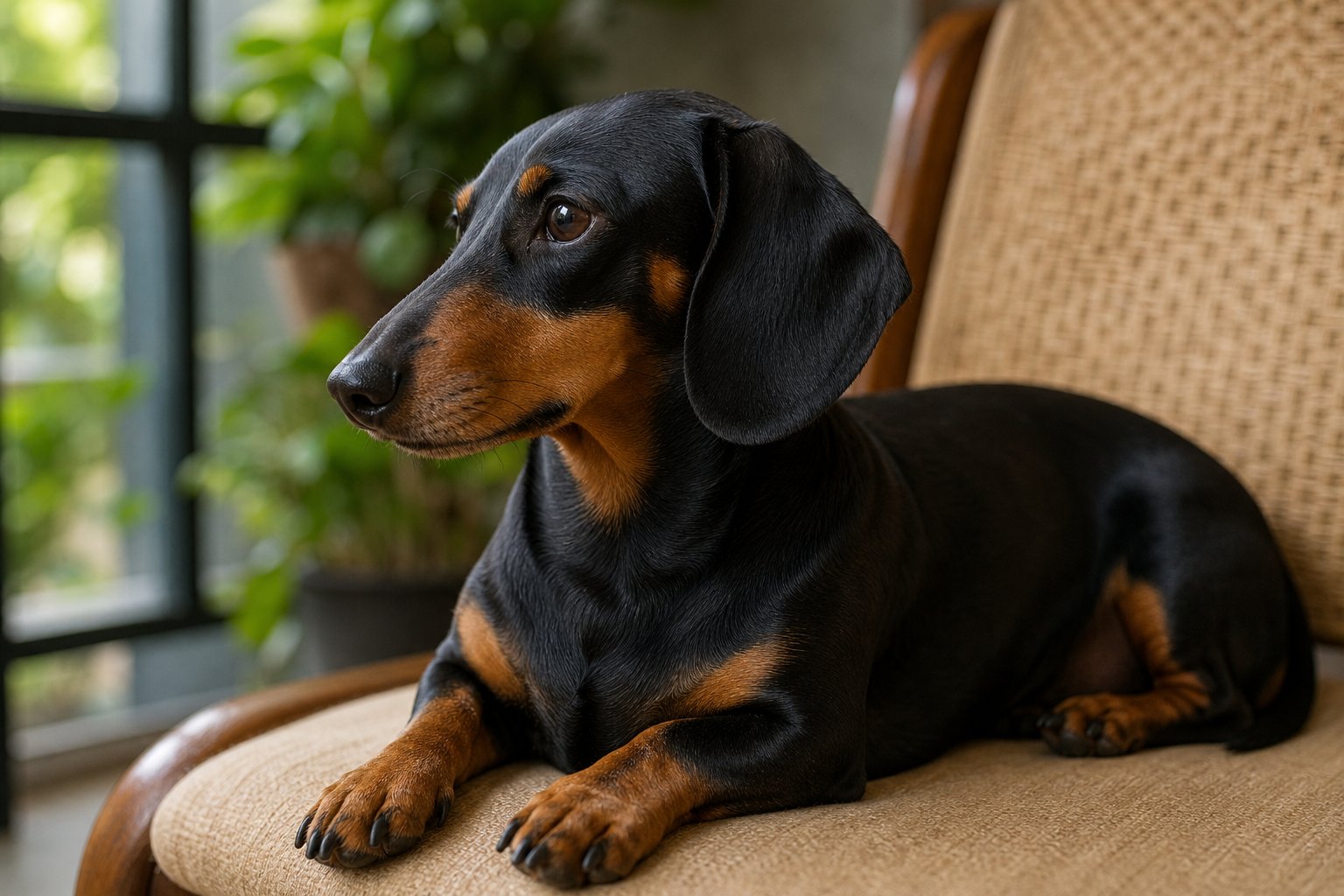
Quick answer
A Dachshund suits Malaysian condo living well when kept cool, lean and active. Protect its long back by limiting jumping and stairs, brush according to coat type, and see a local vet early for back pain or weight gain.
Quick facts
- Origin
- Germany
- Size
- Small
- Lifespan
- 12-16 years
- Weight
- Small breed, typically around 7 to 15 kg depending on type
- Coat
- Smooth, longhaired or wirehaired
- Price guidance
- Ask local breeders for a current quote; prices vary with papers, colour, size and availability.
Personality
- Bold
- Curious
- Stubborn
- Affectionate
- Alert
The Dachshund is a small German breed with a long body, short legs and a bold, curious nature. In Malaysia's hot, humid climate it does best as an indoor companion in apartments and condos, with cool, ventilated spaces and short, well-timed outings. This guide covers temperament, daily care, health watchpoints and how to choose one responsibly.
Temperament in a Malaysian Home
Dachshunds are bold, curious and often more stubborn than their size suggests. They were bred to work, so they like to investigate, dig and follow interesting smells, which can mean barking at corridor noise or doorbells in a condo. They bond closely with their people and can be wary of strangers, so early, gentle socialising helps them stay relaxed around visitors, neighbours and other dogs. Their small stature makes them easy to keep indoors, but their confidence means they still need clear boundaries. In Malaysian homes, a Dachshund that is bored or under-exercised is more likely to bark, chew or guard space. Give them daily activity, a quiet retreat and consistent rules, and they become affectionate, entertaining companions that suit family life in a flat or landed home.
Daily Life in Malaysia's Climate
A Dachshund's low-slung body makes it a natural indoor dog, which suits apartment and condo living. The main daily challenge is heat and humidity: keep rooms well ventilated or air-conditioned during hot afternoons, provide shade and fresh water, and never leave the dog in a parked car. Walk in the cooler early morning or evening, and check pavement temperature with your hand before setting out. Smooth-coated dogs handle warmth better than longhaired or wirehaired ones, which need more careful cooling and grooming. Build a routine around short walks, indoor play, meals and rest. Because stairs and jumping stress the long back, use ramps or carry the dog on stairs where possible, and keep resting spots away from direct sun and hot floors.
Grooming for Coat Types
Coat type sets the grooming routine. Smooth-coated Dachshunds need a weekly brush with a soft rubber curry or bristle brush to remove loose hair and spread natural oils. Longhaired Dachshunds need daily combing, especially behind the ears, under the legs and along the belly, to prevent tangles and matting in humid weather. Wirehaired Dachshunds need occasional hand-stripping or professional trimming rather than frequent clipping, plus brushing to keep the coat tidy. All coat types benefit from regular teeth cleaning, since dental problems are common in small breeds. Check ears weekly and dry them after baths or rainy walks, bathe only when needed with a mild dog shampoo, and keep nails trimmed. In Malaysia's humidity, dry the coat thoroughly to reduce skin irritation.
Exercise for a Long Back
Dachshunds need daily activity, but the goal is steady movement rather than jumping and twisting. Two short walks in the cooler parts of the day, plus indoor play and scent games, usually suit a condo dog. Avoid stairs where you can, discourage jumping off sofas and beds, and use ramps or lift the dog down to protect the spine. Swimming is not a natural fit for this body shape, so skip pools and focus on flat, shaded walking routes. Puppies should have gentle, age-appropriate activity rather than long forced marches. Watch for overheating in the hot, humid afternoons and carry water on outings. A lean, well-exercised Dachshund is easier to keep mobile and comfortable, and regular gentle activity supports both weight control and mood.
Training a Determined Dachshund
Dachshunds are intelligent but independent, so training works best with short, positive sessions and rewards the dog actually values. Start with recall, loose-lead walking, settling quietly at home and polite greeting at the door, since barking at corridor sounds is a common condo issue. Use food treats, praise and play, and keep sessions brief so the dog does not lose interest. Avoid harsh corrections, which tend to make this breed more stubborn. Socialise puppies gently to different people, sounds, surfaces and other dogs once vaccinations allow. Crate or pen training can help with rest and safety at home. Because back care matters, teach the dog to use a ramp and to wait for help getting on or off furniture. Consistency across the household makes training much easier.
Feeding and Weight Control
Diet is central to Dachshund care because extra weight strains the long back and short legs. Feed a complete, balanced dog food suited to small breeds and the dog's life stage, and measure portions rather than free-feeding. Treats should be small and counted within the daily intake, and human food should be avoided, especially fatty, salty or toxic items such as chocolate, grapes and onions. Fresh water must be available at all times, particularly in Malaysia's heat. Puppies need appropriate growth food and frequent small meals, while adults usually do well on two meals a day. Monitor body shape by feel rather than guesswork, and ask your vet if the dog is gaining or losing weight unexpectedly. Keep food sealed and stored cool to prevent spoilage in humid conditions.
Health Watchpoints
Back problems are the main concern for this breed, so avoid jumping and stairs, keep the dog lean and see a vet at once for back pain, dragging legs or paralysis. Dental disease is also common in small dogs, so brush teeth regularly and arrange dental checks. Obesity worsens back and joint strain, making portion control and daily activity important. Some Dachshunds develop skin issues in humid weather, so keep the coat dry and clean and check folds and ears. Ear infections can follow swimming or dampness, and eyes should be checked if irritation appears. Patellar luxation and other joint concerns are seen in small breeds, so report lameness or stiffness. Use a local vet you trust for routine checks, vaccinations and parasite prevention suited to Malaysia.
Intervertebral disc disease
Watch for: Back pain, reluctance to move, yelping when lifted, wobbling, dragging legs or paralysis.
Care: Prevent jumping and stairs, keep weight lean, use ramps, and contact a vet immediately if signs appear.
Dental disease
Watch for: Bad breath, tartar, red gums, drooling, difficulty eating or pawing at the mouth.
Care: Brush teeth regularly, offer appropriate dental chews, and arrange professional dental checks with your vet.
Obesity
Watch for: Weight gain, reduced activity, difficulty grooming the belly, or a waist that disappears.
Care: Measure meals, limit treats, keep daily exercise gentle and regular, and ask your vet about ideal weight.
Patellar luxation
Watch for: Occasional skipping on a hind leg, stiffness after rest, or reluctance to jump and climb.
Care: Keep the dog lean, avoid rough play and high jumps, and have lameness assessed by a vet.
Choosing a Dachshund in Malaysia
Choose a Dachshund whose temperament suits your household and whose body looks healthy and proportionate, with a strong, level back and no obvious lameness. Ask to see the puppy with its mother where possible, and check that the living area is clean, cool and well ventilated. Coat type matters in Malaysia: smooth coats are easier to cool and groom, while longhaired and wirehaired dogs need more coat care. Discuss health background and ask about back and dental history in the lines. Consider an adult rescue if you prefer a known temperament. Before bringing one home, budget for routine vet care, grooming tools, a ramp or steps, and cooling arrangements. Confirm your condo allows dogs and plan for daily walks in cooler hours.
Caring in Malaysia
- The small, low-slung body suits indoor living; keep it cool and well ventilated during hot afternoons and never leave the dog in a parked car.
- Coat type sets the routine: smooth coat brushed weekly, longhaired combed daily, wirehaired occasionally hand-stripped — all with regular teeth cleaning.
- Back problems are the main worry: no jumping or stairs, and see a vet at once for pain, dragging legs or paralysis; also control weight and teeth.
Frequently asked questions
Is a Dachshund suitable for a Malaysian apartment or condo?
Yes, a Dachshund can suit condo living because its small size works well indoors. It still needs daily walks in cooler hours, indoor play, quiet space and help with stairs and furniture to protect its back.
How do I keep a Dachshund cool in Malaysia's hot and humid weather?
Keep the dog indoors in ventilated or air-conditioned rooms during hot afternoons and walk early or late. Provide shade and fresh water, never leave it in a parked car, and dry the coat after rain or baths to reduce skin problems.
How much grooming does a Dachshund need?
Grooming depends on coat type: smooth coats need weekly brushing, longhaired dogs need daily combing, and wirehaired dogs need occasional hand-stripping. All need regular teeth cleaning, ear checks and nail trims in Malaysia's humid climate.
Can Dachshunds use stairs?
It is better to limit stairs because the long back is vulnerable to disc problems. Use ramps or carry the dog on stairs where possible, discourage jumping off furniture, and see a vet promptly for back pain or weakness.
Are Dachshunds easy to train?
They are intelligent but independent, so training needs short, positive sessions with rewards the dog values. Focus on recall, loose-lead walking, quiet settling at home and polite door behaviour, and stay consistent across the household.
What should I feed a Dachshund in Malaysia?
Feed a complete, balanced small-breed diet in measured portions, with fresh water always available. Limit treats, avoid toxic human foods, and keep the dog lean because excess weight strains the back and short legs.
Related breeds
Dog guides →

Related articles
- Dachshund Care in Malaysia: Protecting a Long Back from Condo Floors to Terraces
Your dachshund's care boils down to three daily habits: no jumping, controlled weight, and a two-handed lift that keeps the spine level.
- Dachshund Care in Malaysia: Back Protection, Weight Control and Daily Routine
Dachshunds are charming but structurally vulnerable. This guide explains how to protect their back at home, keep weight in check, groom ears and teeth, and recognise warning signs that need a vet.
Related products at PetChill
Sources
Last reviewed: 2026-11-16
For health concerns, consult a licensed veterinarian in Malaysia.