
Pomeranian
Pomeranian · Dog · Malaysia
Quick answer
A Pomeranian suits Malaysian condo life only with air-conditioning and careful heat management. Brush the double coat two to three times weekly, walk at dawn or dusk, and watch for luxating patella, collapsing trachea and low blood sugar.
Quick facts
- Origin
- Germany
- Size
- Small
- Lifespan
- 12-16 years
- Weight
- Small breed; exact size not documented
- Coat
- Thick double coat requiring two to three brushes weekly
- Price guidance
- Ask local breeders for a current quote; prices vary with papers, colour, size and availability.
Personality
- Alert
- Confident
- Lively
- Affectionate
- Vocal
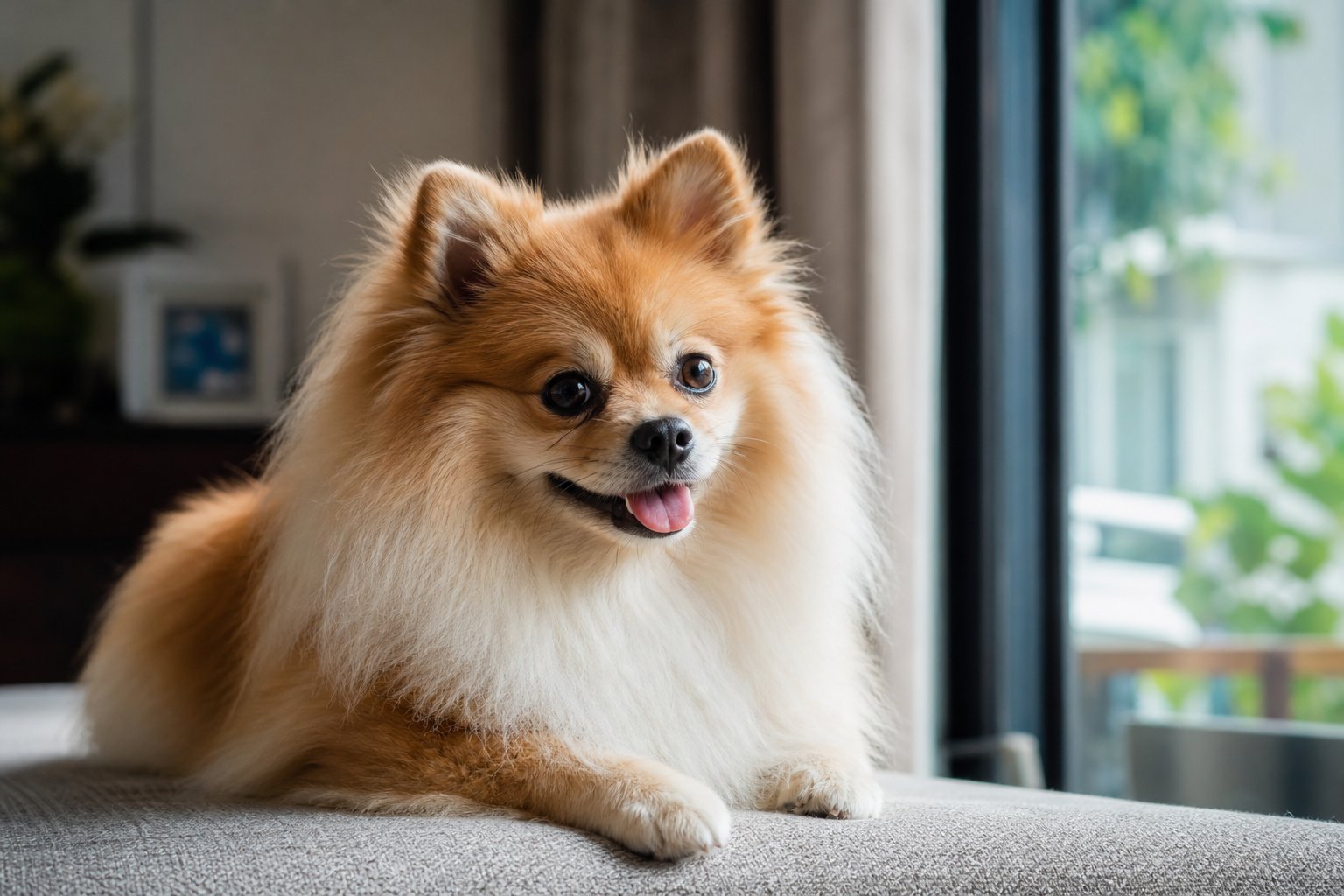
Pomeranians are small, bright and busy companion dogs with a thick double coat that struggles in Malaysia's heat and humidity. They adapt well to apartments and condos when kept cool indoors and exercised at the right hours. This guide covers temperament, grooming, training, diet and the health signs local owners should know.
Temperament in a Malaysian Home
Pomeranians are alert, curious and confident for their size, often acting like a much larger dog. They bond closely with their people and dislike being left alone for long stretches, which can lead to barking that travels easily through condo walls. Most are friendly but can be wary of strangers, so early socialising matters. Their small stature makes them easy to handle, yet they still need mental stimulation or they become noisy and restless. In Malaysian households they often attach to one person and follow them from room to room. Expect a vocal, lively companion that enjoys being near you rather than a calm lap dog content to sit alone on the balcony.
Daily Life in Condos and Apartments
A Pomeranian fits condo living well because it needs limited space, but the climate changes the routine. Keep the dog indoors with air-conditioning or fans during the hottest part of the day, and use pee pads or a designated indoor spot for quick toilet breaks when it is too hot outside. Vertical space helps: a small ramp or steps lets the dog join you on the sofa without jumping. Lift rather than let it leap off high furniture. Neighbours notice barking, so plan quiet enrichment such as puzzle toys and chews. Many Malaysian owners find a morning and evening routine works best, with the dog resting in a cool room through midday.
Grooming for Heat and Humidity
The dense double coat is the biggest grooming challenge in Malaysia. Brush two or three times a week with a slicker brush and metal comb to reach the undercoat, preventing matting and reducing shedding around the home. Never shave the coat down to the skin, as it insulates against heat and protects the skin. Bathe regularly with a dog shampoo and dry the coat completely, especially around the chest, armpits and behind the ears, because trapped moisture in humid weather encourages skin problems. Check ears weekly and trim nails when they click on the floor. Many owners book a professional groomer occasionally for a thorough deshed and tidy, but home brushing remains essential between visits.
Exercise Without Overheating
Pomeranians need short, regular activity rather than long outings. Two brief walks at dawn or after sunset suit the Malaysian climate, with indoor play filling the rest of the day. Avoid midday walks on hot pavement, which can burn small paws, and never leave the dog in a parked car even briefly. Watch for heavy panting, lagging behind or seeking shade, and stop before the dog overheats. A brisk ten to fifteen minutes plus fetch or chase games indoors is often enough. Because the breed is small, jumping from heights strains the knees, so limit sofa leaping. Mental exercise, such as sniffing games and simple tricks, tires a Pomeranian as effectively as physical activity.
Training a Small, Vocal Dog
Pomeranians are intelligent and learn quickly, but they can be stubborn and prone to barking if bored. Use short, positive sessions with treats and praise, and keep them consistent so the dog knows what earns rewards. Teach a quiet cue early, especially in condos where barking carries. Housetraining needs patience with a small bladder, so take the dog out frequently and reward success. Socialise gently with different people, sounds and calm dogs once vaccinations are complete. Avoid harsh corrections, which make a sensitive small dog defensive. Crate or pen training gives the dog a safe rest spot and helps prevent accidents when you are out. Enrol in a local puppy class if available.
Feeding and Weight Control
Small breeds like the Pomeranian can gain weight easily, and extra kilos strain the knees and heart. Feed a complete small-breed dog food in measured portions, splitting the daily amount into two or three meals, and adjust according to body condition rather than guesswork. Treats should be small and counted within the daily allowance. Some Pomeranians, particularly tiny puppies, are prone to low blood sugar, so regular meals matter; ask your vet about feeding frequency for a young or very small dog. Always provide fresh water, especially in air-conditioned rooms where the air is dry. Avoid sudden diet changes and keep human food, especially fatty or spicy dishes, away from the dog.
Health Watch in Malaysian Conditions
Pomeranians are generally hardy but have documented breed tendencies worth monitoring. Patellar luxation, where the kneecap slips, shows as limping or a skipping back leg. Collapsing trachea causes a honking cough, worsened by tight collars, so use a harness instead. Tiny puppies can develop low blood sugar, presenting as weakness or wobbling, which needs prompt veterinary attention. Dental disease is common in small breeds, so brush teeth and arrange checks. The thick coat and humid climate raise the risk of skin irritation, so dry the dog fully after baths and keep the coat brushed. Regular vet visits at a local clinic help catch problems early; never attempt diagnosis at home.
Patellar luxation
Watch for: Limping, a skipping back leg, or reluctance to jump and run.
Care: Keep weight lean, limit jumping from furniture, use ramps, and have a vet assess any persistent lameness.
Collapsing trachea
Watch for: A honking cough, noisy breathing, or coughing when excited or pulling on a leash.
Care: Walk on a harness instead of a collar, avoid neck pressure, and seek veterinary advice for ongoing coughs.
Low blood sugar in tiny puppies
Watch for: Sudden weakness, wobbling, lethargy or refusal to eat in a very small young dog.
Care: Feed regular small meals, follow vet guidance on feeding frequency, and treat weakness as urgent.
Dental disease
Watch for: Bad breath, tartar buildup, drooling or difficulty chewing.
Care: Brush teeth regularly, offer appropriate chews, and arrange professional dental checks with your vet.
Choosing a Pomeranian in Malaysia
Before bringing a Pomeranian home, consider whether your household can keep the dog cool and company most of the day. Visit the puppy or dog in person, observe energy and breathing, and ask about vaccination and health records. A responsible breeder or rehoming group will let you meet the dog and answer questions without pressure. Check that the coat is clean and free of mats and that the dog moves without limping. Confirm your condo allows pets and that someone can manage midday heat. Budget for grooming, air-conditioning and veterinary care rather than focusing on the purchase alone. If you travel often, arrange reliable care, as this breed dislikes long separation.
Caring in Malaysia
- The Pomeranian's thick double coat makes it overheat quickly in Malaysian weather. Keep it indoors with air-conditioning, avoid midday walks, and never leave it in a parked car.
- Brush the dense undercoat two or three times a week to prevent matting and reduce shedding around the house. Bathe regularly and dry fully, as trapped moisture can cause skin issues.
- Look for limping or a skipping back leg, signs of patellar luxation, and any honking cough that may mean a collapsing trachea. Sudden weakness can indicate low blood sugar.
Frequently asked questions
Can a Pomeranian live comfortably in a Malaysian condo?
Yes, a Pomeranian can live comfortably in a condo if kept cool indoors and exercised at dawn or dusk. The breed needs air-conditioning or fans during hot afternoons, quiet enrichment to prevent barking, and regular grooming. Confirm your building allows pets and plan indoor toilet options for the hottest hours.
How often should I brush my Pomeranian in Malaysia?
Brush two or three times a week to manage the dense double coat in humid weather. Use a slicker brush and metal comb to reach the undercoat, and brush more often during shedding periods. Complete drying after baths is essential, because trapped moisture in the coat can lead to skin irritation.
When is the safest time to walk a Pomeranian in Malaysia?
Walk early in the morning or after sunset to avoid the midday heat. Hot pavement can burn small paws, and the thick coat makes overheating likely. Keep walks short, watch for heavy panting, and never leave the dog in a parked car even for a few minutes.
Do Pomeranians bark a lot in apartments?
Pomeranians are alert and often vocal, so barking is common without training. Teach a quiet cue early, reward calm behaviour, and provide puzzle toys and chews to prevent boredom barking. In condos, keep the dog away from corridor noise and address excessive barking with positive training rather than punishment.
What health signs should Pomeranian owners watch for?
Watch for limping or a skipping back leg, a honking cough, sudden weakness in tiny puppies, and bad breath or dental tartar. These can point to patellar luxation, collapsing trachea, low blood sugar or dental disease. Use a harness, keep weight lean, and see a local vet promptly for persistent signs.
Should I shave my Pomeranian for the Malaysian heat?
No, shaving the coat down is not recommended. The double coat insulates against heat and protects the skin, and shaving can affect regrowth and sun protection. Instead, keep the dog in air-conditioning, brush regularly to remove loose undercoat, and rely on shade, cool water and timing walks wisely.
Related breeds
Dog guides →
Related articles
- Pomeranian Colours in Malaysia: White, Cream, Orange and What Each Really Costs You
Pomeranians come in more than twenty recognised colours, sorted into five practical families. White and cream attract a demand premium, but no colour is healthier than another — what changes is upkeep: white yellows, light coats show tear stains, dark coats fade in sun. Pick for your lifestyle, and check health records before paying extra.
- Pomeranian Colours in Malaysia: Coat Types, Care and What to Ask Before You Buy
Pomeranian colours range from classic orange to cream, white, black, parti and sable. Colour affects grooming and how visible stains are, not health. Here is how Malaysian owners can choose sensibly and care for each coat type.
Related products at PetChill




Sources
Last reviewed: 2026-11-16
For health concerns, consult a licensed veterinarian in Malaysia.