
Poodle
Poodle · Dog · Malaysia
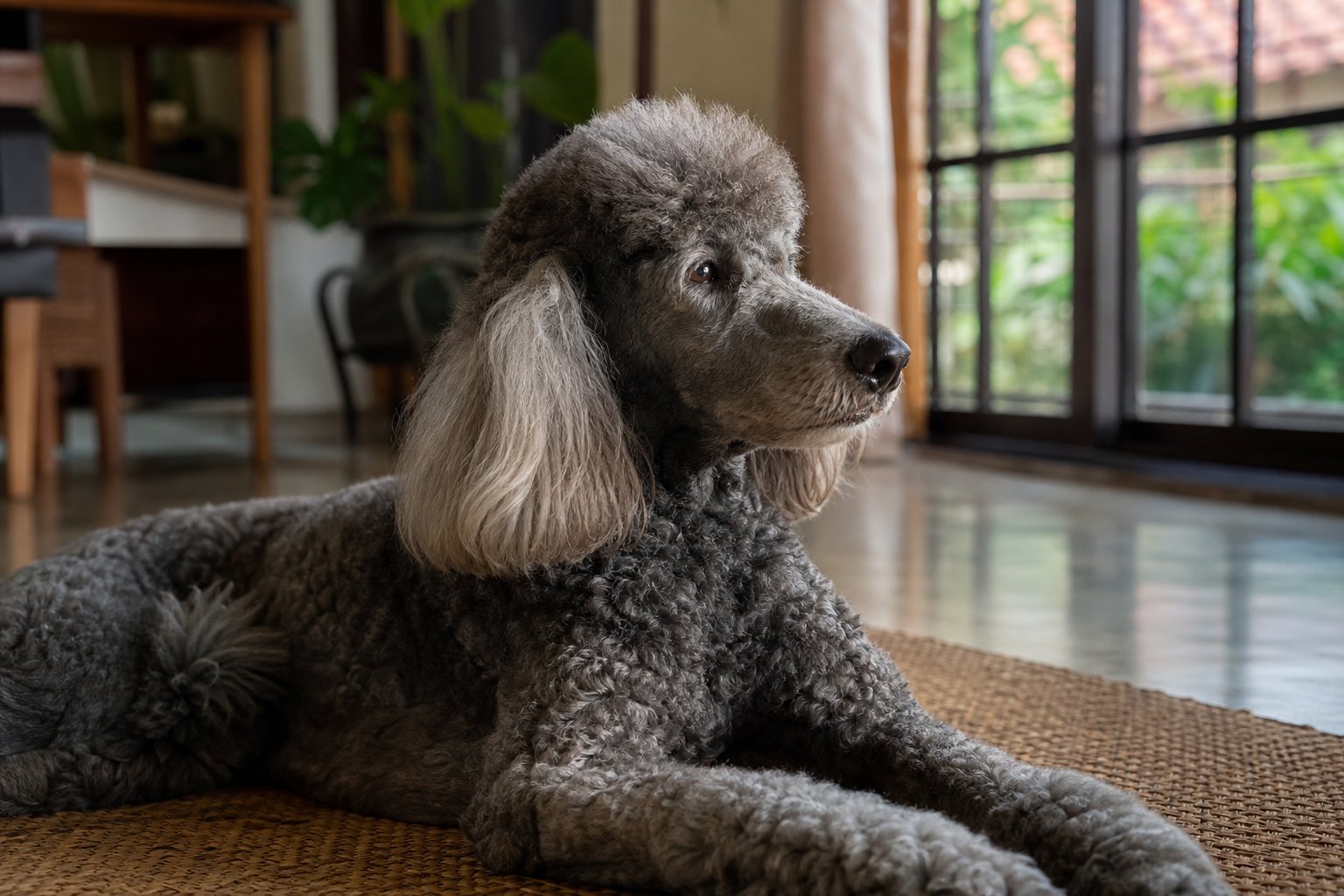
Quick answer
Poodles suit Malaysian living well: they are smart, adaptable and thrive in air-conditioned condos with daily walks in cooler hours. Their curly coat needs professional grooming every four to six weeks, and ears need regular checking in the humid climate.
Quick facts
- Origin
- Germany / France
- Size
- Toy to standard
- Lifespan
- 12–15 years
- Weight
- Toy, Miniature and Standard sizes vary widely; ask your vet to assess your individual dog's healthy weight.
- Coat
- Dense curly coat that grows continuously and needs professional grooming every four to six weeks plus regular brushing.
- Price guidance
- Ask local breeders for a current quote; prices vary with papers, colour, size and availability.
Personality
- Intelligent
- Sociable
- Eager to please
- Sensitive
- Playful
Poodles are among the most adaptable companion breeds, ranging from Toy to Standard size, and they handle apartment life in Malaysia comfortably when exercise and grooming are kept consistent. Their intelligence makes training rewarding, while their curly coat and drop ears demand routine care in a hot, humid climate. This guide covers the practical basics for Malaysian owners.
Temperament in a Malaysian Home
Poodles are bright, sociable and eager to please, which makes them affectionate family dogs that often bond closely with one or two people. They are alert and can be vocal, so condo neighbours may hear barking at corridor sounds unless you teach quiet settle behaviour early. Separation tolerance varies by individual, and many Poodles dislike long stretches alone, so households with someone home often suit them best. They are playful well into adulthood and enjoy interactive toys and puzzle feeders. With strangers they are usually friendly but reserved at first. Because they are sensitive to tone, harsh corrections backfire; calm, consistent guidance builds confidence. In Malaysian homes, a Poodle that gets daily mental work and a predictable routine is generally calm indoors and less prone to nuisance barking.
Daily Life in Condos and Landed Homes
A Poodle fits condo living when its day includes structured activity and rest. Plan walks for early morning and after sunset to avoid the midday heat, and check pavement temperature with your hand before setting out. Indoors, air-conditioning or fans help prevent overheating, but avoid chilling a damp dog after grooming. Provide a quiet crate or bed away from busy corridors so the dog can retreat from lift and door noise. Toilet training needs patience in high-rise homes; a consistent balcony or outdoor spot and frequent trips for puppies work better than punishment. If you live in a landed property, secure gates and drains, and watch for standing water where mosquitoes breed. Keep a towel by the door during rainy season to dry paws and reduce dampness carried indoors.
Coat and Ear Care in Humid Weather
The Poodle's curly coat grows continuously and mats easily, so professional grooming every four to six weeks is the practical baseline in Malaysia's humidity. Between visits, brush several times weekly in small sections, working down to the skin, and use a metal comb to check for tangles behind ears, under legs and around the collar. Bathe only when needed with a dog-specific shampoo, then dry thoroughly, because a damp coat left against the skin encourages irritation. Trim hair around the eyes and sanitary areas for hygiene. Drop ears trap moisture, so check ear canals weekly for redness, odour or discharge and keep them dry after swimming or bathing. Nails, teeth and paw pads also need routine attention. Never shave the coat right down without veterinary or groomer advice, as skin protection matters.
Exercise Around Heat and Rain
Poodles need daily exercise matched to their size, from short gentle strolls for Toys to longer brisk walks and play for Standards. In Malaysia, timing matters more than distance: walk in the cooler early morning or evening, keep sessions shorter in the hot months, and carry water. Watch for heavy panting, slowing pace or seeking shade, and move indoors if the dog seems overheated. Rainy afternoons are ideal for indoor games such as fetch along a corridor, hide-and-seek, or stair-free trick practice. Swimming is excellent exercise for healthy Poodles if introduced safely, but rinse and dry the coat and ears afterwards. Avoid strenuous activity on hot pavement and never leave a dog in a parked car. Puppies and seniors need gentler, more frequent sessions rather than long outings.
Training a Sensitive, Clever Breed
Poodles learn quickly, which is both an advantage and a trap: they notice inconsistency fast. Keep sessions short, frequent and reward-based, using small food treats or toy play, and end while the dog is still succeeding. Start with name recognition, recall, loose-lead walking and settle-on-mat, since these matter most in condo corridors and lifts. Socialise puppies gently to household sounds, visitors, other dogs and handling, without overwhelming them. Because Poodles are sensitive, avoid shouting or physical corrections; redirect instead. Mental stimulation counts as training, so puzzle feeders, scent games and simple trick chains prevent boredom and reduce barking. Enrol in a local positive-reinforcement class if available, and practise briefly in different rooms so cues generalise. Consistency across family members keeps progress steady.
Feeding a Poodle in Malaysia
Choose a complete dog food suited to your Poodle's life stage and size, and measure portions rather than free-feeding, since Poodles can gain weight when under-exercised. Toy and Miniature Poodles do well with smaller kibble or appropriately sized wet food, while Standards need larger portions. Treats should be small and counted within the daily intake. In a hot climate, always provide clean water in several bowls and refresh it often; some dogs drink less in air-conditioning, so monitor intake. Avoid sudden diet changes, and introduce new food gradually over about a week. Human foods high in fat, salt, onion, garlic, chocolate, grapes and xylitol are unsafe, so keep them out of reach. Ask your local vet for guidance on weight, dental diet and any age-related adjustments rather than following internet feeding trends.
Health Watch in Tropical Conditions
Poodles are generally robust, but owners should stay alert to breed tendencies and climate-related issues. Skin fold and ear problems flare in humidity, so dry coats and ears carefully and check weekly. Patellar luxation and hip concerns appear in some lines, so keep weight lean and avoid repetitive jumping on hard floors. Eye conditions such as progressive retinal atrophy and cataracts are documented, and routine vet checks help track changes. Dental disease is common in small breeds, making brushing and professional checks worthwhile. In Malaysia, ensure heartworm prevention and tick and flea control follow local veterinary advice, and watch for heat stress during walks. Vaccination schedules and parasite prevention should be tailored by your vet. Early veterinary review is sensible whenever you notice persistent scratching, limping, coughing or appetite changes.
Patellar luxation
Watch for: Occasional skipping on a hind leg, a sudden yelp, or reluctance to jump.
Care: Keep weight lean, avoid slippery floors and repetitive jumping, and have your vet assess any lameness.
Hip dysplasia
Watch for: Stiffness after rest, reluctance to climb stairs, or reduced willingness to walk.
Care: Maintain lean body condition, use controlled exercise, and seek veterinary advice for persistent lameness.
Progressive retinal atrophy
Watch for: Clumsiness in dim light, bumping into furniture, or reduced interest in toys.
Care: Arrange regular eye checks with your vet and keep the home layout consistent for confidence.
Ear infections
Watch for: Head shaking, scratching at ears, redness, odour or discharge in humid weather.
Care: Check ears weekly, dry them after bathing or swimming, and let your vet examine persistent irritation.
Choosing the Right Poodle for You
Decide first on size and energy fit: Toy and Miniature Poodles suit smaller condos, while Standards need more room and longer walks. Meet the puppy or adult dog and observe temperament rather than picking on looks alone. Ask the breeder or rehoming group about health screening of parents, vaccination records, socialisation and how the dogs are kept. A responsible source welcomes questions and lets you see the mother with her litter. Consider grooming costs and time before committing, because the coat requires professional care every four to six weeks. If you travel often, plan reliable care. Adoption from a local rescue is a valid route, especially for adult dogs whose temperament is already known. Budget for routine vet care, parasite prevention and grooming as ongoing commitments rather than one-off expenses.
Caring in Malaysia
- Coat needs professional grooming every four to six weeks.
- Ear canals need regular checking in humid weather.
- Mental stimulation matters; short training sessions work well.
Frequently asked questions
Do Poodles cope well with Malaysia's hot and humid weather?
Yes, Poodles can cope when owners manage heat and humidity carefully. Walk them in the cooler early morning or evening, provide shade and water, keep them in air-conditioned or fan-ventilated spaces, and dry the coat and ears thoroughly after rain or bathing to prevent skin and ear problems.
How often should a Poodle be groomed in Malaysia?
Professional grooming every four to six weeks is the practical routine for most Poodles here. The curly coat mats quickly in humidity, so brush several times weekly between appointments, check behind the ears and under the legs, and keep the coat fully dry to protect the skin.
Are Poodles suitable for apartment or condo living?
Yes, Poodles generally adapt well to apartments and condos when their exercise and mental needs are met. Choose a size that fits your space, provide daily walks at cooler hours, use puzzle toys indoors, and teach quiet settle behaviour so corridor noise does not trigger constant barking.
How much exercise does a Poodle need each day?
Most Poodles need daily exercise adjusted to their size, from short strolls for Toys to longer brisk walks for Standards. Split activity into cooler morning and evening sessions, add indoor play on rainy days, and watch for overheating signs such as heavy panting or slowing pace.
Are Poodles easy to train?
Yes, Poodles are highly trainable because they are intelligent and eager to please. Keep sessions short and reward-based, practise recall and loose-lead walking early, socialise gently, and avoid harsh corrections since the breed is sensitive to tone and inconsistency.
What health checks should a Poodle have in Malaysia?
Routine veterinary checks should cover weight, teeth, ears, eyes, joints and skin, alongside locally appropriate parasite prevention and vaccination. Ask your vet about heartworm and tick control, and raise any persistent scratching, limping, coughing or appetite change promptly rather than waiting.
Related breeds
Dog guides →
Related articles
- Poodle in Malaysia: The Honest Guide to 7 Drawbacks, Grooming Costs and How to Manage Them
Poodles are clever, low-shedding and apartment-friendly, but they come with three fixed obligations: professional grooming every four to six weeks, weekly ear care and early separation training. Miss any one and the dog turns into a complaint source. This is the honest version of the breed.
- Poodle Price Malaysia 2026: Toy, Miniature, Standard and Giant Poodles, Plus Adoption
Poodle prices in Malaysia vary with size class, pedigree papers, health screening and colour marketing. Adoption is far cheaper and usually includes desexing and first vaccinations — confirm current rates with a Malaysian breeder, shelter or vet.
Related products at PetChill
Sources
Last reviewed: 2026-11-16
For health concerns, consult a licensed veterinarian in Malaysia.