
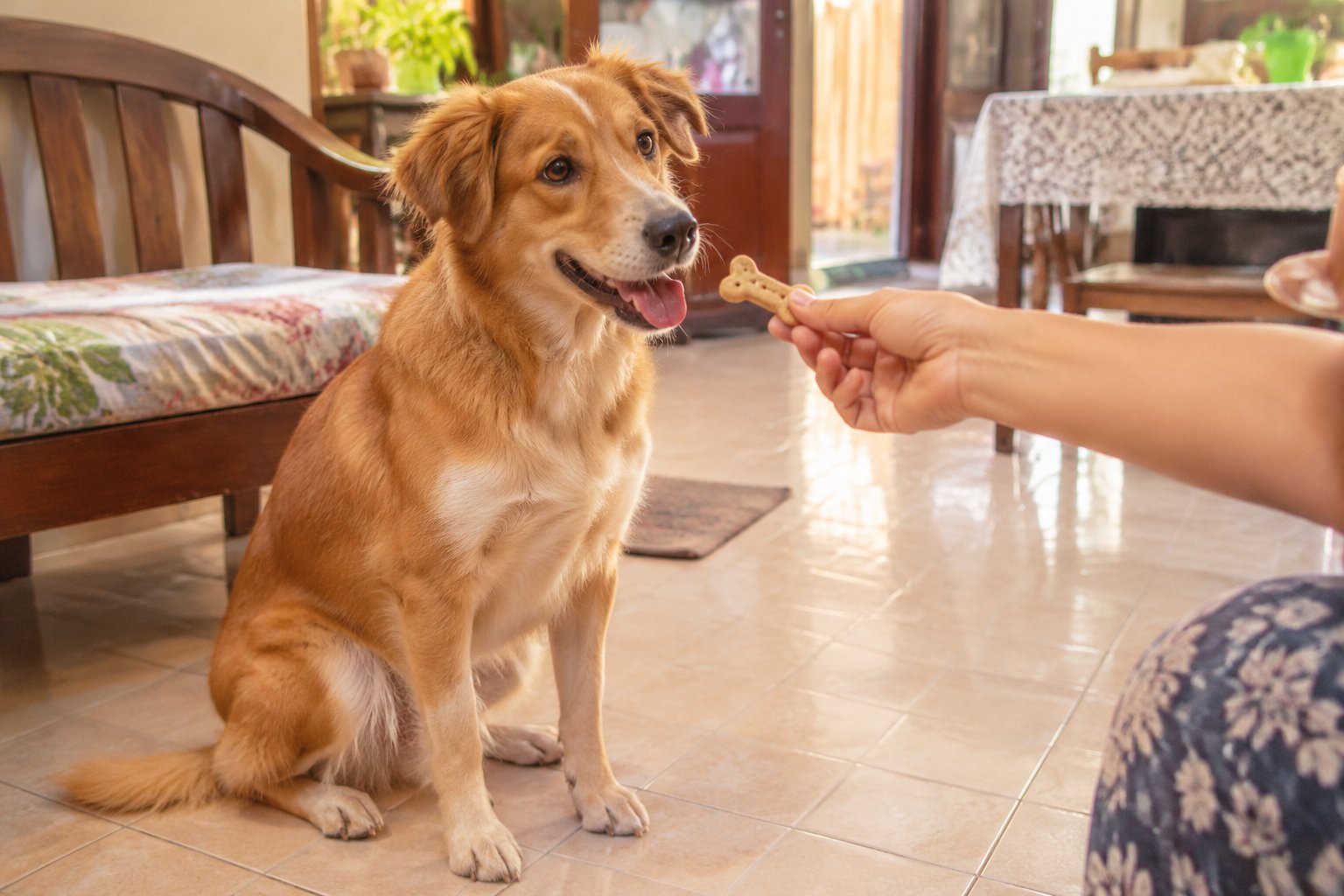
Chapter 10: Homemade Treats — Simple and Healthy
Chapter 10: Homemade Treats — Simple and Healthy
Homemade treats let you control ingredients, but keep them simple and safe. The appeal is obvious: you know exactly what went in, you can avoid additives you'd rather not feed, and you can tailor treats to your pet. The catch is that "homemade" is not automatically "healthy" — a treat is only as good as its ingredients and how it's stored. In Malaysia's heat and humidity, storage matters as much as the recipe. This chapter keeps things deliberately plain: a few safe ingredients, simple preparation, and careful storage.
Safe Ingredients and Simple Preparation
Use plain cooked chicken, fish, or lean meat, cut into small pieces and dried in a low oven or dehydrator. Cook the meat thoroughly first, then slice it thin so it dries evenly. A low oven with the door slightly ajar, or a dehydrator, works well; the goal is dry, firm pieces rather than moist ones that spoil quickly. Avoid adding salt, sugar, onion, garlic, or seasoning — none of these belong in pet treats, and onion and garlic in particular should never be fed to cats or dogs.
For dogs, plain cooked pumpkin or carrot can be mixed with a little oat flour and baked. Mash the cooked vegetable, combine with enough oat flour to form a workable dough, shape into small pieces, and bake until firm. For cats, plain cooked meat is usually enough — cats generally don't need elaborate recipes, and a small piece of plain cooked chicken or fish is a perfectly good treat.
Never use raw meat for homemade treats unless you follow strict hygiene, and wash hands and surfaces thoroughly. Raw meat carries bacterial risks, and in a tropical kitchen where surfaces stay warm and damp, those risks grow. If you do handle raw meat at any stage, wash hands, knives, boards, and counters with hot soapy water immediately afterwards.
Storing Treats in Malaysia's Humidity
Store treats in small sealed portions because Malaysia's humidity encourages mould. This is the single most important storage rule in this chapter. Rather than keeping one large container that gets opened repeatedly, divide treats into small portions, seal each one, and open only what you'll use in a few days. Keep sealed portions in a cool, dry place, and refrigerate or freeze anything you won't use quickly. Check stored treats before each use: discard anything with visible mould, a damp or sticky texture, or an off smell. When in doubt, throw it out — the cost of a spoiled treat is far lower than the cost of a sick pet.
Keeping Treats as Treats
Homemade treats are extras, not a balanced diet, so keep portions small. A treat should be a small fraction of what your pet eats in a day, not a meal replacement. This matters especially for apartment pets with limited exercise space, and for pets prone to weight gain. Small pieces also stretch your batch further and reduce waste when treats spoil in the humidity.
If your pet has allergies or a medical condition, check with your vet before introducing new ingredients. This applies even to plain-sounding foods like chicken, fish, pumpkin, or oats — a pet on a prescription diet, or one with a known sensitivity, may need to avoid certain ingredients entirely.
Checklist Before You Start
- Plain cooked chicken, fish, or lean meat only — no raw meat unless you follow strict hygiene
- No salt, sugar, onion, garlic, or seasoning
- For dogs: plain cooked pumpkin or carrot with a little oat flour, baked
- For cats: plain cooked meat is usually enough
- Meat cooked thoroughly and cut into small pieces
- Dried in a low oven or dehydrator until firm
- Hands and surfaces washed thoroughly after handling meat
- Treats divided into small sealed portions
- Stored cool and dry; refrigerated or frozen if not used quickly
- Checked for mould, dampness, or off smells before each use
- Portions kept small — treats are extras, not a balanced diet
- Vet consulted first if your pet has allergies or a medical condition
Common Mistakes
- Adding "just a little" seasoning. Salt, sugar, onion, garlic, and seasoning should stay out entirely — there is no safe amount to add for flavour.
- Storing one big container. A large tub opened many times in humid air invites mould. Small sealed portions are safer.
- Leaving treats soft or damp. Under-dried pieces spoil faster. Dry them until firm.
- Using raw meat casually. Raw meat requires strict hygiene; if you can't commit to that, cook the meat first.
- Treating homemade as a full diet. Homemade treats are extras. They don't replace balanced food.
- Skipping the mould check. Smell and look at treats before feeding — discard anything suspect.
- Forgetting the vet for sensitive pets. Allergies and medical conditions warrant a check before new ingredients.
When to Ask a Vet
Ask your vet before introducing new ingredients if your pet has allergies or a medical condition, is on a prescription diet, or has reacted poorly to a food before. Seek veterinary advice promptly if your pet shows vomiting, diarrhoea, itching, swelling, or any other reaction after eating a treat — and immediately if you suspect your pet has eaten onion, garlic, or any seasoned food.