
Chapter 7: Natural vs Processed Treats
Chapter 7: Natural vs Processed Treats
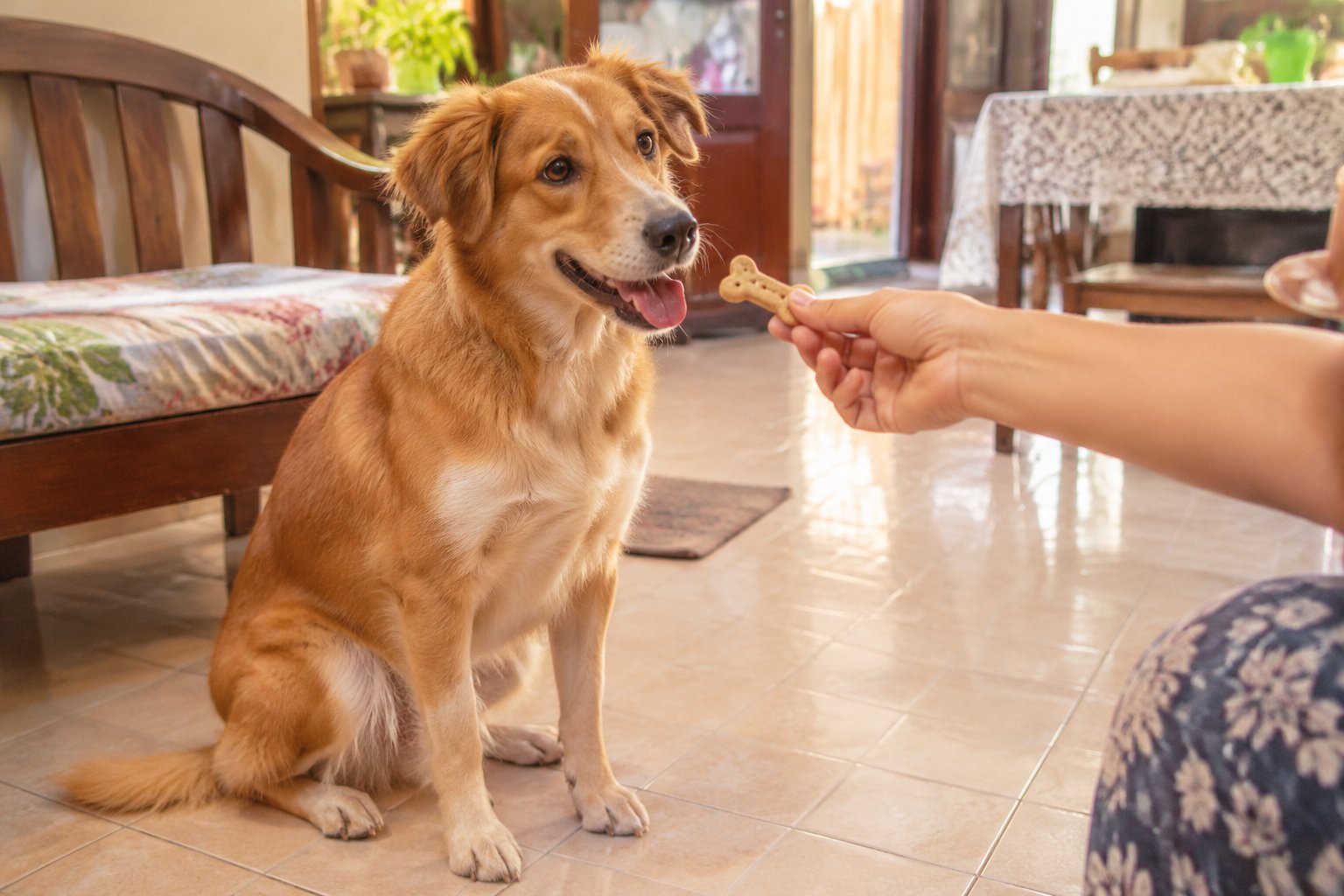
Treats are part of daily life with a cat or dog in Malaysia — a reward for coming when called, a way to settle a pet during a thunderstorm, or a small gesture of affection. But the treat aisle (and the pasar, and the pet shop, and the online seller) offers a confusing mix of "natural," "homemade," "grain-free," and "premium" options. This chapter helps you choose treats that are safe, practical in our climate, and suited to your pet's life stage and health.
The core message is simple: "natural" treats — plain cooked meat, dried fish, vegetables like carrot for dogs — can be healthy, but natural does not mean safe or balanced. In Malaysia, home-dried meat can spoil quickly in the humidity, and raw or undercooked meat carries bacterial risks for pets and people. Processed commercial treats are convenient, consistent, and often fortified, but some contain fillers, sugar, and salt. The best approach is a mix: use quality commercial treats for training and convenience, and simple fresh foods as occasional extras. Whatever you choose, check that the treat suits your pet's life stage and health. Avoid treats from open markets that have been sitting in the heat, and never feed spoiled or mouldy food. If you are unsure whether a "natural" treat is appropriate, ask your vet.
Why "Natural" Deserves a Second Look in Malaysia
The word "natural" on a label or a market stall is not a safety guarantee. Plain cooked meat, dried fish, and dog-safe vegetables such as carrot can be healthy additions, but they are not automatically balanced, and they are not automatically safe. Two local realities matter here.
First, heat and humidity. Home-dried meat can spoil quickly in Malaysian conditions. Drying meat at home is difficult to do safely without proper equipment and consistent conditions, and a batch that looks fine can harbour bacteria. If you make your own treats, cook them thoroughly, cool and store them properly, and discard anything that smells off or has changed texture. Never feed spoiled or mouldy food — this applies to pet treats exactly as it does to your own food.
Second, raw and undercooked meat. Raw or undercooked meat carries bacterial risks for pets and people. This is a particular concern in homes with children, elderly family members, or anyone with a weakened immune system, and it matters in apartments where pets and people share small spaces, kitchens, and food-prep surfaces. If you handle raw meat for pets, wash your hands, clean surfaces and utensils, and keep pet food separate from human food.
Processed Treats: Convenience With a Label to Read
Processed commercial treats are convenient, consistent, and often fortified, which makes them genuinely useful — especially for training, where small, uniform, quick-to-eat rewards work best. Consistency also helps if your pet has sensitivities, because a reputable product should deliver the same ingredients each time.
The trade-off is that some processed treats contain fillers, sugar, and salt. Read the ingredient list rather than the front of the packet, and choose treats that suit your pet's life stage and health. A growing puppy, a senior dog with a sensitive stomach, a cat prone to weight gain, and a pet on a vet-prescribed diet all have different needs. Treats should be a small part of the overall diet, not a replacement for balanced food.
Practical Treat Habits for Malaysian Homes
- Training treats: keep them small and use quality commercial treats for convenience and consistency.
- Occasional extras: simple fresh foods — plain cooked meat, a piece of carrot for dogs — can be given as occasional extras, not as a staple.
- Storage: in our humidity, store treats in airtight containers, follow the label's storage instructions, and check dried or homemade items frequently for spoilage.
- Sourcing: avoid treats from open markets that have been sitting in the heat. Buy from sources where stock is stored and rotated properly.
- Apartment routines: keep treat jars out of reach, wipe down counters after handling pet food, and use treats to reward calm behaviour in shared spaces.
Checklist Before You Buy or Make a Treat
- Does it suit my pet's life stage (puppy/kitten, adult, senior)?
- Does it suit my pet's health needs or any vet-prescribed diet?
- Is the ingredient list clear, without excessive fillers, sugar, or salt?
- Has it been stored away from heat and humidity, and is it within date?
- If homemade: was it cooked thoroughly, cooled, and stored safely?
- If raw or undercooked meat is involved: am I managing bacterial risks for pets and people?
- Is it free of mould, spoilage, or an off smell?
- Is the portion size appropriate, so treats stay a small part of the diet?
Common Mistakes
- Assuming "natural" means safe or balanced.
- Home-drying meat without proper equipment in humid conditions.
- Feeding raw or undercooked meat without managing bacterial risks.
- Buying treats that have been sitting in open-market heat.
- Ignoring sugar, salt, and fillers on processed treat labels.
- Giving treats that don't match the pet's life stage or health needs.
- Feeding spoiled or mouldy food "because it's just a treat."
When to Ask a Vet
If you are unsure whether a "natural" treat is appropriate, ask your vet. Also ask before introducing new treats if your pet has a diagnosed health condition, is on a prescription diet, has a history of stomach upsets or allergies, is very young or very old, or if you are considering raw or home-prepared foods. If your pet shows signs of illness after eating a treat — vomiting, diarrhoea, lethargy, or loss of appetite — contact your vet promptly.