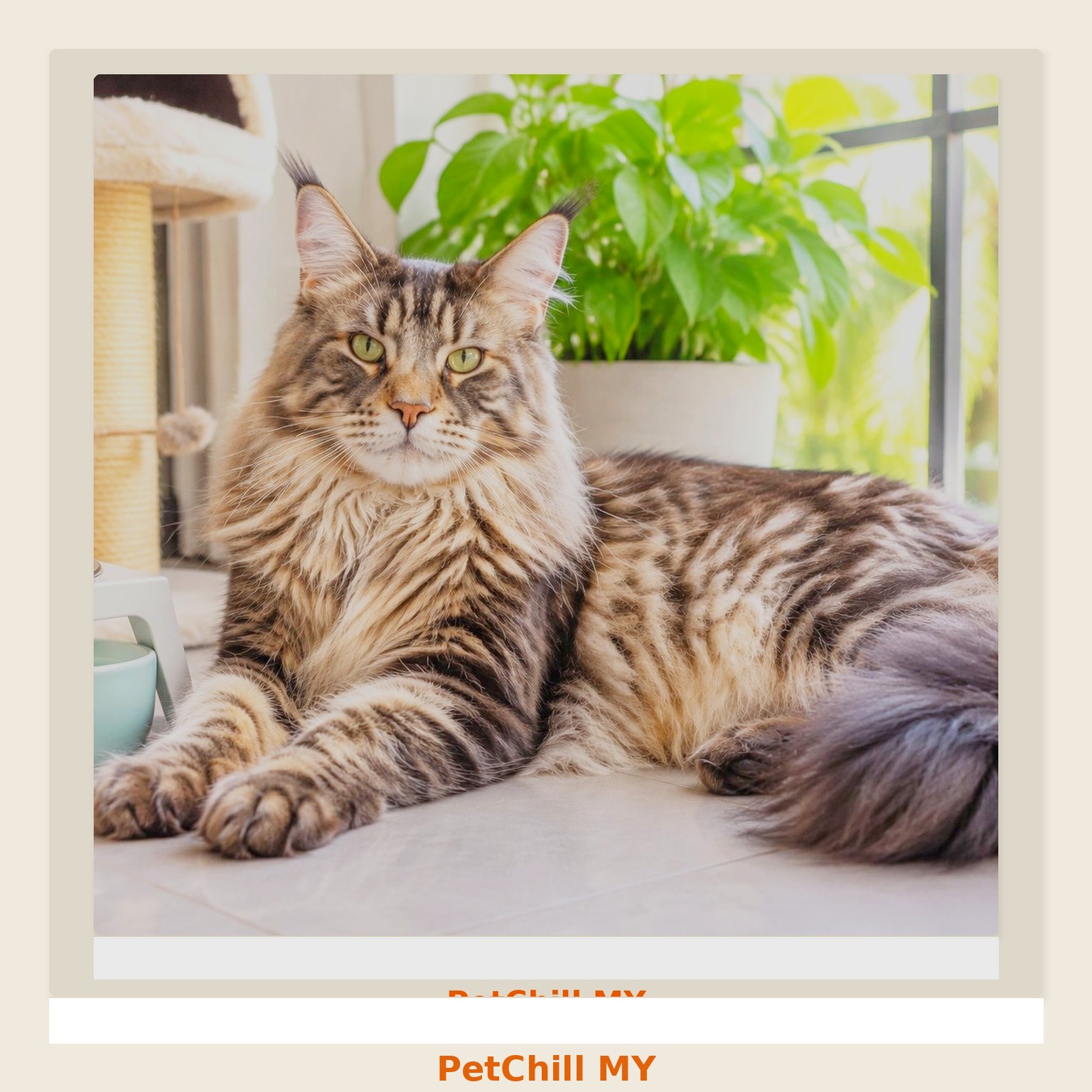
Why breed matters when choosing cat food in Malaysia
There is no single best cat food. A large Maine Coon and a slender Siamese can have very different protein and calorie needs, and a long-haired Persian faces grooming-related challenges that a short-haired breed does not. In Malaysia's hot, humid climate, owners also deal with fur matting, reduced appetite in warm weather and the practicalities of storing food safely.
Breed-specific nutrition is not about buying a different bag for every cat. It is about understanding four drivers: body size and muscle mass, coat type, activity level and inherited health risks. Once you know those, you can read labels with purpose and ask your vet better questions.
This guide covers the five groups most often discussed by Malaysian cat owners: Persian, Maine Coon, Ragdoll, Siamese and senior cats aged seven and above. It includes a comparison table, practical feeding routines for Malaysian homes and clear guidance on when to see a vet.
The four factors that shape a cat's nutritional needs
Body size and muscle mass. Larger cats carry more muscle and generally need more total protein and calories. A Maine Coon adult male can weigh considerably more than a typical domestic cat, so portion guides for average cats will undershoot.
Coat type. Long-haired cats swallow more fur during self-grooming. Without adequate fibre and regular brushing, that fur can accumulate and cause vomiting or constipation.
Activity level. Highly active breeds burn more energy. Laid-back breeds gain weight easily and need measured portions rather than free feeding.
Genetic health risk. Some breeds have higher rates of particular conditions, such as kidney disease in Persians or heart disease in Ragdolls. Diet alone cannot prevent these, but appropriate nutrition and regular veterinary screening help manage risk.
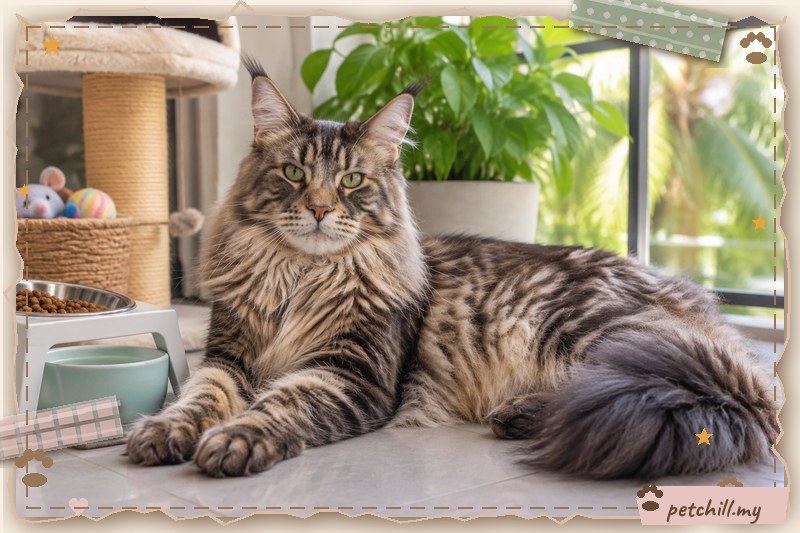
Comparison table: five breed groups at a glance
| Breed group | Main nutritional focus | Formula direction | Feeding style |
|---|---|---|---|
| Persian | Hairball control, kidney support | High-fibre long-hair formula, moderate phosphorus | Brush daily, offer hairball gel or cat grass |
| Maine Coon | High protein, joint support | Large-breed or high-protein formula with glucosamine and chondroitin | Slow-feeder bowl, measured meals |
| Ragdoll | Weight management, heart support | Lower-fat, adequate-protein formula with taurine | Timed meals, no free feeding, daily play |
| Siamese | Energy and muscle maintenance | Energy-dense, high-protein formula | Puzzle feeders, multiple water stations |
| Senior (7+) | Lower phosphorus, easy digestion | Senior or kidney-support formula | Soften dry food, smaller frequent meals |
Portion sizes vary with individual weight, age and activity, so use the bag's feeding guide as a starting point and adjust with your vet. Do not copy another owner's portion.
Persian cats: hairball control and kidney awareness
Persians are the classic long-haired cat. Daily self-grooming means a lot of swallowed fur. If it accumulates, you may see frequent vomiting of hair, constipation or, in serious cases, intestinal blockage.
Choose a formula that lists added fibre sources such as cellulose, psyllium husk or chicory root. These help fur pass through the digestive tract. Persians are also recognised as being at higher risk of polycystic kidney disease, so a diet with moderate phosphorus is sensible, especially as the cat ages.
Feeding tips for Malaysian homes:
- Brush your Persian daily. This removes loose fur before it is swallowed and is especially important in humid weather when mats form quickly.
- Keep a grooming mat near a window so brushing becomes routine.
- Offer hairball gel or a small pot of cat grass if your vet agrees.
- Use a raised bowl to reduce neck strain and keep long fur out of the food.
- Provide flowing water to encourage drinking, which supports urinary and kidney health.
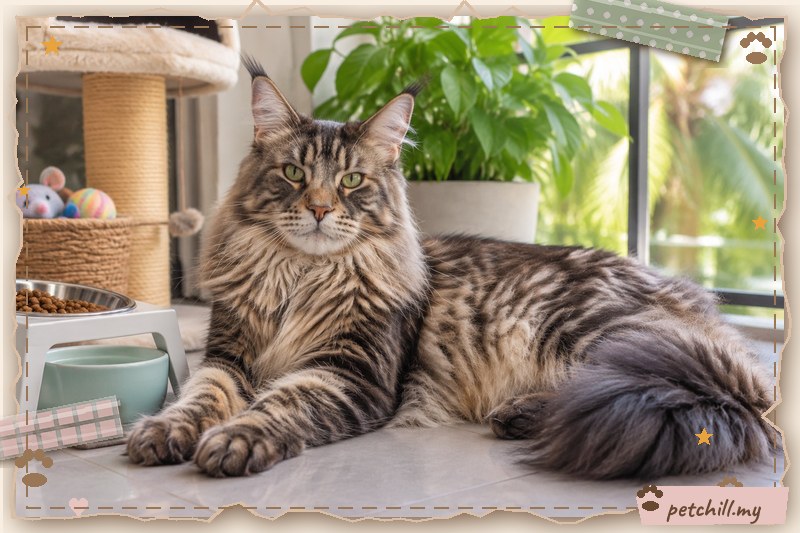
Maine Coons: large body, high protein, joint care
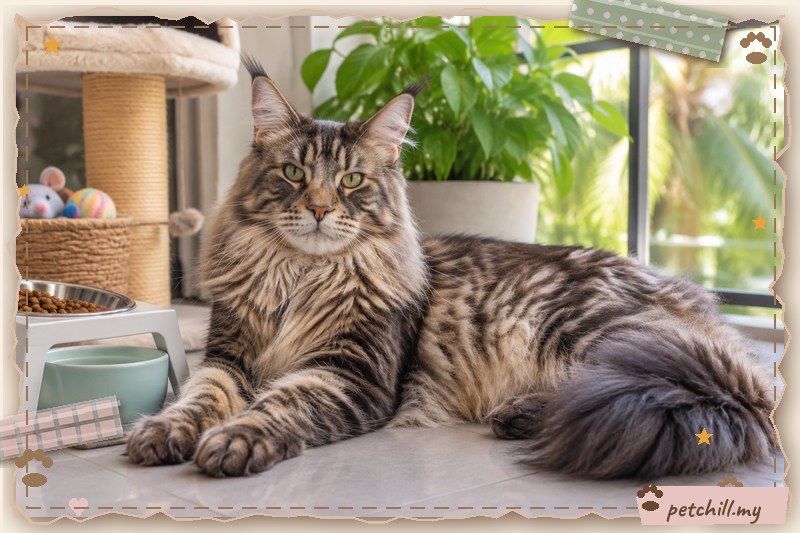
Maine Coons are among the largest domestic cats. They mature slowly and can keep growing into their third or fourth year. Their muscle mass means they need more protein than the average cat, and their size puts extra load on joints.
Look for a large-breed or high-protein formula with a named animal protein first. Protein levels around 35% or higher are common in foods marketed for large cats, though the right level depends on your cat's health. Glucosamine and chondroitin are often added for joint support.
Maine Coons tend to eat quickly. A slow-feeder bowl and a non-slip mat prevent gulping and spills. Because they eat more, buying larger bags makes sense, but store food in a sealed container away from heat and humidity. In Malaysian kitchens, decant a few days' portion into a small box and keep the main bag closed.
Give a large cat room to move. Even in a Kuala Lumpur apartment, clear a runway between furniture so your Maine Coon can sprint and burn energy.
Ragdolls: gentle cats that gain weight easily
Ragdolls are calm, affectionate and often happy to lounge. That low activity makes obesity a real risk, and excess weight strains the heart. Ragdolls are also a breed with higher awareness of hypertrophic cardiomyopathy, so heart-supportive nutrients such as taurine matter.
Choose a weight-management formula with controlled fat and adequate protein to preserve muscle. Feed timed meals rather than leaving food out all day. Two measured meals, morning and evening, work well for many households.
Practical habits:
- Weigh your Ragdoll regularly on a bathroom scale, holding the cat and subtracting your own weight.
- If weight creeps up, reduce the portion slightly and increase play rather than skipping meals.
- Use a wand toy for short daily sessions. Ragdolls often enjoy watching from a window hammock, which encourages gentle movement.
- Keep treats small and count them within the daily calorie allowance.
Siamese cats: high energy, high protein
Siamese cats are vocal, curious and active. They run, jump and investigate far more than the average cat, and their fast metabolism means they need energy-dense food.
A high-protein formula helps maintain lean muscle. Because Siamese cats are usually slender and burn energy quickly, they can often eat more than sedentary breeds without gaining weight. That said, individual cats vary, so monitor body condition rather than assuming.
Siamese cats are intelligent and benefit from puzzle feeders. Hiding part of the daily ration in a puzzle ball or snuffle mat provides mental stimulation and slows eating. Place several water bowls around the home, as active cats can become dehydrated without obvious signs.
In Malaysian apartments, close windows and balcony doors securely. A bored Siamese will find escape routes, and the heat and traffic outside are serious risks.
Senior cats: lower phosphorus, easy digestion
Cats are generally considered senior from around seven years old. Kidney function and digestion can decline, and muscle mass may drop. Senior formulas typically offer lower phosphorus, highly digestible protein and added fibre.
If your senior cat has been diagnosed with kidney disease, your vet may recommend a prescription diet. Do not switch to a kidney formula on your own based on label claims alone; confirmation through bloodwork matters.
Feeding tips for older cats:
- Soften dry food with warm water to make chewing easier.
- Offer smaller, more frequent meals if your cat eats less at once.
- Use a low-sided bowl so a cat with stiff joints does not have to stoop.
- Keep the litter box low-sided and close to resting areas.
- Weigh your cat monthly and report any unexplained weight loss.
Setting up feeding in a Malaysian home
Malaysia's climate creates specific challenges: humidity spoils dry food faster, heat can reduce appetite, and apartments often have limited space.
Storage. Keep dry food in an airtight container in a cool cupboard, not near the stove or window. Buy bag sizes you can finish within a few weeks. Never mix old and new food in the same container without cleaning it.
Water. Cats are often poor drinkers. Offer fresh water in several places and consider a circulating fountain. Change water daily in warm weather.
Feeding stations. Place food away from the litter box and away from direct sun. In a small apartment, a quiet corner of the living room works better than a busy walkway.
Multi-cat homes. If you keep different breeds, a complete all-life-stage food can work for healthy adults, but feed separately if one cat needs a special diet. Microchip feeders help prevent food stealing.
Weather and appetite. During hot spells, cats may eat less. Offer wet food, which adds moisture, and never leave wet food out for long in tropical heat.
Common feeding mistakes to avoid
- Free feeding a Ragdoll or other sedentary breed.
- Assuming a large cat needs the same portion as an average cat.
- Ignoring hairball signs in a long-haired cat until vomiting becomes frequent.
- Switching a senior cat to a kidney diet without veterinary bloodwork.
- Buying food based only on price or packaging.
- Forgetting that treats count toward daily calories.
- Storing dry food in the bag after opening in humid conditions.
When to see a vet
Contact a Malaysian veterinarian if you notice any of the following:
- Repeated vomiting, especially hairballs, or constipation lasting more than a day or two.
- Unexplained weight loss or gain.
- Increased thirst and urination, which can signal kidney problems.
- Poor appetite lasting more than 24 hours.
- Difficulty breathing, coughing or fainting, which may indicate heart disease.
- Sudden reluctance to move or jump, suggesting joint pain.
- Any cat that stops eating completely, as this can become an emergency.
Bring the food label to your appointment. Your vet can review the guaranteed analysis and adjust portions or recommend a prescription diet based on examination and blood tests.
Frequently asked questions
See the FAQ section above for direct answers on sharing food between breeds, protein levels, switching to senior food, price versus quality, Maine Coon portions and senior diets.
Vet disclaimer
This article is general information for Malaysian cat owners and is not a substitute for veterinary advice. Breed predispositions, individual health status and local product availability vary. Always consult a licensed veterinarian in Malaysia before changing your cat's diet, especially if your cat is pregnant, nursing, ill or on medication.
Related reading
- Pet Care Guide Malaysia: Norwegian Forest Cat — Grooming, Climbing Space and Health
- Absolute Holistic Buying Guide Malaysia 2026: Air-Dried, Canned & Bisque Explained
- Belgian Malinois in Malaysia: A Complete Guide for High-Drive Working Dogs
- Brit Insect & Pea Cat Food: A Practical Guide for Malaysian Cat Owners
- Cat Age Conversion Guide Malaysia: How Old Is Your Cat in Human Years?
- Cat Food Budget for Cat Owners in Malaysia: A Practical Guide
- Emergency Vet Explained for Cat Owners in Malaysia: When to Go, What to Expect, What to Bring
- Pet Toys in Malaysia: A Practical Guide to Choosing Safe, Fun Toys for Dogs and Cats
- Pet Vitamin Malaysia: Do Dogs and Cats Really Need Supplements?
- Vet Visit Cost for Cat Owners in Malaysia: What to Expect and How to Budget
- Balinese Cat Care in Malaysia: Grooming, Company and Health Warning Signs