
Start with the right question
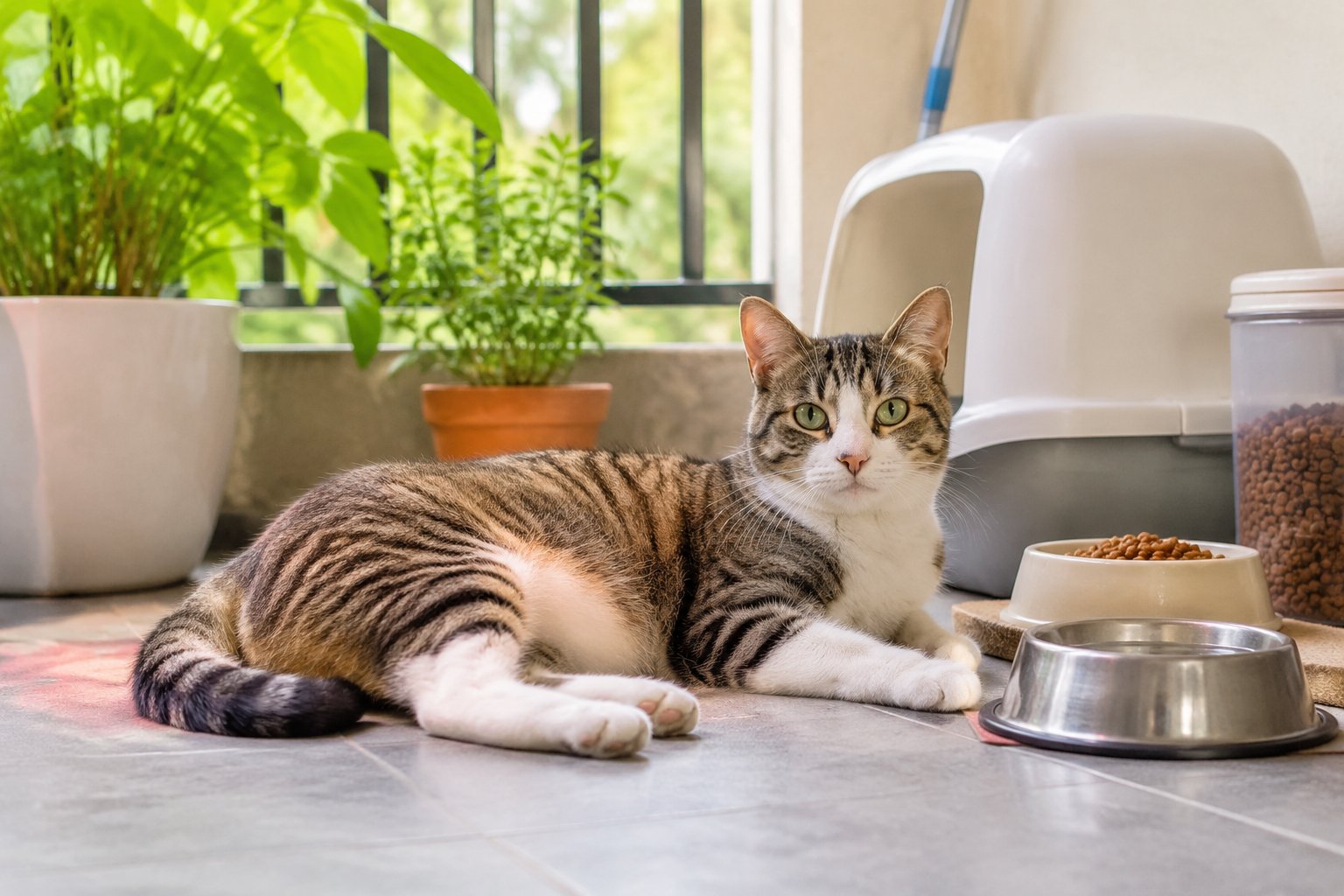
Most cat owners ask, "How much does litter cost?" The better question is, "How much litter does my cat actually need each month, and which type gives the best value for my household?" A cat litter budget is not just a pack price. It includes how often you scoop, how deep you fill the box, how many boxes you keep, and how quickly the litter stops controlling odour. Once you understand those habits, you can build a monthly figure that is realistic rather than guessed.
This guide explains how to plan a cat litter budget in Malaysia, compare common litter types, save money without cutting corners on hygiene, and recognise when a change in litter habits needs a vet. Prices vary by brand, pack size, and retailer, so treat any figure here as a planning method, not a fixed quote.
What actually drives your litter budget
Litter spending is shaped by five practical factors.
- Number of cats and boxes. More cats mean more waste and more frequent scooping. A common guideline is one box per cat plus one extra, though your home layout matters too.
- Litter type. Clumping clay, non-clumping clay, tofu, pine, paper, and crystal litters behave differently. Some last longer; some need fuller changes.
- Box size and litter depth. A box that is too small forces your cat to dig in a shallow layer, which gets soiled quickly. A larger box with adequate depth can be more efficient.
- Scooping routine. Daily scooping removes the wettest, smelliest material before it contaminates the rest. Skipping days often means throwing out more litter later.
- Household environment. Humidity and ventilation affect odour and drying. In a humid Malaysian home, litter can clump less firmly or smell sooner, so your change frequency may need adjusting.
A simple budget formula is: bags used per month × price per bag + 10–20% buffer. The buffer covers topping up, a full change, or a price increase. If you use two boxes, calculate for both.
Compare litter types like a budget planner
Different litters suit different budgets and cats. The table below compares common options on practical points. It does not list prices because local prices vary widely; ask a Malaysian retailer or your vet for current costs.
| Litter type | Typical budget pattern | Odour control | Dust and tracking | Best for | Watch-outs |
|---|---|---|---|---|---|
| Clumping clay | Moderate to higher per bag, but easy to scoop | Good when scooped daily | Can be dusty and track | Owners who want easy daily scooping | Heavy bags; dust may irritate some cats |
| Non-clumping clay | Often lower per bag | Moderate; needs fuller changes | Can be dusty | Budget-focused households | Wet litter sits at the bottom; change more often |
| Tofu | Moderate to higher | Good; some formulas clump | Low dust, but can track | Cats that accept soft texture | Some cats eat or chew it; store dry |
| Pine pellets | Moderate | Good natural scent | Low dust; pellets scatter | Owners who like low-dust options | Pellets break down; scooping style differs |
| Paper pellets | Moderate | Moderate | Low dust | Sensitive cats or post-surgery use | Can be less absorbent; change often |
| Crystal | Higher per bag | Strong absorption | Low dust; crystals track | Longer gaps between full changes | Some cats dislike texture; not flushable |
Use the table as a starting point. The cheapest bag is not always the cheapest month if you have to change it constantly. Likewise, a premium litter that your cat refuses is wasted money.
Build a monthly litter plan step by step
Step 1: Measure your current use
For one week, note how many scoops you remove, how much litter you top up, and whether you do a full change. Multiply by four to estimate monthly use. If you already have a routine, check your last few receipts or pack counts.
Step 2: Choose a box setup
A box that is too small causes more waste. Your cat should be able to turn around and dig comfortably. Fill with enough litter for digging, usually a few centimetres, and adjust to your cat's behaviour. If your cat digs to the bottom, a deeper layer may reduce sticking and odour.
Step 3: Pick a litter your cat accepts
Cats can be particular about texture and scent. When changing litter, mix the new litter with the old over several days. Sudden switches can cause avoidance or accidents. If your cat has a history of urinary issues, ask your vet before making big changes.
Step 4: Set a monthly figure and a buffer
Multiply your estimated bags by the shelf price you actually pay. Add a buffer for topping up and full changes. Review the figure after one month and adjust. If you shop promotions, buy only what you can store dry and use within a reasonable time.
Step 5: Track hygiene costs
Your budget should include box cleaning supplies, waste bags, and replacement boxes when they crack or retain odour. These are small costs but they affect the real monthly total.
Ways to save without harming your cat
Saving money on litter is fine as long as hygiene and comfort stay high. Try these practical habits.
- Scoop at least once daily. Removing solids and clumps early keeps the rest of the litter usable longer.
- Use the right box size. A larger box with adequate litter depth can reduce sticking and wasted litter.
- Keep boxes in suitable spots. Avoid damp, poorly ventilated corners where odour builds up.
- Buy larger packs only if you can store them. Litter absorbs moisture. Keep it sealed and dry.
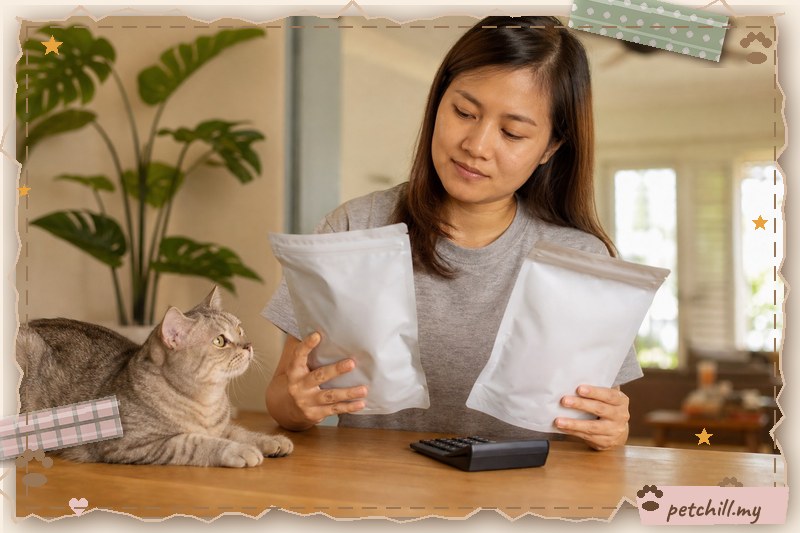
- Compare cost per month, not pack price. A larger bag may be better value, but only if your cat accepts it and you use it fully.
- Mix litters carefully. Blending a budget litter with a higher-performing one can stretch the expensive type, but introduce changes gradually.
- Wash boxes regularly. A clean box reduces odour and the urge to overfill with litter to mask smells.
- Avoid overfilling. More litter is not always better; it can be wasted when you do a full change.
Do not cut costs by skipping full changes or using too little litter. A dirty box can cause stress, house soiling, and health problems that cost more than litter.
Hygiene, odour, and the hidden cost of a dirty box
Litter is only part of the cost. A box that is not cleaned properly can lead to odour, tracking, and avoidance. In a Malaysian home, humidity can make odour more noticeable, especially in apartments with limited ventilation. Practical habits help:
- Scoop solids daily and remove clumps.
- Top up litter after scooping.
- Do a full change and wash the box weekly for most litters, or more often if needed.
- Use a mild pet-safe cleaner and dry the box fully before refilling.
- Keep waste bags and cleaning supplies stocked so you are not tempted to delay.
If your cat starts avoiding the box, do not assume it is a behaviour problem. Pain, urinary issues, and stress can all change litter habits. A vet visit is the right first step when health signs appear.

When to see a vet
See a vet promptly if your cat shows any of these signs:
- Stops using the litter box or urinates outside it suddenly.
- Strains to urinate, cries while urinating, or produces only small amounts.
- Blood in urine.
- Urinates much more often or drinks more water.
- Licks the genital area excessively or shows pain when touched.
- Develops sneezing, eye discharge, or paw irritation that may be linked to dusty litter.
- Refuses the box after a litter change and does not settle within a few days.
Urinary problems can become serious quickly, especially in male cats. Do not wait to see if it resolves on its own. Your vet can assess your cat and advise on litter and box management.
A simple monthly budget checklist
Use this checklist to keep your plan on track:
- Count cats and boxes.
- Estimate bags used per month.
- Record the price you actually pay per bag.
- Add 10–20% buffer.
- Include cleaning supplies and waste bags.
- Review after one month.
- Adjust for humidity or seasonal odour.
- Ask your vet if your cat has health or behaviour changes.
Local contexts to plan for
A Kuala Lumpur apartment with limited ventilation may need more frequent scooping and a full change to control odour, which affects monthly use. A Johor terrace house with a utility area may allow more boxes and easier storage, but humidity still matters. In either setting, the principle is the same: scoop daily, keep litter dry, and adjust your budget to your cat's actual use.
Bottom line
A cat litter budget in Malaysia is best built from your own habits: box setup, litter type, scooping routine, and storage. Compare cost per month rather than pack price, keep hygiene high, and leave room for price changes. If your cat's litter habits change, treat it as a health question first and speak to a vet.
This article is general information for cat owners in Malaysia and is not a substitute for veterinary advice. Prices and product availability vary; consult a licensed veterinarian for your cat's specific needs.
Related reading
- Pet Care Guide Malaysia: Essential Tips for New Pet Owners
- Pet Care Guide Malaysia: Norwegian Forest Cat — Grooming, Climbing Space and Health
- Border Collie in Malaysia: Exercise, Training and Care Guide
- Cat Food Budget Explained for Cat Owners: A Practical Guide to Feeding Costs in Malaysia
- Cat Food Budget for Cat Owners in Malaysia: A Practical Guide
- Absolute Holistic Buying Guide Malaysia 2026: Air-Dried, Canned & Bisque Explained
- Balinese Cat Care in Malaysia: Grooming, Company and Health Warning Signs
- Beagle in Malaysia: A Practical Care Guide for Our Climate and Homes
- Belgian Malinois in Malaysia: A Complete Guide for High-Drive Working Dogs
- Blue-Tongue Skink Care in Malaysia: Enclosure, UVB, Diet and Handling
- Budgie Care in Malaysia: Cage, Diet, Sleep and Safety Guide



